Setting Your Expectations Right About Kyoto
*Disclaimer: This blog is reader-supported, and this page might therefore contain affiliate links. When you book or buy through them, I may earn a small commission at no extra cost to you. It helps me write these in-depth and original guides, so thank you for the support! Full Affiliate Disclosure
You almost certainly will have Kyoto on your list of places for your first trip to Japan. I certainly did, and it was the city I was looking forward to visiting the most. When I arrived, however, I spent the first few days trying (and failing) not to actively dislike Kyoto. And believe it or not, it wasn’t because of “overtourism”.
-ARTICLE CONTINUES BELOW-
Get My Japan Golden Route Guides Delivered to Your Inbox
Save time on researching and get all my Golden Route travel guides delivered straight to your email inbox, plus some extra tips and newsletter updates. Unsubscribe anytime.
This isn’t really the city’s fault, in my opinion. It’s more that I set myself up for Paris Syndrome by creating an idealized version of Kyoto in my mind. I guess we can call it Kyoto Syndrome, in that sense. Then again, I felt like most of the online research I did about the city kind of reinforced this… so I decided to write this article and help you set realistic expectations about the place.
Despite my initial few days, I felt like I still had a good time in Kyoto by the end of the trip. Much of this came down to accepting the city for what it is, rather than what I wanted it to be. I think you will too, if you know what to expect.
My aim is to help you set reasonable expectations about Kyoto so that you can actually enjoy visiting. It might even… surprise you. So yes, here’s what I didn’t expect but should have—and what you should prepare for when you visit.
First Of All… Get Everything Prepared *Before* You Arrive in Kyoto
We arrived in Kyoto after spending a few nights in Kawaguchiko near Mount Fuji. Our Shinkansen train from Mishima (where we took a bus to) arrived at Kyoto Station, and I have to say that I was immediately overwhelmed.
Kyoto’s main train station is busy with a capital B. Now, imagine trying to navigate your way to anything while you’re also tired and are carrying two suitcases with you (if you can, you should definitely use Japan’s luggage transfer services instead). Let’s just say that it was not particularly fun.
When I say get everything prepared, I am more specifically talking about how you get from Kyoto Station to your accommodation. I’ll be honest: I gave up on trying to find the Subway and went with Uber instead.
If you are going to take the Subway, make sure you have an ICOCA card before you arrive in Kyoto. If you’re arriving from Tokyo, you can use your Suica card in most instances. You can otherwise get an ICOCA card on your Apple Wallet or—if you’re unlucky enough to use Android—buy an iPhone. I’m semi-joking, but you can buy an ICOCA card at Osaka Airport.
I’m saying this because I was in Kyoto trying to figure out what I should do and became pretty stressed. Since nowhere gave me a specific answer when I looked online, I’m giving you one here. If you’re not staying near a Subway line, I’d actually recommend Uber to get you to your hotel. You can’t take big luggage on the city’s buses.
Don’t Expect All of Kyoto to be Beautiful
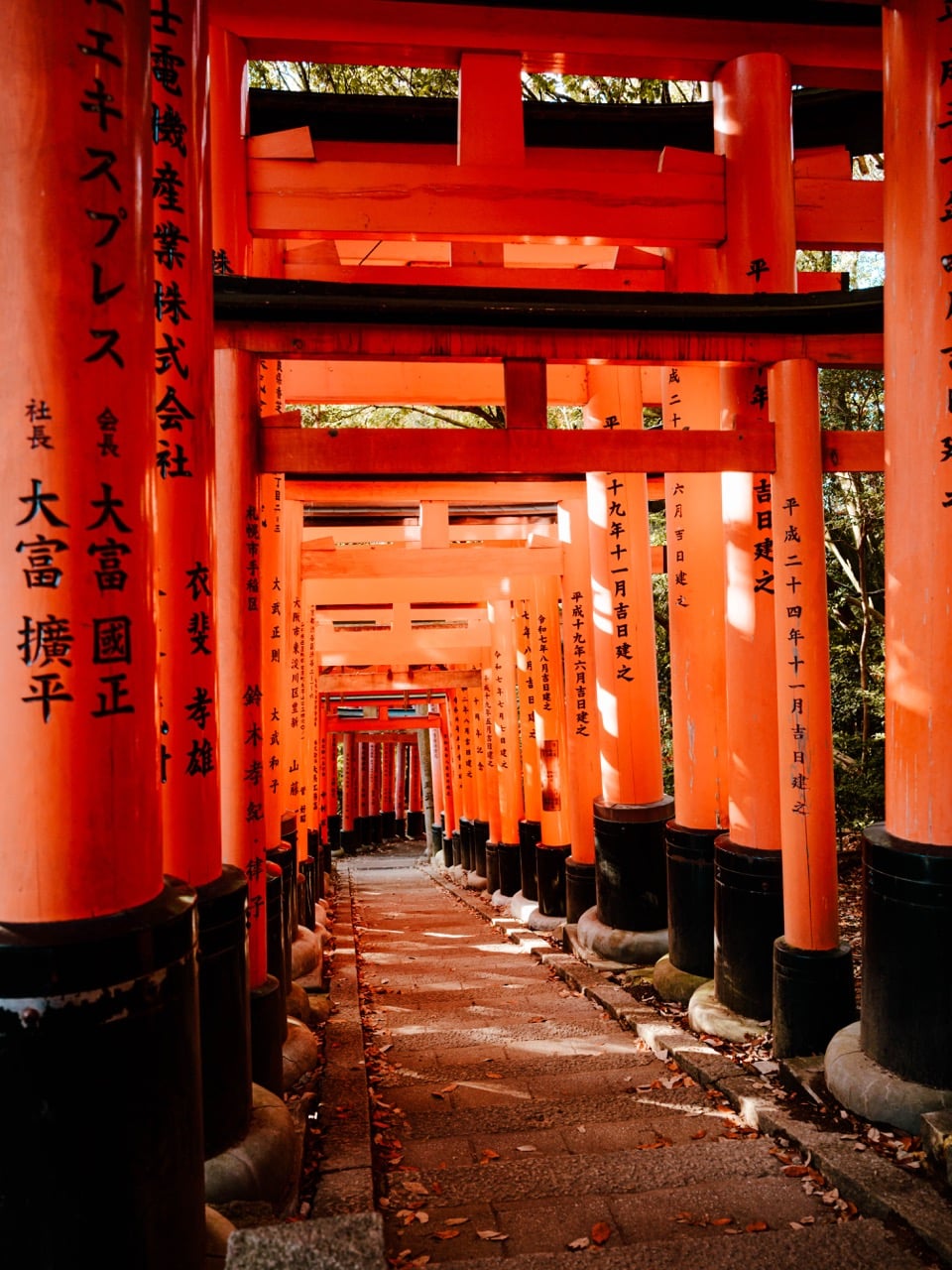
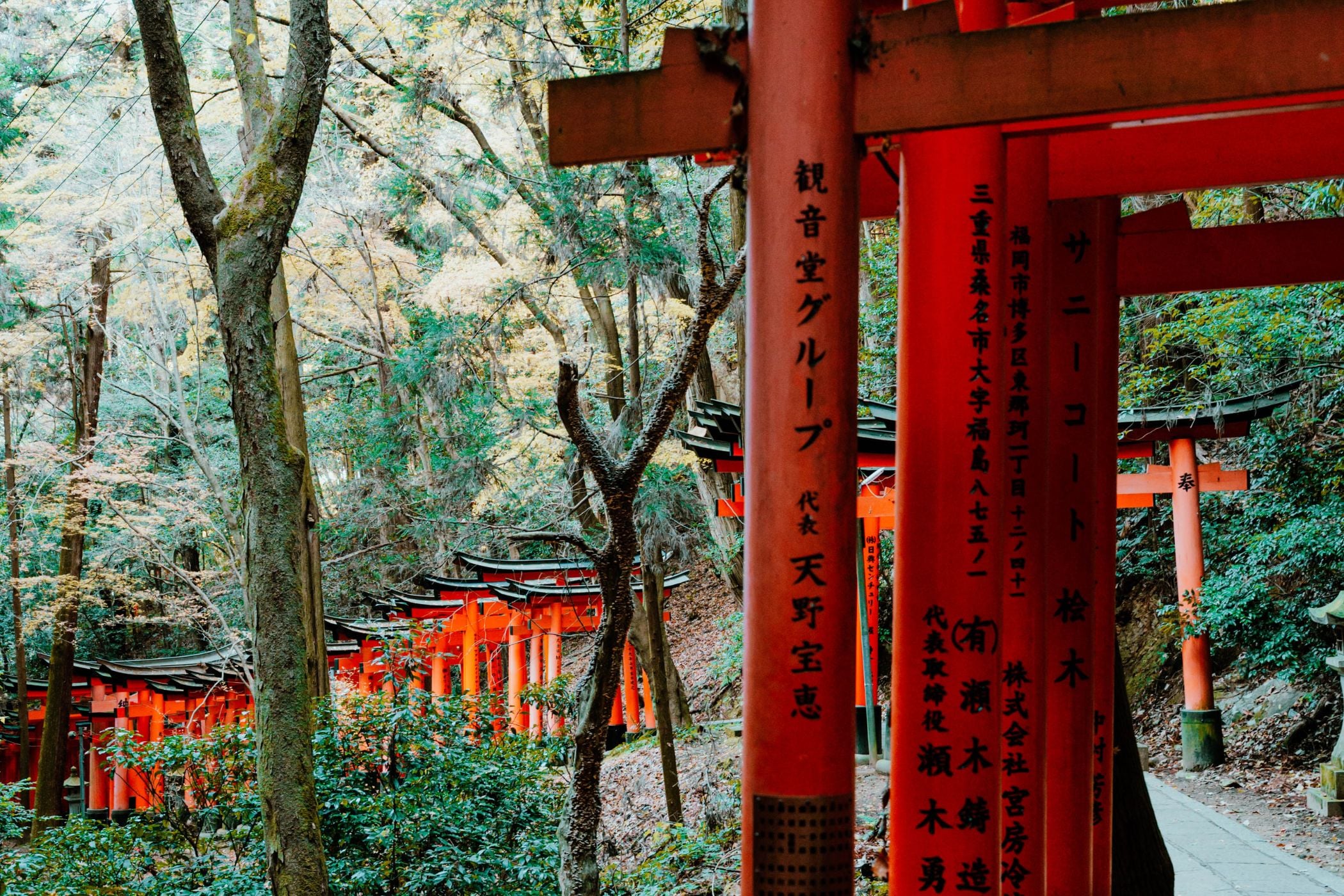
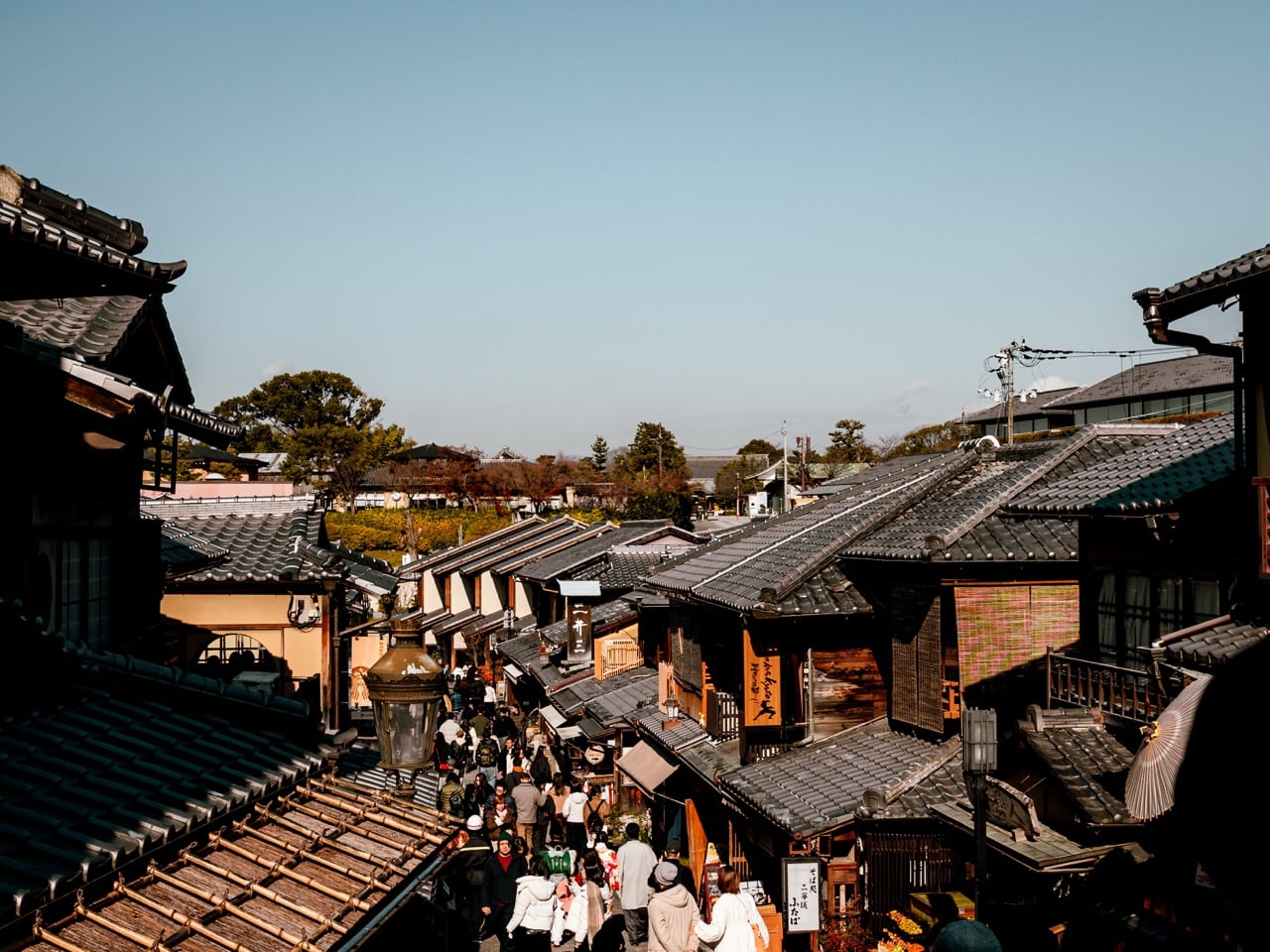
This was the one that really tripped me up, to be honest. You see those photos of Kyoto on Instagram? The ones of the beautiful old houses and temples? Many of them are taken from the same few places, namely Gion and the area around the Kiyomizu-dera temple. Now, I won’t lie to you: These, along with the likes of Fushimi-Inari, are just as stunning IRL as they look.
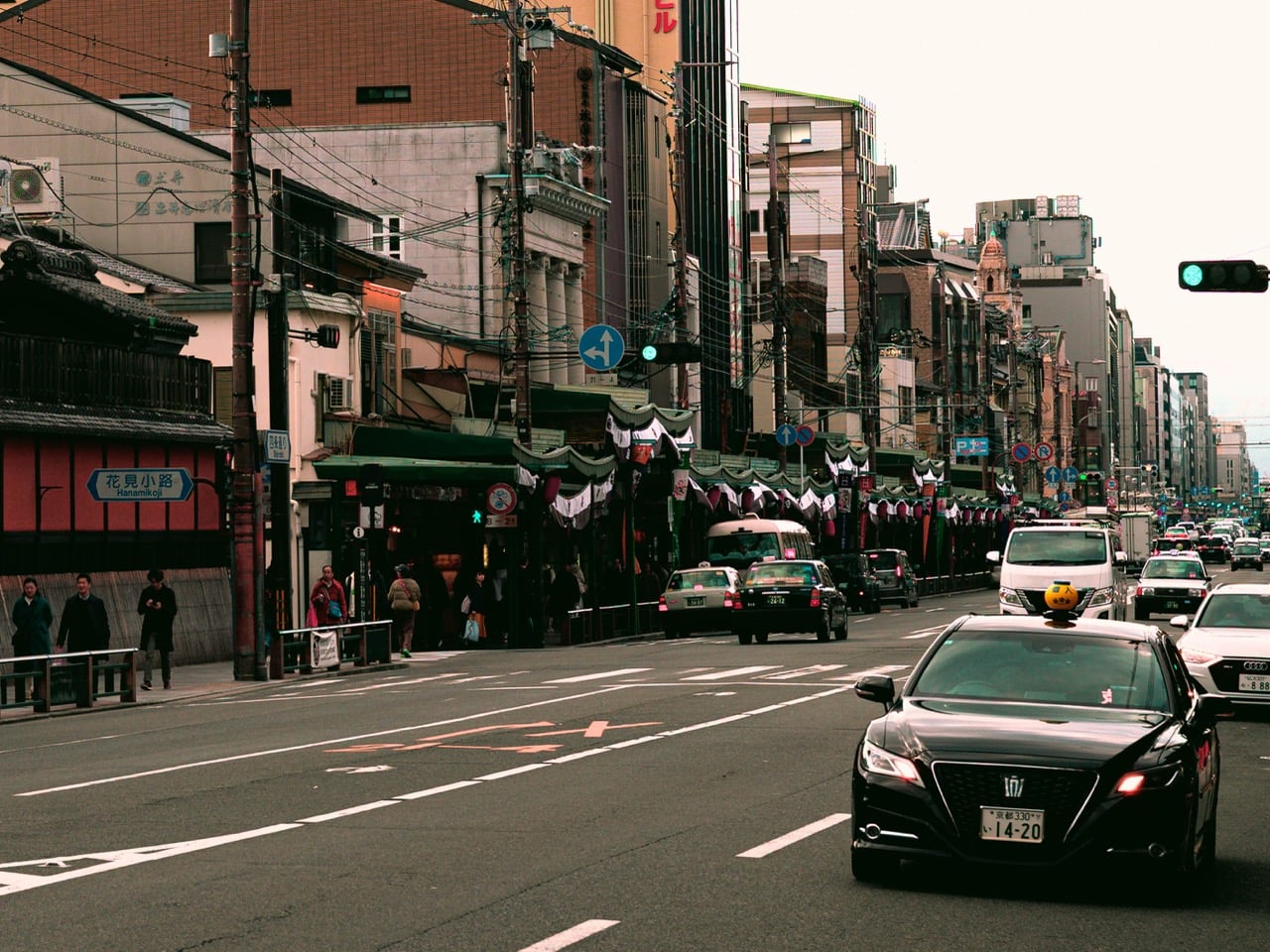
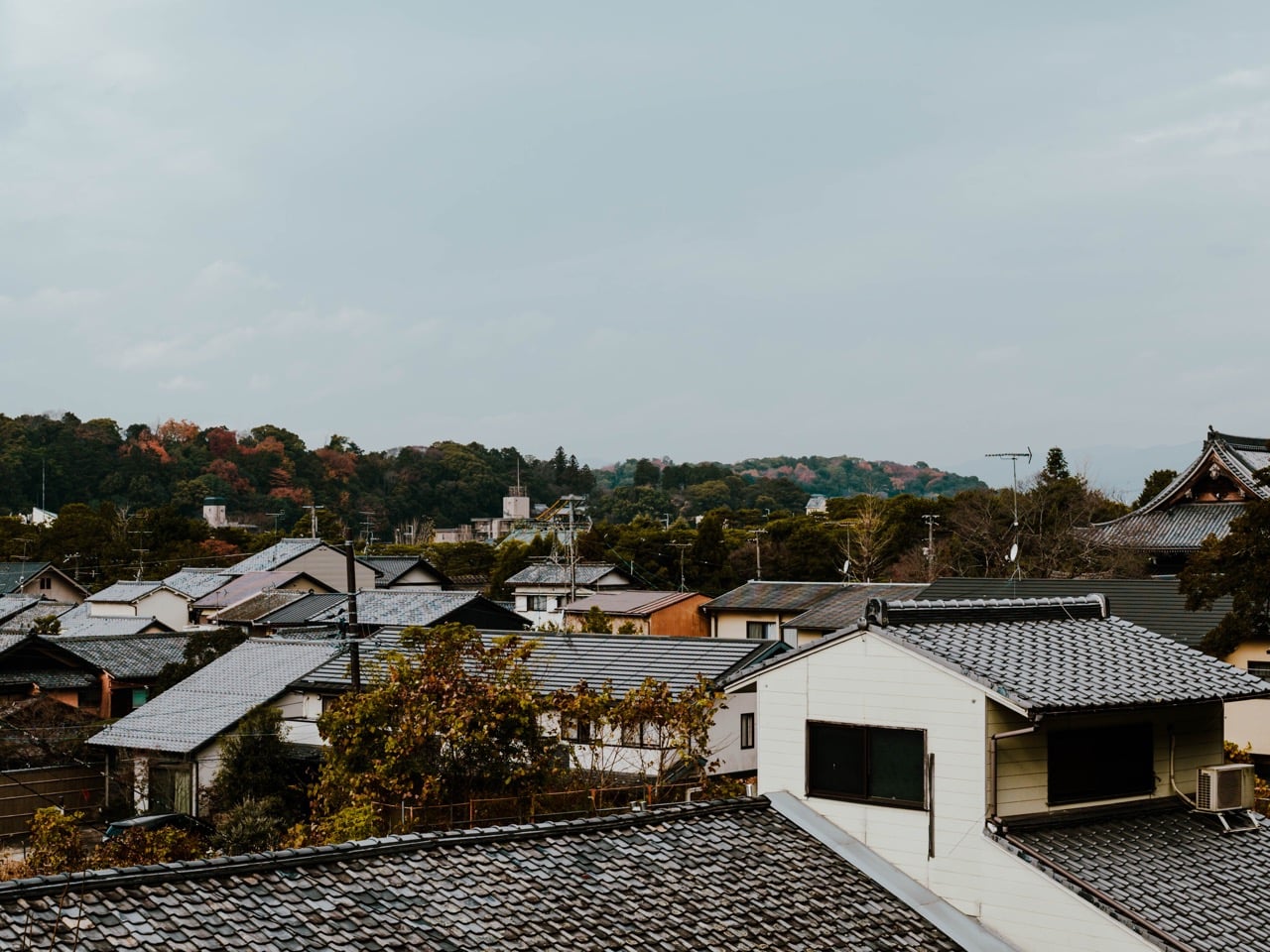
But this is not the whole of Kyoto. Much of the city is actually quite modern and, in my opinion, not particularly pretty. This is evident as soon as you leave the main station, and you’ll also notice it if you visit the Kyoto Tower’s observation deck (which you definitely should, by the way).
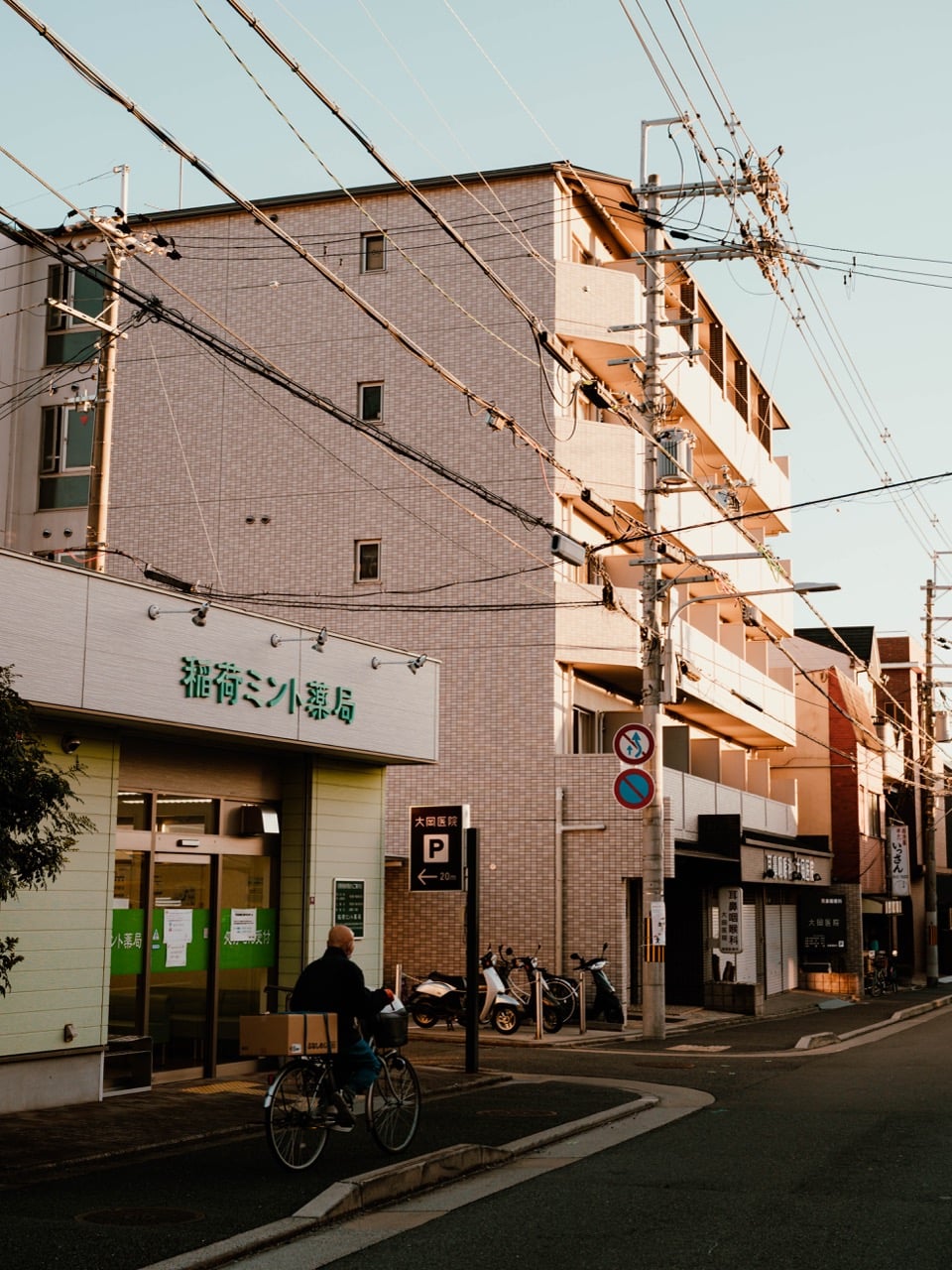
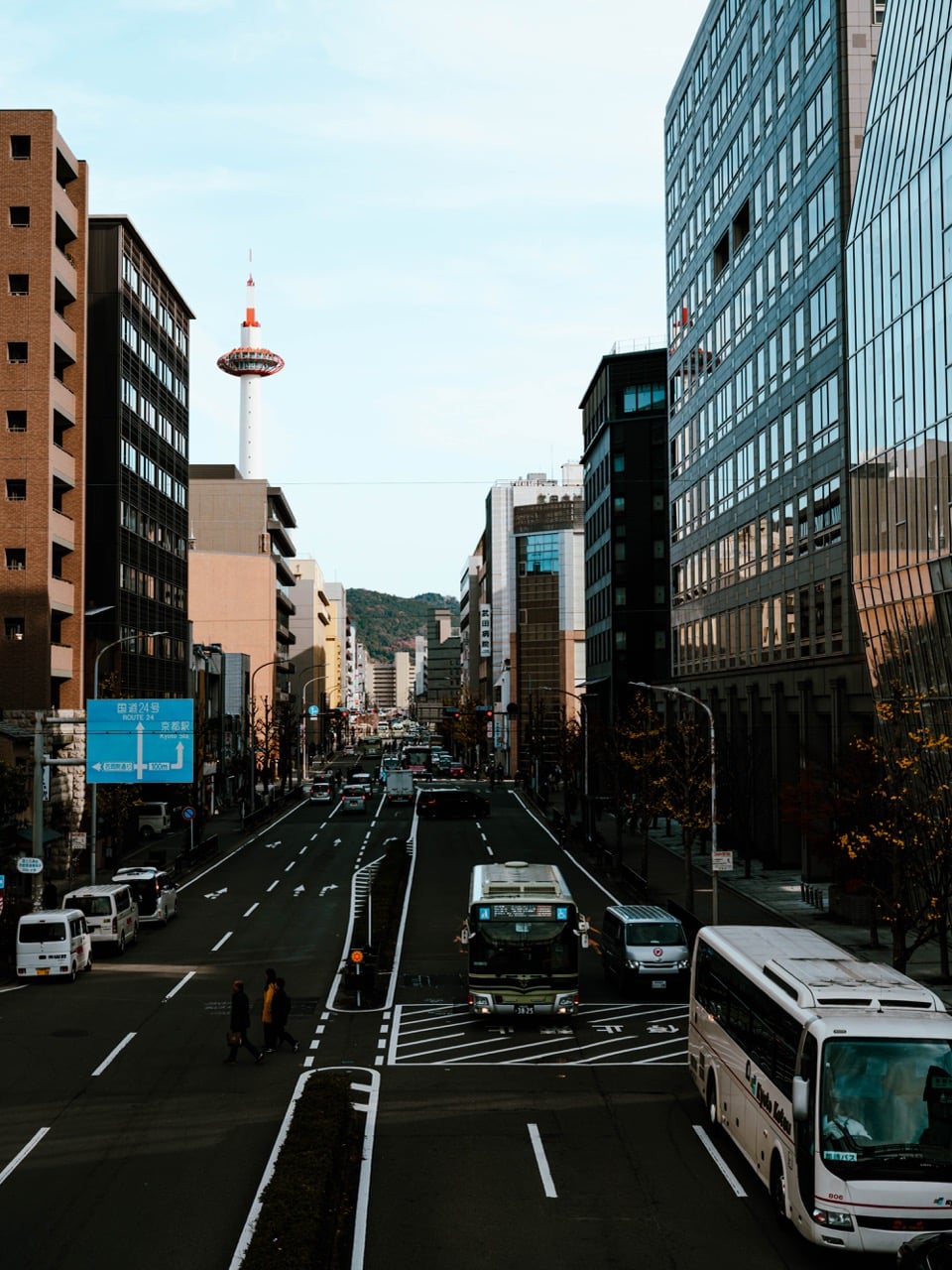
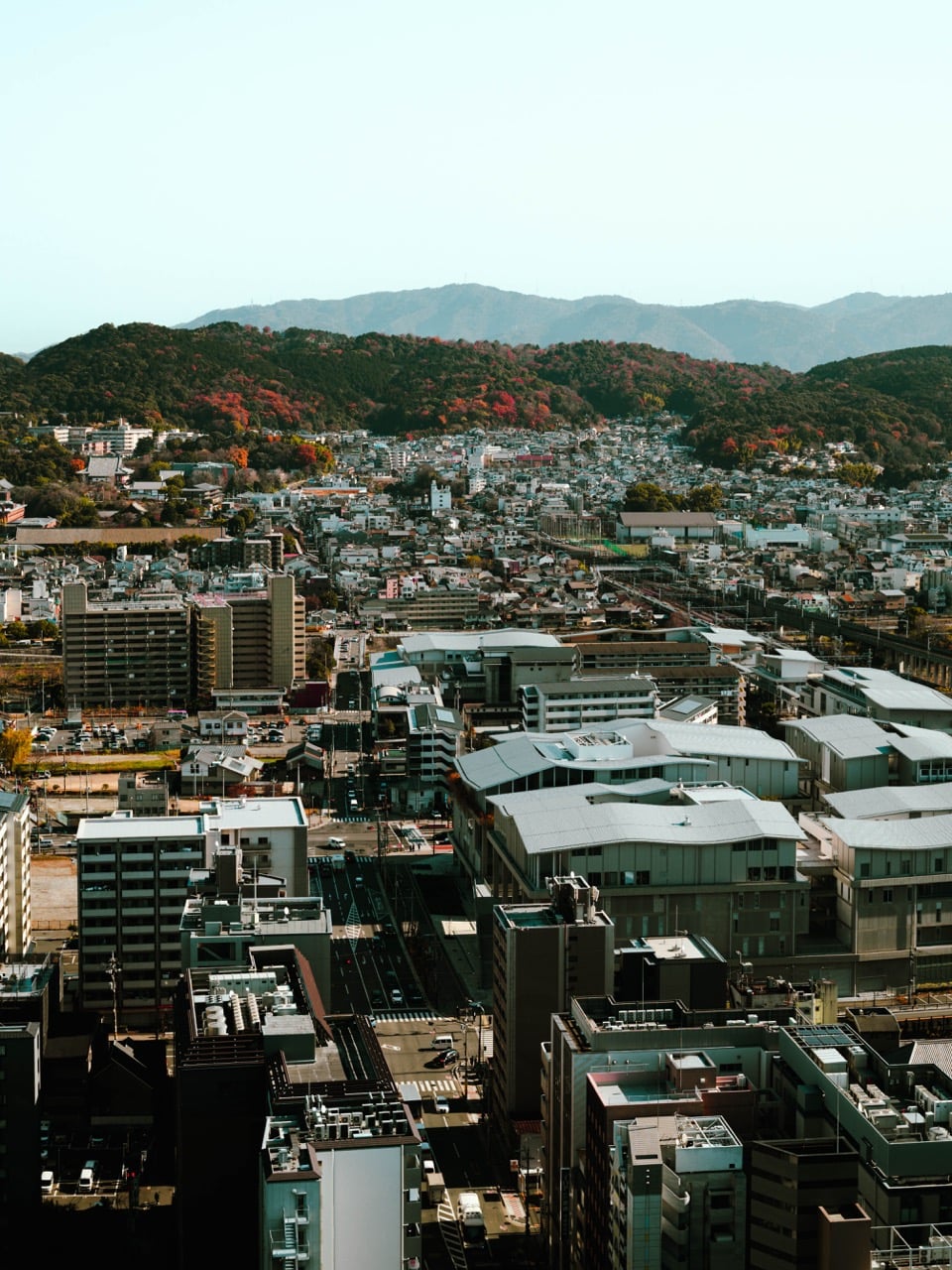
Before visiting Kyoto, I expected the city to be somewhat compact and mostly old-style architecture. The reason is very simple: Because that is most of what I had seen online. So, when I first arrived, I must say that I was a little disheartened.
At some point, though, I just accepted Kyoto for what it is. Yes, parts of it aren’t very beautiful. And I can’t really blame people for wanting to only share the beautiful parts, because they are stunning. But again, don’t expect everything to look like an ancient temple (though there are plenty of those, and lots of wonderful shrines too).
Yes, the Main Spots Will be Crowded
Okay, this one I already knew was going to happen. I had heard horror stories about what it can be like at the bottom of the Fushimi-Inari gates. Kyoto is hardly an off-the-beaten-path destination, and you will notice this when you arrive.
We did experience crowds in all the places we expected, including Kiyomizu-dera. I visited in December, so I can imagine that it would be more crowded during the peak times of the year. I must say, however, that these places are popular for a reason. There were some touristy things I didn’t see, such as the Arashiyama Bamboo Forest, but that’s mainly because neither my girlfriend nor I were interested in going there.
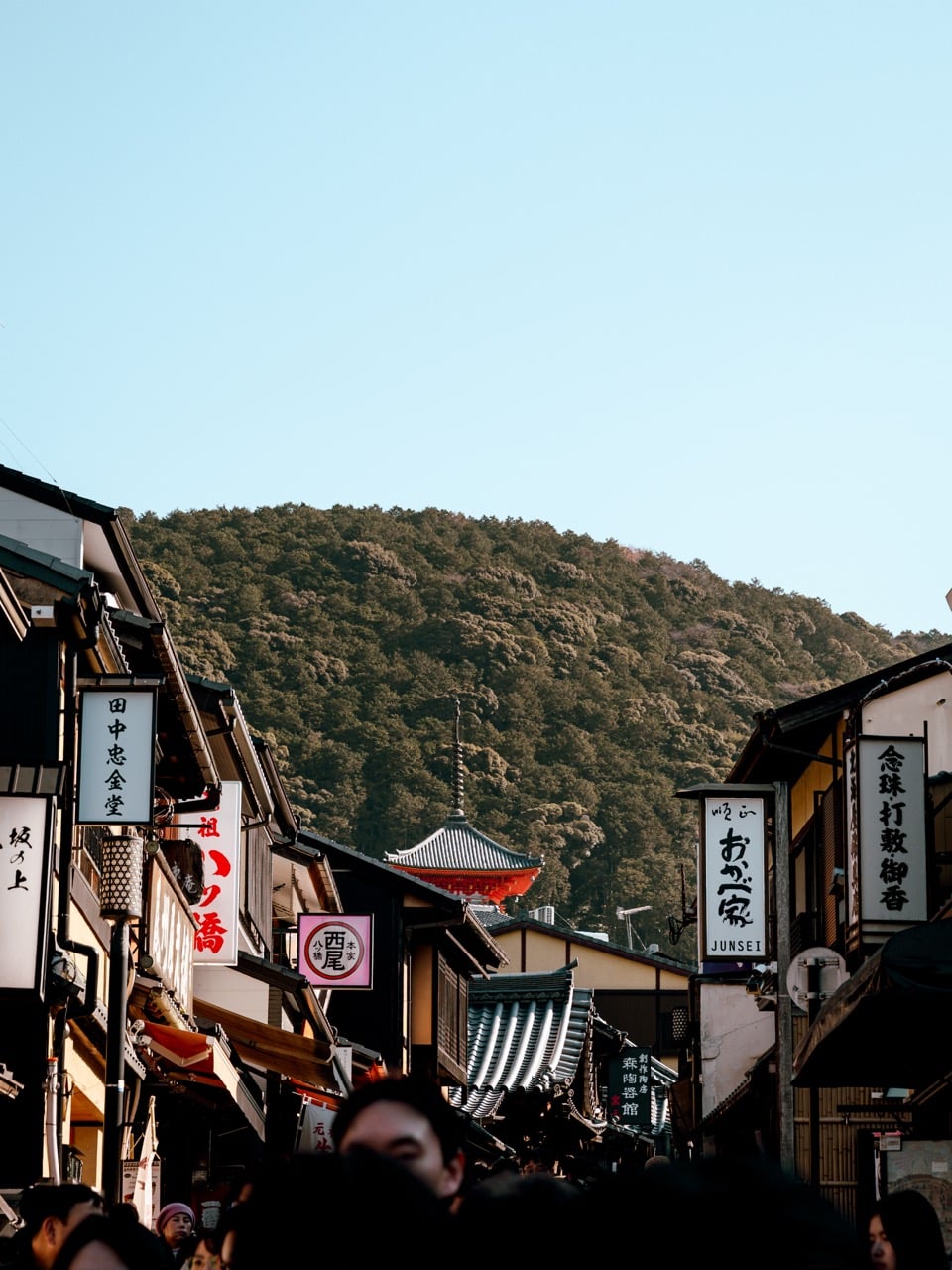
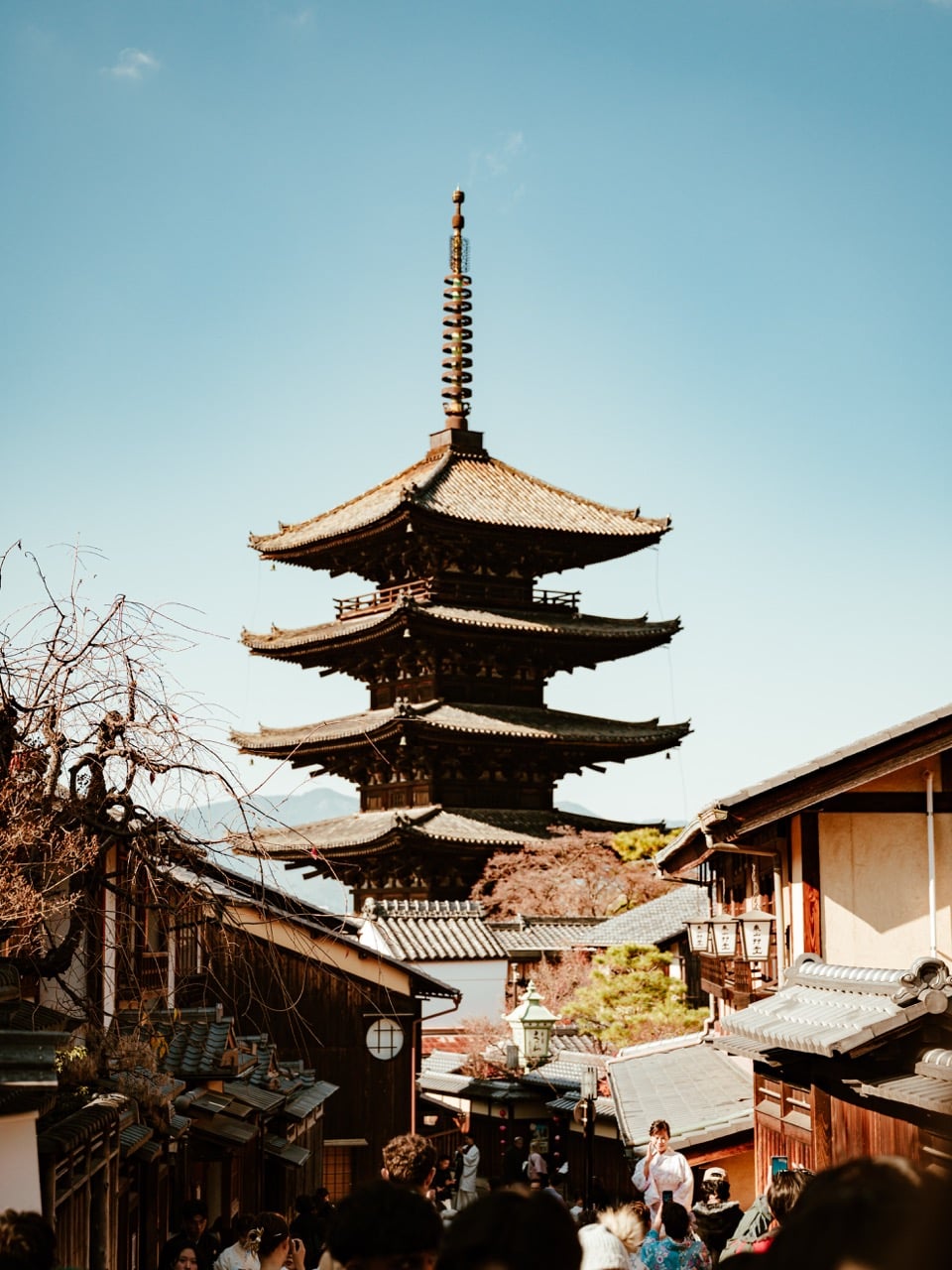
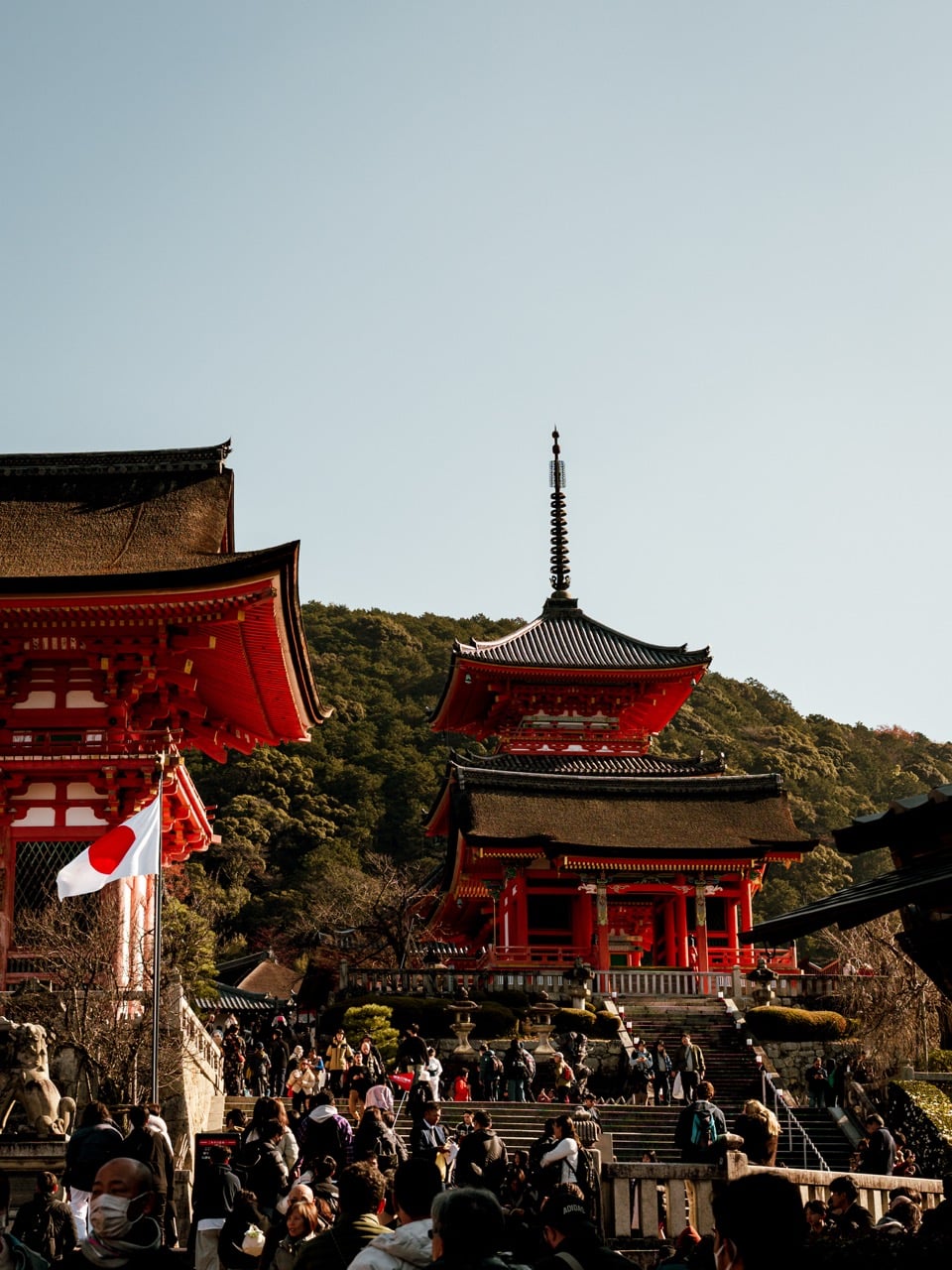
At the same time, Kyoto is a pretty big city. It has thousands of temples and hundreds of shrines, and not all of them are overcrowded. We went to many spots where we were either the only people there or accompanied by very few others. Even in the busy districts and at the main tourist spots, I found it quite easy to find our own places.
… but No, You Don’t Need to Wake Up at 6 am to See Them
This brings me nicely on to my next point. I’ll be completely honest with you: I did not wake up super early on any of the days I was in Kyoto. And yet, I still saw much of what I wanted to—while also finding places of tranquility.
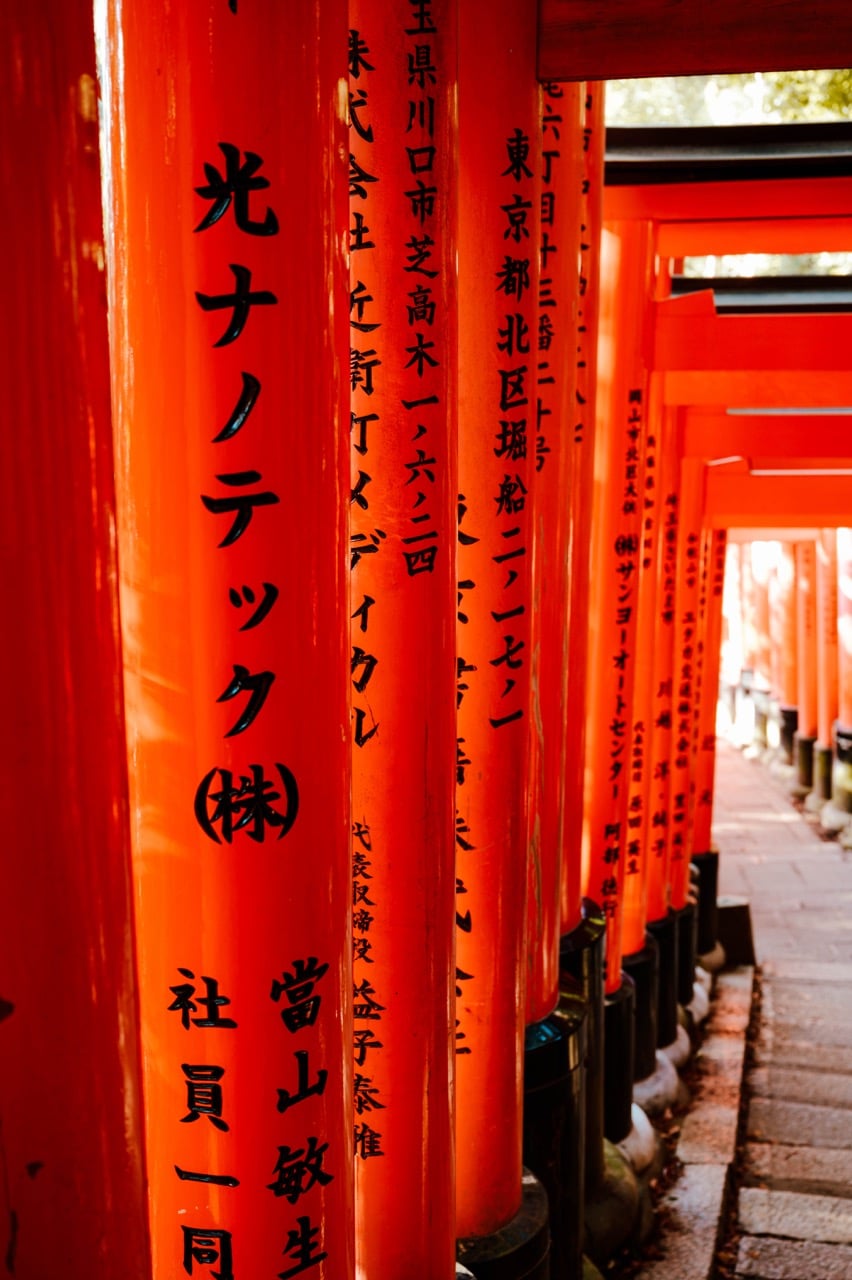
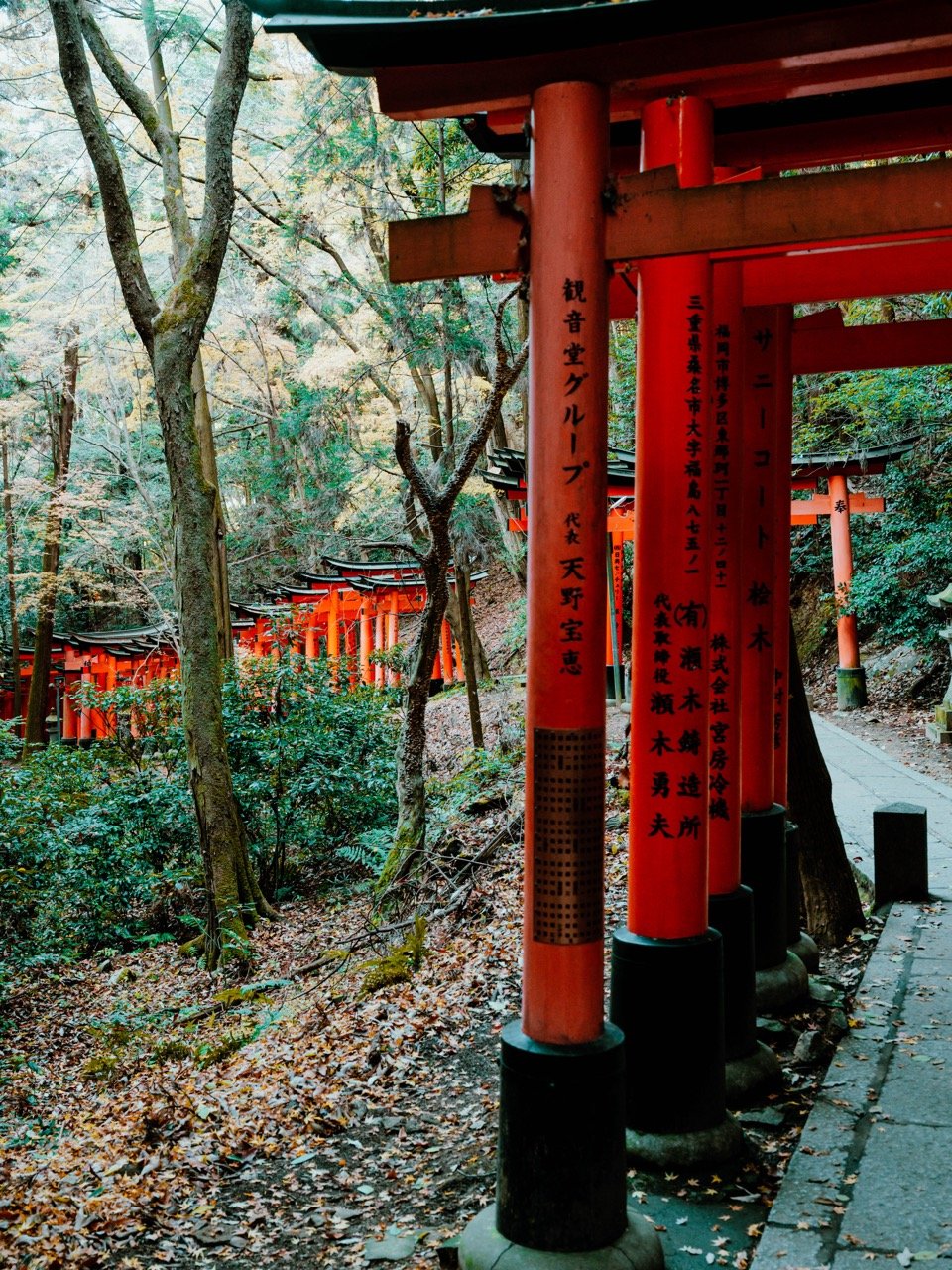
The Fushimi-Inari gates are the perfect example of this. All of the advice I saw before visiting Japan told me to go there early in the morning. We went in late afternoon, so that was the polar opposite of what we were told to do.
When we arrived, it was very crowded. I won’t get around that. The grounds were heaving with people, and this was also the case when we arrived at the orange gates. However, we did the 45-minute walk to the top. After around 15-20 minutes, the crowds had dwindled significantly. We had parts of the gate entirely to ourselves, with the exception of a few people passing through.
You can, by all means, get to these places early. However, you do not need to do that, in my opinion. You absolutely will have bigger crowds during the day, but you often don’t need to do much to avoid them. You’re on holiday; go to these places whenever you want.

Kyoto’s Public Transport Isn’t as Good as Other Japanese Cities
I had heard of Japan’s amazing public transport before visiting, and that absolutely was the case in Tokyo. I have never seen such a well-run city in my life. Our experience with the Shinkansen was also excellent; ditto for the buses we took to and from the Mount Fuji region.
Business as usual, I assumed, when we arrived in Kyoto. Oh, how naive I was.
I found Kyoto’s public transport very disappointing. There are only two Subway lines, for starters. These are fine for some attractions, but not all. The buses are fine, I guess, but crowded. Plus, I mostly hate taking city buses in general.
While I used the Subway almost always in Tokyo (and Osaka), we pretty much relied on Uber for most of the time we were in Kyoto. It cost more, but it saved us the stress of having to try and navigate the city’s public transport network. The local trains are reasonable, but we often found ourselves quite far from these stations and therefore only used them a handful of times.
Obviously, this is subjective. Other Japanese cities have amazing public transport, so the standard is pretty high. Kyoto definitely still has better public transport than other places I’ve been to, but at the same time, it’s not the best.
Kyoto is also bike-friendly, and in hindsight, I would have just rented bikes. Always next time, I guess. 🤷🏾♂️
You Will Spend a Lot of Time Traveling, on That Note
First and foremost, Kyoto is *not* a walkable city. It’s very spread out and actually reminds me of many American cities in this respect. I realized that we were not going to walk to all the places we wanted to visit as soon as I pulled out Google Maps and saw that our hotel was a 50-minute walk from the station.
We did walk a lot while we were there, but this was more because we’re active and like to explore. We didn’t really walk for transportation purposes most of the time.
Even if you take public transport, you will spend more time than you think traveling. This is particularly true if you’re planning to visit multiple parts of Kyoto in one day. For this reason, I suggest spending four days in the city at an absolute minimum.
I’d say to accept this as the part and parcel of visiting the city and choose 1-2 main things you want to see each day. You can then go to other places if you have the time to do so. Do not, however, fill your itinerary and then have to rush around the whole time. It’s not fun, and it’ll be even less fun if you’re visiting while still somewhat jet-lagged and/or on a particularly warm and crowded day.
Contrary to Popular Belief, Kyoto Is Not a “Showcase” City
This, to be honest, was actually a pleasant surprise. I knew that Kyoto was a reasonably-sized city—it has around 1.4 million people living there—but I was expecting it to be more of a showcase place.
By that, I mean like how some European cities largely cater to tourists. With Kyoto, I didn’t really find this to be the case. There obviously are lots of areas that do, but the city feels very “lived in”.
Since people still go about their daily lives here, I liked that it still felt very authentic to me. You’ll find lots of restaurants and bars that locals also go to as well.
When Visiting Kyoto, I Encourage You to Go Deeper
Arriving in Kyoto and treating your trip as a box-ticking exercise is a really good way to ensure that you leave disappointed. I feel this way about a lot of places, such as Paris, but it’s even more true in Kyoto.
I feel like the biggest reason I still (eventually) enjoyed visiting Kyoto is because I went deeper on my trip. For example, we went to a tea ceremony at a temple—which was a super fun experience. When at shrines and temples, I also took the time to observe everything and not just take photos.
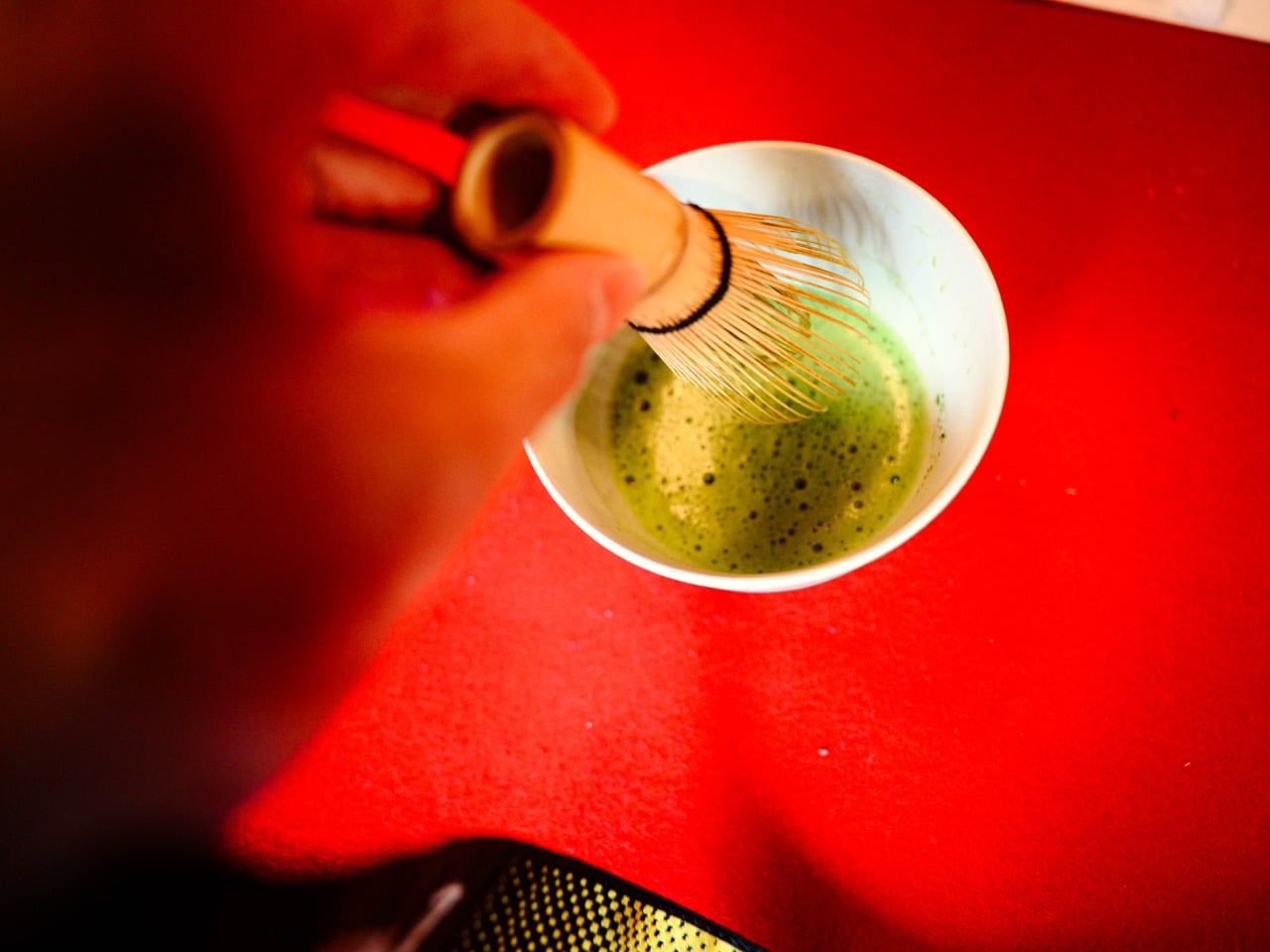
How you interact with Kyoto is entirely up to you. If you want to go to a tea ceremony, do it. If you’d like to rent kimonos, go ahead. You can also visit some of the city’s many museums. I think this is much more fulfilling than simply scratching the surface and visiting just the most popular attractions.
I Still Think Kyoto Is Worth Visiting, but You Need to Set Your Expectations Right
I’m not going to sit here and be like “don’t visit Kyoto”, because that would be an outright lie. Kyoto is one of the world’s most-visited cities for a reason, and you absolutely should add it to your Japan itinerary. When I visit Japan multiple times in the future, I have every intention of also coming back to Kyoto and going even deeper to see more of the city.
Instead, I’m saying that you should set your expectations right and understand what Kyoto is (and isn’t). You will find countless beautiful temples and shrines, and to be truthful, I could happily spend an entire trip just wandering around these. However, you’ll also find a lot of utilitarian architecture and experience worse public transport than in Tokyo.
You also need to determine in advance how you’re going to get out of the station when you arrive. Because let me tell you, trying to work that out while surrounded by people rushing everywhere is not a good idea. Similarly, you should understand that Kyoto is not a compact city by any means—and prepare your itinerary accordingly. Or you can just read my one when I write it, I guess. 🙂
I wrote this guide to give you a grounded view of what Kyoto is actually like, and I hope that you still choose to visit. You can always leave a comment if you have any questions. You can also read my Kyoto itinerary when you’re ready to fully plan your visit.
More Useful Resources for Your Kyoto Trip ⛩️
Find Accommodation in Kyoto: Booking.com / Expedia / Hotels.com / Agoda
Get a Japan eSIM (and 10% off with my discount code DANNYCPH)
Browse Tours, Tickets, and Excursions in Kyoto: GetYourGuide / Viator / Klook