Tokyo, Japan: A Practical Guide to Planning Your Trip
*Disclaimer: This blog is reader-supported, and this page might therefore contain affiliate links. When you book or buy through them, I may earn a small commission at no extra cost to you. It helps me write these in-depth and original guides, so thank you for the support! Full Affiliate Disclosure
There really is no place on this planet like Tokyo. I already knew that I was in for an experience like never before prior to visiting, but Japan’s massive capital exceeded all expectations. I wrote on my Instagram that I think it’s the coolest city in the world, and I firmly stand by that comment.
-ARTICLE CONTINUES BELOW-
Get My Japan Golden Route Guides Delivered to Your Inbox
Save time on researching and get all my Golden Route travel guides delivered straight to your email inbox, plus some extra tips and newsletter updates. Unsubscribe anytime.
However, I have to be honest with you: The practical planning for my trip quickly became overwhelming. I had to figure out multiple challenges, some of which I hadn’t previously thought of. To help you prepare for your trip better than I did, I wanted to write this comprehensive guide.
This is pretty much a summary of everything I had to teach myself for my first trip to Tokyo. And despite condensing it down, it’s still very detailed 🤣. I’ll cover everything you need to know, such as what to expect when you visit, getting around the city, and what I learned after visiting.
I should point out that this guide is specifically to help with practical planning. If you specifically want to find the best things to do in Tokyo, read my dedicated guide to that instead.
Even if You Hate Cities, You Should Not Skip Tokyo
Anyone who knows me in real life (or has consumed my work for a while) will know that I have a love-hate relationship with big cities. I grew up in London, and frankly, I hated living in a city of that size. This, among other things, led to me relocating to first Stockholm and then Copenhagen.
But on the other hand, I do enjoy visiting big cities (though I’d often rather be in nature). My mom is from New York City, and I go there yearly. On top of that, I like going back to spend a weekend in London. When planning my trip to Tokyo, I knew that I wanted to visit—but to be honest, I was a bit worried that it would be too chaotic.
As it goes, those worries weren’t necessary. Tokyo feels like a major city size-wise, but I was taken aback by how peaceful it was. I know that Japan in general has a reputation for being well-organized, but Tokyo surprised me massively in this respect.
Even if you dislike big cities, I still recommend visiting Tokyo. It’s very different from many of the world’s other metropolises, and I say this as someone prone to sensory overload. Regardless of your travel style and your personality, Tokyo has something for everyone.


The 5 Biggest Challenges I Personally Had When Planning My First Tokyo Trip Were…
Just because I think Tokyo is worth visiting does not mean I had an easy time planning my trip, as I mentioned in the intro. I encountered a number of challenges and had to teach myself how to overcome them. Some of the biggest ones are below.
1. Figuring Out How to Get Around Tokyo
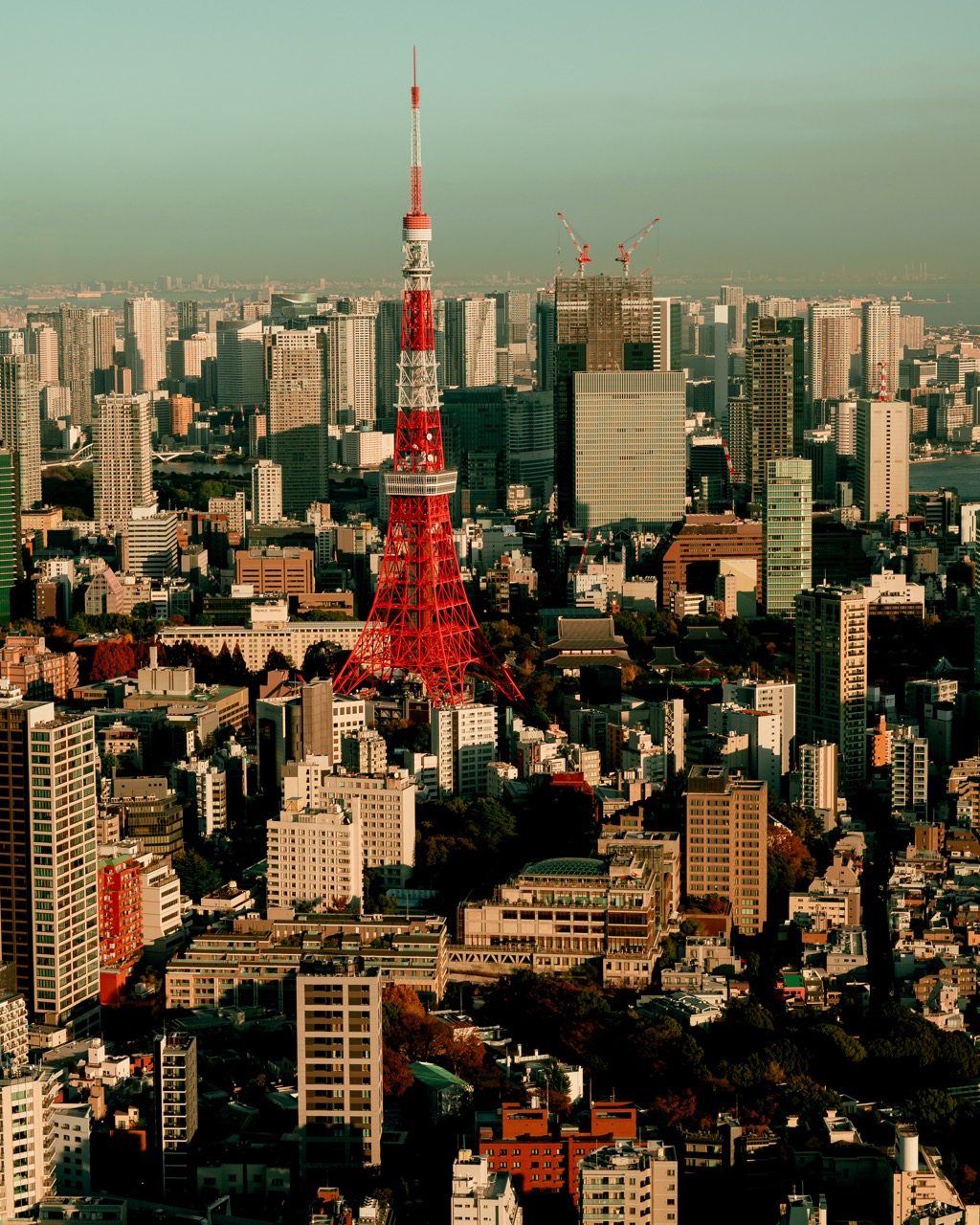
In the article I wrote about visiting the Skytree, I emphasized how being at the observation deck made me realize just how big Tokyo is. And when I say this, I’m not exaggerating: Tokyo is huge. Until Jakarta overtook it in late 2025, Japan’s capital was the biggest metropolitan area in the world by population.
I am, as a born-and-bred Londoner, used to getting around big places. But at the same time, visiting anywhere new always comes with a learning curve. I had heard before that the Metro lines in Tokyo were run by different companies, which is different from London, where TfL operates the Underground. Trains in London (and the UK) are run by multiple companies, though, so perhaps this shouldn’t have been as big a concern.
Before visiting Tokyo, I also wasn’t sure if I would need different types of transport—or if the Metro would get me everywhere. On top of that, I had heard that some of the stations in Tokyo were gigantic; naturally, I wanted to avoid leaving via the wrong exit.
2. Determining Where I Should Stay in Tokyo
Once I’ve visited a place once or twice, I generally have a good idea of where I want to stay for future trips. But of course, things were different with my first trip to Tokyo. I knew that we’d likely have to travel regardless of where we based ourselves, but at the same time, I wanted to be close to the main things we wanted to do.
At the same time, I did *not* want to be too close to the most popular spots. For example, I had little interest in being right next to the Shibuya Crossing or Shinjuku. And when we went to both of these, I basically validated my own decision.
Since we were traveling as a couple, we also wanted to have some level of comfort. I used to travel in hostels throughout my early twenties, but to be honest with you, I’m past those days.
Tokyo has an excellent range of accommodation for all budgets, but we still wanted to pick something good. And to be honest, we booked and cancelled multiple stays throughout the planning phase.

3. What I Should Prioritize as Absolute Must-Experiences
Unless you stay for weeks, months, or years, you aren’t going to experience everything in Tokyo on your first trip. We had two weeks in Japan overall and spent five nights in Tokyo. We knew that we’d be jet-lagged for some of those days, too, and we were flying out of Osaka on the way back to Europe.
I also knew from experiences traveling elsewhere that when we arrived, we would inevitably find new things we wanted to do that we otherwise didn’t know about. To ensure that we got the most out of the trip, this meant needing to prioritize our absolute must-do experiences.
We actually did a pretty good job with this. Both of us decided on our “hell yes experiences”, which we made every effort to fulfil. If we then had time afterward (which we did, thankfully), we could then focus on some of the other experiences we hadn’t placed at the top of our list.


4. Figuring Out How to Transport My Luggage Around Tokyo
Avoiding a culture shock on my first trip to Japan was not going to happen, and to be honest, the main reason I visited was *because* I wanted to experience something different. When researching for my visit, I quickly realized that the country (and by extension, Tokyo) has a number of customs that foreigners can easily miss.
Luggage is one of those aspects. We actually saw in Kyoto that large luggage isn’t allowed on buses because there simply isn’t enough space. Tokyo was much easier (for the most part) to transport luggage around than I expected, though I will definitely use Japan’s luggage transfer services when I revisit.
5. Learning How to Get Food While in Tokyo
I know that this seems silly, but… I was absolutely clueless about how we were going to get food in Tokyo. I had no idea if we needed to book reservations everywhere or just at the big places. On top of that, I also wasn’t sure if the language barrier would be too much of an issue.
I had read online that hotels are happy to book restaurant reservations for you, but I also wasn’t sure if we had left things too late (or if we even needed to book). For context, our trip to Japan was very spontaneous.
We’d definitely have been fine with 7-Eleven, Lawson, and Family Mart, to be honest. Japanese convenience stores are unreal. But we also got to try a lot of different food places in Tokyo, and it was honestly more straightforward than I expected.
Let’s Start With the Basics: How I Recommend Arriving in Tokyo
Tokyo has two main airports: Haneda and Narita. Haneda is significantly closer than the latter, but to be honest, it was more about convenience when booking flights. We flew with Finnair from Helsinki (my girlfriend is Finnish, so we spent a night in Helsinki before continuing to Tokyo).

Even with jet lag and my body not realizing that I was in Japan, getting from Haneda Airport to Tokyo was incredibly easy. We bought our tickets for the subway at the airport and could pay by card. The staff were incredibly helpful.
From the airport, the journey to our hotel was a single subway ride. We needed to stay on the train as it switched to a different line, but it was all very simple. I trash-talked Google Maps on a previous trip to Paris, but for Tokyo, it’s very good—especially for public transport.
While Narita is around 50 miles from Tokyo, it’s still easy to get into town—albeit slower. The Limousine Bus, which can take you to several hotels in Tokyo, is one option. Alternatively, you can take the Narita Skyliner train. It takes 36-45 minutes and is faster than the Limousine Bus. You can easily get around Tokyo once you arrive in the city from any of the stops that the Narita Skyliner stops at. It’s also possible to buy Narita Skyliner tickets as an extension to multi-day Tokyo subway passes.
Important Things to Know When Using the Tokyo Subway With Luggage
I mentioned earlier that you can use luggage transfer services in Tokyo, which is a good idea if you have lots of big suitcases. If not, you can take your luggage on the subway… but you’ll need to be considerate of others.
Some of the platforms at subway stations in Tokyo are narrow, and you should board at the back carriage if you have luggage with you. We did this each time we took our luggage with us in Tokyo, along with Osaka.
As you can imagine, the Tokyo Subway can get quite crowded during rush hour. I love Japan, but when I say that Shinjuku Station at 08:30 is one of my least favorite places in the world, I’m not joking. If you’re traveling with luggage, I’d generally avoid the subway at rush hour. Instead, you should either use the luggage transfer services or take a taxi.
What to Expect When You Arrive in Tokyo
To help you further prepare for your trip to Tokyo and not get completely caught off-guard, I’ve added some of the main things you should expect when you arrive below.
1. Despite Being Huge, Tokyo Is Actually Quiet
While Japan is very orderly, I was still expecting Tokyo to be as loud as other major cities. This, however, was far from the case. Walking around Tokyo honestly felt like I had noise-canceling headphones.
On the subway, you will not hear anyone speaking on the phone or playing music. I whispered to my girlfriend while we were on there and still felt like I was speaking too loudly 😅. Not that I’ll complain, though; that’s precisely how public transport should always be, in my opinion.
People in general don’t speak very loudly, and there’s a huge emphasis on personal space and respect in both Tokyo and—more broadly speaking—Japan. Even though we live in Scandinavia, where silence is golden, Tokyo was on another level.
Tokyo also has a lot of electric vehicles, and I thought that even the emergency vehicles were relatively quiet. I also heard literally like one person honk their horn for the entire five days I was there. The level of inner peace I felt in the city was honestly the most pleasant surprise of the entire trip.

2. You Will Struggle to Find Public Trash Cans
I already knew this would be the case to a certain extent. Due to a sarin gas attack on the Subway in 1995, you’ll find almost no public trash cans. Be prepared to carry all your trash with you, and definitely bring a plastic bag or something else to hold everything. I wasn’t thinking about this on our first few days, despite the many 7-Eleven snacks we had.
From personal experience, I found that 7-Eleven was more reliable for trash cans. However, it still wasn’t a universal guarantee—and you should only use these when you’ve bought something from these shops. For what it’s worth, we also spotted no public trash cans in Kyoto, Kawaguchiko, or Osaka.
This has somewhat changed since my first visit, though. From April 2026, businesses in the Shibuya Ward have to install public trash cans (along with managing them).
Oh, and you shouldn’t litter under any circumstances. Besides being disgusting and inconsiderate, the potential fines for doing so are heavy. You’ll notice when walking around that Tokyo is incredibly clean; I knew this place was different when I saw someone mopping the floor outside a Family Mart on my first morning.
3. Don’t Rely on Street Names
Perhaps the biggest difference for me to grasp when visiting Tokyo, compared to the West, is how most of the city’s streets don’t have names. This is the case throughout Japan, and it’s because the country uses a completely different addressing system.
To be honest, I never really paid attention to the specific addresses in Tokyo. Instead, I either used Google Maps to navigate, or—if I spontaneously found something—saved it as a favorite. I didn’t feel lost when doing this, and it’s one of the main reasons I suggest having an eSIM when you visit Japan.
Many of the main tourist streets have specific names, but not knowing these wasn’t too much of an issue.
4. There Isn’t Any Soap (or Way to Dry Your Hands) in Public Toilets on the Subway
Two things surprised me about public toilets on the Tokyo Subway. The first was how clean they are, and the second is that they don’t have any soap or dryers.
I noticed people with their own small towels during the first few days, and it was quickly evident why. Bring some soap and a towel from your hotel to fully clean and dry your hands.
Compared to many places, you can use the toilets at subway stations in Tokyo for free. However, they are on the other side of the ticket barriers—so you’ll need to be traveling somewhere to use them.


Getting Around Tokyo: The Subway Will Quickly Become Your Best Friend
I’ve traveled to 30 countries and have been to some incredibly well-run cities, such as Zürich and Stockholm. Tokyo is the best-run city I’ve ever visited, and it’s not even a contest.
Tokyo’s subway system is incredible. It’s punctual and will get you almost everywhere you need to be. In the rare instance that the Subway can’t help, you can take normal trains. Buses run in Tokyo, but we didn’t use any for our entire trip.
All Subway trains will show station names in English and Japanese. You’ll also see multilingual signs at each station.
I recommend getting a subway pass if you’re in Tokyo for an extended period; you can get 24, 48, and 72-hour tickets, with add-ons for the Narita Skyliner if needed. Only once on my trip did I need to buy a JR ticket to get where I needed to be instead of using the subway pass, which was at Nippori Station.
If you don’t get a Tokyo subway pass, you can use a Suica or PASMO card to pay for public transport. You can get these in your Apple Wallet if you have an iPhone.
For non-Japanese Android devices, you’ll need to use a physical card instead; you can pick these up from Narita/Haneda Airports or at JR stations in Tokyo. Your best option in this instance is to buy the “Welcome Suica” card (more info here) at either of Tokyo’s main airports, which is designed specifically for visitors.
When using Suica or PASMO, you can top up your physical card at convenience stores or ticket machines in JR stations (cash-only). If you have an iPhone and use the digital version, you can top up on your device with Apple Pay.
One Note on Subway Lines and Stations…
While Tokyo does have multiple subway lines, I didn’t pay a huge amount of attention to them. Everything is interconnected very well, and Google Maps was helpful for showing us precisely where we needed to go.
On that note, you’ll also see multiple exits at a number of stations throughout Tokyo. Google Maps will tell you which one you need to use. When on the Subway, you can see the most important attractions and whatnot next to each exit, too. You shouldn’t have too many issues once you get used to it.
The Tokyo Subway does not run 24 hours, but we didn’t stay out late on any of the nights we were there. If you plan to, taxis are widely available in the city. You can order Uber in Tokyo, too.

Tokyo Is Busy, but Not Everywhere Is Crowded
You’ve almost certainly seen photos and videos of places like the Shibuya Crossing when planning your Tokyo trip, and I can’t deny that the city is busy. However, the crowds are not evenly distributed throughout the Japanese capital. To be honest, I found it very easy to avoid most of the crowds in Tokyo.
I expected crowds at the Shibuya Crossing, and frankly, that’s literally the whole point. I’d have been disappointed if we hadn’t seen lots of people. The Skytree was also busy when we went there, but it was lots of fun, so I didn’t care.
We visited plenty of neighborhoods that weren’t too busy. For example, we found Nezu relatively chilled. Even the popular Nezu Shrine wasn’t overly crowded; we went there around mid-afternoon.
The banks of the Sumida River were also quite peaceful, especially at night. Some parts of Shibuya and Ginza were incredibly busy, but I actually found other districts—such as Daikanyama—laid-back.
I’m sure our experiences would’ve been different in some cases during the summer. My first trip to Tokyo was in December, so this definitely played a role. But even in this gigantic city (or perhaps because of it), I never found it difficult to find space for myself when needed.

If You Don’t Speak Japanese, Don’t Worry About Getting Around Tokyo
It definitely is true that little English is spoken in Tokyo, and I expected this to be the case. While I did some Japanese Duolingo lessons before the trip and picked up some key words, I was by no means fluent.
The language barrier was nowhere near as scary as I thought it would be, though. Most restaurants we went to had English menus, and when this wasn’t possible, I just used Google Translate and took a picture instead. Pointing at what you want also works.
In many restaurants, we actually ordered via screens. All of these had English options.
People spoke English at most of the tourist attractions, and everything was translated where necessary. When we went off the beaten path, English proficiency was naturally lower—but again, we didn’t have problems.
I’ve heard things about some places refusing foreigners, but to be honest, we did not have this issue.
Let’s Talk About Money in Tokyo.
I think this was the trickiest thing for me to figure out beforehand. I live in a very expensive country, and I have the tendency to think the rest of the world is just as pricey. Add to the fact that most of my travels generally are throughout Northern Europe, and you can see how this quickly skews my thinking. 😄
Tokyo Isn’t *That* Expensive, IMO
I had heard that Tokyo used to be more expensive than it currently is, which is largely due to a favorable JPY rate for foreigners. And to be honest, I didn’t find Tokyo massively expensive. Compared to London, Copenhagen, and NYC, it was very affordable, by and large.
If you’re visiting from the US, Australia, Canada, or Western Europe, you’ll probably find Tokyo quite affordable. Of course, this is all relative; it might feel a bit pricey if you’re coming from somewhere with a cheaper cost of living than those aforementioned countries. Even with accommodation, I felt like we got a good deal.


How Much We Spent on Things in Tokyo
Before going into our average costs, I should give some context…
- We didn’t eat at fancy restaurants and were okay with this.
- We visited a handful of attractions, such as the Sky Tree.
- I bought one souvenir, which was a coffee table book that cost around $60.
- These prices may have since changed by the time you read this due to inflation and the like.
For five nights in Tokyo, we paid ¥80,564 for our hotel. This translates to just over $500 in USD. For context, we stayed at the Comfort Hotel ERA Tokyo Higashi Kanda. I’m sure we would’ve spent more if we visited during the peak season, and I did see some more expensive hotels that we also considered.
Most of our meals out in Tokyo were ramen. For these meals, we paid ¥1,100 to ¥1,800 ($7 to $11.50) per person. The higher end of the scale included starters and drinks, but ramen itself was very affordable. Some people could get bored with ramen, perhaps, but I am not one of them, and neither is my girlfriend.
Attractions varied massively. The Sky Tree was the most expensive place we visited, which cost around $18 in person (I did the conversion from DKK because I bought these in advance via Klook).
As I mentioned earlier, I used a subway pass. However, single-journey tickets cost between ¥180 and ¥330 (roughly $1.15 to $2.10).
We went to a few nice coffee places, with a cup costing around ¥700 per person (c. $4.50). We definitely could’ve found cheaper alternatives, but both of us like good coffee. So, we wanted to spend more.
For what it’s worth, I found Tokyo more expensive than Osaka but cheaper than Kyoto. We went to numerous free attractions, such as the viewpoint at the Asakusa Tourist Information Center, and also ate convenience store food much of the time. This was more because we wanted to try everything, though, rather than being for cost-cutting purposes.

Cash and Card Are Both Necessary for a Full Tokyo Experience
Because I’m stubborn, I first thought that we’d be fine navigating Tokyo with just card payments. And for the first few days, I was right.
That is, until we kept missing out on food experiences that were cash-only.
Many places accept card payments, but this is not universal with smaller establishments. You need to have some cash with you; I recommend taking out ¥10,000 (c. $63) from ATMs and withdrawing more when needed. You should also use a card with fewer exchange fees, such as Wise.
Yes, I know—it’s annoying to carry cash around. That’s what I said to myself, anyway. But at some point, I turned around and said: “ngl, not experiencing Tokyo to the fullest would be more annoying”.
If You Can, the Off-Season Is a Lovely Time to Visit Tokyo
While I would not have turned down the opportunity to visit Tokyo for the first time in any instance, I’m glad that I got to visit in December. As it goes, this was an amazing time to be in Japan’s capital city.
First and foremost, I do not deal well with hot weather. Tokyo is very hot and very humid during the summer; you can see where I’m going here. In December, temperatures were still comfortable; each day was between 11ºC and 17ºC during the day (c. 51.8ºF to 62.6ºF). Nights were slightly colder, but I didn’t need heavy jackets and the like.
While Tokyo will never be empty, there were also much fewer tourists than if we had been there during the summer or the Cherry Blossom season. You’ll have a great time regardless of when you visit, but I do recommend the off-season if possible.
Navigating Tokyo’s Food Scene
Tokyo has so many good food options that it’s difficult to know what you should and shouldn’t prioritize. Neither of us are that keen on fancy restaurants, and as a result, we felt it was pointless to visit these.
To be honest, we ate ramen for the majority of our meals. Most of the time, we simply needed to either wait in line or order from the machines. At lunchtime in the main districts, queues were often long—but we always found somewhere to eat when needed.
One very important thing to mention right now: When you see “sour” on the drinks menu, it’s alcohol. I found out very quickly after my first lemon sour had me almost wobbling at 2 pm.
The longest we had to wait in line was to try conveyor belt sushi, which we mainly did for the experience. We went at lunchtime, and it took us around 30 minutes to get served. Whenever we wanted something simple, we always had a convenience store nearby. Onigiris and egg sandwiches will take you far, as it goes.
To be honest, we found most of our food places in Tokyo by simply going to whatever looked good. We did some research for places beforehand, which I do recommend, but walking around and finding places that interest you is also smart.

How Long Should You Spend in Tokyo?
We spent five nights in Tokyo and didn’t do any day trips. I would have liked to also go to the likes of Kamakura, which I will if we return. But since this was my first-ever visit, I wanted to focus specifically on Tokyo.
In my opinion, five nights is a solid amount of time for a first trip to Tokyo. But to be honest, it’s even better if you can stay longer. I would happily have spent a few weeks purely in and around the city if time had allowed.
If you want to do a couple of day trips, I’d try to stay for six or seven nights if you can. Obviously, this will depend on what else you plan to do in Japan and how many other places you’d like to see.
Where We Stayed in Tokyo
For both me and my girlfriend, Comfort Hotel ERA Higashi Kanda was ideal for our needs. We like to balance being centrally located without too much noise or chaos, and this met our needs. We were close to multiple Subway stations, and getting everywhere was very straightforward.
The hotel had an easy check-in process, and our room was a decent enough size for two people. Like other Comfort Hotel establishments, it was no-fuss but a nice stay.
Since earthquakes are a regular occurrence throughout Japan (including Tokyo), I also wanted to find something built after 1981. That year, it became mandatory for buildings to tolerate intensity 6 earthquakes without collapsing. I put a lot of research into this before booking, and if this is a concern to you, I recommend doing the same.
Kanda is a big area that covers most of the city center. When I return to Tokyo, I’d be happy to stay in the hotel that we did again. However, I would also be fine with staying in a number of other areas that are close enough to the main sights. These include:
- Nezu
- Asakusa
- Ginza
- Yanaka
- Kameido
- Shibuya (some parts are busy, but others are quite relaxed)
If you want to be right in the middle of everything, you can also choose to stay in Shinjuku. I personally found Shinjuku too overwhelming to want to stay there, but your mileage may vary.

Staying Connected in Tokyo
Public Wi-Fi is available in Tokyo, and my girlfriend used it a few times. However, connecting often felt like a bureaucratic process. The internet speed itself wasn’t great, either. In the end, we just ended up using my eSIM—which was a much better choice. For context, I used Saily.

When you’re not out exploring, you’ll almost certainly have free Wi-Fi at your accommodation. At our hotel, this was pretty good, and I had no complaints. Many cafés will also have free Wi-Fi for you to connect.
What I Recommend Packing for Tokyo
For the most part, I recommend packing the same clothes you’d wear in any major city. Whether you pack light or heavy will, of course, depend on when in the year you visit.
Above all else, you 100% should bring a comfortable pair of shoes. Every day, you will walk a lot. A nice pair of sneakers should do the job.
We didn’t have an issue with dress code at any of the places we ate at. However, you’ll need to show up in smart-casual clothing if you go to some of the fancier restaurants in the city. Many people in Japan use umbrellas when it’s raining, and from personal experience, the hotels we stayed in throughout the country were happy to provide these.
The Biggest Things I Learned After Visiting Tokyo for the First Time
To help you prepare even better for your trip to Tokyo, I’ve shared some more of the biggest lessons I learned after visiting.
1. Tokyo Is Effectively a City of Multiple Towns and Villages
The best way to explore Tokyo is by doing so in tiny chunks. The city is effectively a collection of several towns and neighborhoods, and you’ll notice this when you’re getting around. It felt like we were in an entirely different world each time we left the Subway.
On a day-by-day basis, I’d recommend picking a couple of areas close to each other. You can then go into as much detail by really exploring these, and if you still have time, you can always go somewhere else. Personally, I found this the most rewarding way to visit; Tokyo really is not a “box-ticking” city.
2. Even if They Don’t Speak Much English, People Are Happy to Help
I found people in Tokyo to be super helpful whenever it was obvious we were lost. For example, we were at Shinjuku Station one morning and had no idea where to go. I was visibly stressed, and an older man asked if we needed help before reassuring us that we were on the right platform.
We had multiple experiences like this in other parts of Japan, too, such as Nara. The staff at Subway stations were always very helpful as well. If you need help, you will almost certainly find it.

3. Breakfast Isn’t Really a Big Thing in Tokyo
When traveling, we normally like to start our day with a nice breakfast or brunch. However, these aren’t really a big thing in Tokyo. Most of the time, we actually just went to our local 7-Eleven or Lawson and got some quick and easy food.
We did, however, find a couple of nice bakeries and cafés. Many hotels also offer breakfast if you want to eat there before going out to explore. There are always options, but not as many as I’m used to when traveling in—for example—Europe.
4. Lots of People Cycle in Tokyo
Another huge thing that surprised me about Tokyo is how it has a relatively big cycling culture. You’ll find bike lanes in most places, and a lot of people commute by bike. I was very impressed by the cycling infrastructure, and I say this as someone who lives in Copenhagen.
Compared to other cities I’ve visited, I also didn’t see any erratic behavior from cyclists. The Japanese culture of politeness and respect still continues here, it seems. The city has a number of bike-sharing services that you can use if you want to explore on two wheels.


5. Tokyo Is Unbelievably Safe
I already knew that Tokyo would be very safe before visiting, and this was confirmed to me when we visited. We never felt threatened at any hour, and while I had heard before that some people aren’t nice to foreigners, this was not true from my own experiences.
I never felt at risk of even petty crime, such as pickpocketing. However, you should obviously keep an eye on your belongings and not do anything that you wouldn’t do elsewhere. We paid a bit of extra attention at the Tsukiji Outer Market, but even then, I never felt threatened.
Final Thoughts
Tokyo is one of those places that you’ll not only love visiting, but you will think about daily when you leave. I’ve lost count of how many times I’ve searched for flights on Skyscanner since returning, and I’m already eager to return.
A city as big as this, though, definitely takes some planning. I learned a lot on my trip and also know that it can be overwhelming to plan in advance, which is why I wanted to put together this simple guide.
Hopefully, now that you’ve read this article, you have a better understanding of the practical tips you need for your first trip to Tokyo. You can always leave a comment if you need more help.
Pin for Later 📌


