Here’s How I Recommend Spending 3 Days in Tokyo as a First-Timer, Based on My IRL Experiences
*Disclaimer: This blog is reader-supported, and this page might therefore contain affiliate links. When you book or buy through them, I may earn a small commission at no extra cost to you. It helps me write these in-depth and original guides, so thank you for the support! Full Affiliate Disclosure
If I’m completely honest with you, I did not expect to enjoy visiting Tokyo. I normally am not the biggest fan of big cities, and frankly, I often find them overwhelming. It’s precisely why I moved away from London, despite growing up there. At the same time, it would have been foolish to visit Japan and *not* spend some time in Tokyo—especially when our flight landed at Haneda Airport anyway.
-ARTICLE CONTINUES BELOW-
Get My Japan Golden Route Guides Delivered to Your Inbox
Save time on researching and get all my Golden Route travel guides delivered straight to your email inbox, plus some extra tips and newsletter updates. Unsubscribe anytime.
Despite my initial skepticism before we arrived, life has a fun way of throwing up some surprises. I absolutely loved Tokyo, and I’ve pretty much thought about returning every day since I came back from Japan. That’s eight months and counting, by the way, between me coming home and writing this article.
You’ll probably also arrive in Japan’s sprawling capital, and even if you’re flying to Osaka instead, I strongly recommend allocating at least some of your time to Tokyo. You won’t see everything in three days, but I do think that you’ll have a lot of fun if you’re willing to prioritize.
To help you get the most out of your limited time in Tokyo as a first-time visitor, I’ve put together this itinerary. All of my recommendations are based on my real-life experiences exploring the city, and I’ve also drawn upon my knowledge of going elsewhere in Japan. Because, let’s face it, you will also want to see other parts of the country while you’re here.
In addition to giving you this handy itinerary, I’ll also include some extra useful information.
Before We Start: Some Useful Tips for a Short Trip to Tokyo 🗼
Since 3 days isn’t a huge amount of time to spend in Tokyo, I wanted to add some extra tips to help you get around more easily. By following these suggestions, my aim is that you’ll spend less time stressing and more time experiencing the Japanese capital.
The Subway Is Your Best Friend 🚇
My girlfriend and I used the Subway *a lot* while we were in Tokyo. It’s one of the best in the world, and I personally found it quite easy to navigate. Google Maps was incredibly useful in this respect for figuring out which exits to take, as many of the main stations are huge.
Getting a Subway pass will cover you for most of the places you need to be. Only once did we need to use a JR train instead within Tokyo; otherwise, the Subway was the way to go. You can order a pass in advance and redeem the physical version when you arrive. This is what we did, and it was super easy.
Pick a Centrally-Located Hotel 🛋️
I say “centrally-located” somewhat loosely, given the size of Tokyo. What I mean, however, is to stay somewhere in one of the main districts. Ideally, you also want to be close to a Subway station (though, in fairness, this is much of the city).
For what it’s worth, we stayed at the Comfort Hotel ERA Higashi Kanda. It was very easy to get around Tokyo from here; we had a few Subway stations within easy walking distance. Our room wasn’t fancy, but it got the job done. The hotel’s price was pretty affordable, too. We had no issues in the five nights we were here.
Explore Tokyo Area-by-Area 👣
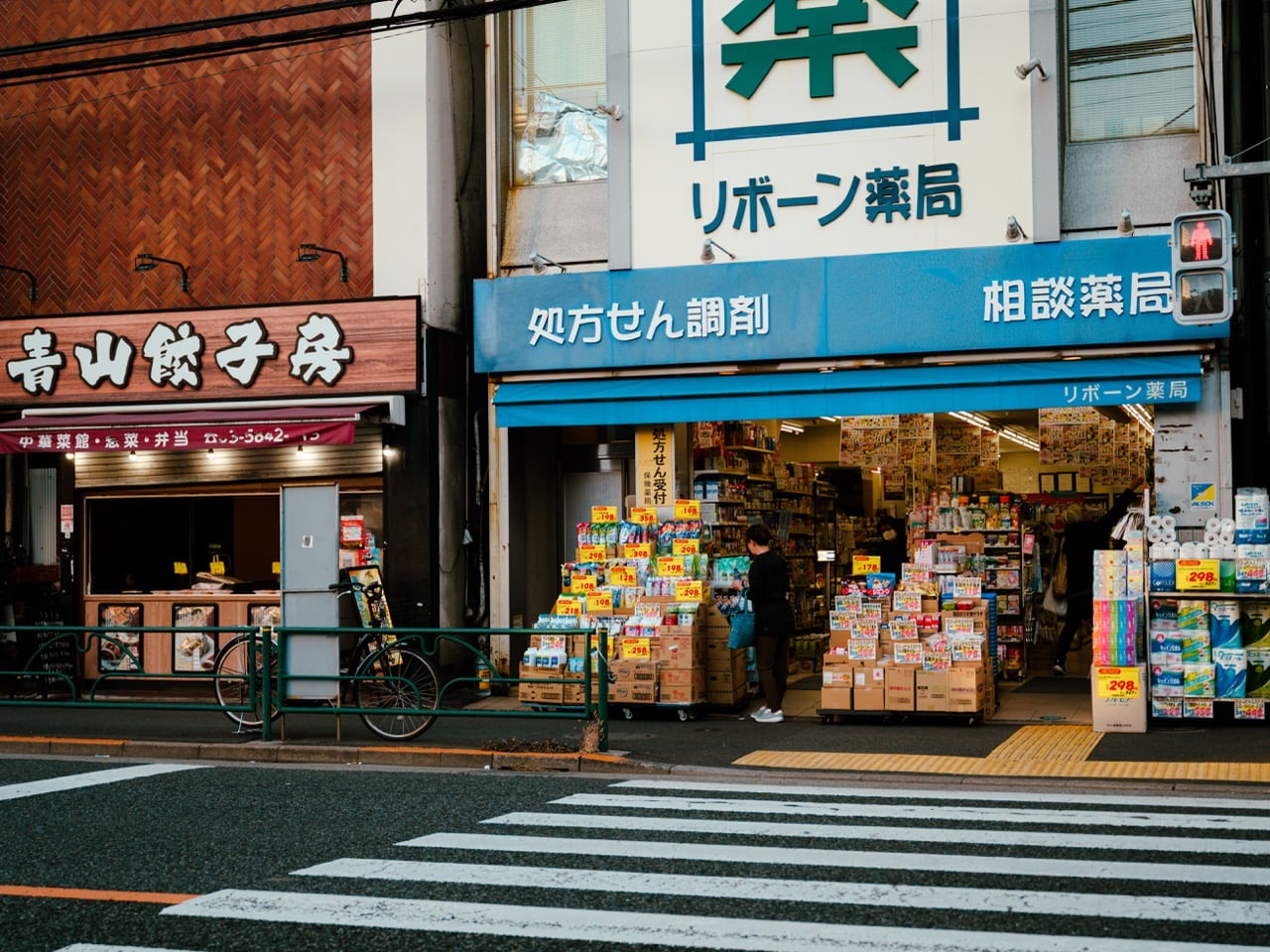
I cannot emphasize just how big Tokyo actually is. Even though I’m from London (and my mom is from NYC), Tokyo was a level above. If you only have three days in the city, you need to be strategic in how you spend each day.
In my opinion, the best way to explore Tokyo is to a) do so area-by-area, and b) structure most of your days to visit adjacent areas. Long-distance journeys aren’t necessarily avoidable, but I suggest limiting these as much as possible. I don’t want you to spend 3+ hours per day commuting.
The Biggest Challenge of Spending Such a Short Time in Tokyo…
… Is that you need to prioritize and accept that you won’t see everything.
I spent five nights in Tokyo on my first trip, and don’t get me wrong—I saw a lot (and much more than I expected to, actually). But I won’t even pretend that I got close to seeing the whole city. I’m partly talking about attractions, but also just the sheer number of food places that I wanted to try and could not.
Maybe I’m speaking from a position of privilege here, because I know that I will visit Tokyo again in the future. But even if this is your only trip, I strongly recommend prioritizing the experiences that you know you’d regret not doing.
For me, personally, I knew that I wanted to visit the Skytree. I also was certain that if I saw no temples or shrines besides Senso-ji and the Nezu Shrine, I’d probably be happy. I discovered lots of other things when in Tokyo, but going to these were absolute non-negotiables.
Gentle Reminder: It’s Okay to Skip Some “Must-See” Sights
When you research for your Tokyo trip, you’ll see some places mentioned multiple times. It’s easy to think that these are therefore “must-see” sights, but “must-see” is subjective. This includes, by the way, my recommendations in this article.
In my opinion, far too many people do trips and think that they have to do experiences that they don’t really want to. This mindset is a great way to be disappointed, if you ask me. It’s your trip, and you should see what *you* want to—irrespective of whether you skip places that others thought were worth it.
If you have some extra time to visit additional places, that’s great. You can, of course, also change your mind while you’re in Tokyo. But if you really don’t want to see some of the main attractions, it’s fine. This is precisely what I did; for example, I did not go to see the giant Godzilla head because I didn’t feel any reason to.

For what it’s worth, I’ve also left out some places that I visited. The reason is that I don’t think they’re worth seeing if you only have three days in Tokyo. For example, I found Kagurazaka—which is known as the city’s “Little France”—to be pretty overrated. Even though I had longer in the city, I didn’t find it to be worth going out of my way for.
I also left the Tsukiji Outer Market out, but visiting was still cool. So, if you really want to go, I recommend going there in the morning on one of your days in Tokyo.
How I’ve Structured This Tokyo Itinerary (+ Why I’ve Done It Like This)
First and foremost, I’ve based this itinerary on my actual real-life experiences. Because, well, obviously. It would make zero sense for me to make recommendations that I haven’t tried myself.
Great, so we’ve cleared that one up. I’ve also added a “Day 0” section for when you arrive, so that you have an actual realistic itinerary to follow. I saw no point in telling you that you should start trying to do Tokyo Drift and run around the city while you’re still jetlagged and have hardly put down your suitcase. For example, I arrived in Tokyo around mid-afternoon on my first trip—naturally, having just flown 12 hours, we took things quite easy in the beginning.
I have designed this Tokyo itinerary so that you can either follow it as-is, without any changes, or so you can take what you like and add activities that suit you better. I picked the places that I personally think are worth visiting but left enough flexibility that you can substitute experiences if you wish.
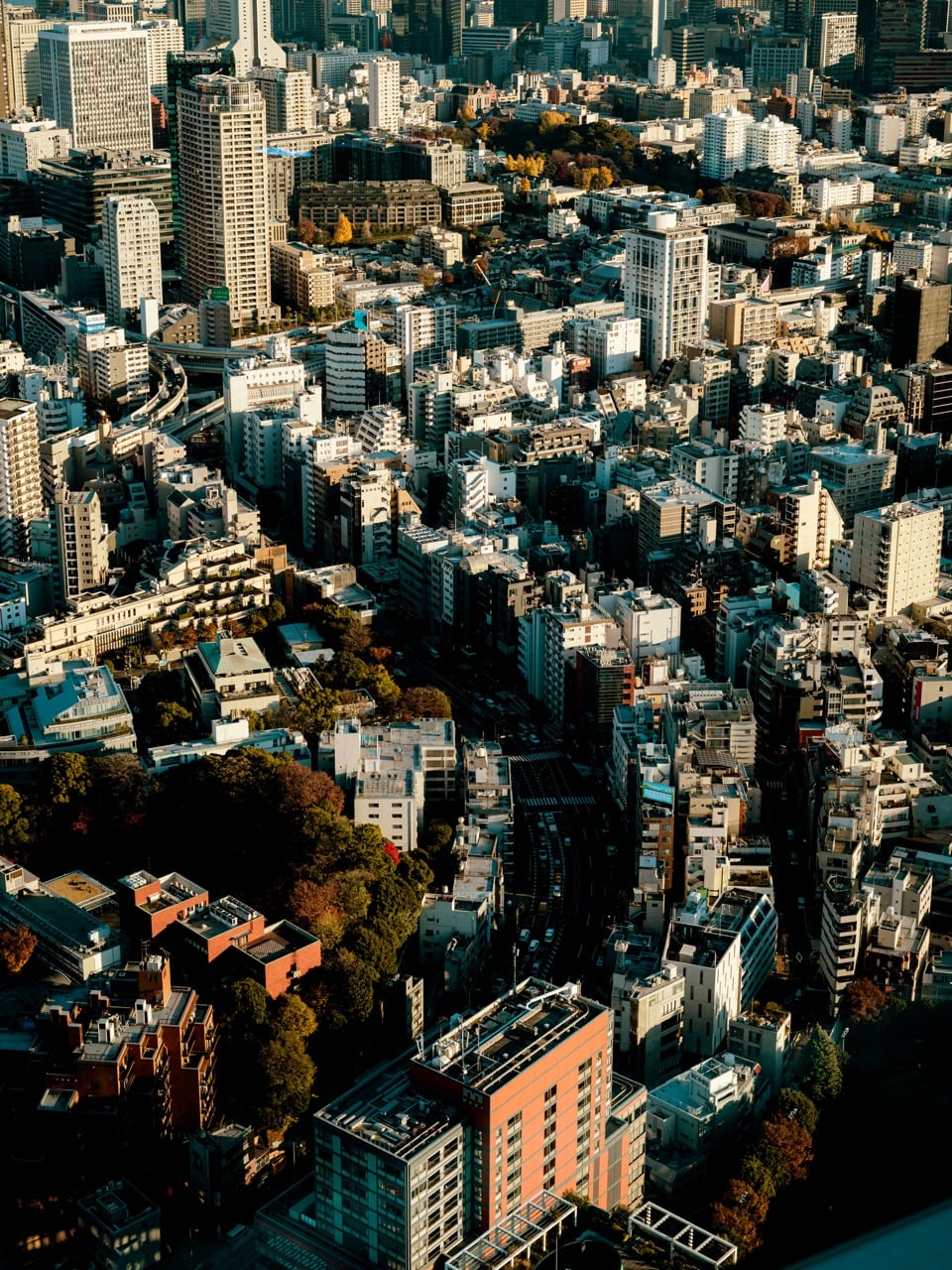
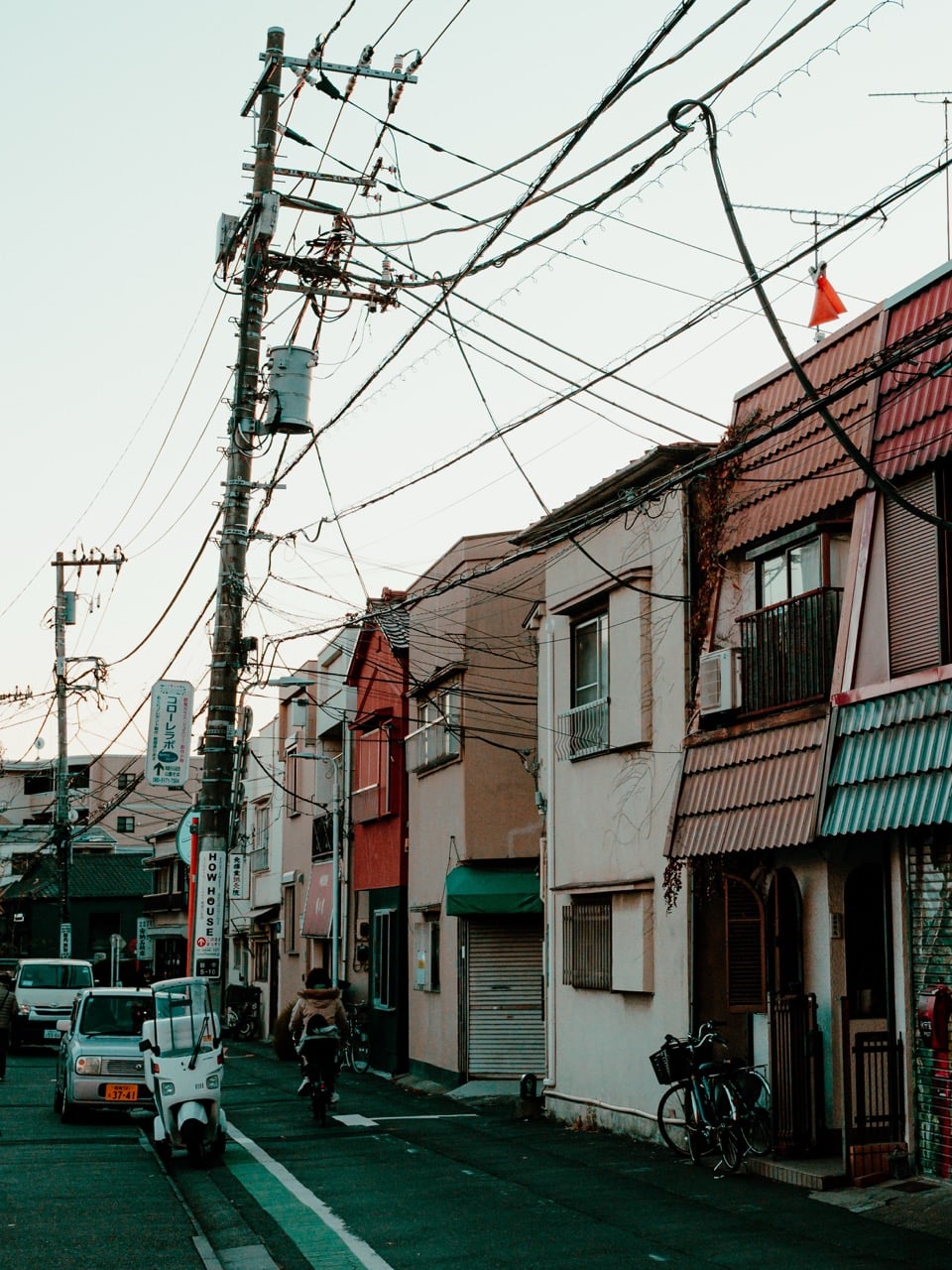
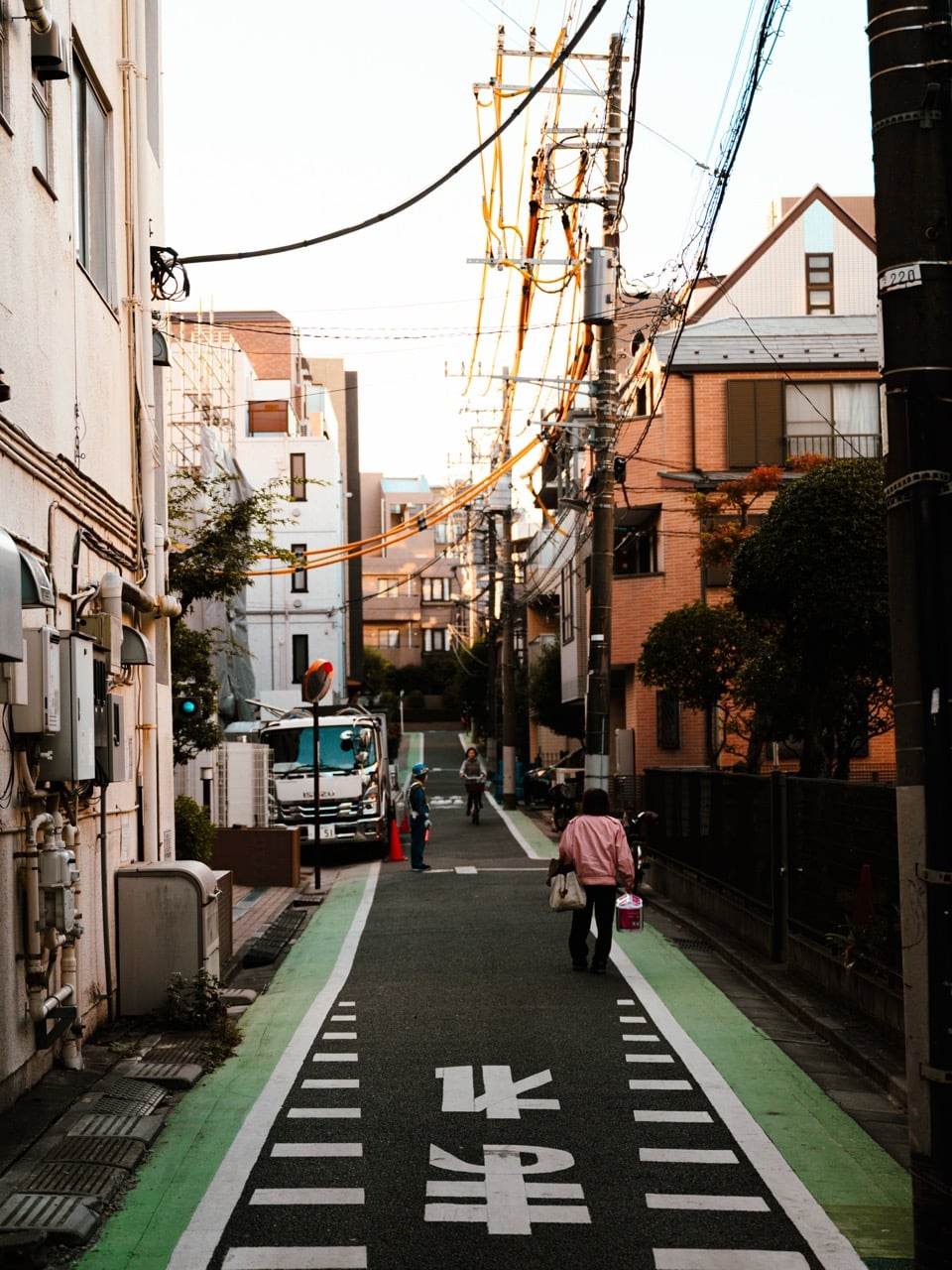
Throughout the itinerary, I have included some of my top options for food. For what it’s worth, I generally eat two meals per day; most of the time, we just had some sandwiches and onigiris from 7-Eleven or Lawson if we were hungry in the morning.
You will definitely not go hungry in Tokyo, though; regardless of where you are, you should find something to eat. Treat any meal gaps as konbini meals. And as a side note, lunch queues can be quite big as workers will line up to get something to eat.
In terms of structuring each day, I’ve tried as much as possible to ensure that the places you visit are close to each other. At most, I wanted them to be an easy ride away on the Subway. This was not always possible, but I’ve nonetheless done the best that I can.
If I personally think that somewhere is a “take a picture and move on” spot, I’ll say so. Whether you take this advice is up to you, though; I suggest spending as long or little as you want in each place.
Cool, but What If I’m Going to Visit Tokyo Again Before the End of My Trip?
Great question, because we actually found ourselves with an unexpected extra day in Tokyo 🙂.
If you’re visiting Tokyo again at the end of your trip, you can always split this itinerary up. For example, you can do two days before moving on and then another of the days on the way back. Otherwise, you can always revisit some of your favorite places (or check out some new places to eat that you did not previously have the chance to).
Otherwise, if you have more than three days in total, I recommend taking a day trip somewhere. For example, Kamakura is just over an hour away and easy to reach by train.
My Full Tokyo Itinerary for a 3-Day Visit
I’ll now go into my complete Tokyo itinerary in the sub-sections below. You can always bookmark this page if you want to refer to it throughout the planning process. I recommend doing the same if you don’t have the time to read everything right now.
Day 0: Arriving in Tokyo and Clearing Customs
If you’re specifically flying to Tokyo, you’ll arrive either at Haneda or Narita Airport. Haneda is the closest to the city; we flew from Helsinki to Haneda via Finnair. We landed in Tokyo at around 14:30 local time.
Once you arrive, you’ll need to pass through border control. We had to fill out a couple of forms before doing so and then hand these, along with our passports, to the immigration officer. I used my Italian passport (I’m half-Italian), and my girlfriend is Finnish—so neither of us needed a visa for a short-term stay. You, however, might need one depending on your nationality. I suggest checking the Japanese Ministry of Foreign Affairs’ visa exemption page here.
You may then need to wait for your bags to arrive. For what it’s worth, we left the airport around 90 minutes after arriving. It might take longer for you, though, so I wouldn’t make any plans other than getting to your accommodation once you’re out.
Even though you’ll be tired, the novelty of being in Japan will probably keep you up until it’s time to go to bed anyway. Once you’ve left the airport, you can then make your way to your accommodation.
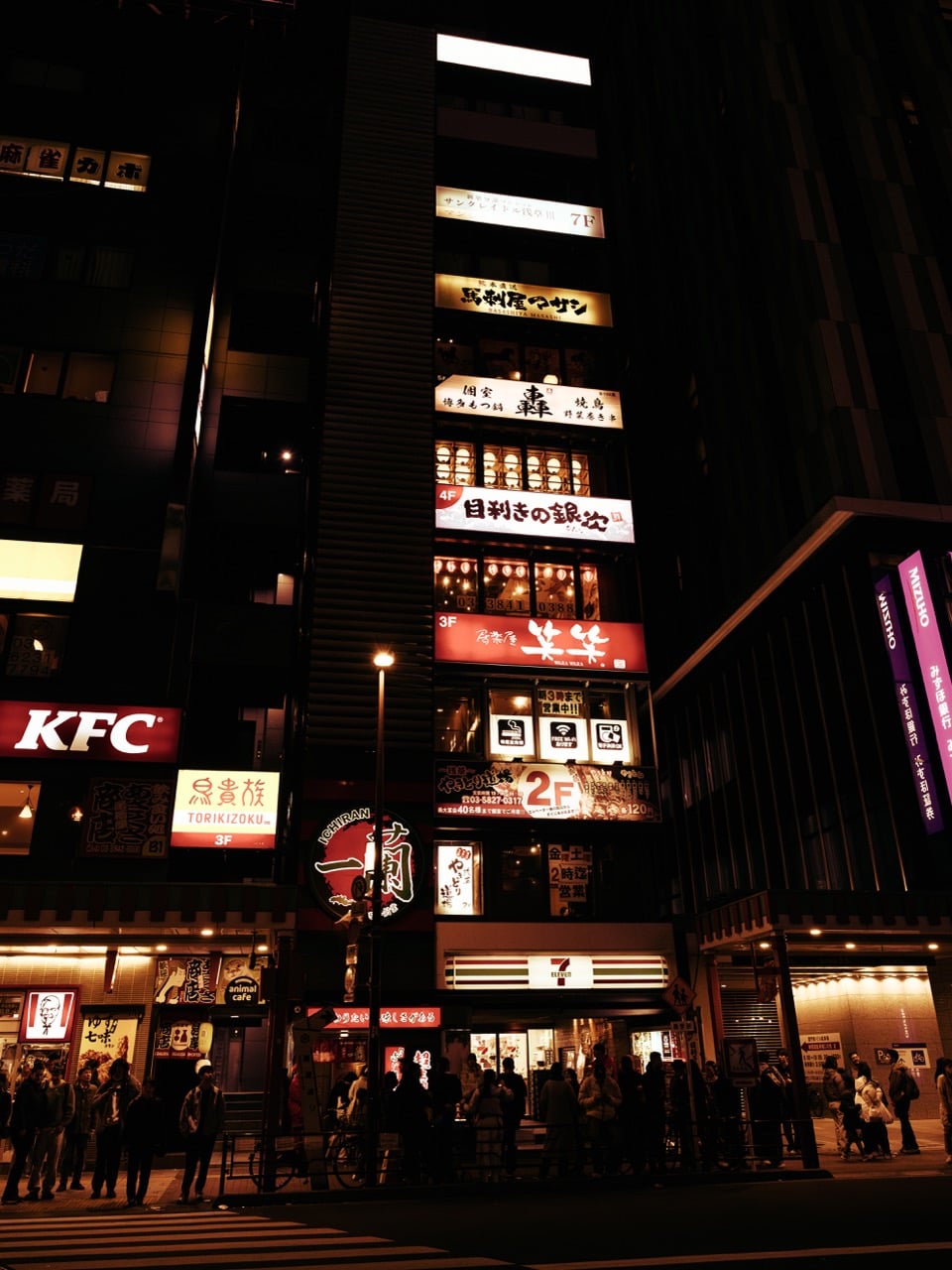
If it’s not bedtime by the time you’ve arrived, checked in, showered, and changed, I recommend just going for a walk close to where you’re staying. On our first night, we literally just did this and then went to a convenience store for our dinner. I wrote a full guide on navigating Tokyo with jet lag if you want to prepare yourself when you land.
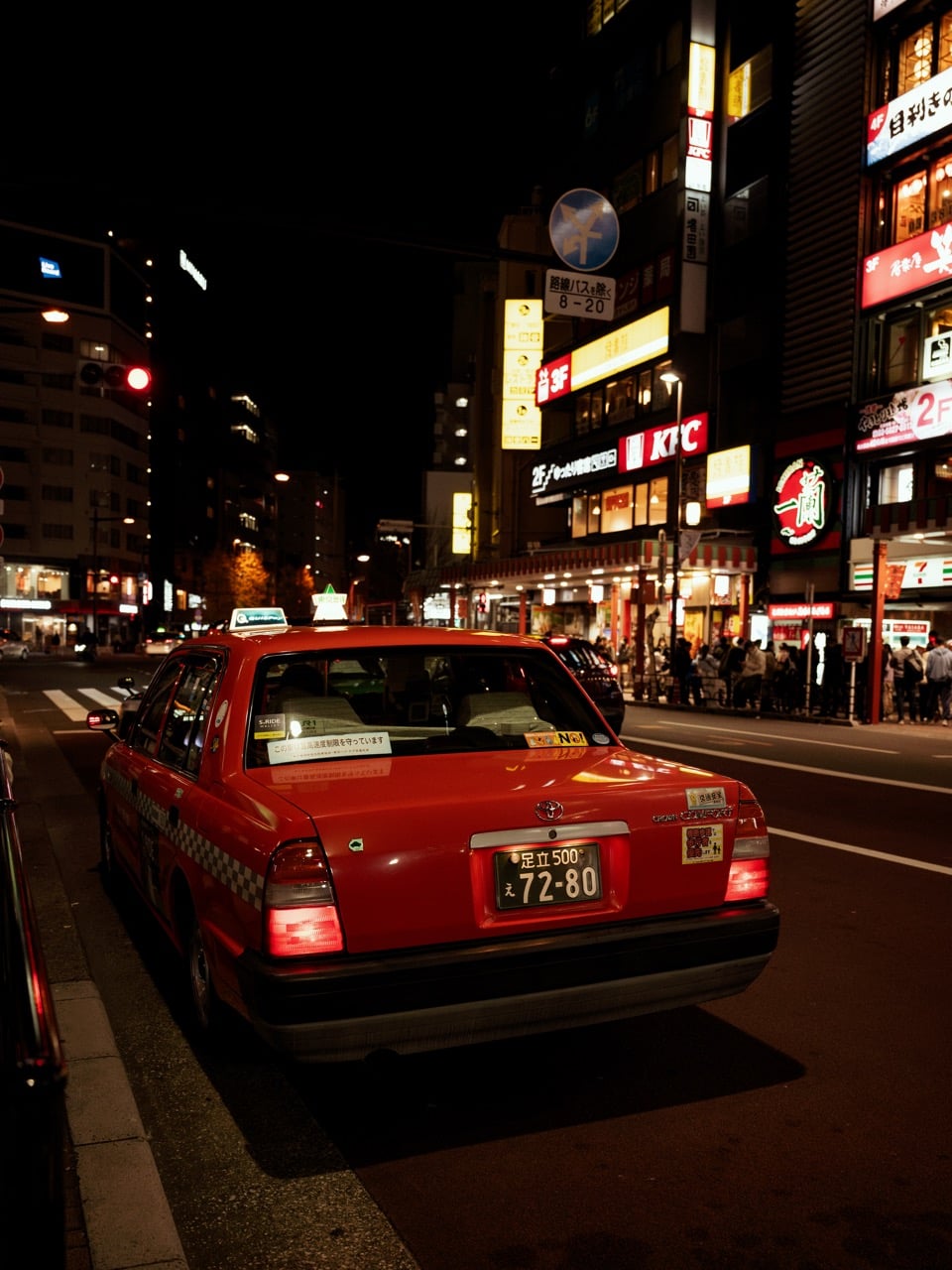

Day 1
The first night of sleep is never ideal when you’re in a new time zone, but hopefully, you had as good of one as you could. I personally was happy that I could sleep through the night, but I also know that not everyone will. For your first full day in Tokyo, I’ve aimed to balance exploring the city with not burning yourself out.
Morning & Early Afternoon
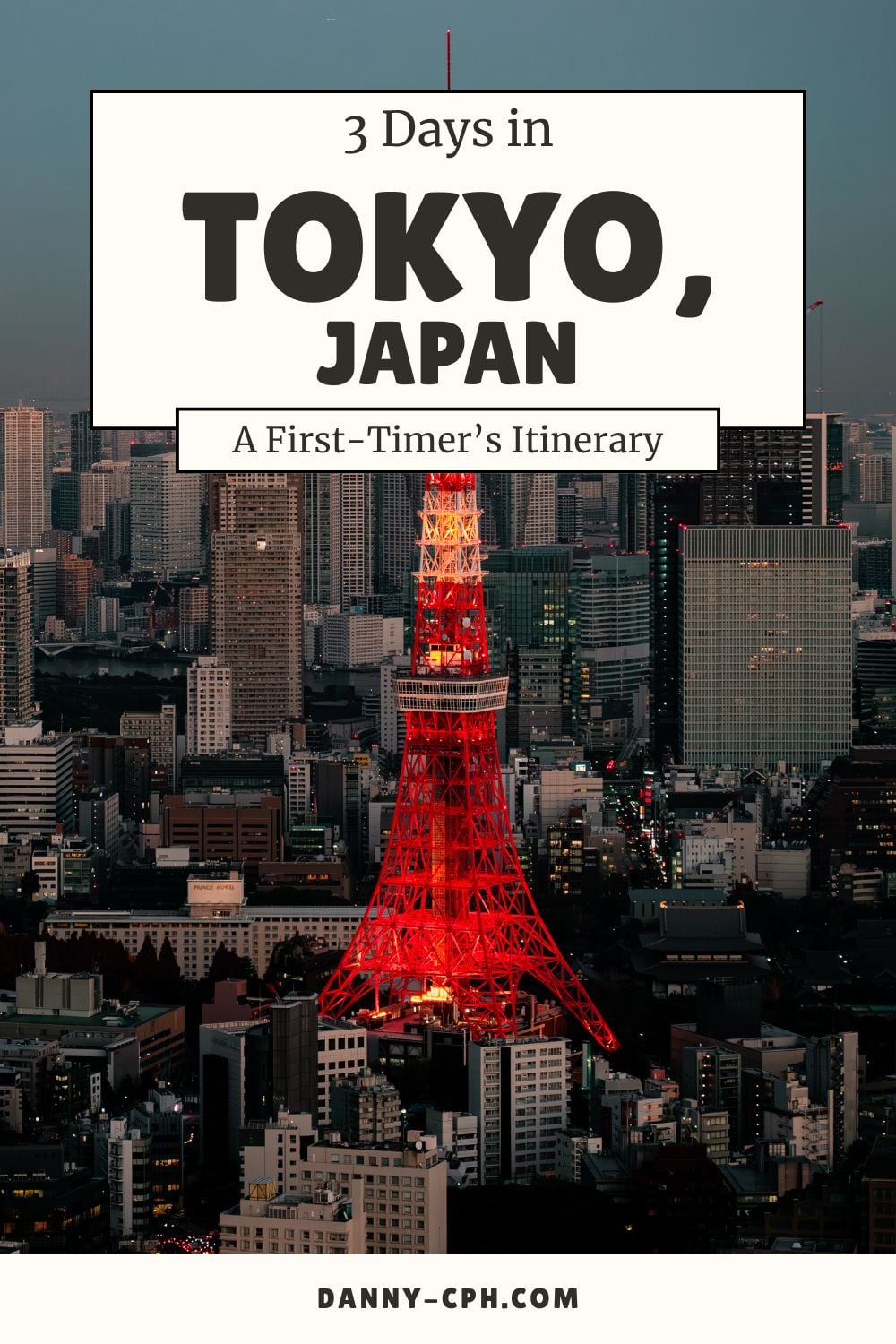
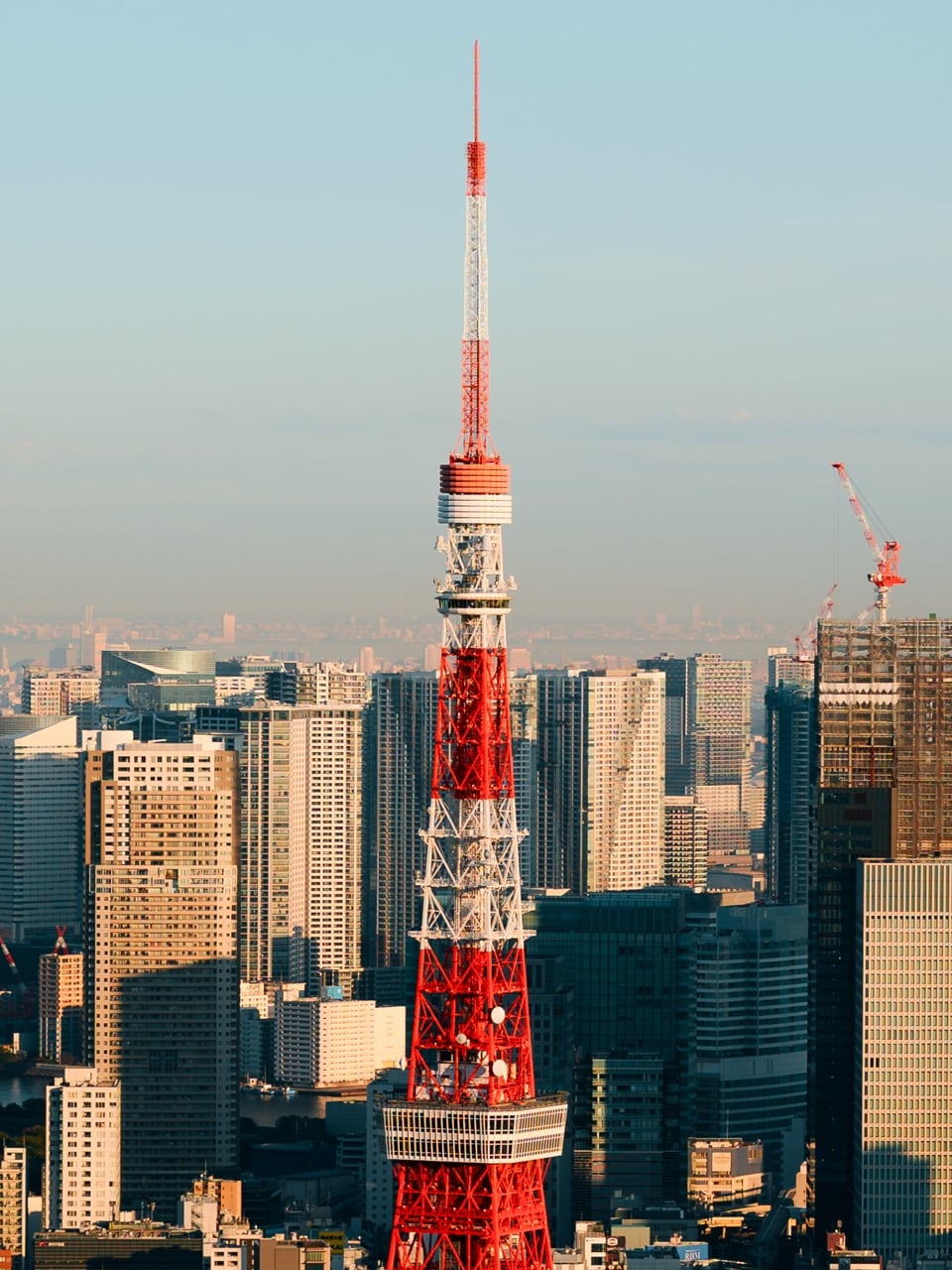
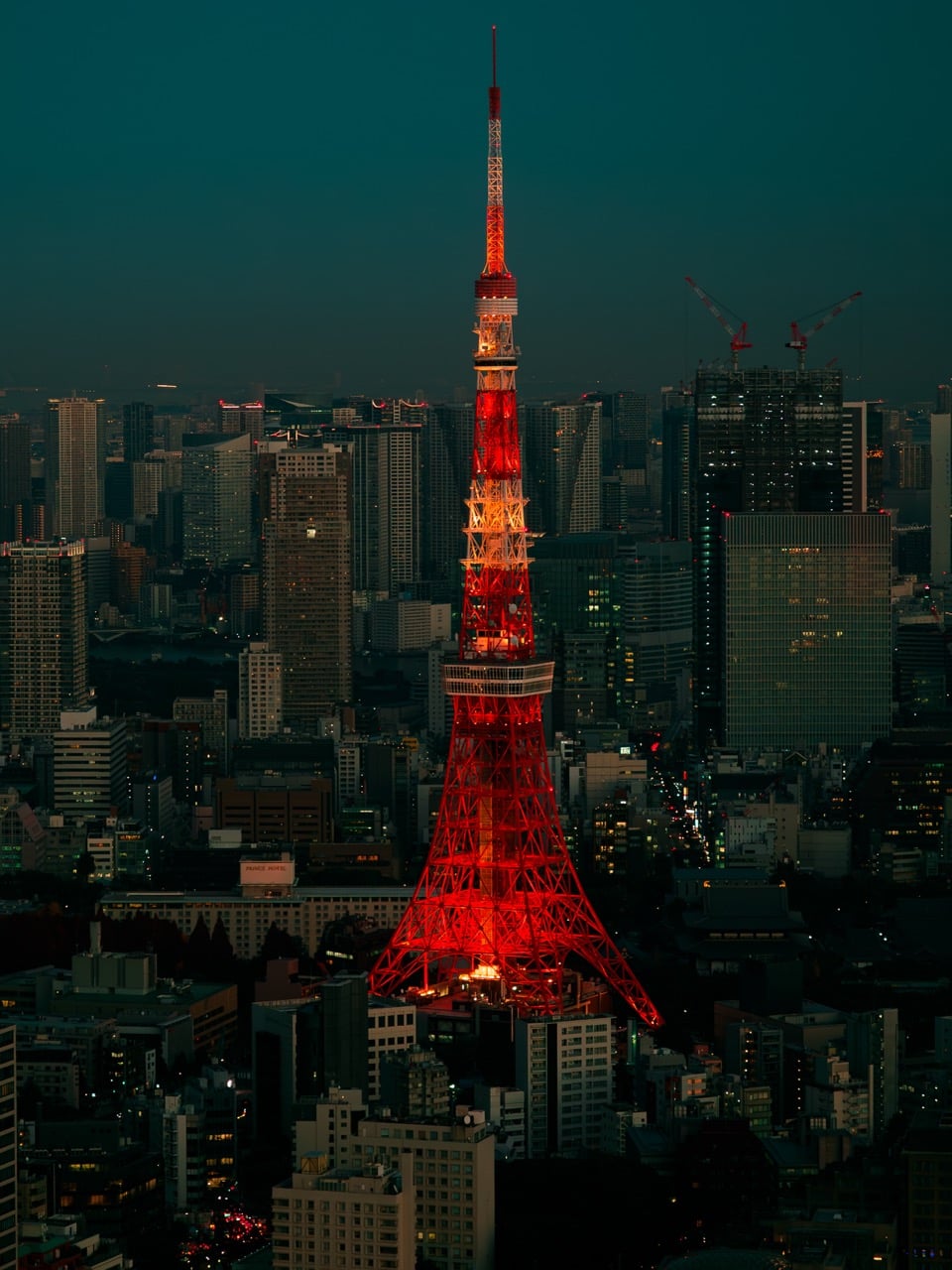
Once you’ve got yourself up, I recommend making the Tokyo Tower your first stop. Let’s just say that you’ll be seeing a lot of views on this trip, and the Tokyo Tower is a nice place to start. Compared to the Skytree, it was nowhere near as crowded when we visited.
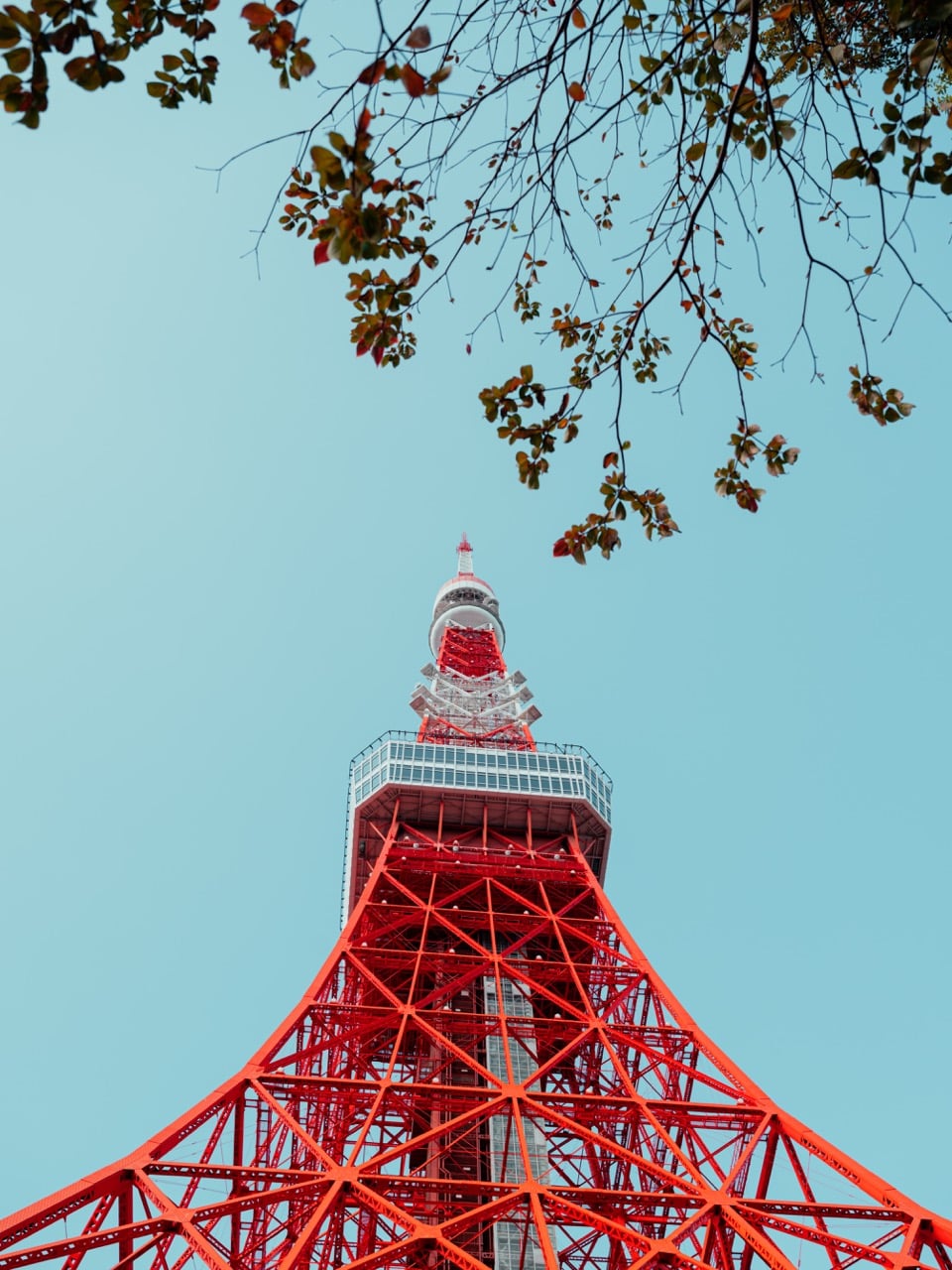
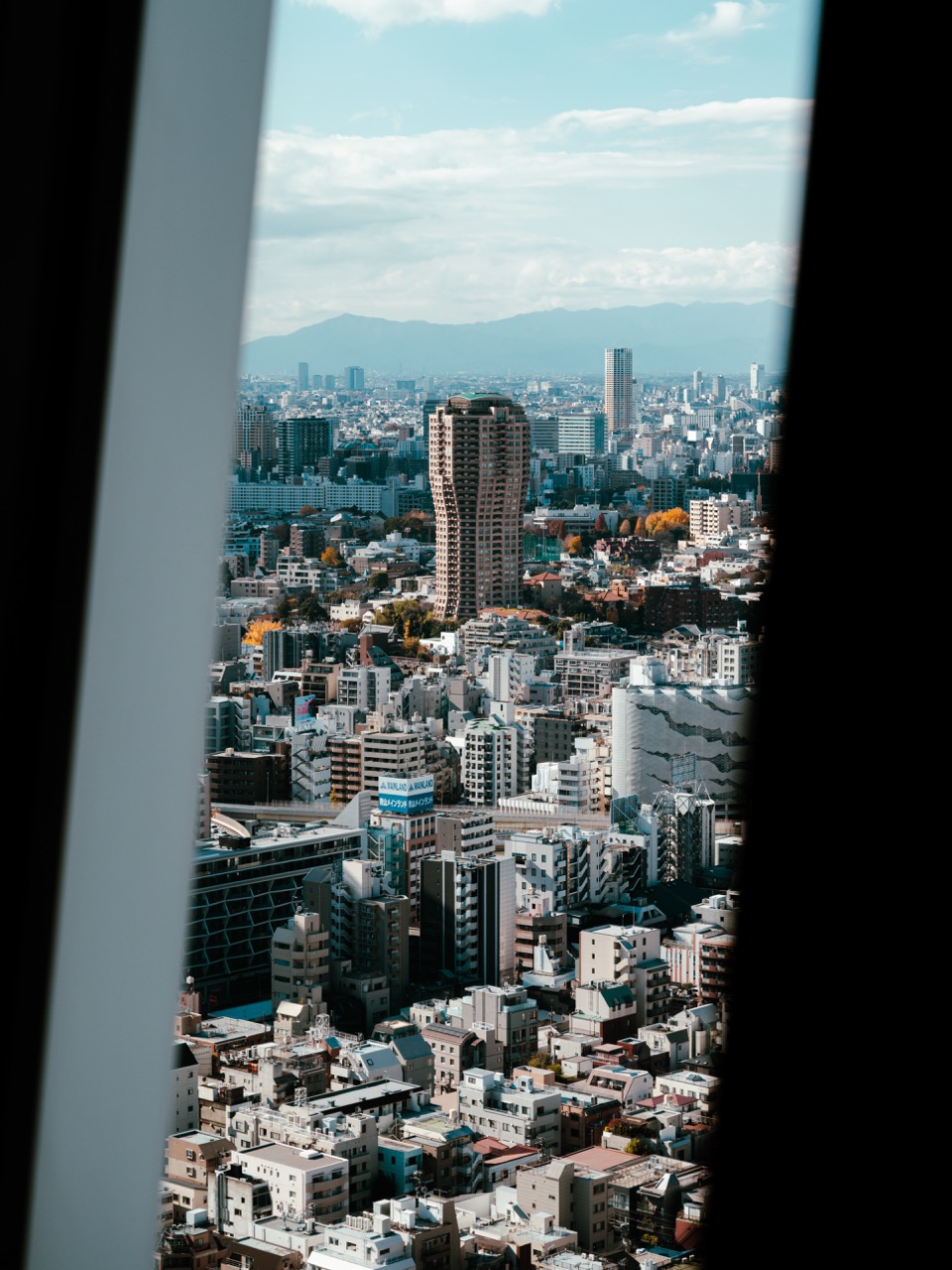

While I do prefer the views at the Skytree and Roppongi Hills, I thought that the Tokyo Tower was still worth visiting. You can actually see the Skytree in the distance from here, and you’ll also get some excellent views over the city. We spent around an hour and a half here, and it was a good way to begin our trip to Japan in general.
I have to be honest, I’m kind of giving you the same first-morning itinerary that we had when we were in Tokyo lol. After going to the Tokyo Tower, we went to the nearby Shiba Park (which, by the way, is where you can get some nice views of the tower from ground level).
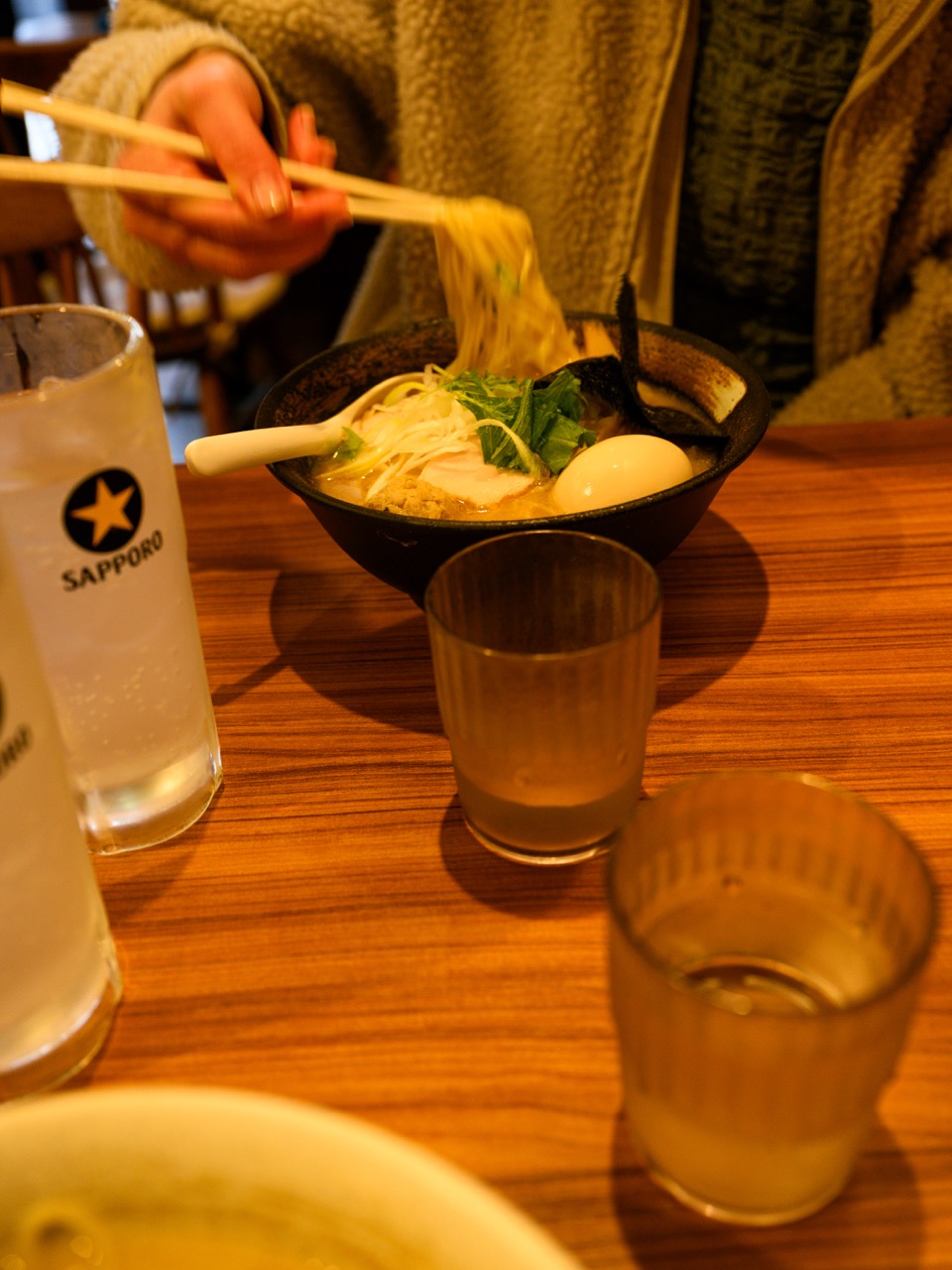
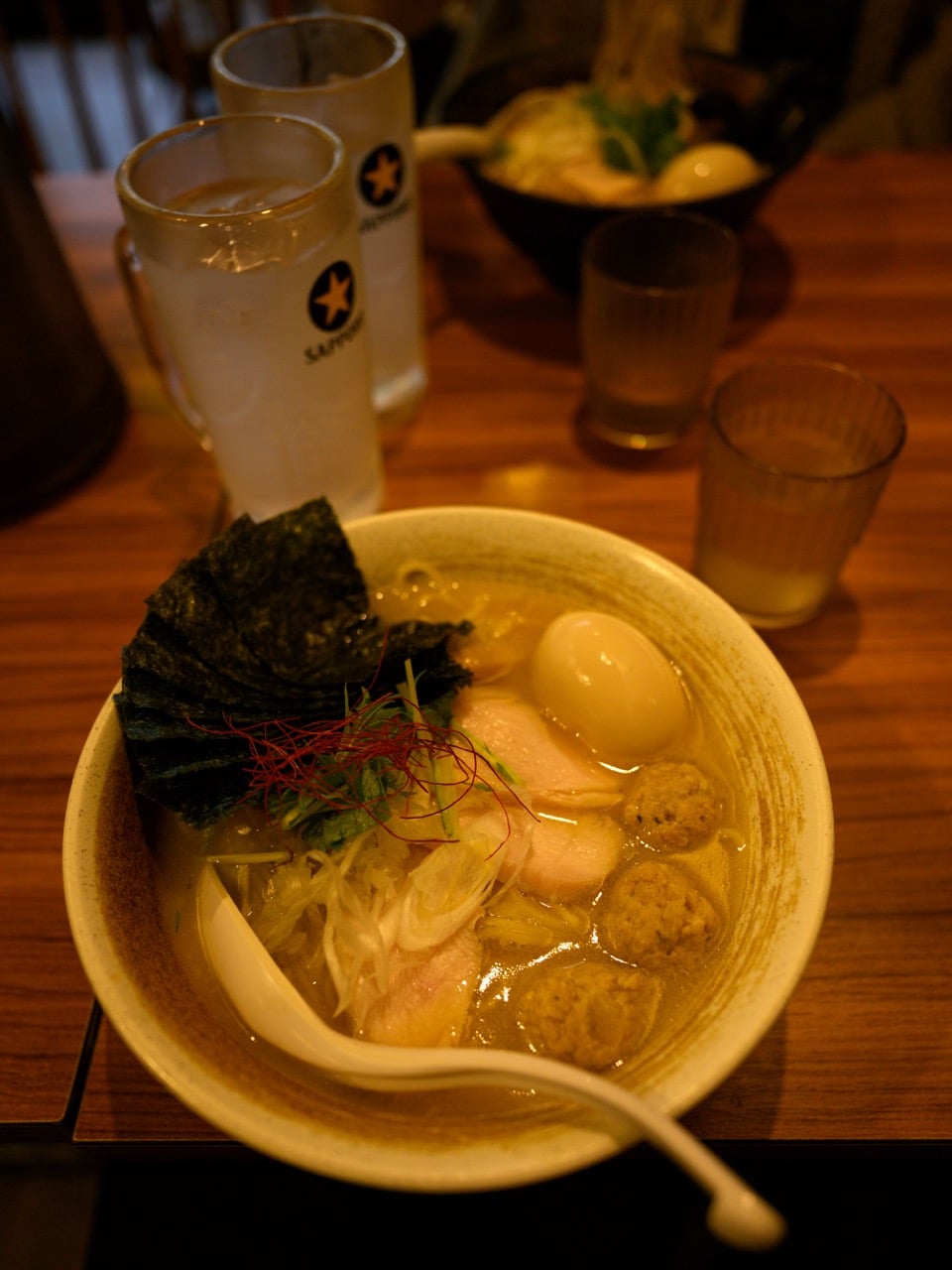
From here, you can walk to the Shinbashi district. We mainly spent our time acclimatizing to Tokyo, but you’ll also find some places for lunch here. Many of the ramen joints had big queues outside, but we found Menya Takehchi Shinbashi on a side street and didn’t have problems getting served. Just as a quick heads-up, the sours are alcoholic drinks… I didn’t realize this before buying, and… yeah. Now you know. 🙂
Afternoon
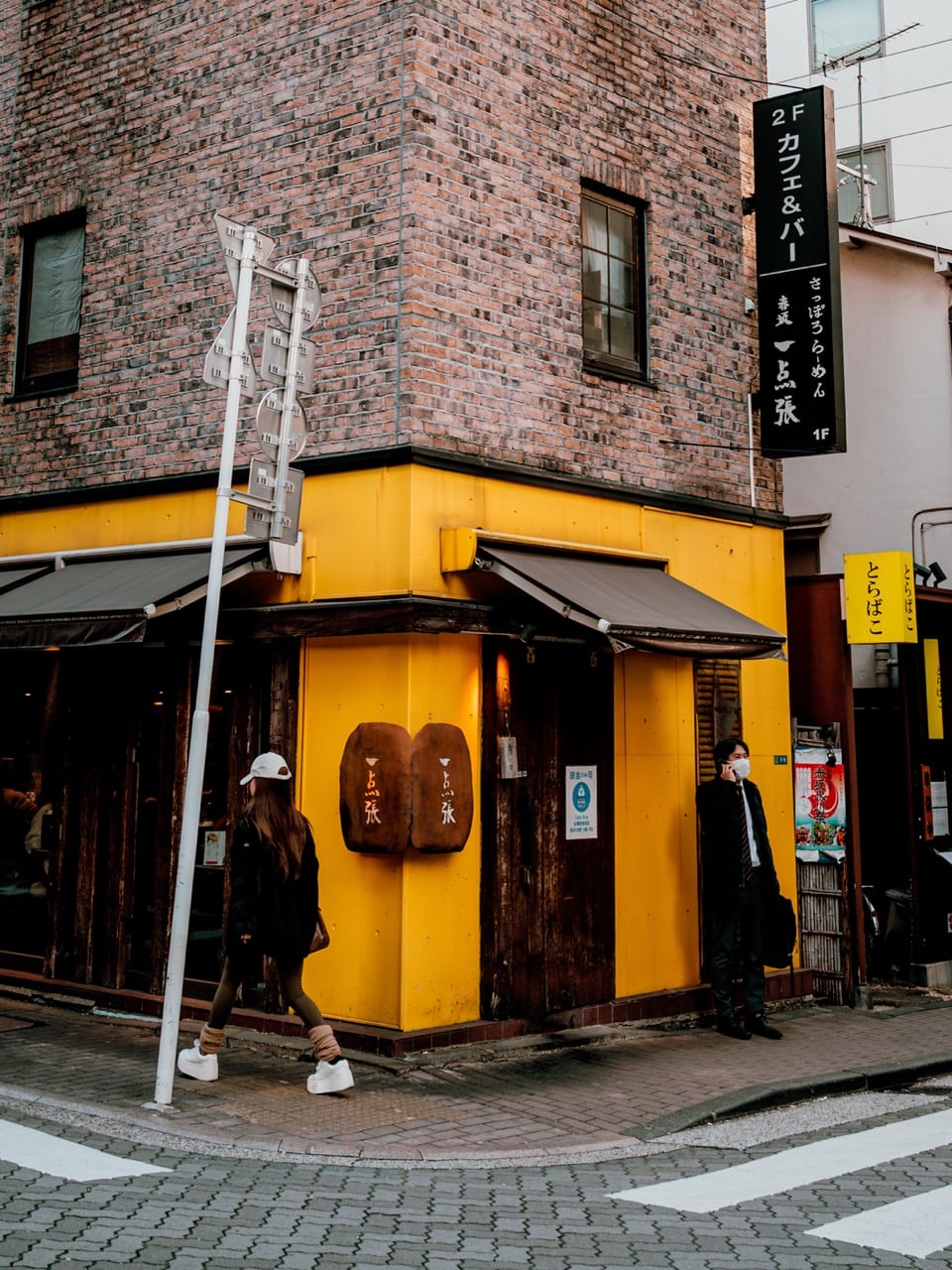
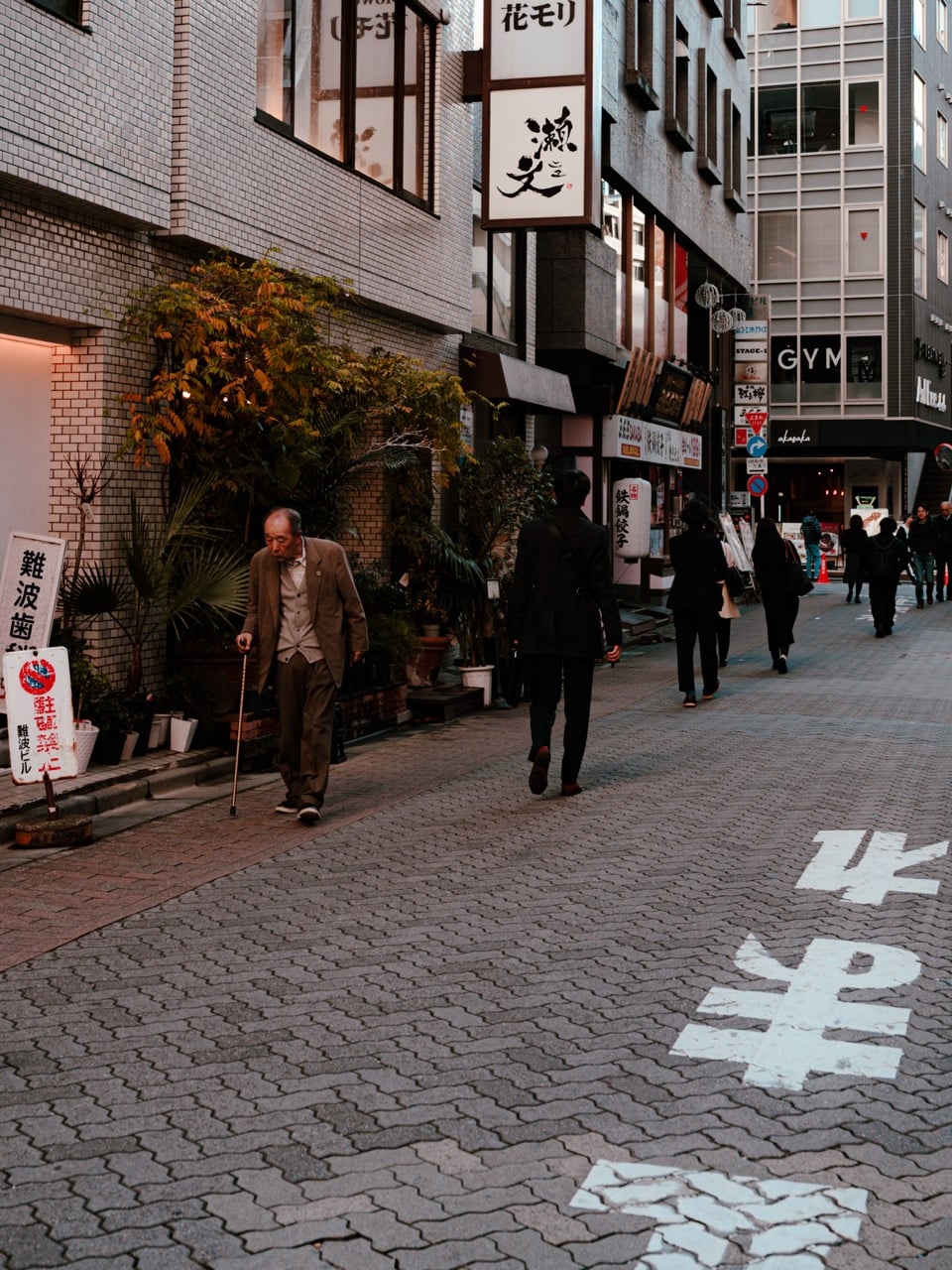
After eating some food, I recommend heading to Akasaka. A friend of ours recommended that we spend some time in this neighborhood, and I thought it was really nice. It’s also a great place to go for food later in the evening if you want, since my evening recommendations will be not too far away.
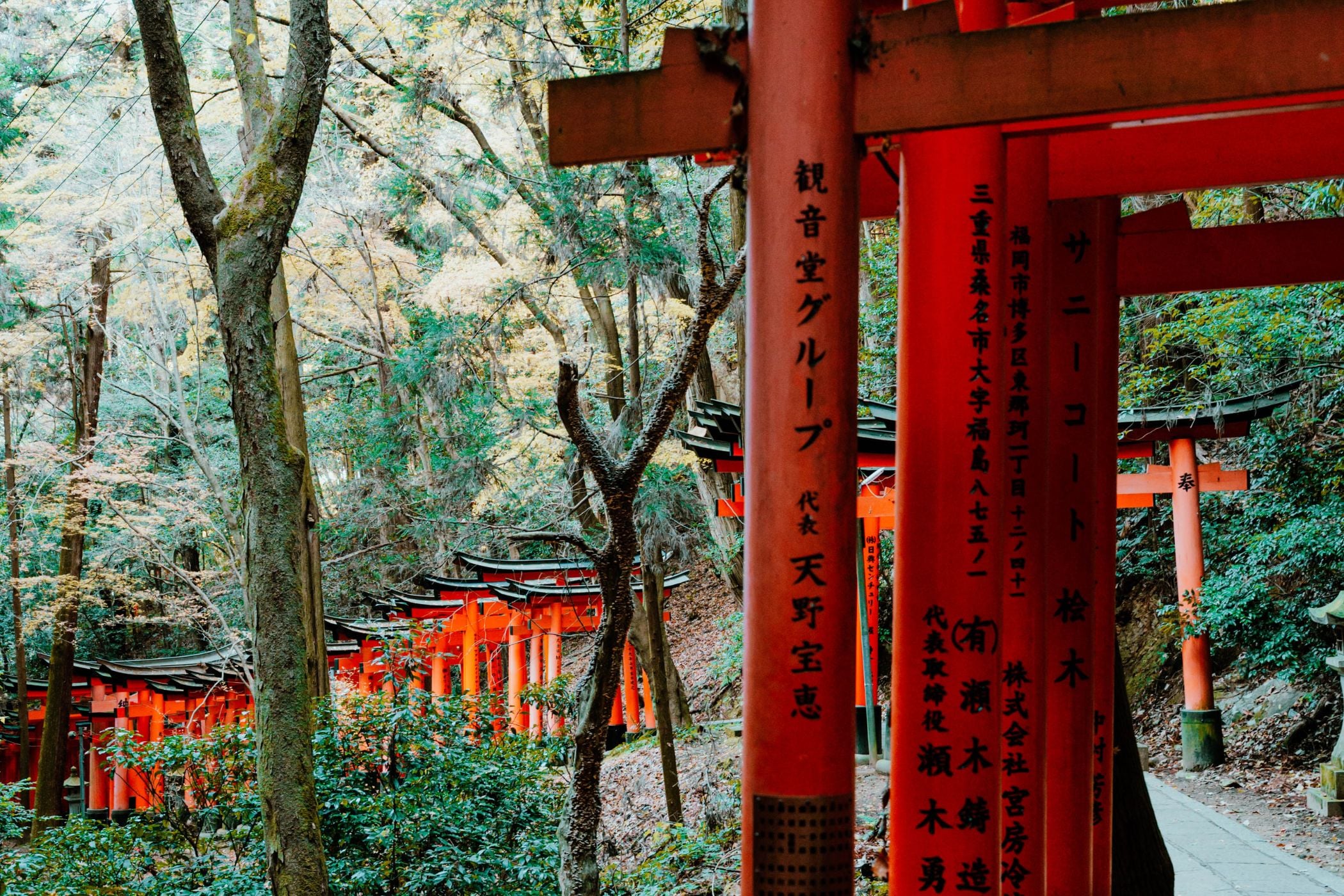
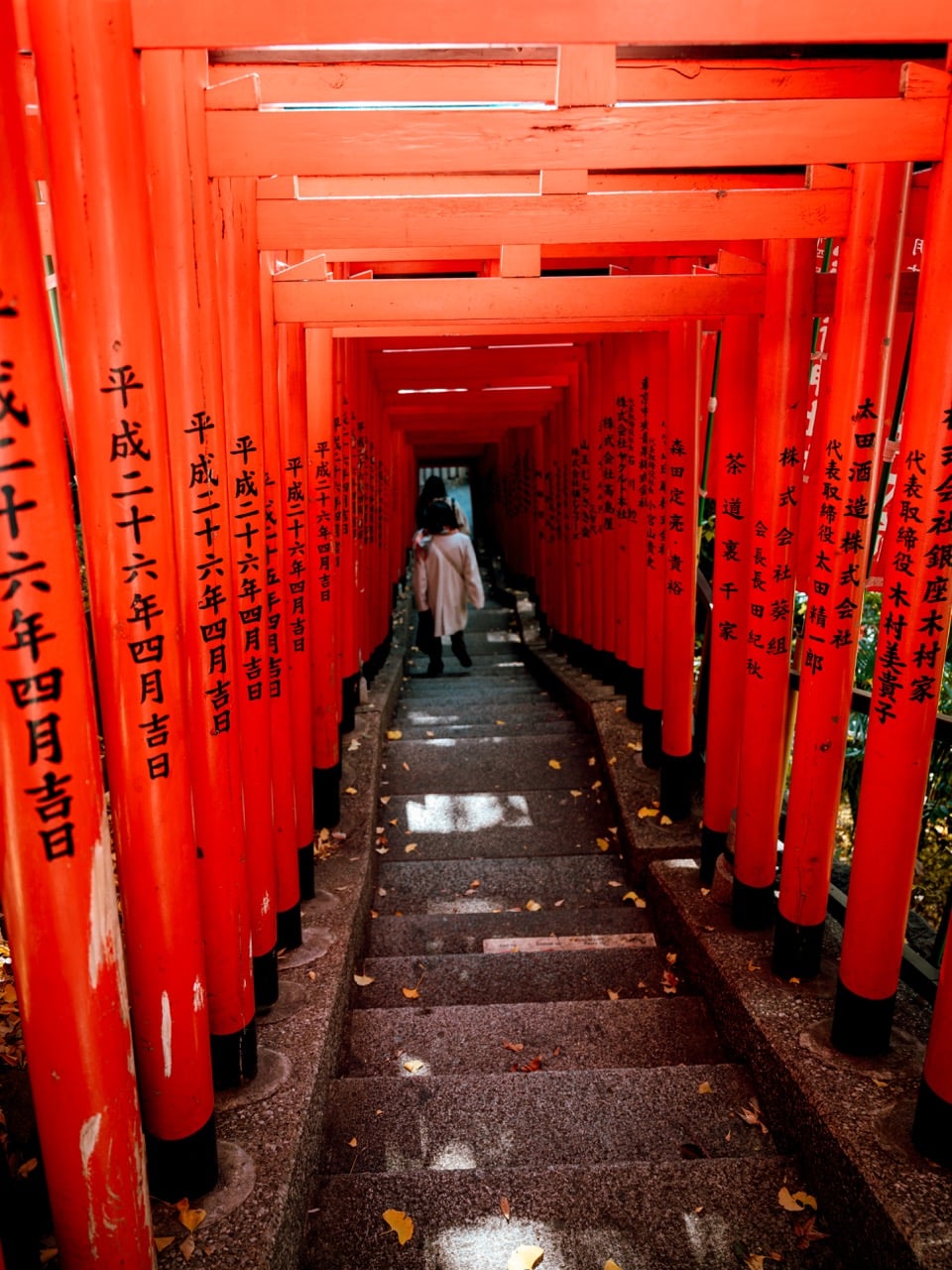
While you’re in this part of Tokyo, I suggest also going to the nearby Hie Shrine—which is just outside of Akasaka. Although I preferred some of the other shrines we visited in Tokyo, I still thought that this one was quite cool. The orange gates are nice, and they’re definitely worth seeing if you haven’t yet been to another temple in Japan.
By the Way: If you do plan to eat in Akasaka later, bring some cash for the restaurants here. We couldn’t eat at many places we wanted to as we did not have physical money with us.
Evening
I guess that this should be late afternoon/evening, because part of it will depend on when you visit Tokyo. Our first trip to Japan was in December, which meant that the sun went down around 16:30. Regardless, the next step on this itinerary is to go to the observation deck at Roppongi Hills. You can buy your tickets in advance, and I strongly recommend doing so.
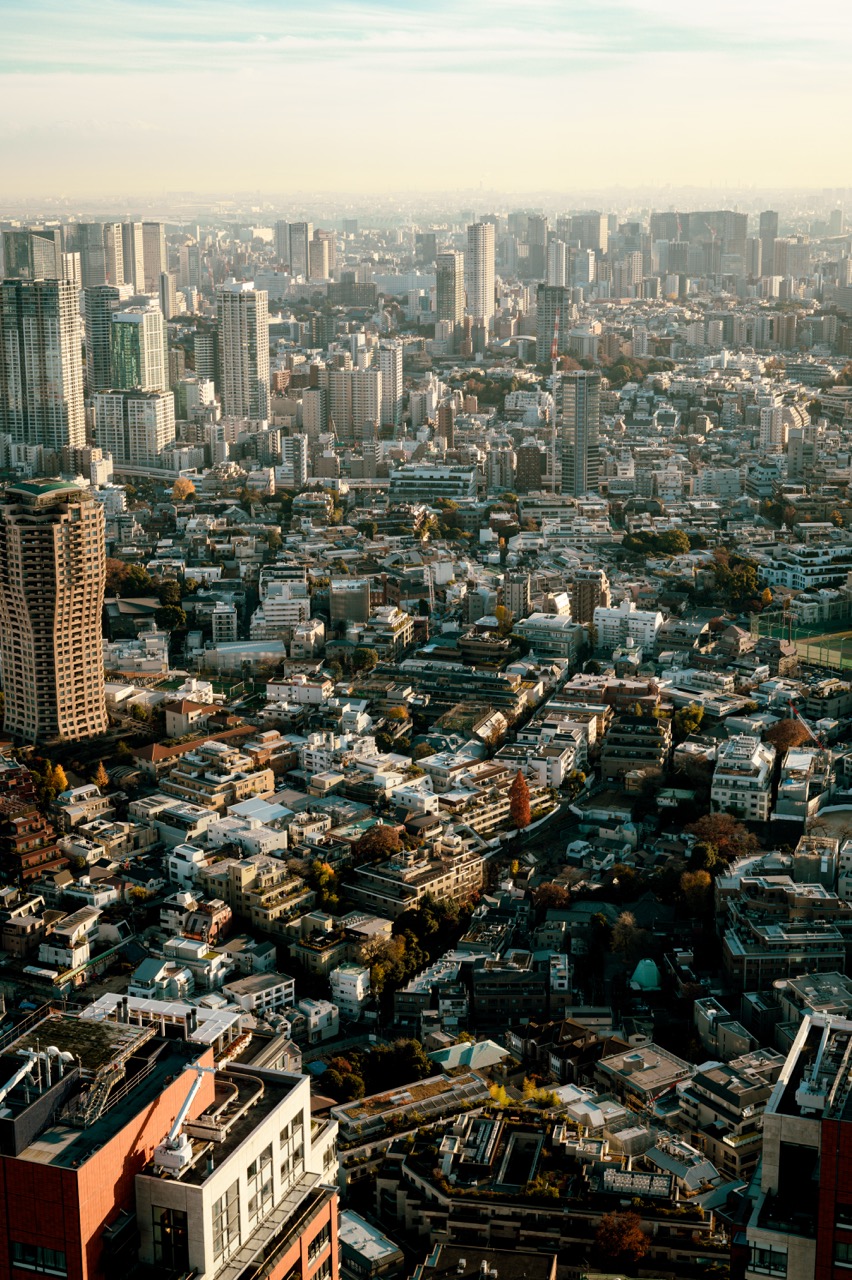
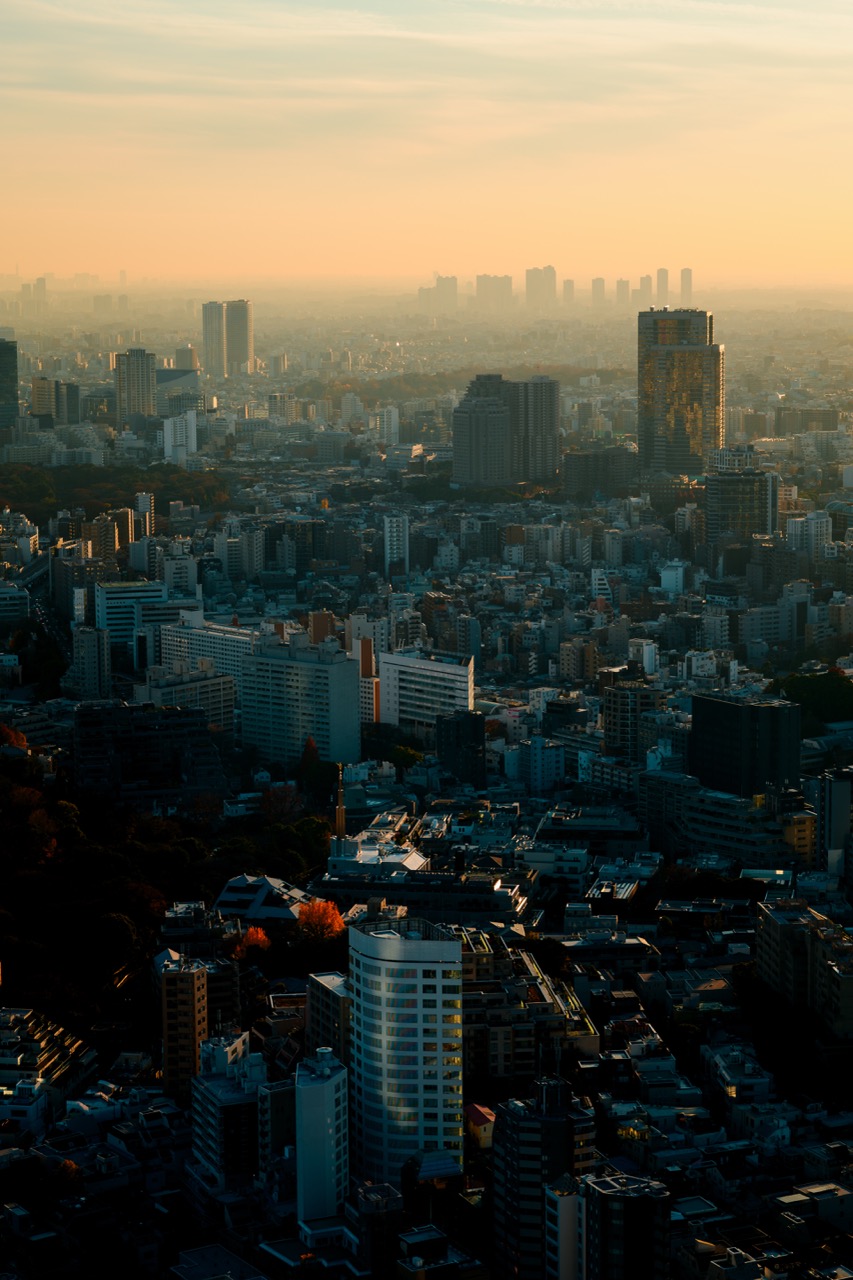
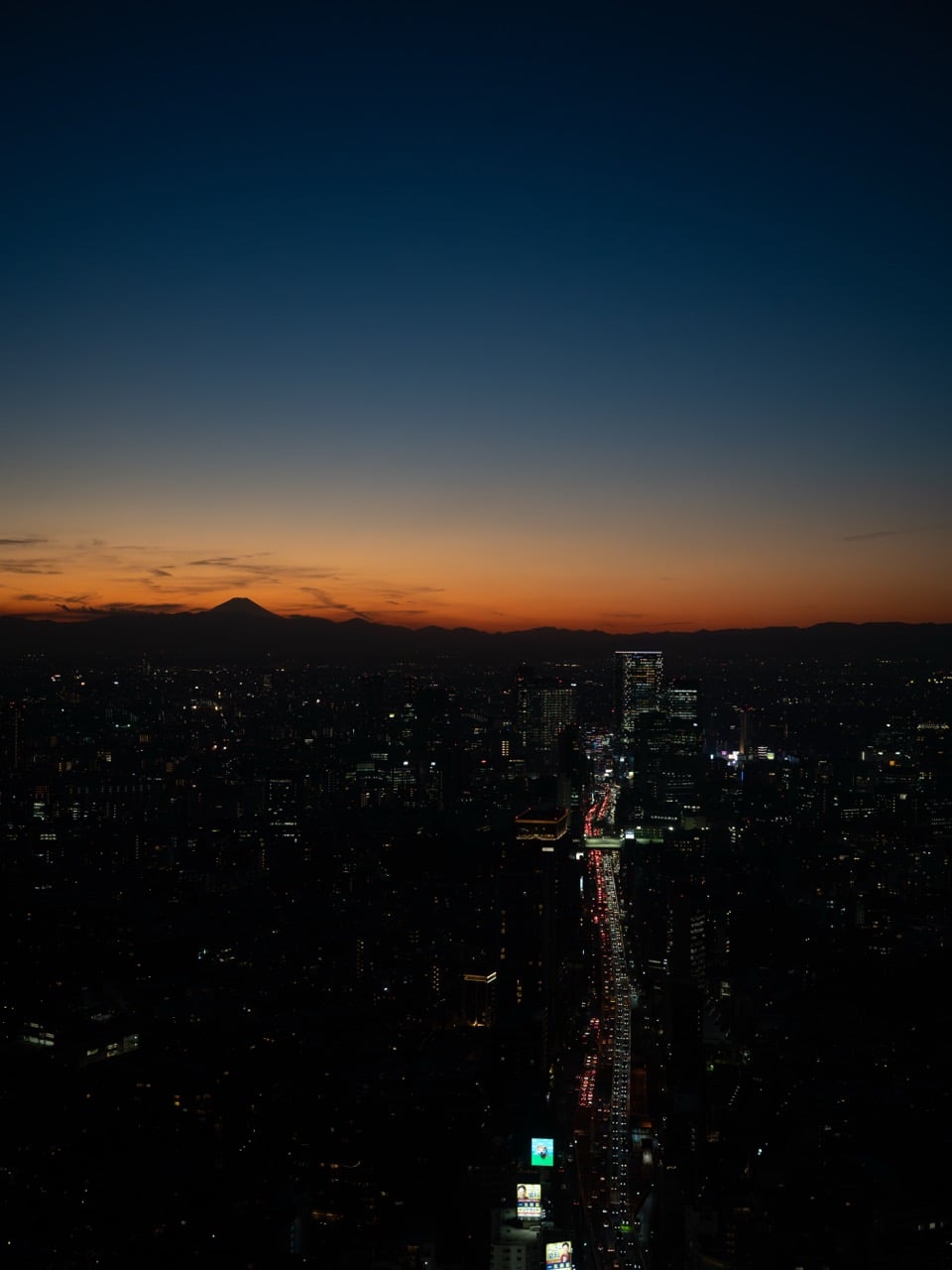
I’m not even joking when I say that we spent around three hours at Roppongi Hills. For the most part, we just admired the views of Tokyo and watched the changing light as the sun went down. This is, in my opinion, where you will find the best views of the Tokyo Tower. Unsurprisingly, the viewpoint looking toward it gets busy around sunset.
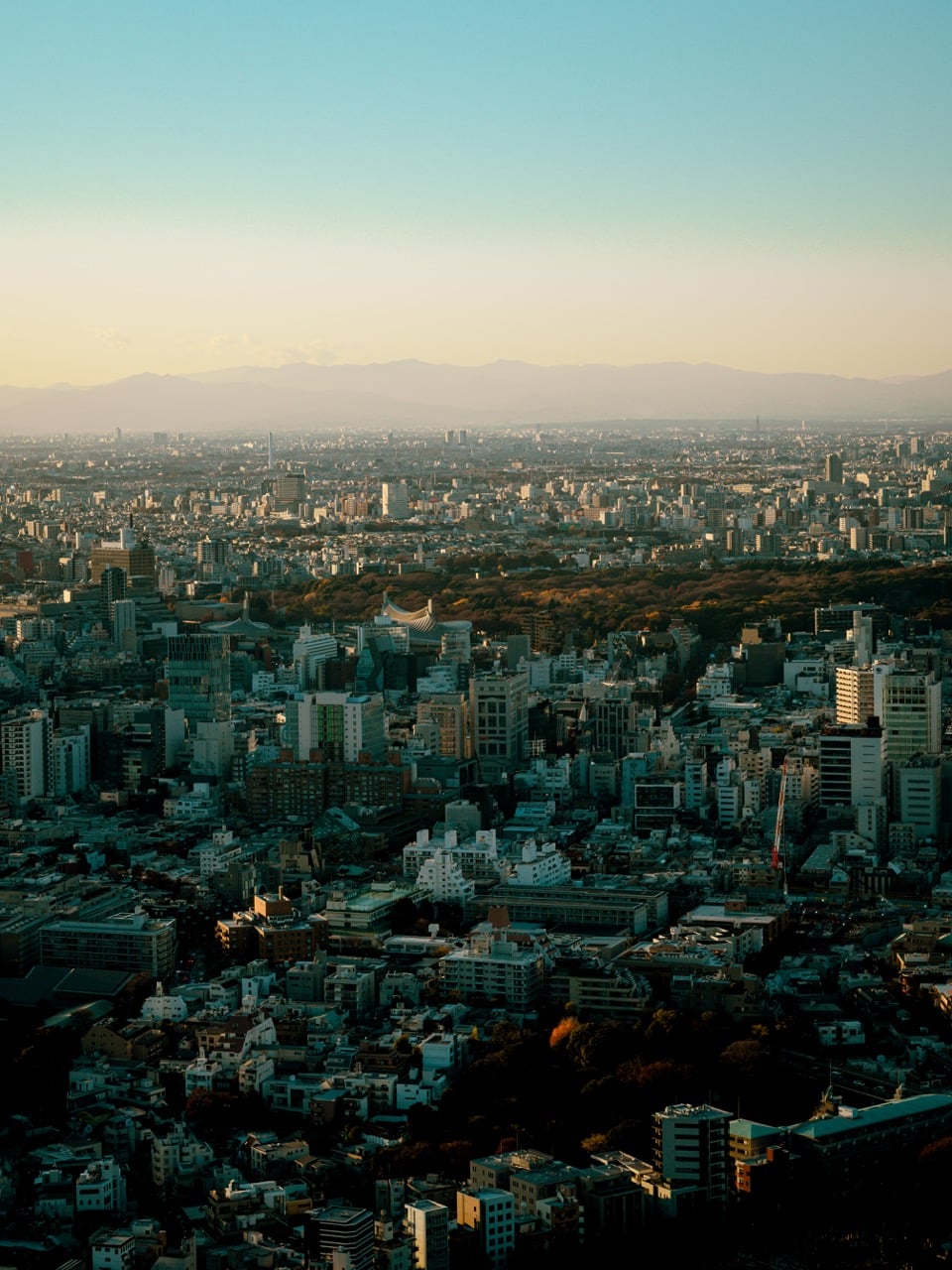
Roppongi Hills can, if you’re lucky with visibility, offer great views of Mount Fuji in the far distance, too. If you’re feeling tired at this point, you’ll find some places at the observation deck where you can sit down.
You can spend as long as you want at Roppongi Hills. Afterward, I either recommend going for dinner in Akasaka or eating ramen at Ippudo. The latter is not too far away, and we really enjoyed our meal here.
Day 2
On your second day in Tokyo, you’ll see some more of the city’s main sights. The pace will be a bit faster than day one, but I’ve designed it so that you still hopefully won’t feel like you’re rushing around.
Like with day one, I’ll split your second day in Tokyo into different sections. However, you can do things in whatever order you want.
Morning
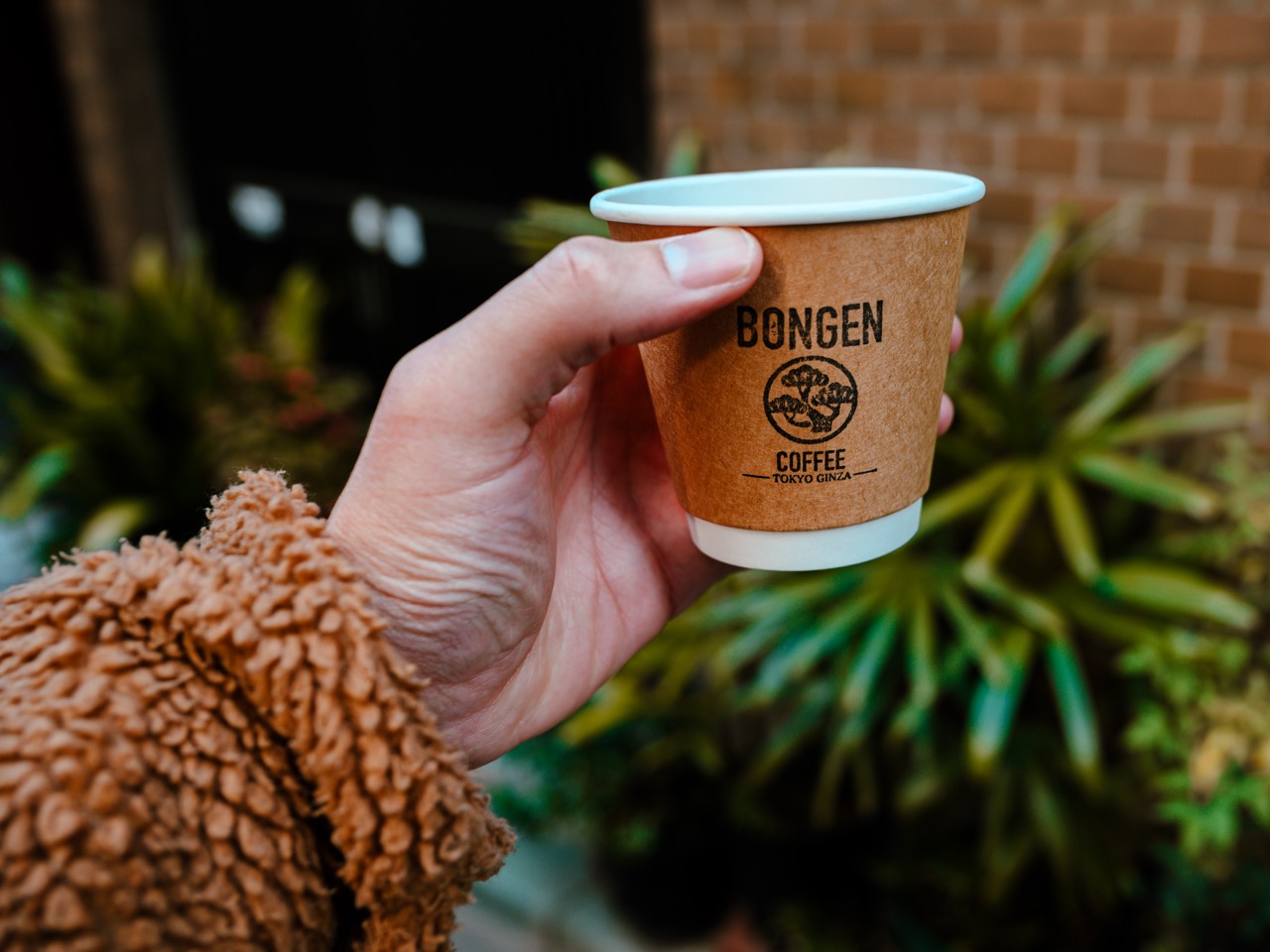
To start the day, my top suggestion would be to go to BONGEN COFFEE Ginza. I have to be honest: I didn’t think much of Ginza as an area. It’s very “Gucci Gang”, for lack of a better term. I did, however, really enjoy this coffee shop. You could also go to BONGENCOFFEE Nihonbashi or BONGEN COFFEE Ginza Honmaru, but I’m speaking about the specific one that I went to.
Although you’ll need to wait in a queue outside—we stood there for around an hour—I thought that the coffee was worth it. If you like trying different types of coffee, I reckon it’s worth visiting. Be prepared to pay more than you normally would for coffee in the city, though.
I haven’t included much else in the morning part of this itinerary to factor in the waiting time at the coffee shop. However, you can still have a stroll around afterward if you want. We also went to Kura Sushi in Ginza for lunch one day (here’s the Google Maps link); it’s a chain, and conveyor belt sushi is *a bit* gimmicky, but come on… It’s your first trip to Japan.
Afternoon
After eating some food, you can take the Subway to Asakusa. The journey will take roughly 25-30 minutes, and when you arrive, you’ll be in what I think is one of Tokyo’s coolest neighborhoods. We’ll spend the rest of the day here, including both the afternoon and the evening.
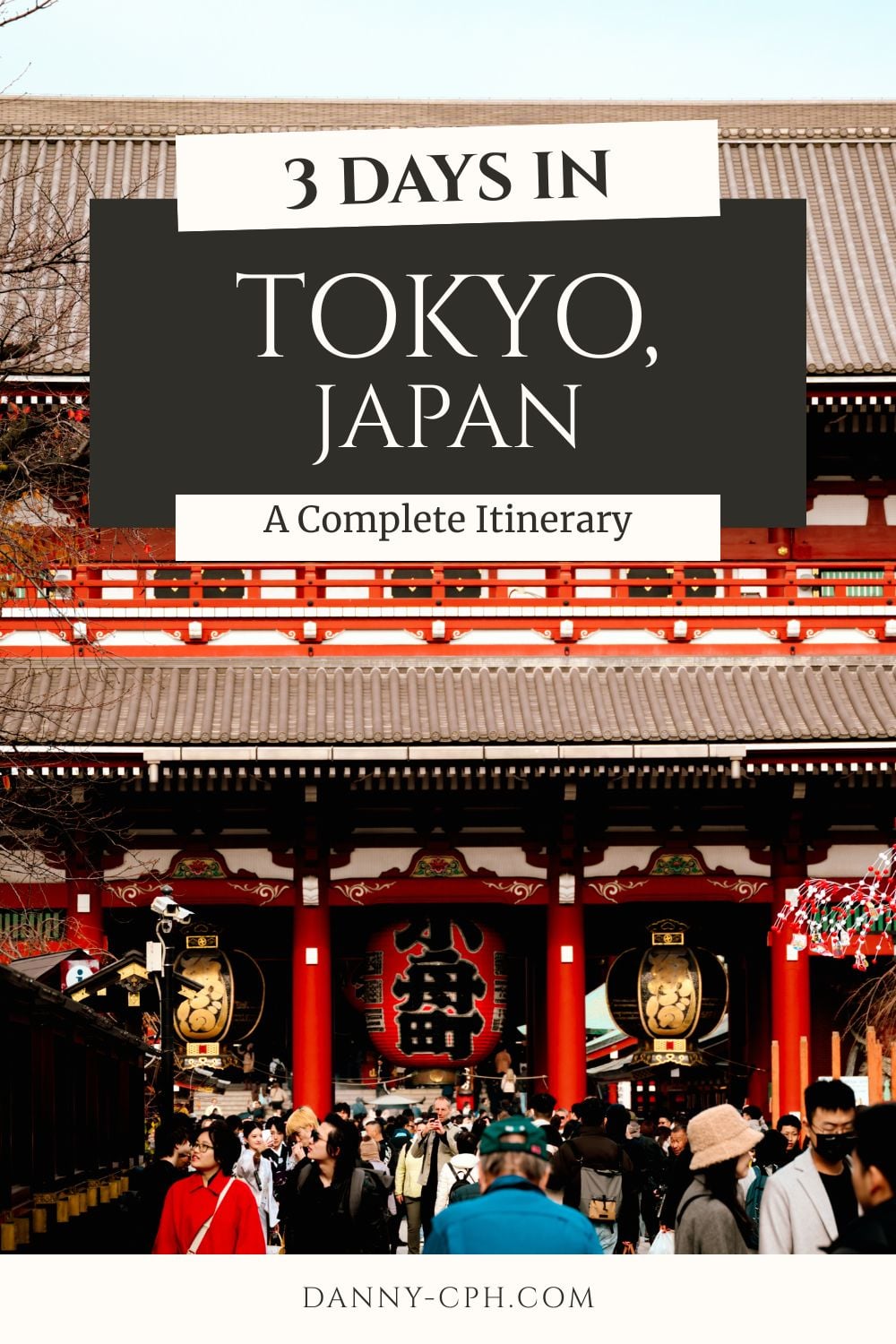
The main sight will be the Senso-ji Temple, which is the oldest in Tokyo. It’s also one of the most crowded, and you *will* need to prepare for it to be busy if you visit at basically any point during the day. Before that, though, I recommend quickly going to the observation deck at the Asakusa Tourist Information Center.
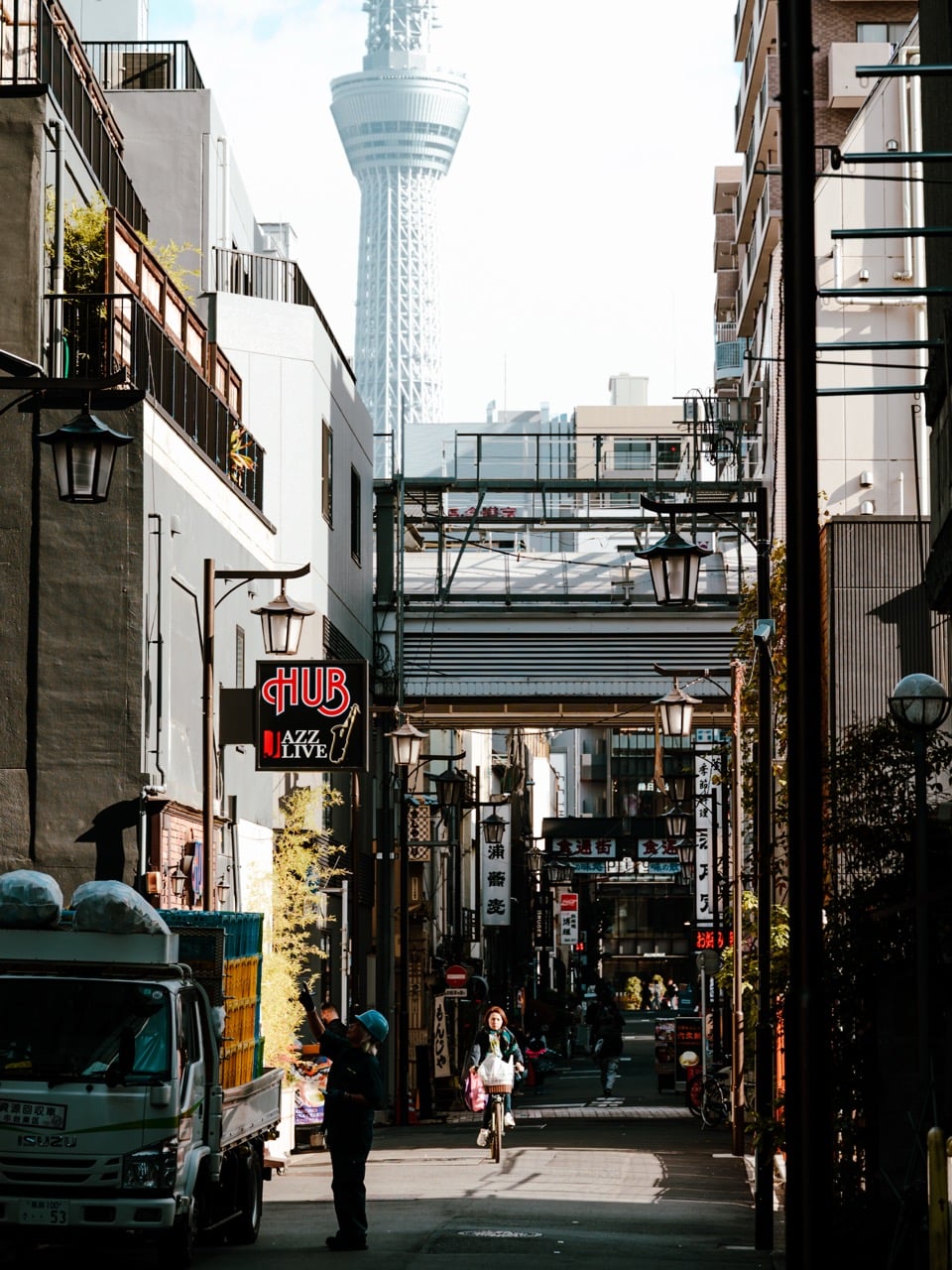
We got to visit for free, and at the time of writing, this is still the case. From the observation deck, you’ll get excellent views of Senso-ji. Moreover, you’ll see the Sky Tree from an interesting angle. Even though I’ve already been here, I would happily go back on a future trip.
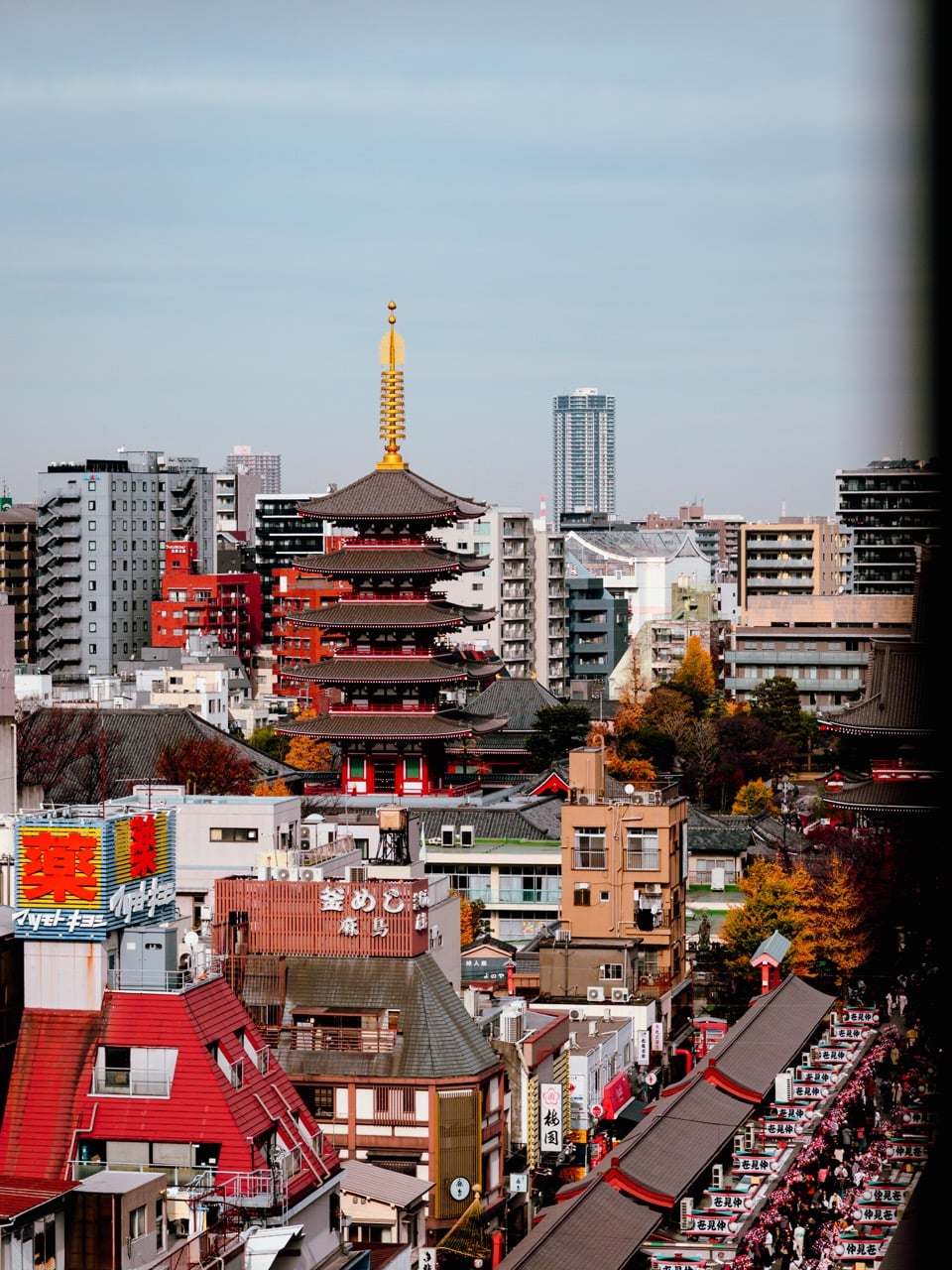
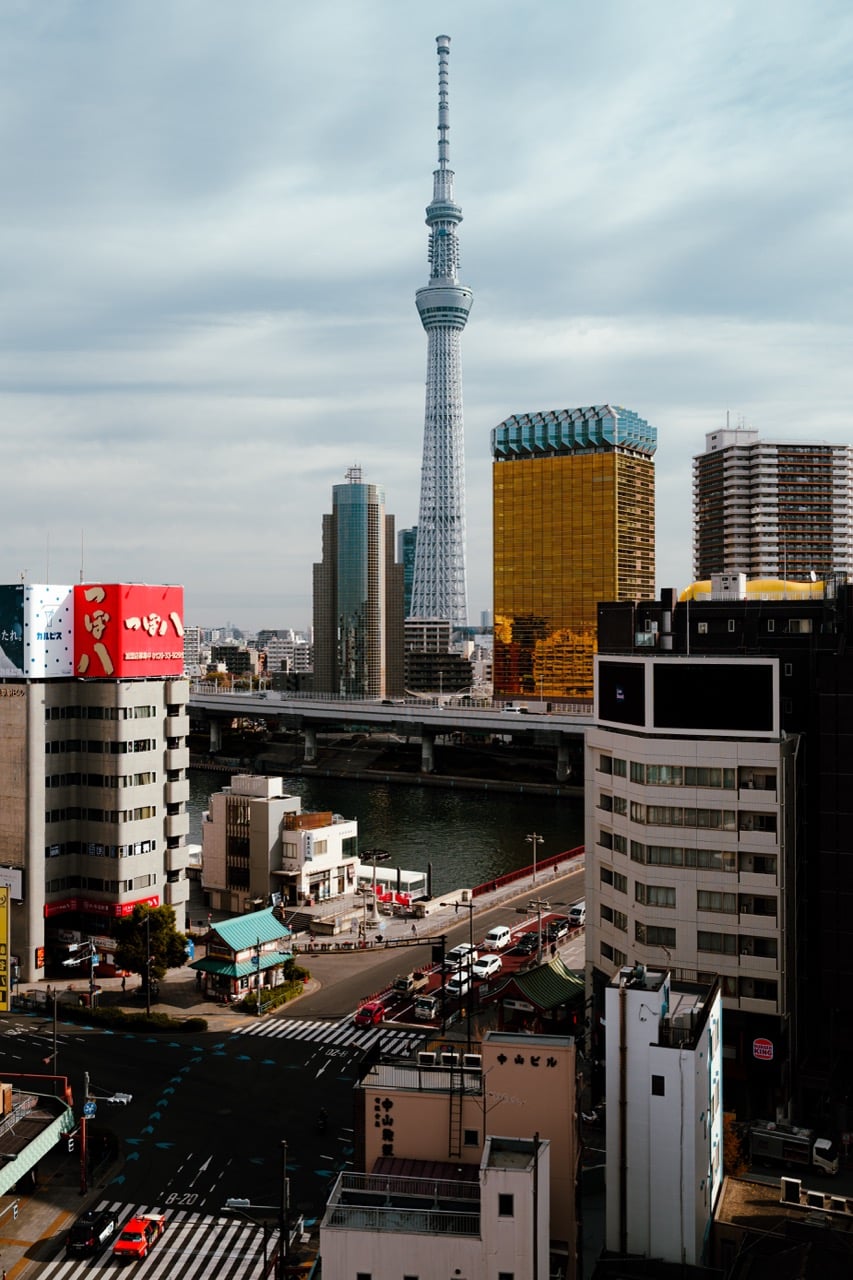
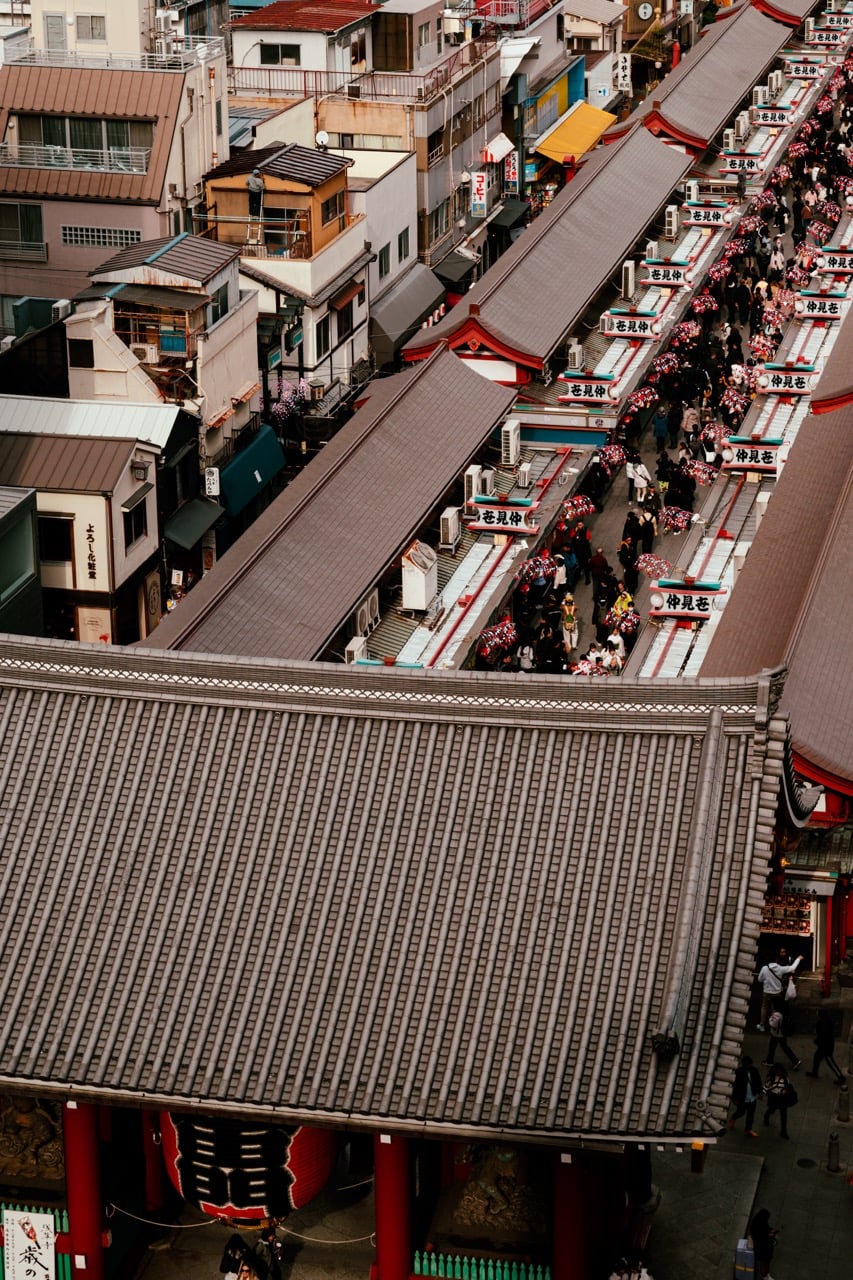
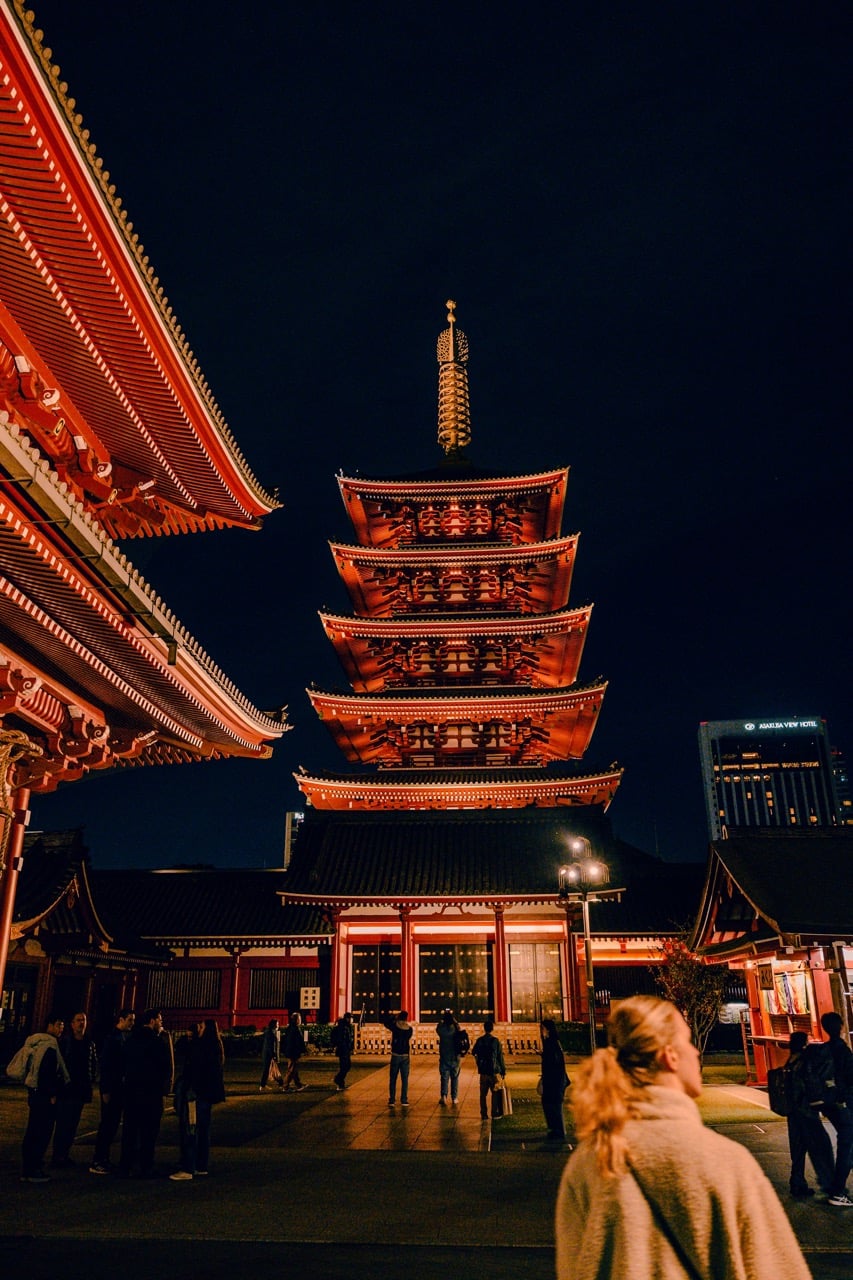
After a quick stop at the Asakusa Tourist Information Center, you can head back to street level. From here, Senso-ji is just a short walk away. Even though it’s very crowded, I still really enjoyed visiting the temple. We went here both during the day and at night, so you may also want to come back here later.
We bought some nice souvenirs from Senso-ji; be sure to bring some physical cash if you plan on doing the same. The free parts of the temple grounds are great, and you’ll probably spend an hour or two here.
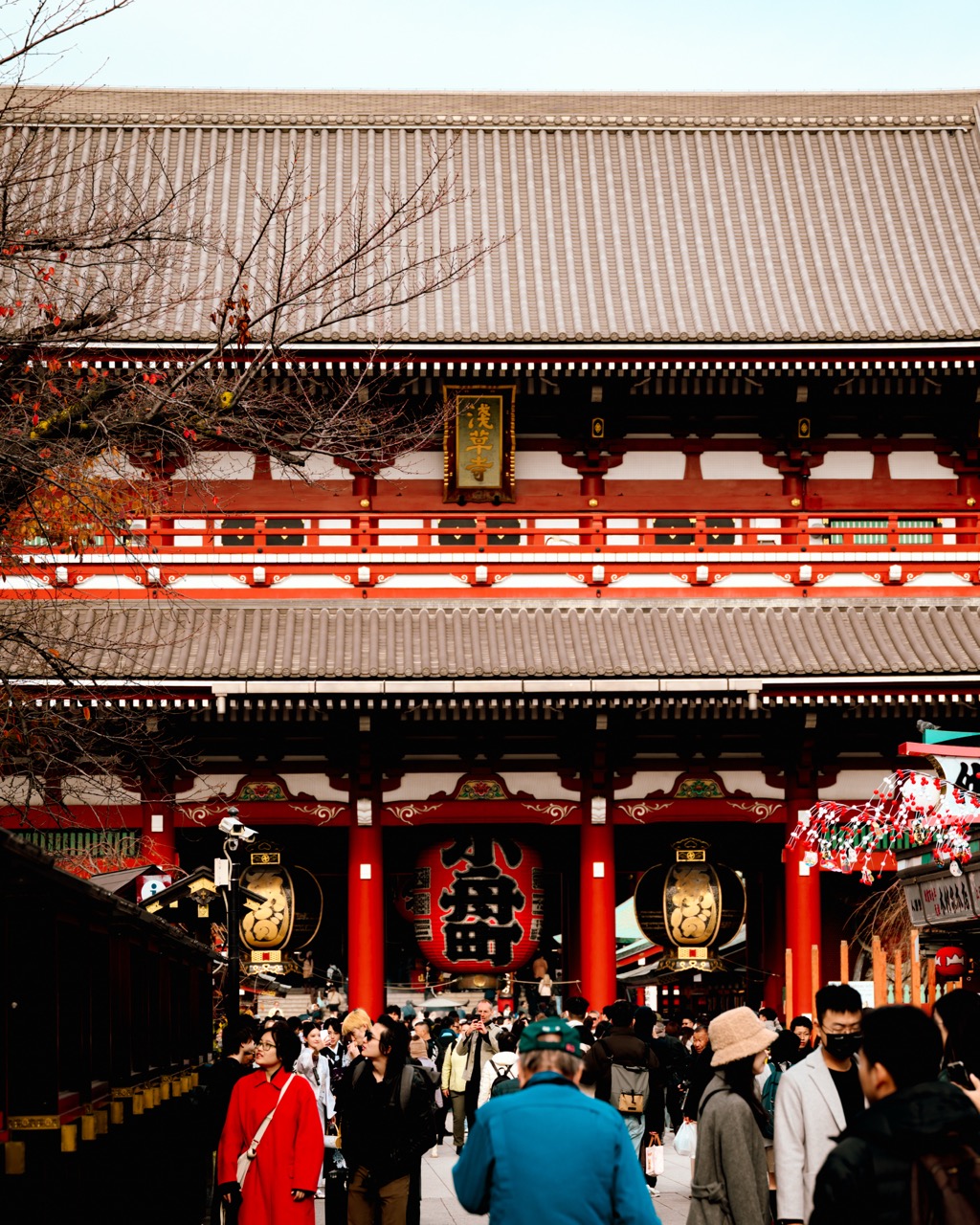
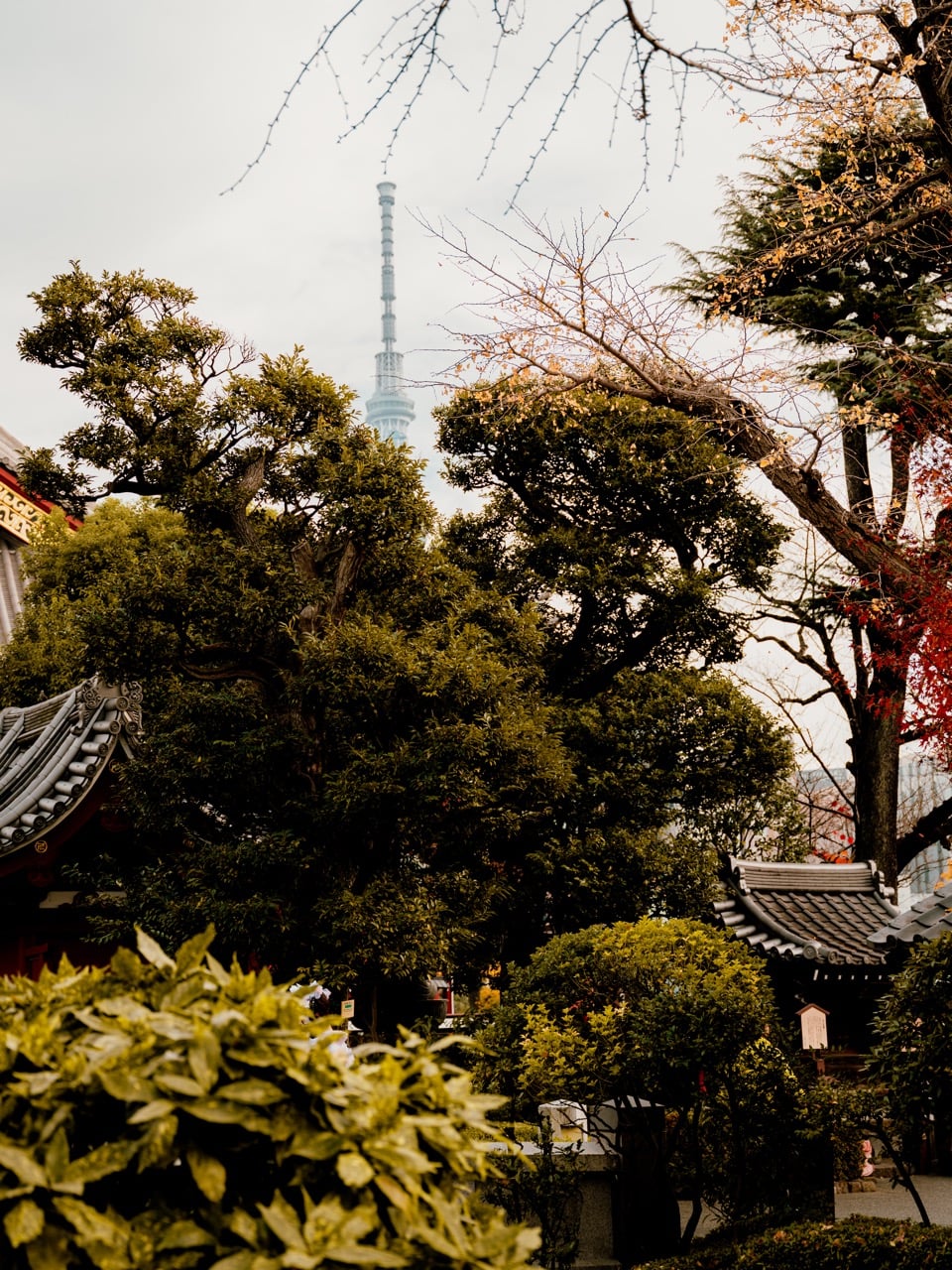
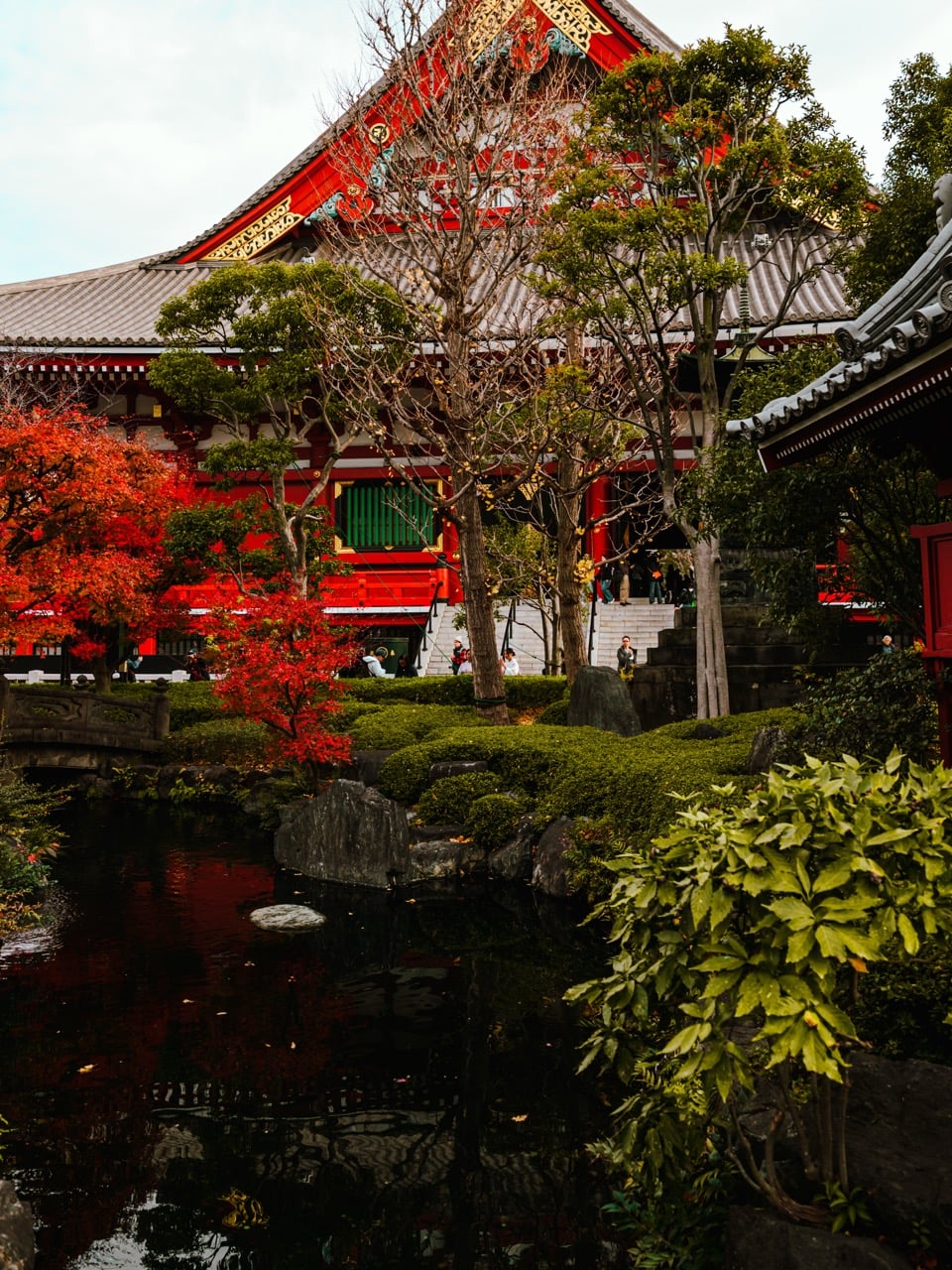
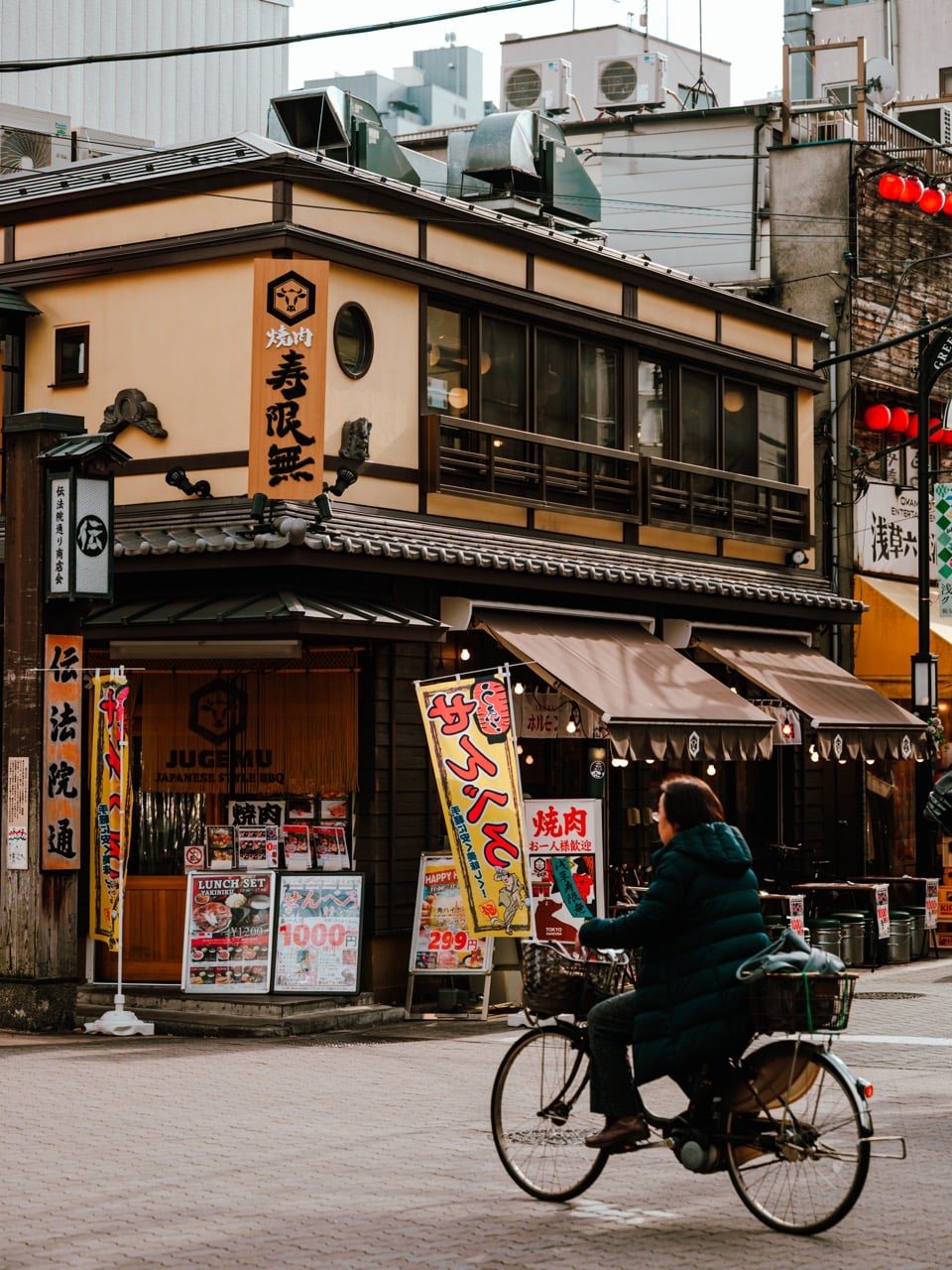
Once you’re done at Senso-ji, you can spend some more time exploring Asakusa. We spent a lot of time across multiple days doing this; like I said earlier, it’s a really cool neighborhood. I love the architecture here, and the overall atmosphere was just really nice. Plus, it’s quite close to the next spot on this itinerary.
Late Afternoon & Evening
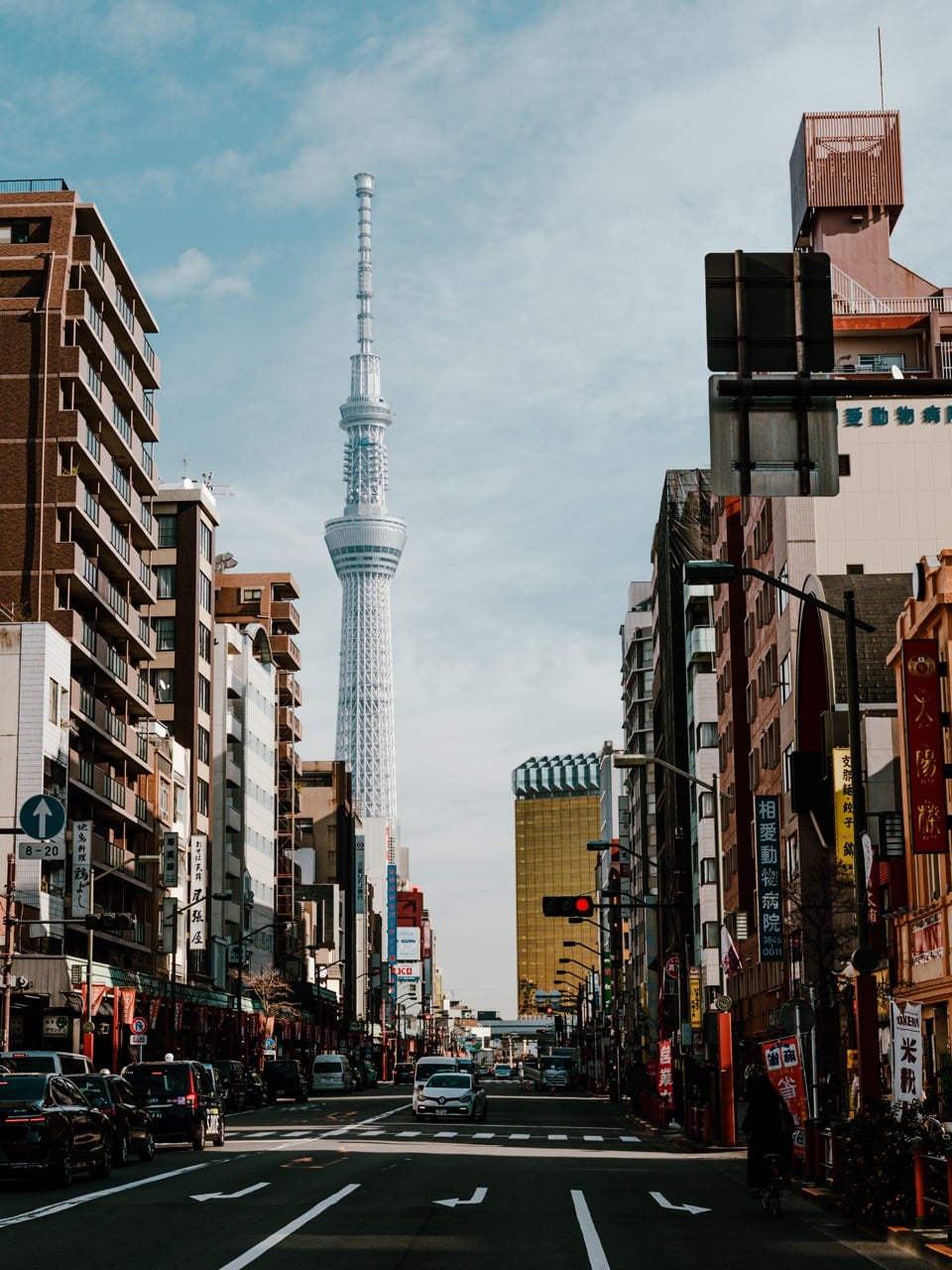
Visiting the Skytree was one of the highlights of my first trip to Tokyo, so much so that I wrote a full guide based on my experiences. It was insanely crowded when we went there, and it’s needless to say that I strongly recommend buying tickets in advance (you can do so below). Still, it was an amazing experience. One thing worth keeping in mind is that you can’t get a refund in most cases if the weather/visibility is bad, so you should definitely check the weather forecast before doing so.
You’ll probably spend quite a lot of time at the Skytree. We were here for over two hours, and this is where you’ll realize just how big Tokyo really is. I say this as someone who grew up in London and regularly visits NYC since part of my family are from there: Tokyo makes both of them look tiny in comparison. You’ll get another great view of Senso-ji from just across the river, along with many other parts of the city.
The Skytree will be one of the more expensive attractions you visit in Tokyo (and Japan, for that matter), but the price is still pretty reasonable IMO. There isn’t really a bad time to visit, but I have to say that sunset—along with seeing Tokyo at night—was very cool.
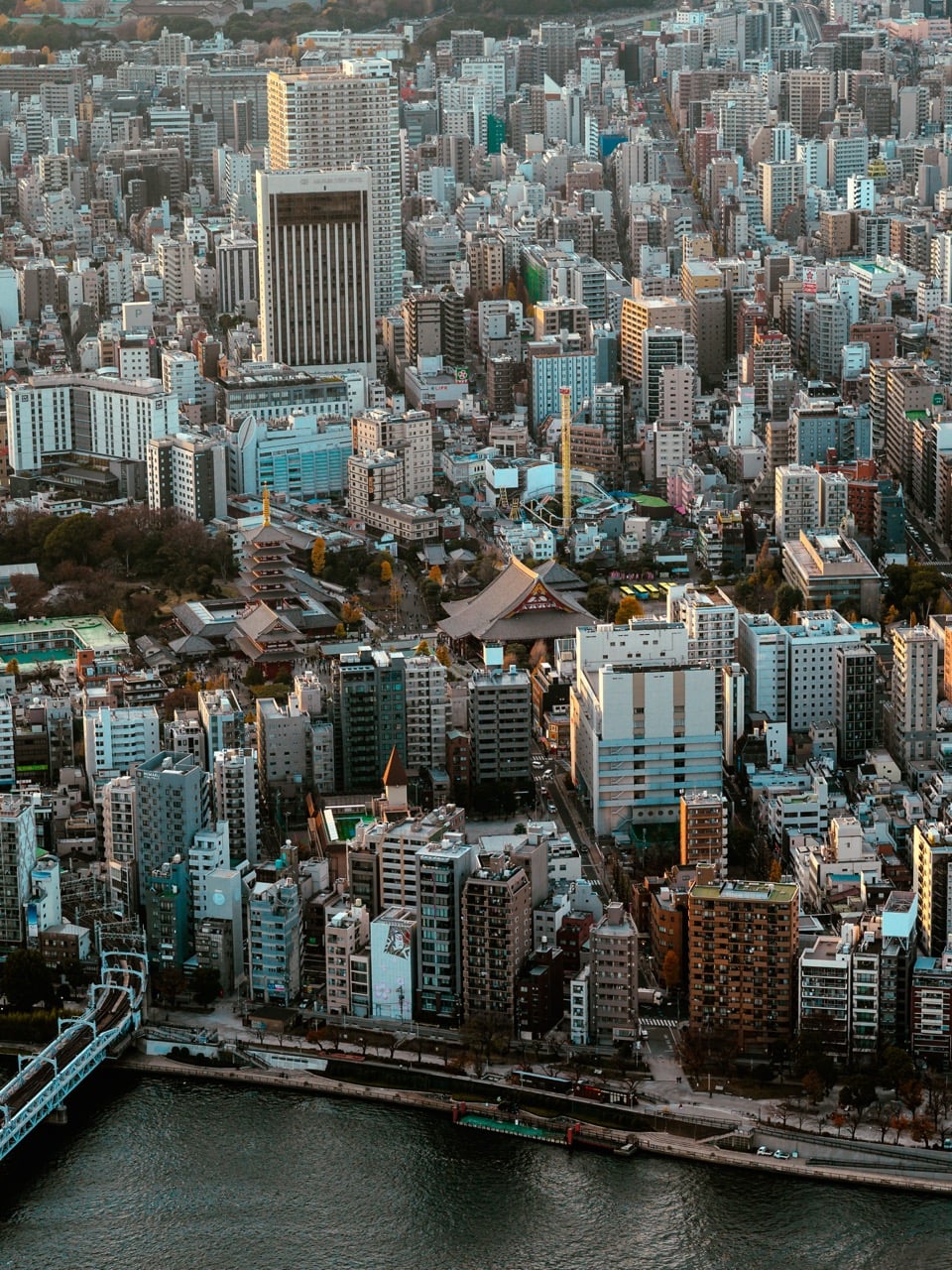
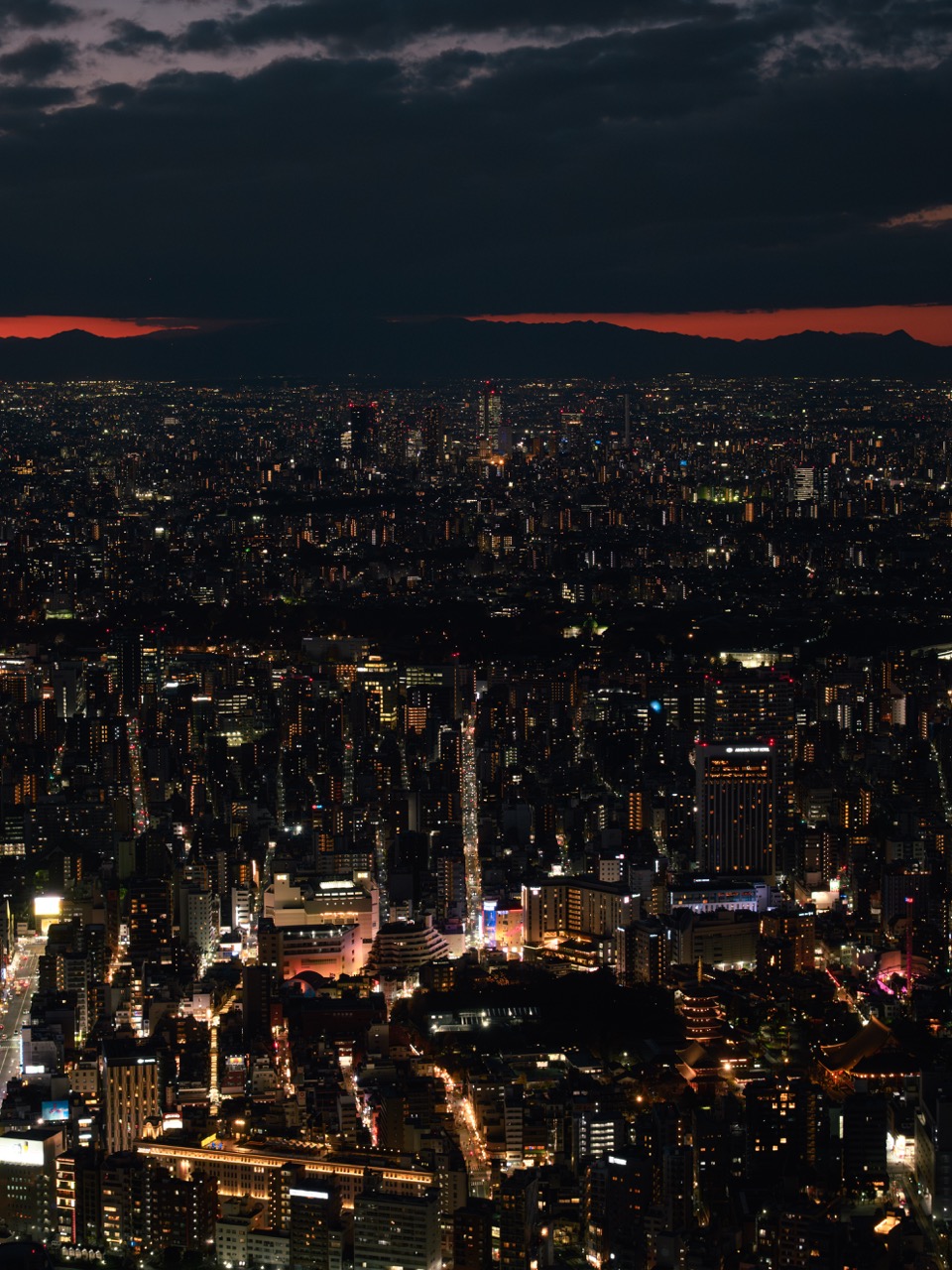
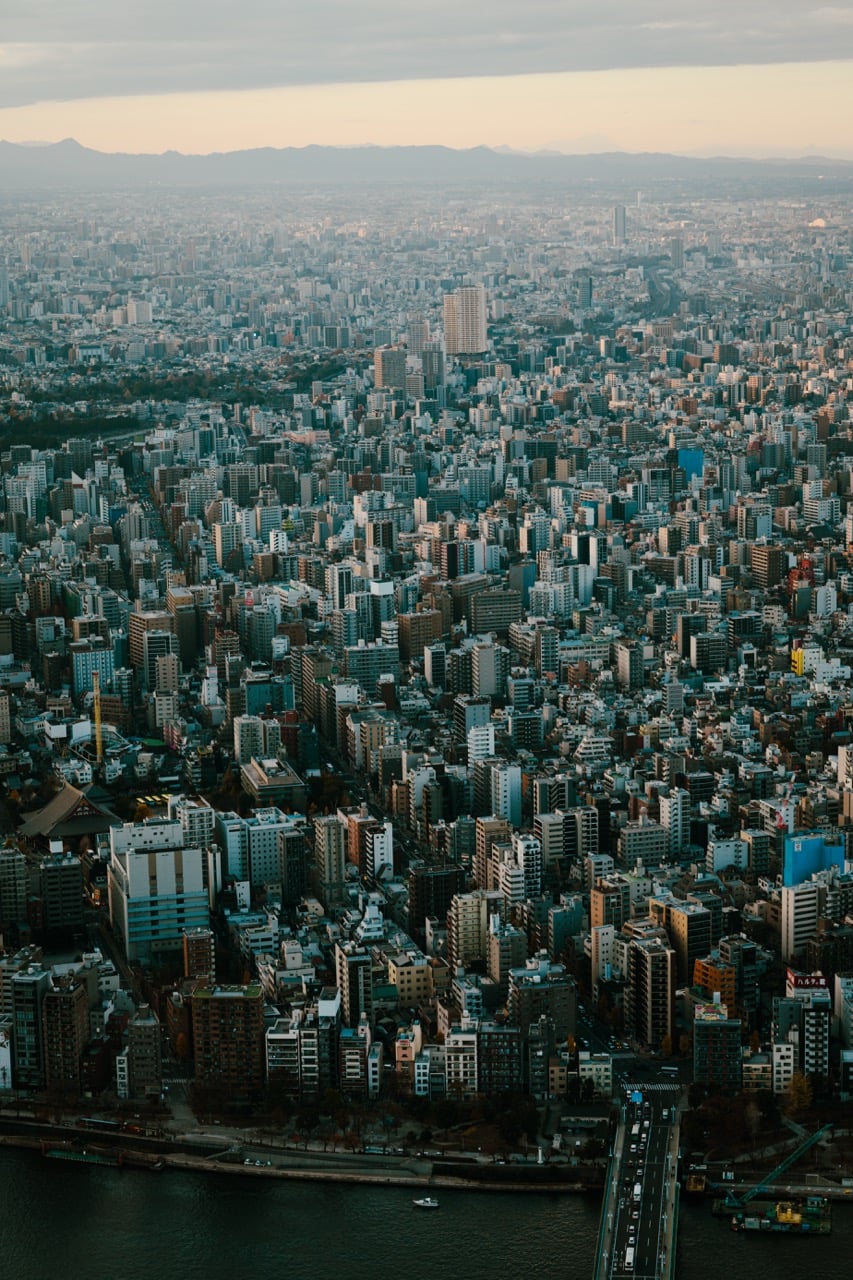
Once you’re done at the Skytree, you’ll probably need to wait in a queue for the elevator back down to street level. When you are there, I recommend going to Ichiran Asakusa for dinner. It’s around 20 minutes from the Skytree if you walk, and the Subway ride isn’t too far away, either. You can have a nighttime walk along the riverfront once you’re done, too.
Day 3
The third day of this itinerary will likely feel more fast-paced than the other two, but you can always remove parts that don’t interest you if you want. There are also some spots that you won’t spend too much time at, anyway, but will probably still wish to see as a first-time visitor.
Morning
Much of the morning will be in Shibuya. Before going to the Shibuya Crossing (which I will get to in a moment, don’t worry about that), I recommend spending your time in Daikanyama and Ebisunishi. We loved visiting these two neighborhoods, and they were very peaceful when we were there.
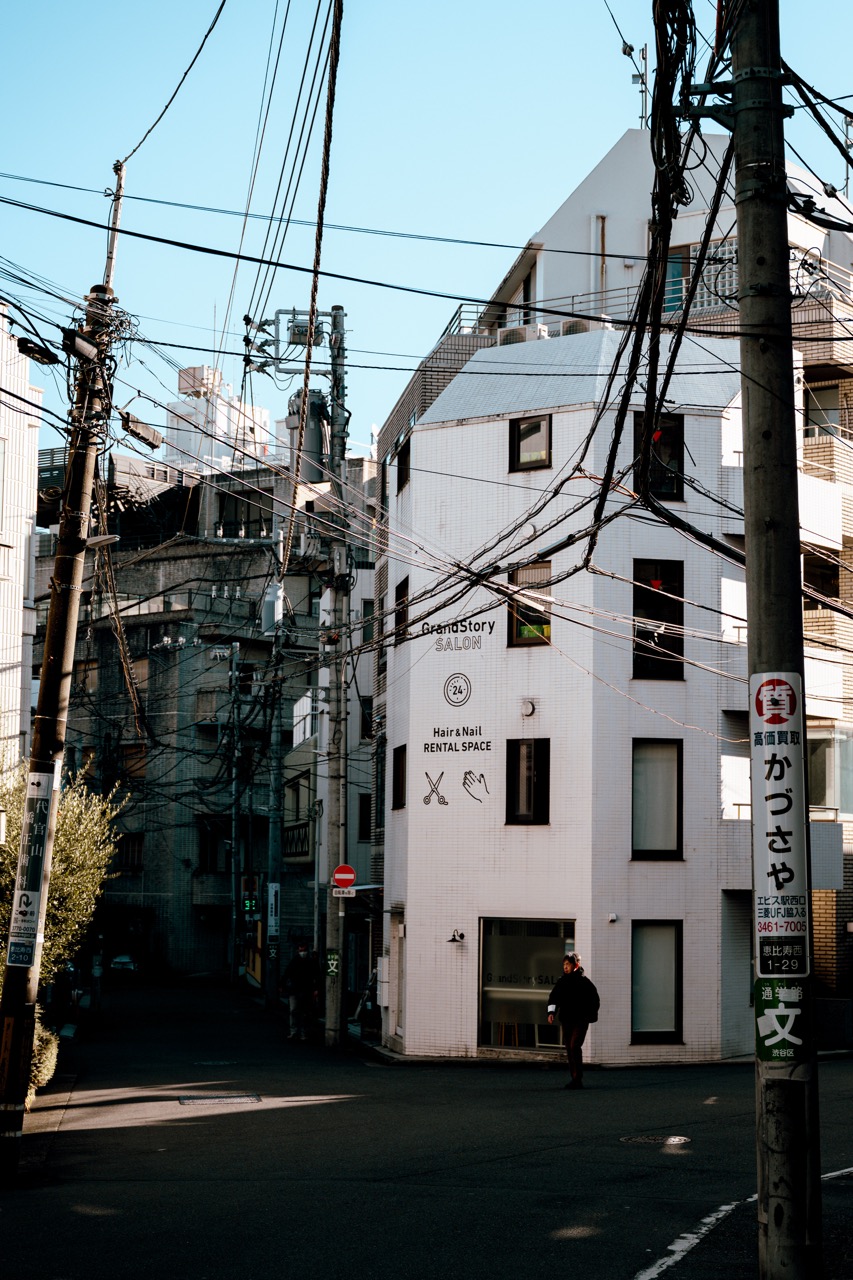
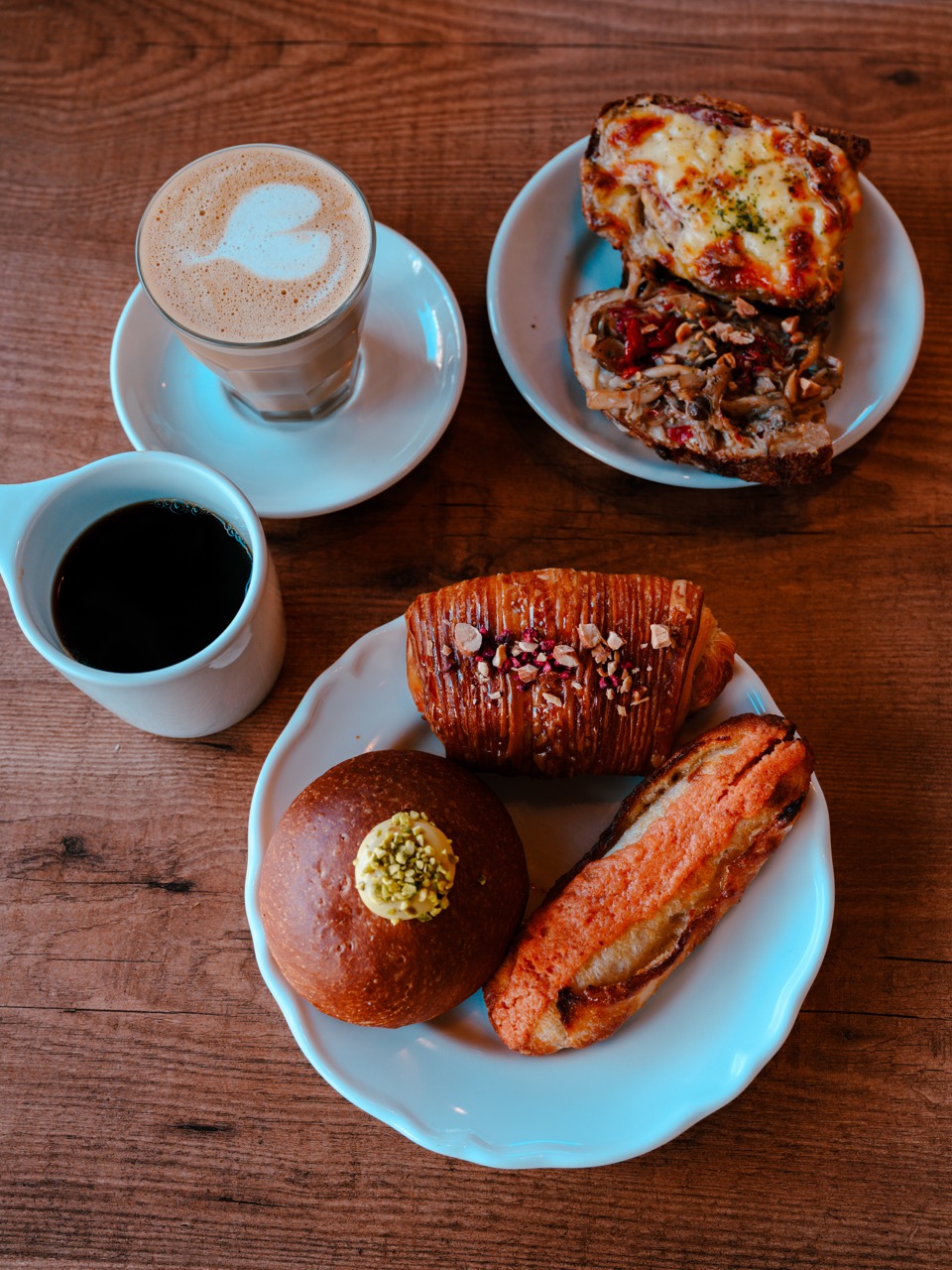

While in these parts of Tokyo, we had brunch at Garden House Crafts. You can also go to Andy’s Coffee for your caffeine fix. From here, it’s very easy to get to the Shibuya Crossing.
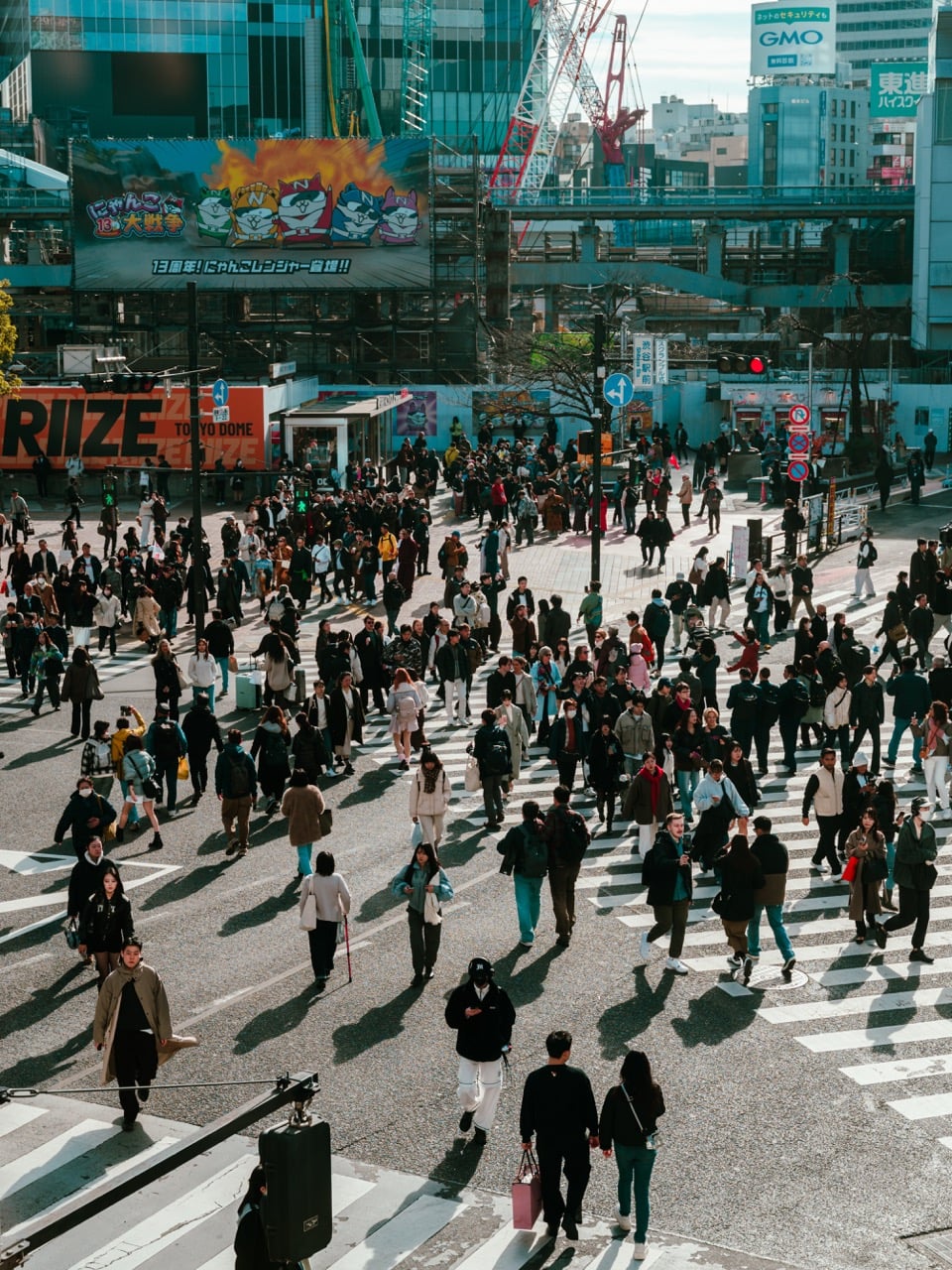
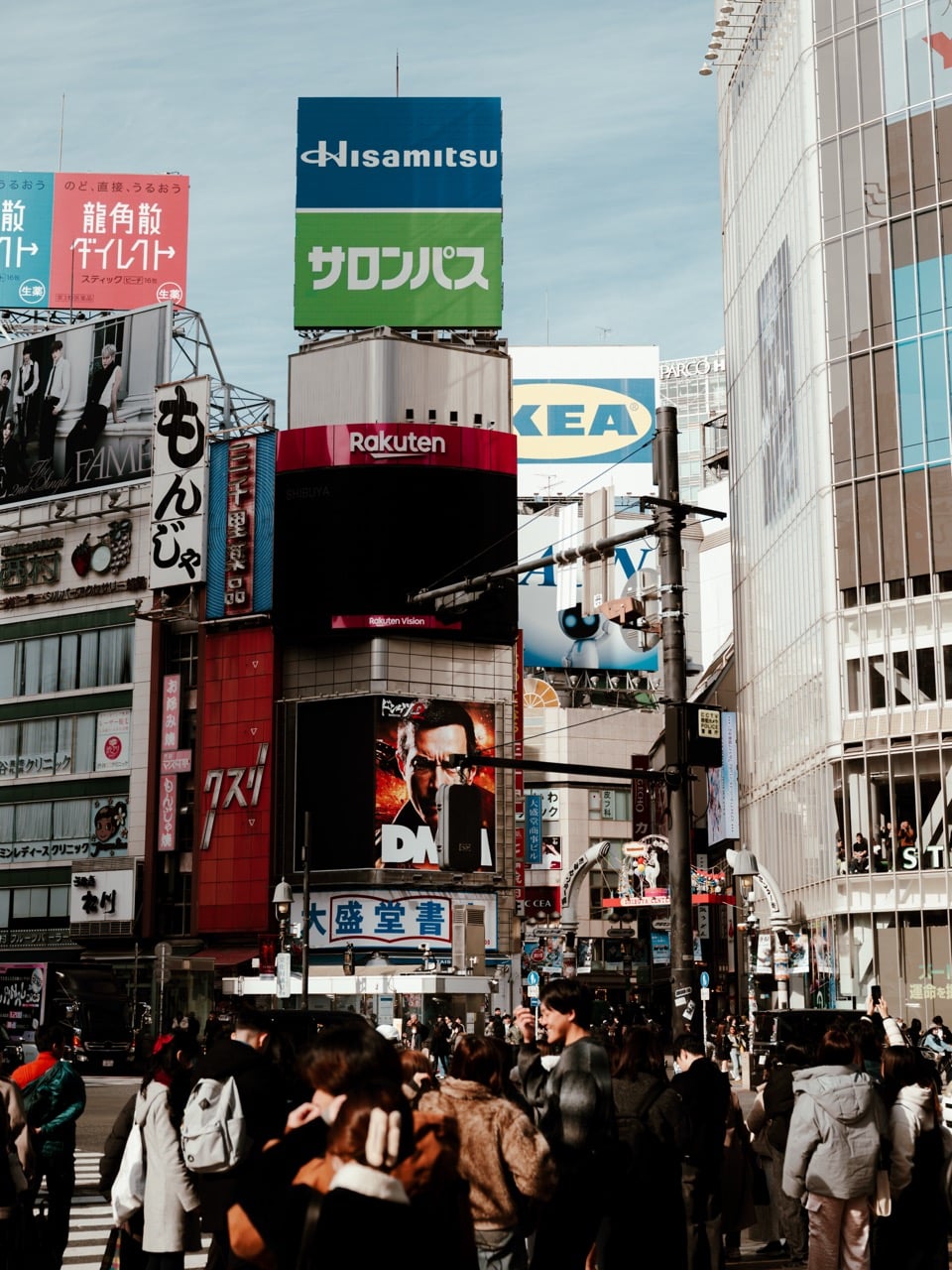
Right.. I said that I’d cover this. So here I am, covering it. Seeing the Shibuya Crossing was worth it for a first-time visitor, and I did enjoy it, but it’s more of a “get your photo and go” thing. Have mercy on me for paying for Starbucks, but… You can get a decent view of the crossing from the nearby Starbucks. You will, however, need to buy something.
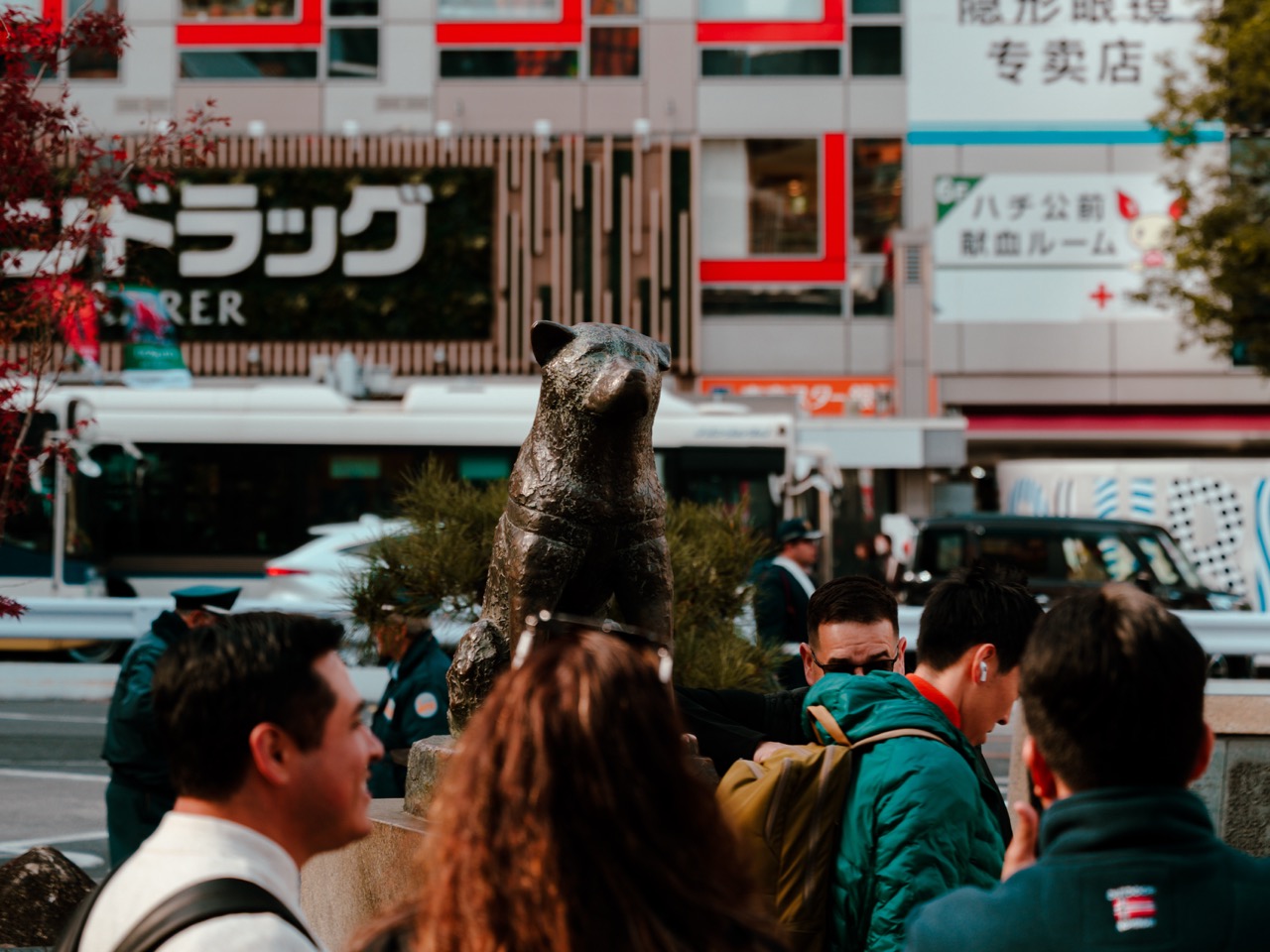
Speaking of “snap your pic and go”, the Hachiko Statue is also very much that. You don’t need to spend a huge amount of time here. It’s basically like Manneken Pis in Brussels or the Little Mermaid in Copenhagen; you see it, think “that’s all then, huh”, and move on with your day.
You might well still be full from brunch, but if not, you’ll find numerous convenience stores to get something quick to eat for lunch.
Afternoon
Depending on how you’re doing for time, I recommend spending a bit of time in Tomigaya. It’s not too far from the other places we’ve been to on this day, and the neighborhood was a pleasant surprise. We got a nice Japan coffee table book as a souvenir from the Monocle store here, too.
You can either walk or take the Subway to Tomigaya from the parts of Shibuya mentioned.

From Tomigaya, it’s quite a long journey on public transport to Ueno Park—which is my next recommendation on the list. While I do think it’s a lovely park that’s worth some time, you can always just go to Nezu instead if you’re short on time.
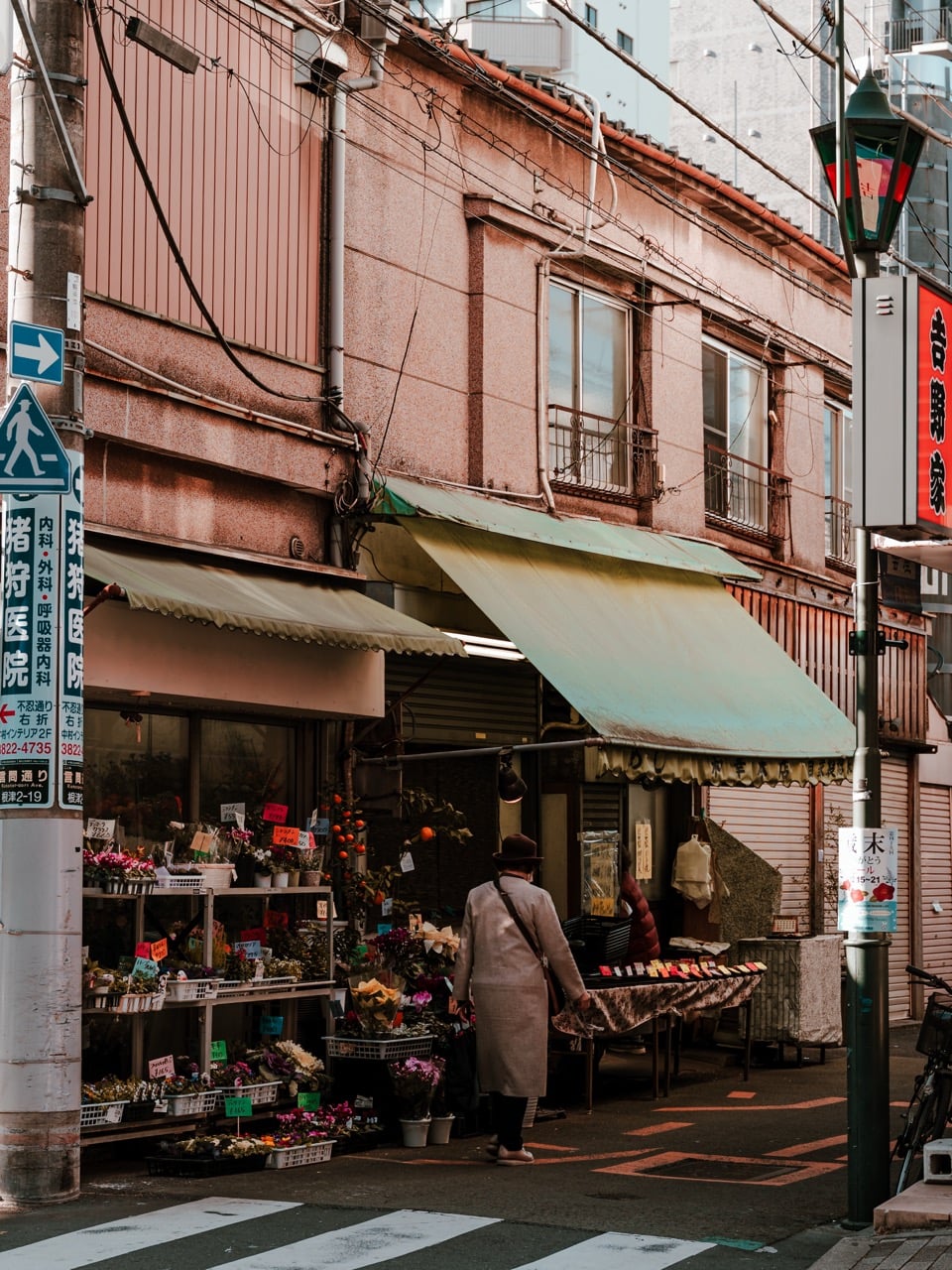
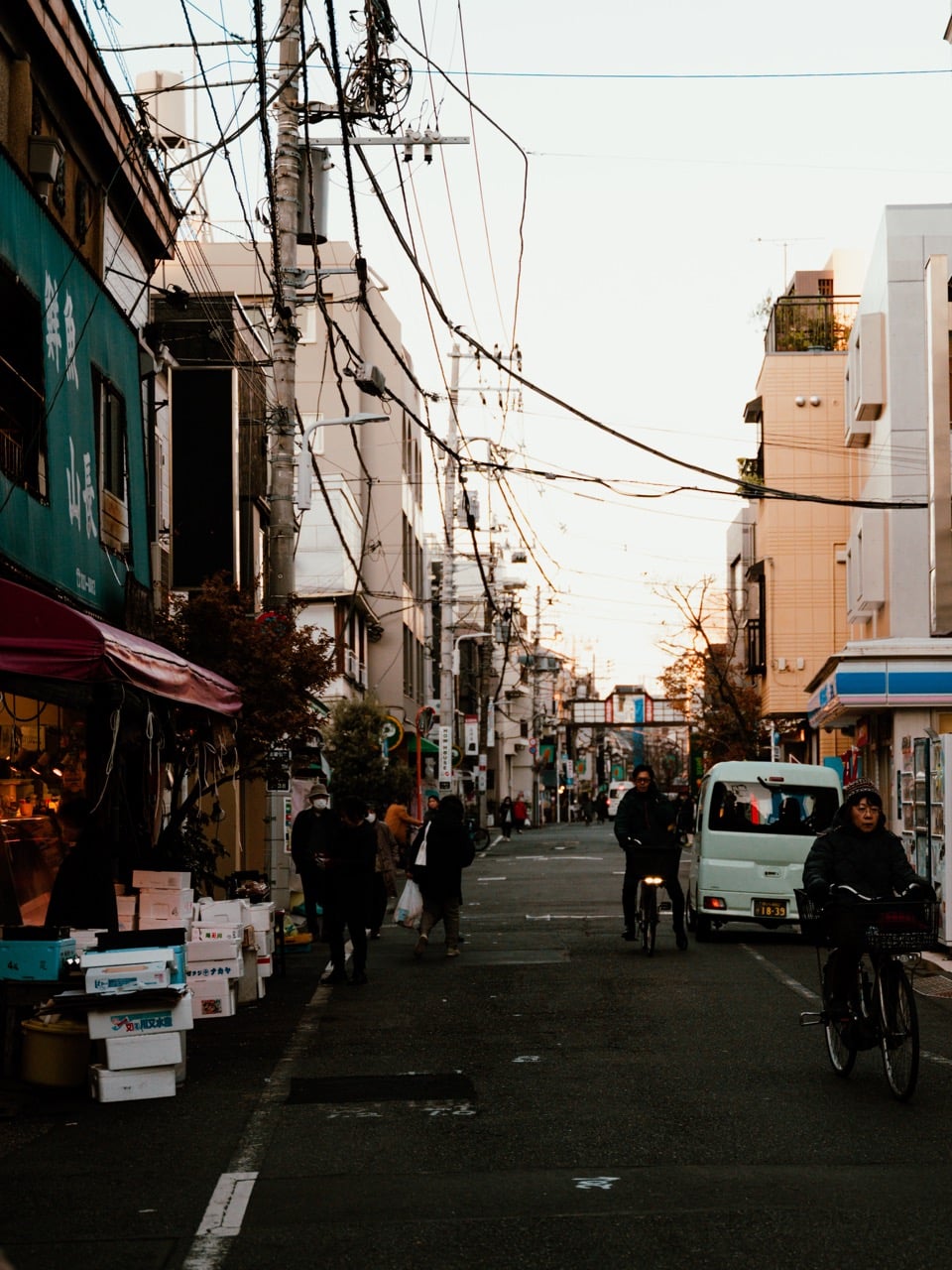
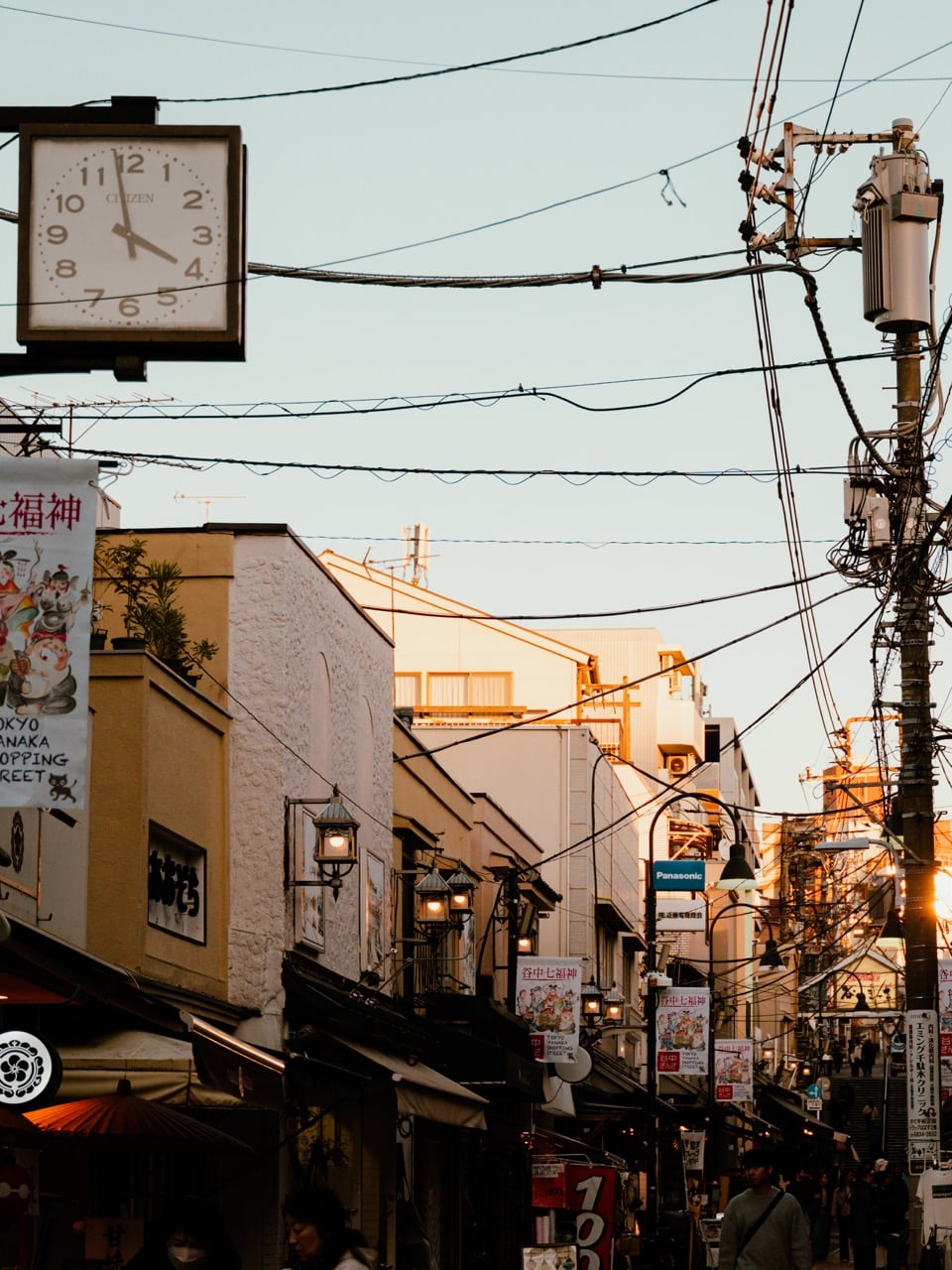
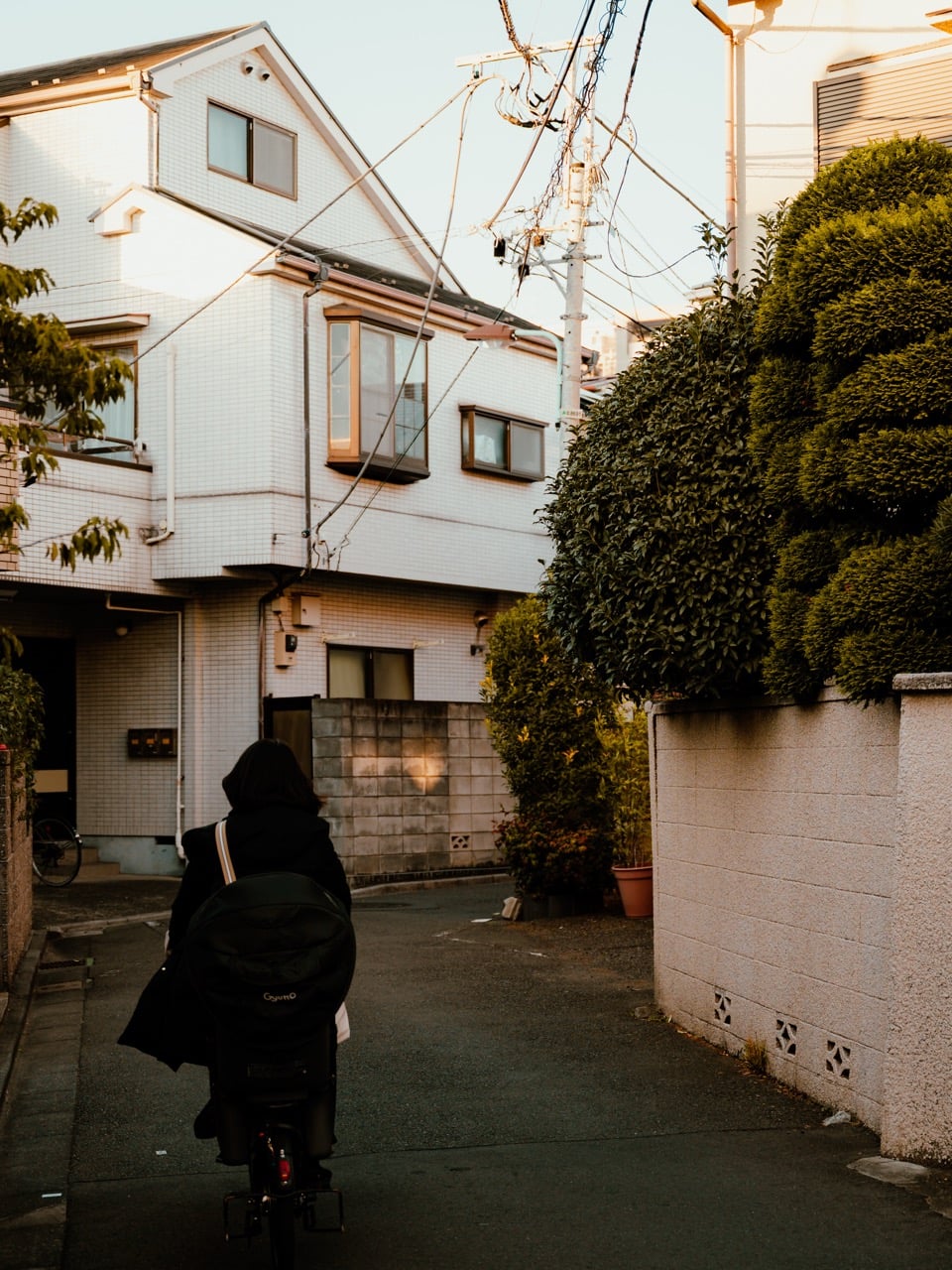
Nezu and Yanaka are two of my favorite neighborhoods in Tokyo, and I’d love to stay around this part of town when I next visit. The vibe in Nezu especially was great, and the side streets are some of my favorite photo spots in the Japanese capital.
The Nezu Shrine is well worth your time; we spent around an hour here, and it was really nice. Note that if you visit during the cherry blossom season, you’ll need to pay a fee to enter the garden on the hillside.
Besides the shrine, I just really enjoyed spending an afternoon in Nezu. We went to a nice matcha place called MATCHA&ESPRESSO MIYANO-YU, which is a repurposed bathhouse. It helps that the matcha here is also really good, admittedly.
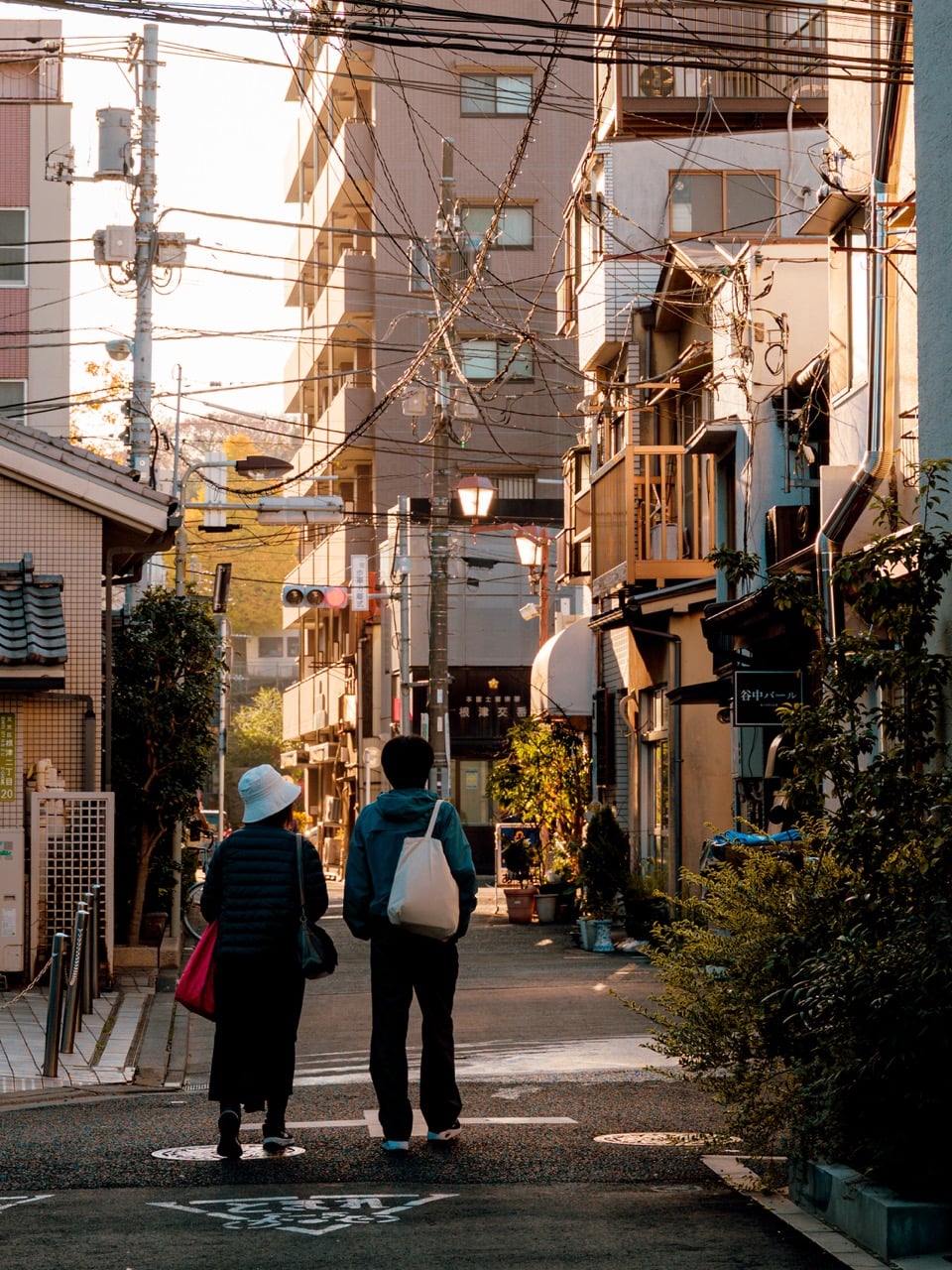
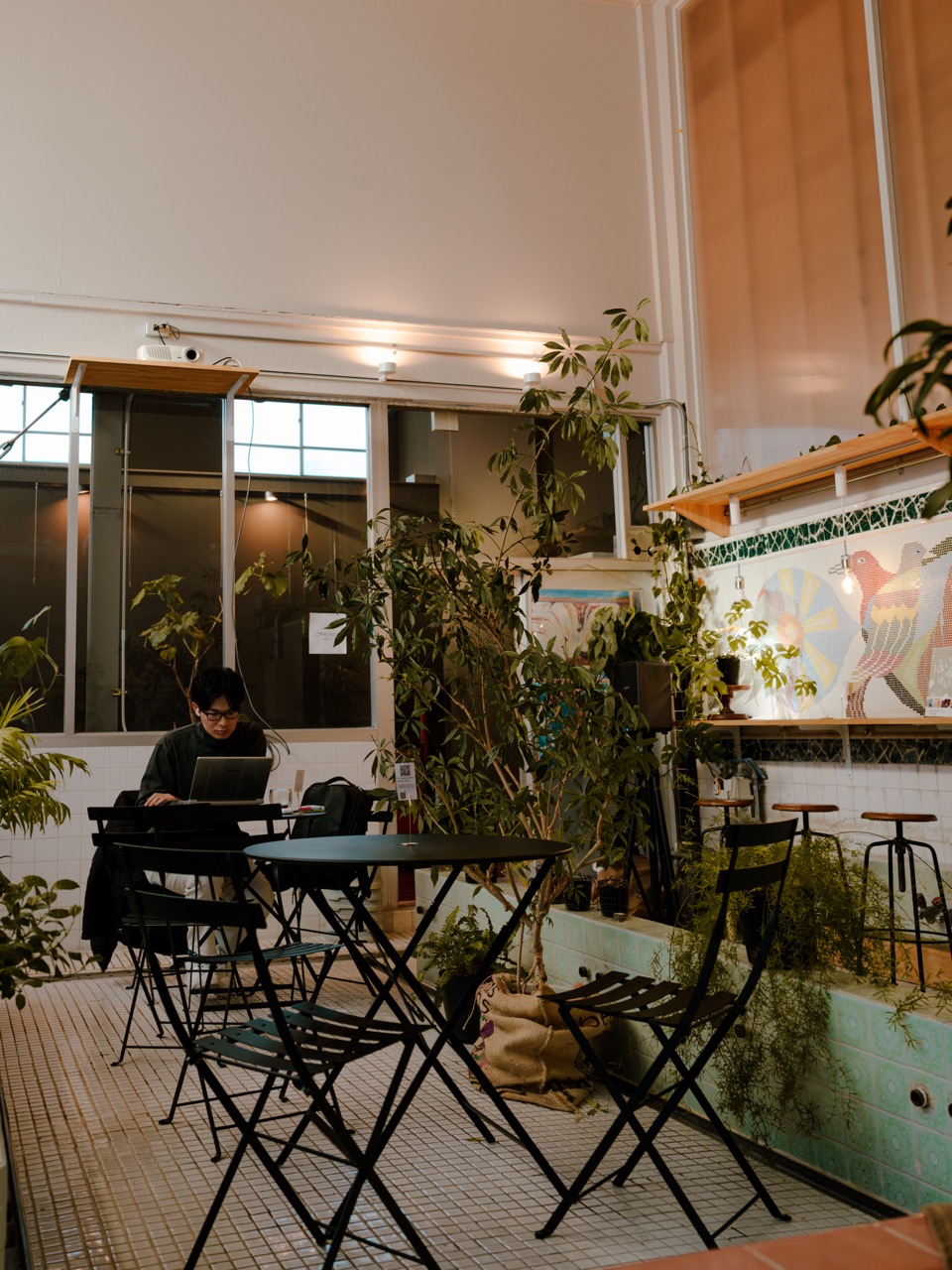
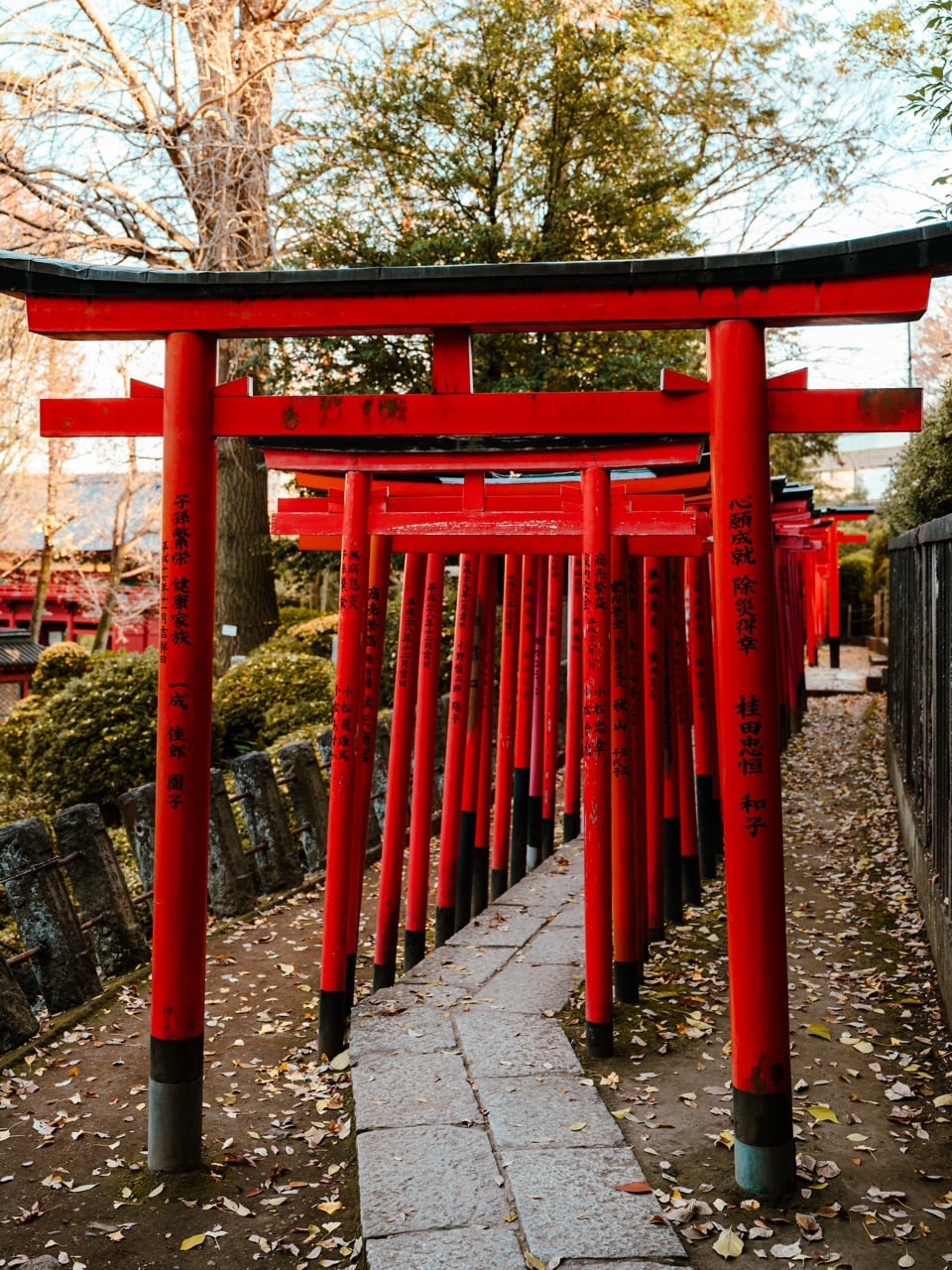
Yanaka has a nice shopping street, and in general, you’ll find various places to eat and drink in both Nezu and Yanaka. My top tip here is to basically let your curiosity lead the way and go wherever you want; if that means you don’t get to Yanaka, it’s fine (though I do think that you should).
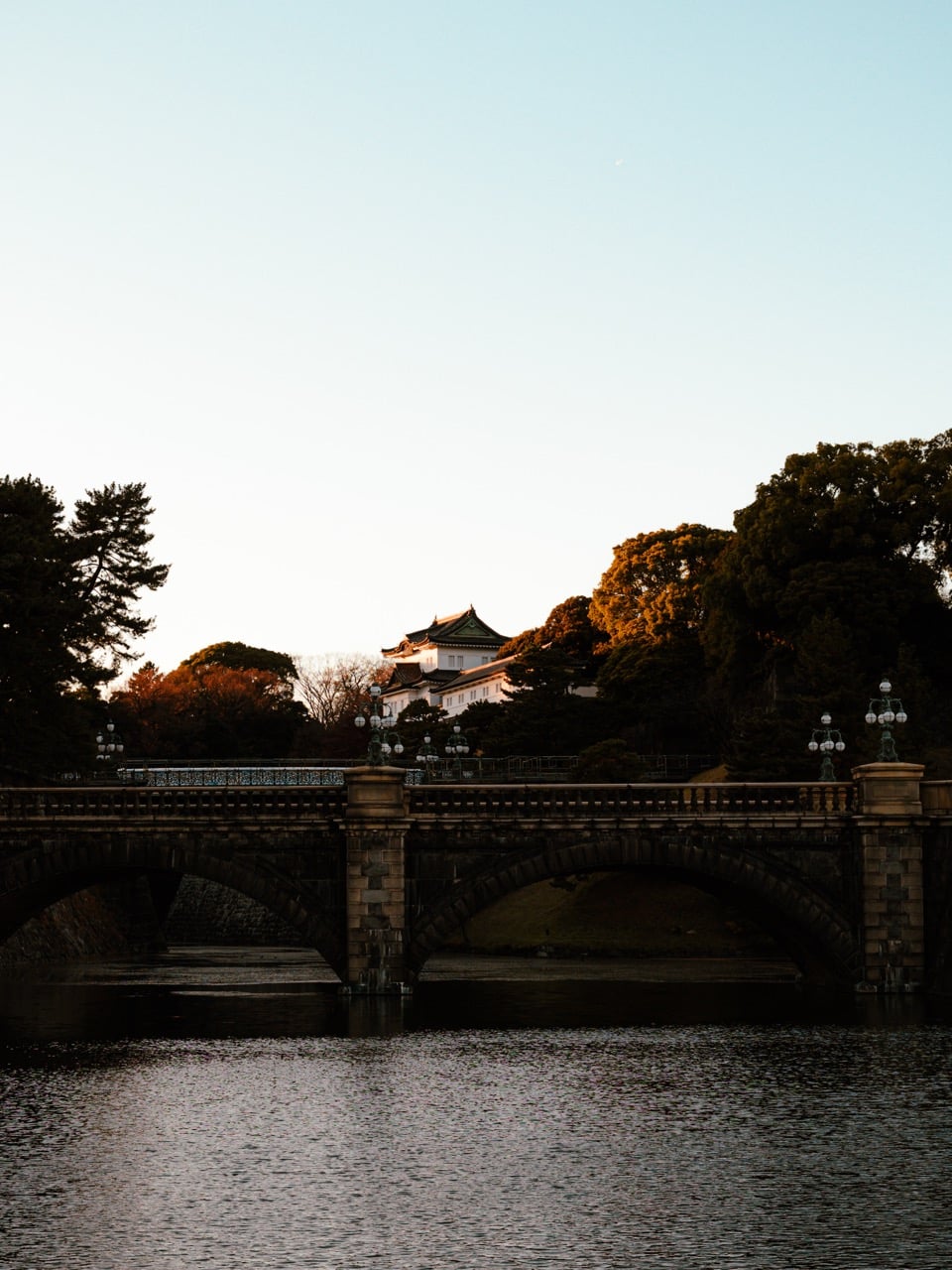
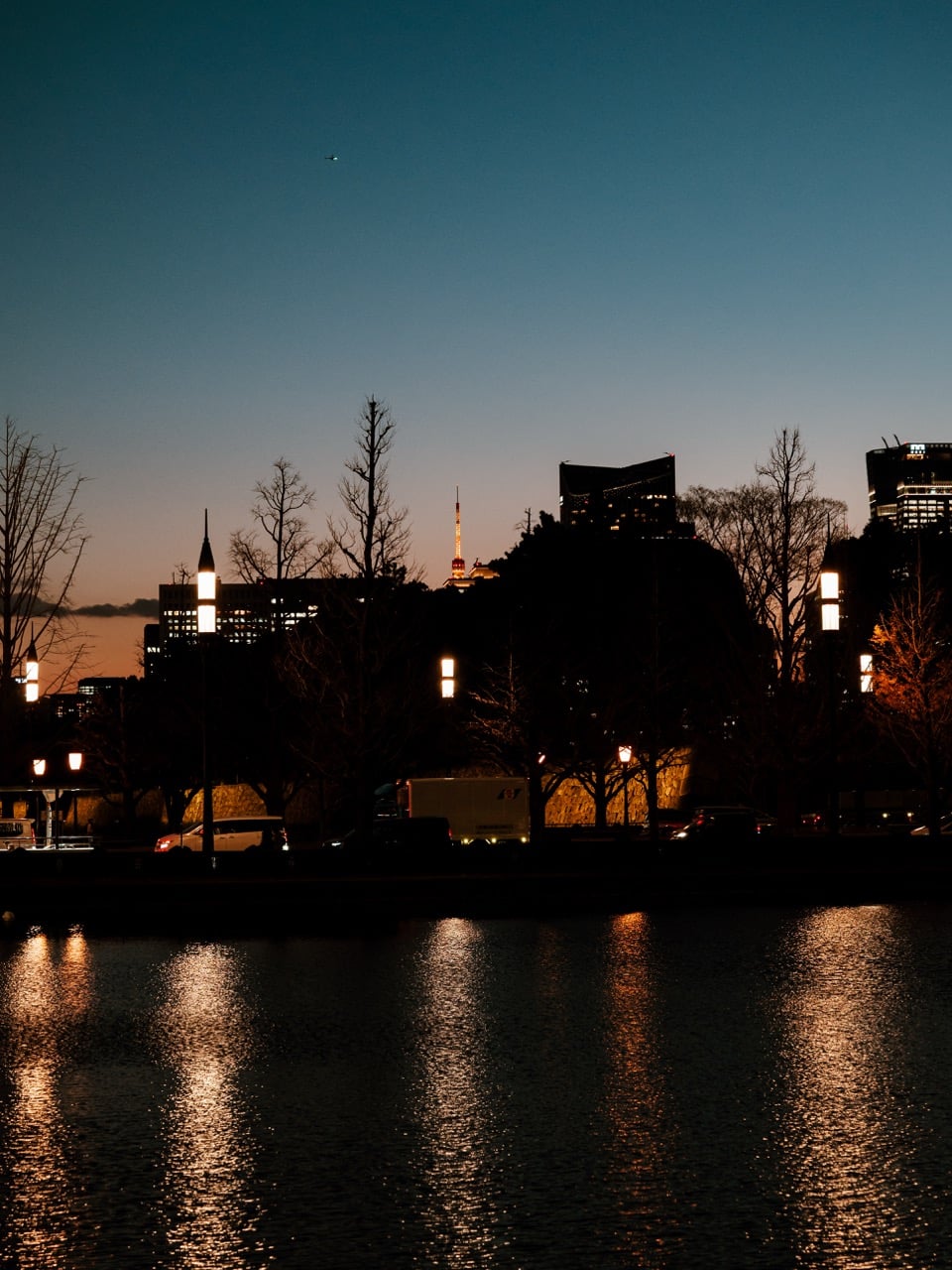
In the evening (depending on the sunset time), you can take the train to the Imperial Palace if you have some time. The inside will be closed at this time, but you can still see the exterior. Otherwise, you can get some food somewhere in Nezu or Yanaka before heading back to your accommodation or onward to wherever you’re going next.
Continuing Your Trip From Tokyo
Since Tokyo is often the first place that people visit after arriving in Japan, you might be going elsewhere in one of numerous ways. For example, we continued on to Kawaguchiko to spend a few nights by Mount Fuji. To do this, we took the bus.
It’s also easy to take the Shinkansen train to other parts of Japan from Tokyo, including Kyoto. If you happen to be visiting Kyoto, on that note, you may want to check out my itinerary for Japan’s former capital.
If you happen to be flying back from Haneda or Narita, and Tokyo is the last leg of your trip, you can modify this depending on when your flight is.
A Useful Tokyo Itinerary for You to Follow
Tokyo is an amazing city, and considering that I expected to not like it, I’m amazed at just how much it surpassed my expectations. Even though it’s huge, the Japanese capital still feels very peaceful. I’ve been to numerous places a fraction of its size that felt way more chaotic, to be truthful with you.
While you’ll never see everything with just three days in Tokyo, you can still get to quite a lot of places. I also think it’s very much possible to have a great time without feeling rushed. I deliberately put space in this itinerary because the chances are that if you were rushing from Point A to B to C, you probably would not enjoy your time that much.
Now that you’ve read this itinerary, you should have a better idea of how you can structure your time in the Japanese capital. I also recommend reading my guide on the best things to do in Tokyo, which has more tips that you might find interesting.
Pin for Later 📌