Hiking the Fushimi-Inari Trail in Kyoto
*Disclaimer: This blog is reader-supported, and this page might therefore contain affiliate links. When you book or buy through them, I may earn a small commission at no extra cost to you. It helps me write these in-depth and original guides, so thank you for the support! Full Affiliate Disclosure
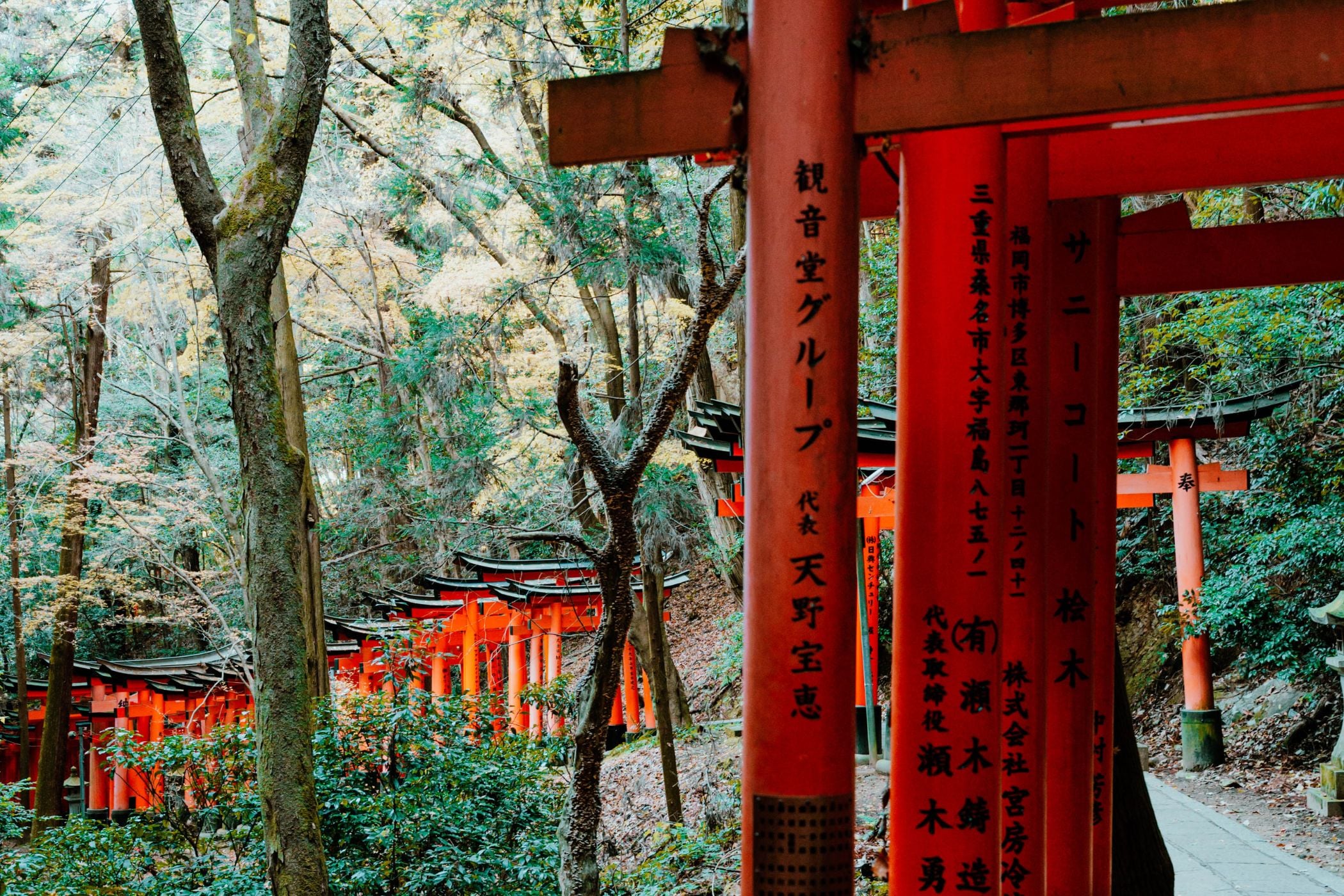
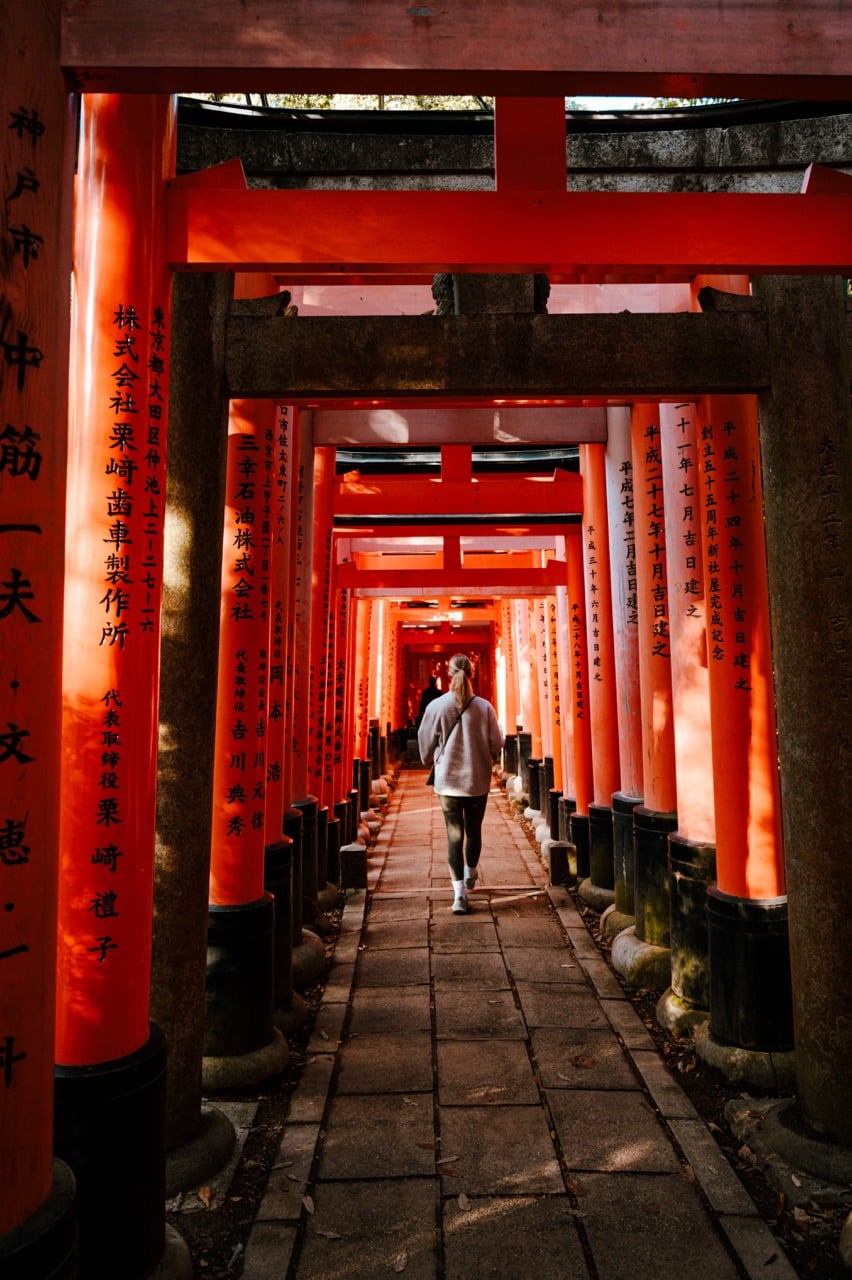
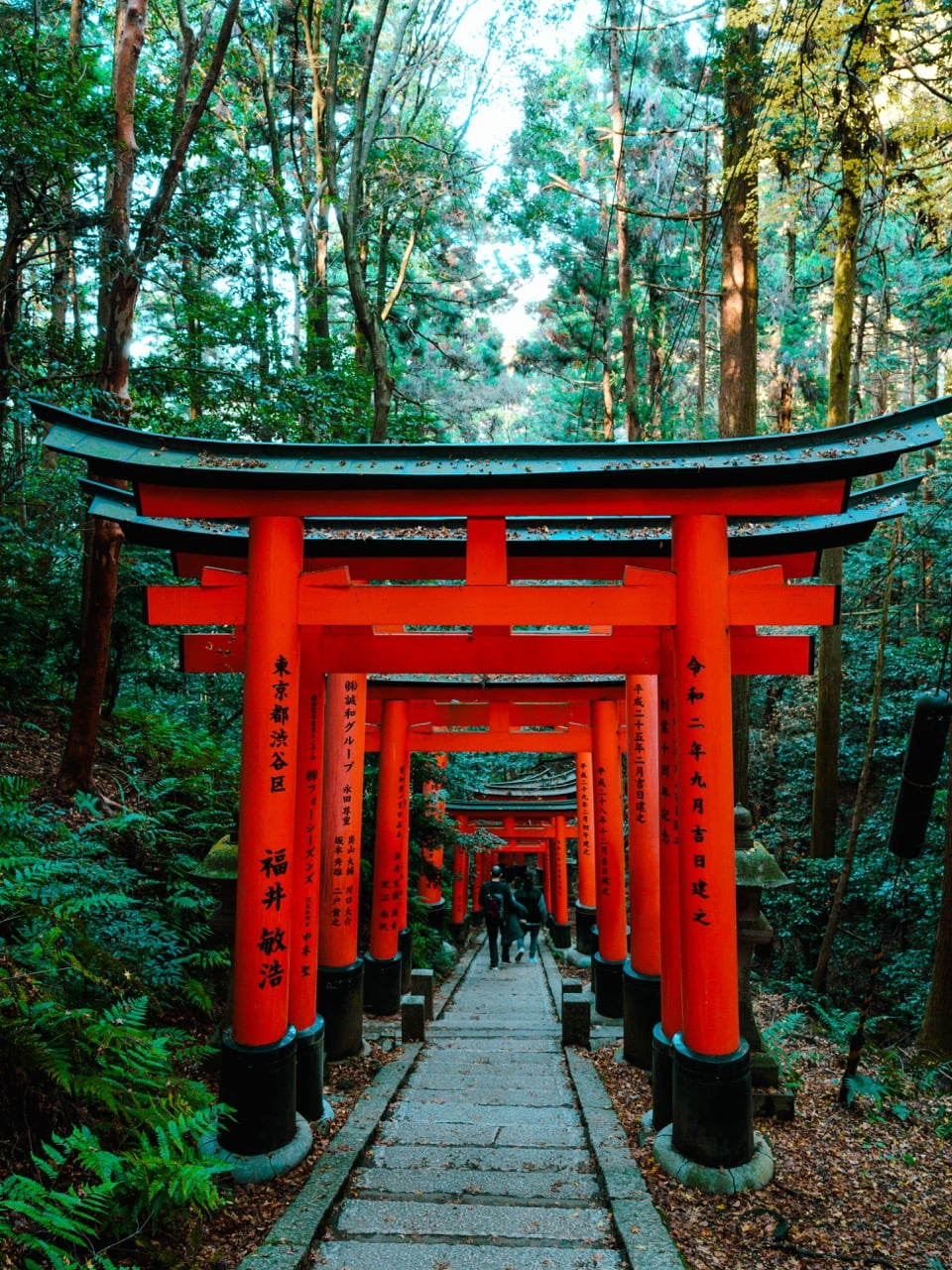
I’m pretty sure that the Senbon Torii (Thousand Torii Gates 千本鳥居) were the first photo I ever saw of Japan in the social media era. These bright orange gates at the Fushimi-Inari Shrine in Kyoto are one of the most photographed spots in Japan, and when we spontaneously booked a two-week trip to the country, I knew that I wanted to see them for myself.
-ARTICLE CONTINUES BELOW-
Get My Japan Golden Route Guides Delivered to Your Inbox
Save time on researching and get all my Golden Route travel guides delivered straight to your email inbox, plus some extra tips and newsletter updates. Unsubscribe anytime.
Considering that the gates are arguably the most touristy spot in Japan’s most touristy city, I was fully prepared for big crowds. Still, I’m not someone who says that everything popular is automatically not worth seeing. The truth is that some things are popular for a reason, and frankly, I was obviously not going to ignore the Fushimi-Inari Shrine on my first trip to Japan.
Besides seeing the gates, our main reason for visiting was to hike up the trail. My girlfriend and I are both very outdoorsy people, and Kyoto itself is blessed with lots of amazing opportunities in this respect. I learned quite a lot about hiking at the Fushimi-Inari Shrine while we were there, and today, I’m bringing all of that together for you in this guide.
I’ll discuss what the trail was like, along with giving you the right expectations so you can prepare for your trip accordingly.
I Didn’t Go Early in the Morning, and You Also Don’t Need To
Right, yeah—I’m going right in with the hot takes here. When I was researching about the Fushimi-Inari gates (and hike) online, a lot of people said that you should go first thing in the morning. The reason was that outside of this time, the crowds are borderline unmanageable.
I completely ignored this advice. Although we definitely wanted to go here at some point, we also wanted to do so at a time that suited us. Both of us like to have relaxed mornings where we can go at our own pace, and unless it’s strictly time-sensitive, we’re pretty laid-back with our schedules while traveling.
In the end, we went to the shrine mid-afternoon. We had already been out and about in Kyoto during the morning, but we were in a completely different part of the city. For what it’s worth, we went in December—but I stand by this advice for most of the year except for perhaps the absolute peak tourist season.
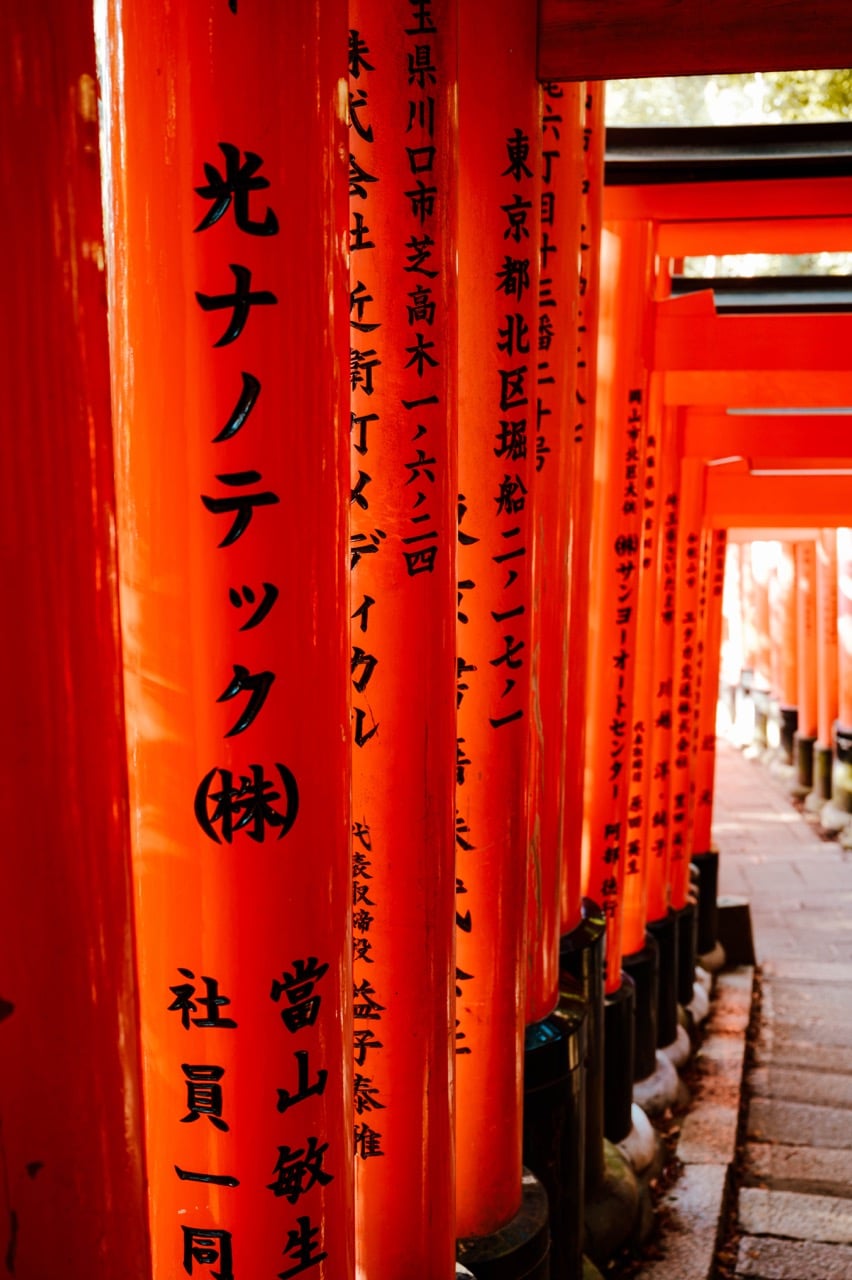
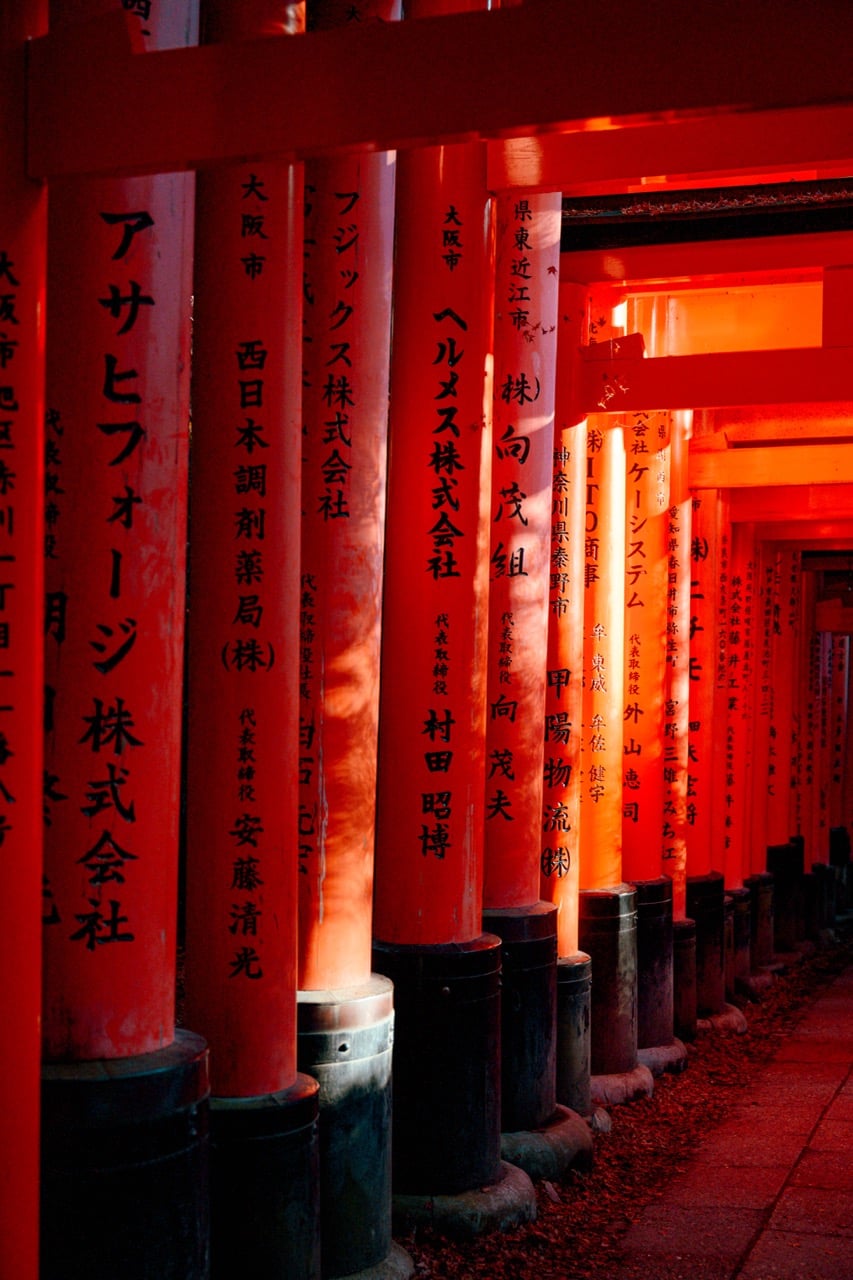
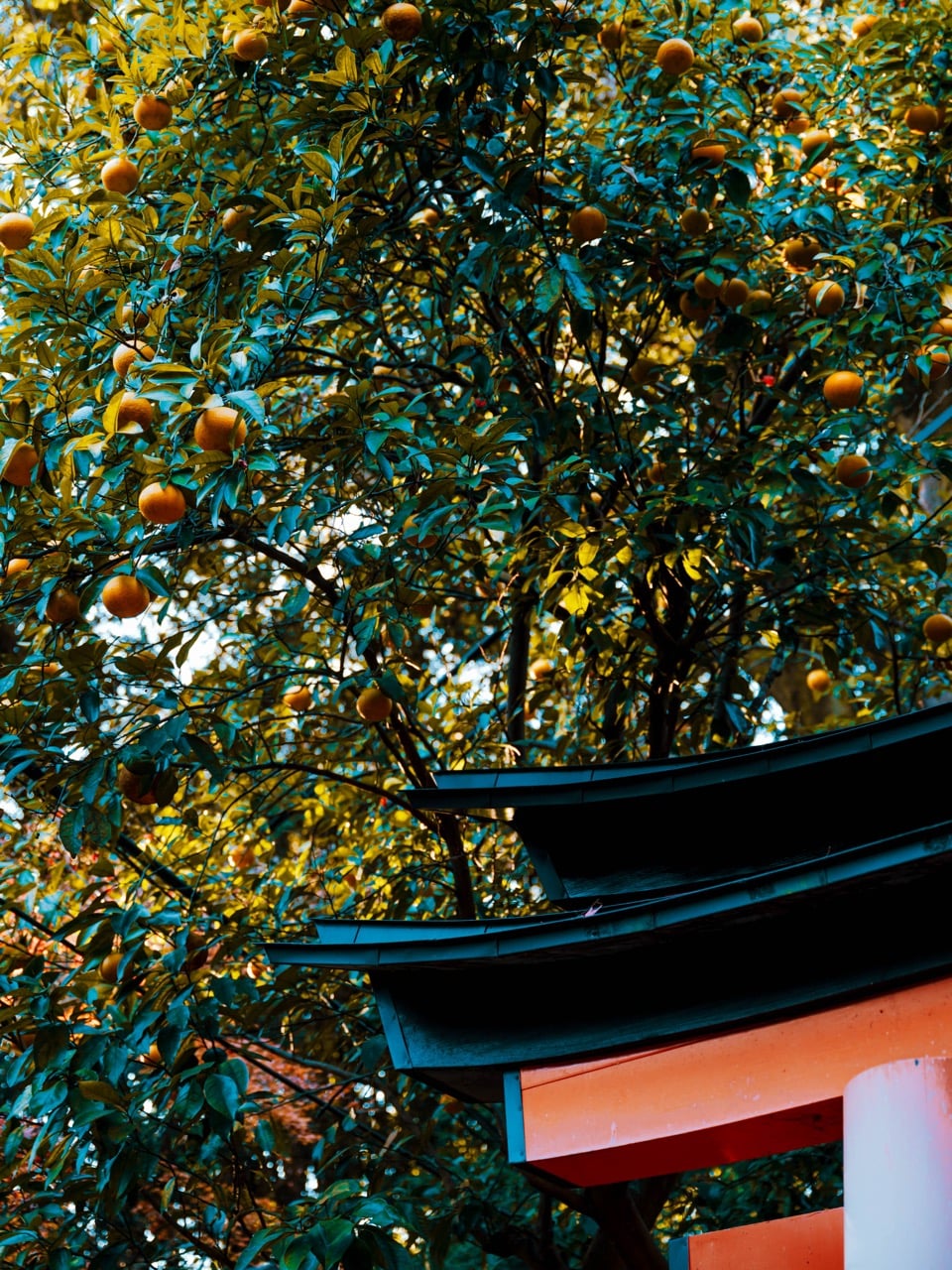
Admittedly, the shrine was *very* busy when we arrived. The bottom part of the gates were also incredibly crowded, which we expected. To be honest, though, we only had to walk around 15-20 minutes before there were much fewer people.
If you’re going to take photos here, I’d recommend waiting until you’re a bit further up. Besides not needing to wait so long to take a picture, your photos will be better in general. But yes, don’t feel like you have to wake up first thing in the morning to enjoy your visit here.
Just as a Side Note: The trail is open 24 hours, so you can go whenever you want. Keep in mind, though, that wild boars live in the area. You should be very careful of these at night and stay on the path for the entire hike.
What Was the Trail Itself Like?
You’ll be on a paved path for pretty much the whole way up, so it’s not a “hike” compared to being out in the middle of nowhere. If you need a break, you’ll find a small lookout point section with some places to sit on the way up.
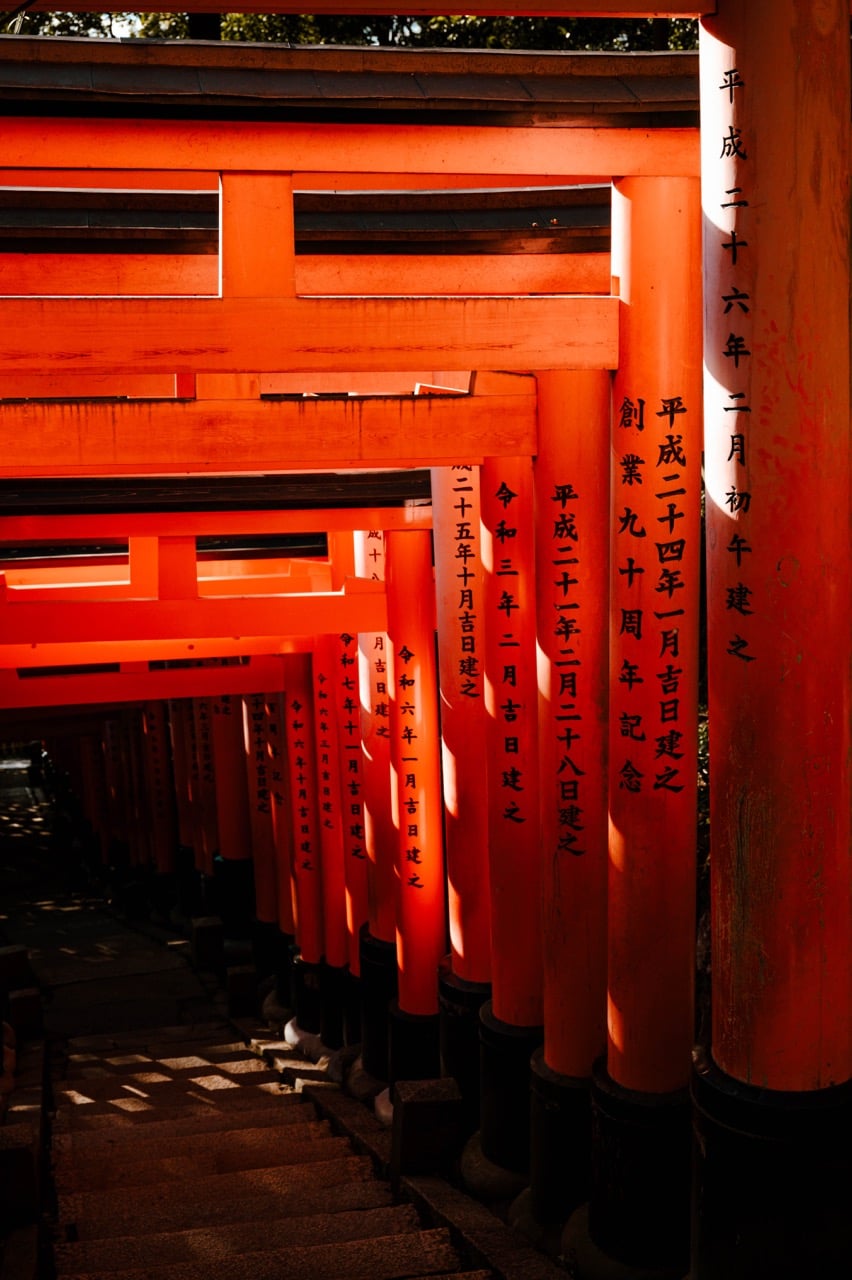
The stairs are well-maintained, and you can go up them throughout the year. While there were some people throughout the trail, it was generally quiet once we got past the initial crowds at the bottom.
As you’re going up the trail, you’ll be surrounded by forest. I have to say the walk up can get quite monotonous in parts, but it’s still worth doing.
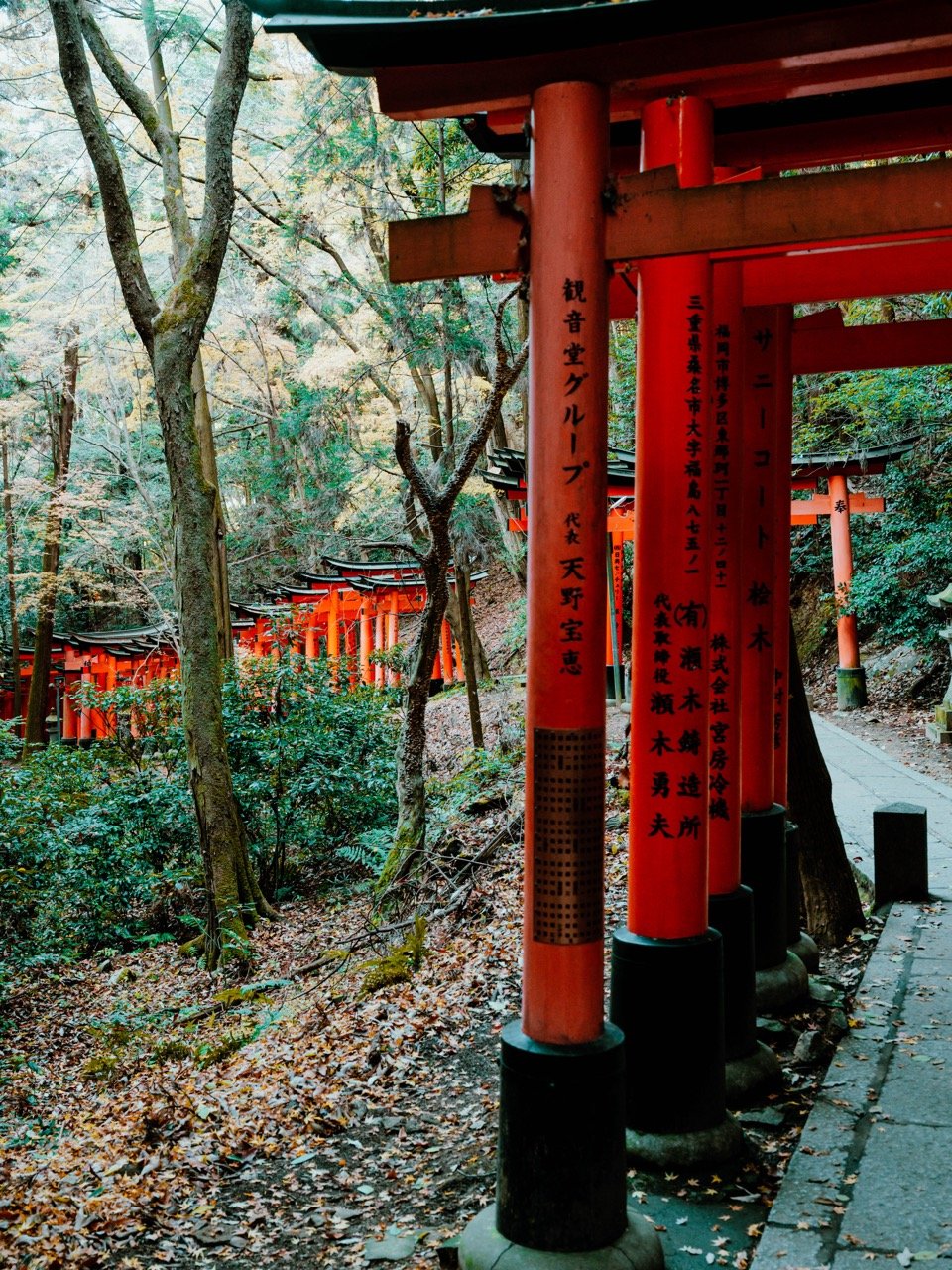
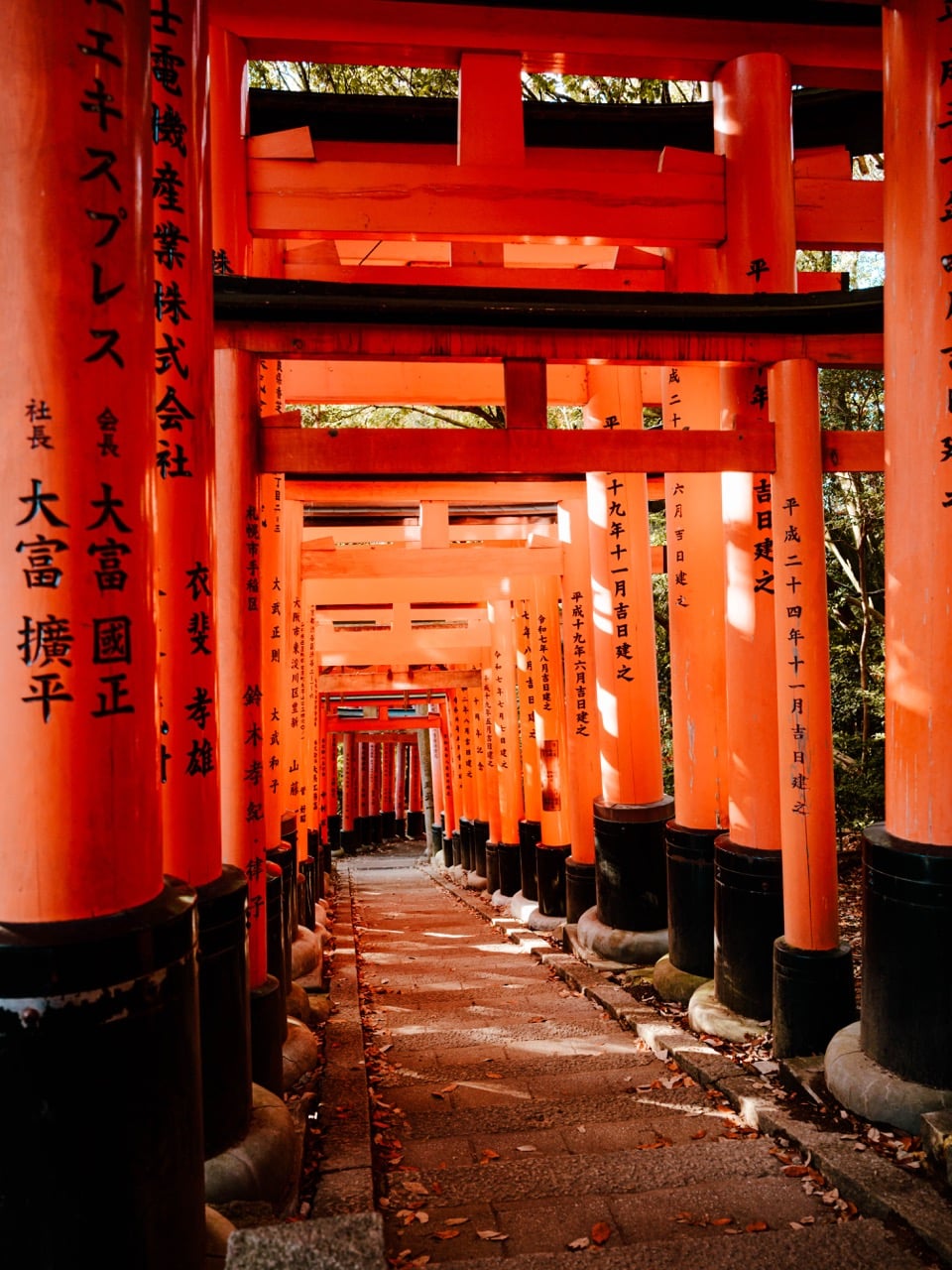
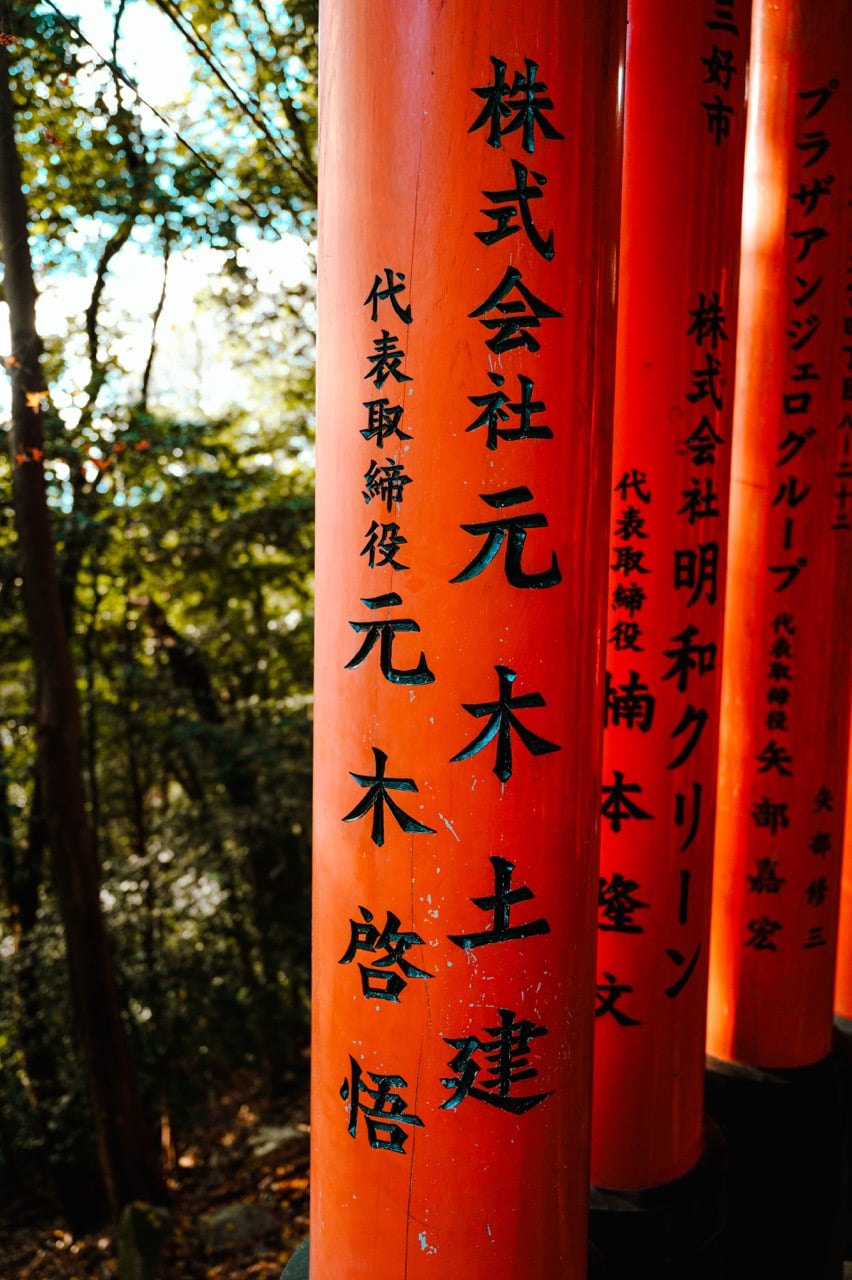
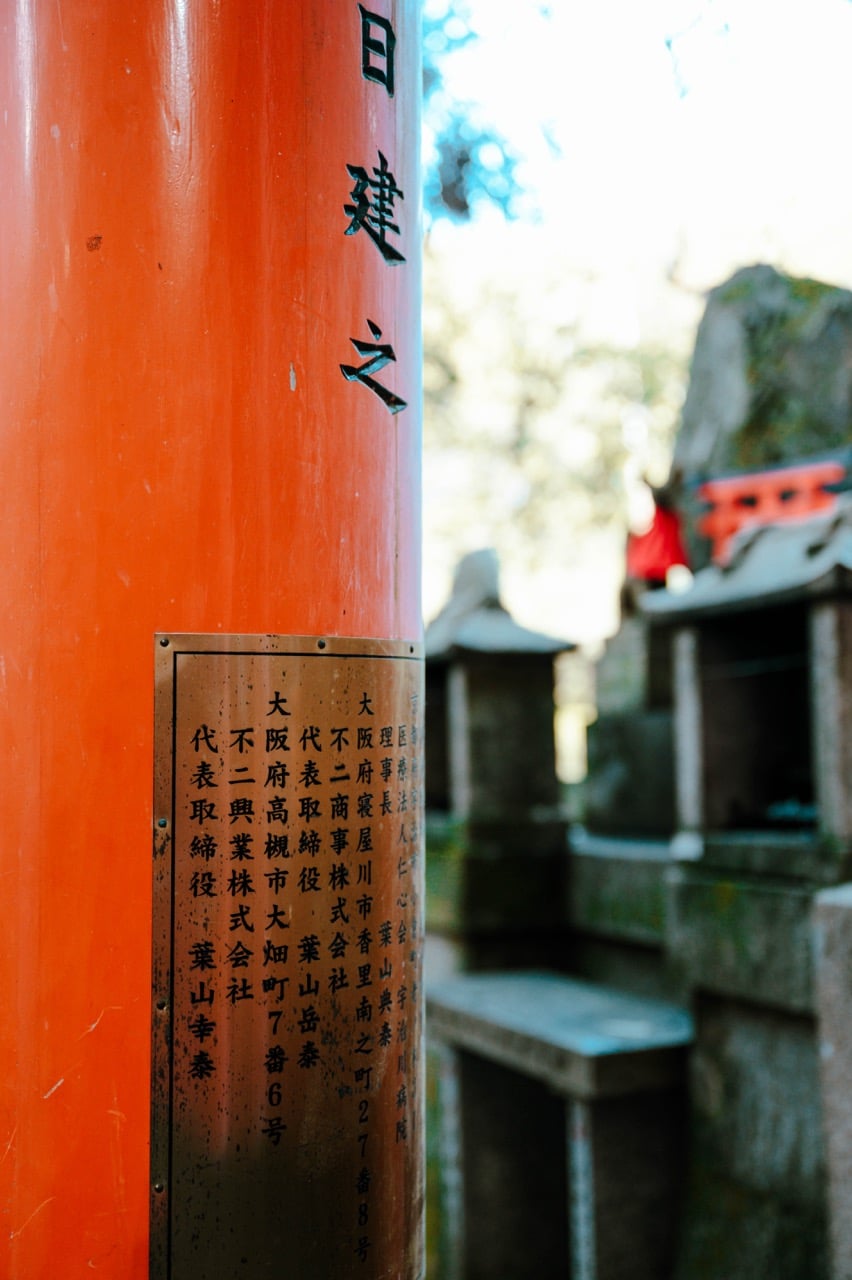
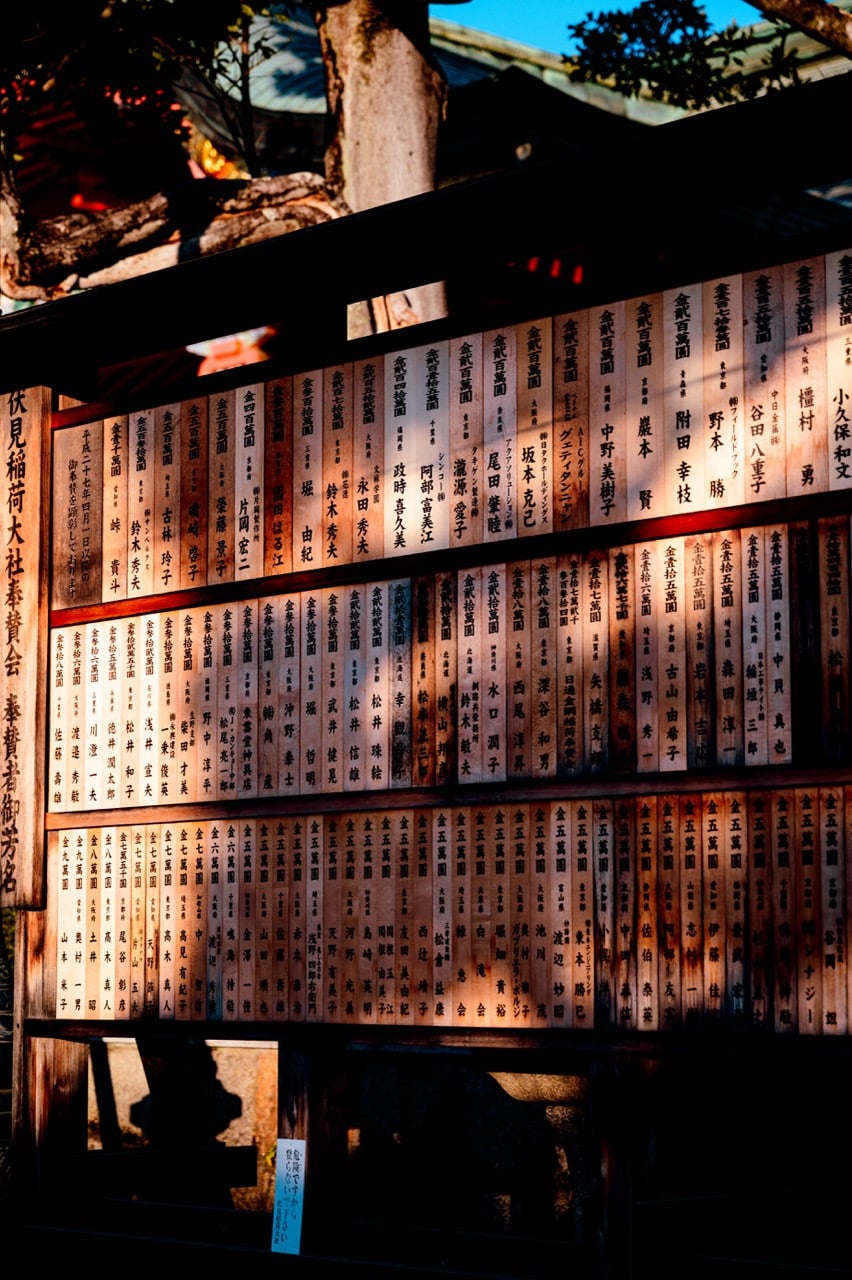
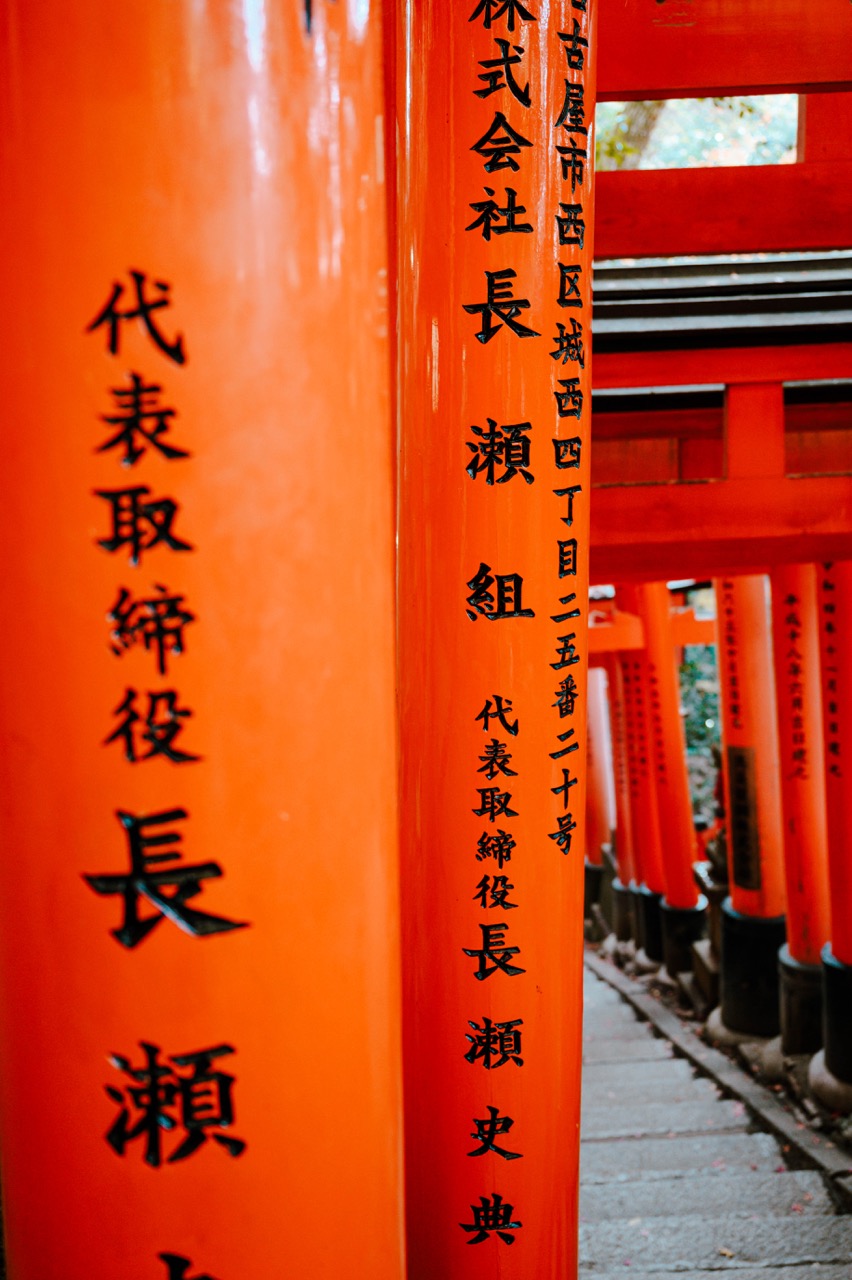
You’ll also see writing on the gates as you’re going past them. These showcase the name of the person who donated it, along with the date on which they did so. My Japanese language skills were still at a beginner level at this point, though, so I just took photos because they looked nice and actually found out about this later. 🙂
The hike took us around an hour each way. It wasn’t particularly strenuous, and in my opinion, anyone with decent fitness levels can complete it without much of an issue. We also stopped quite often for photos, so you could probably do it quicker if you just keep walking up. Then again, where’s the fun in that? 🤷🏾♂️
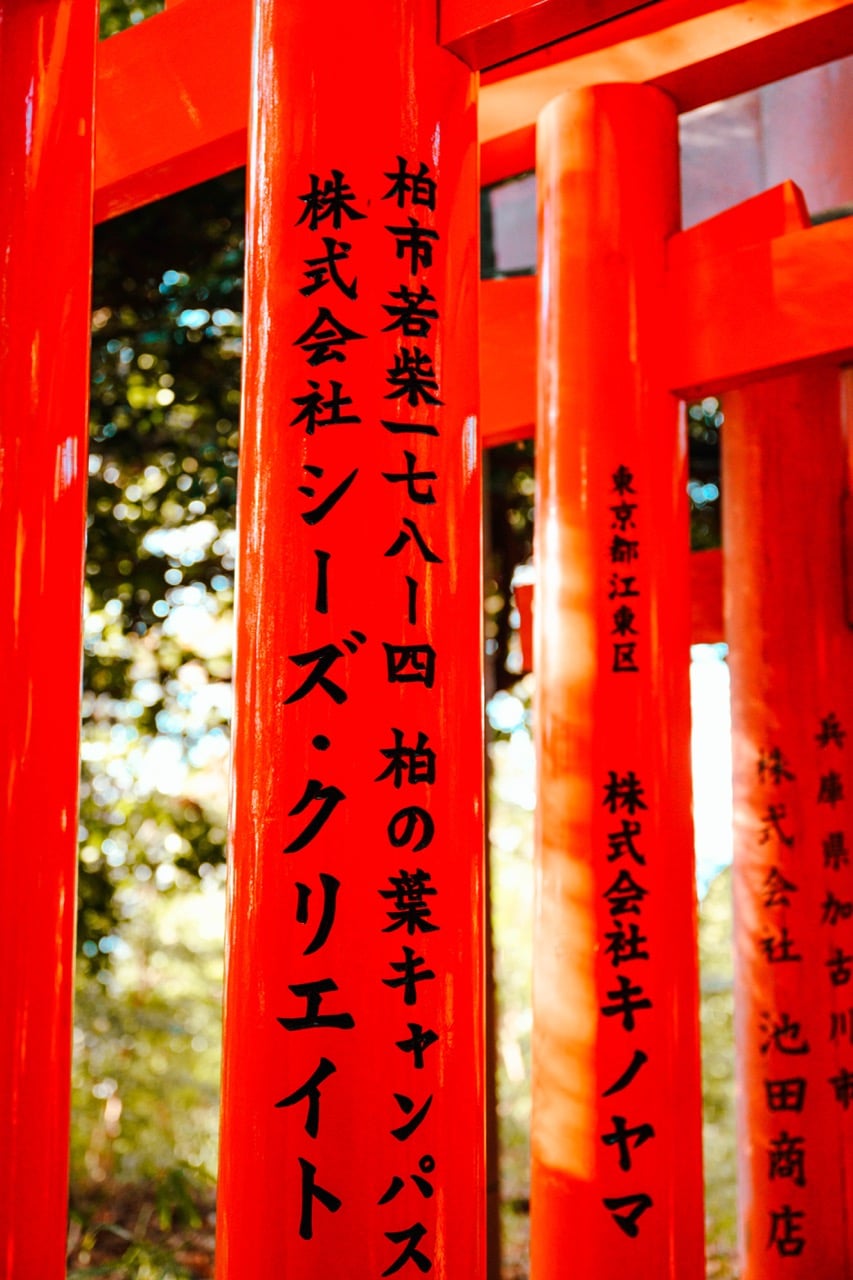
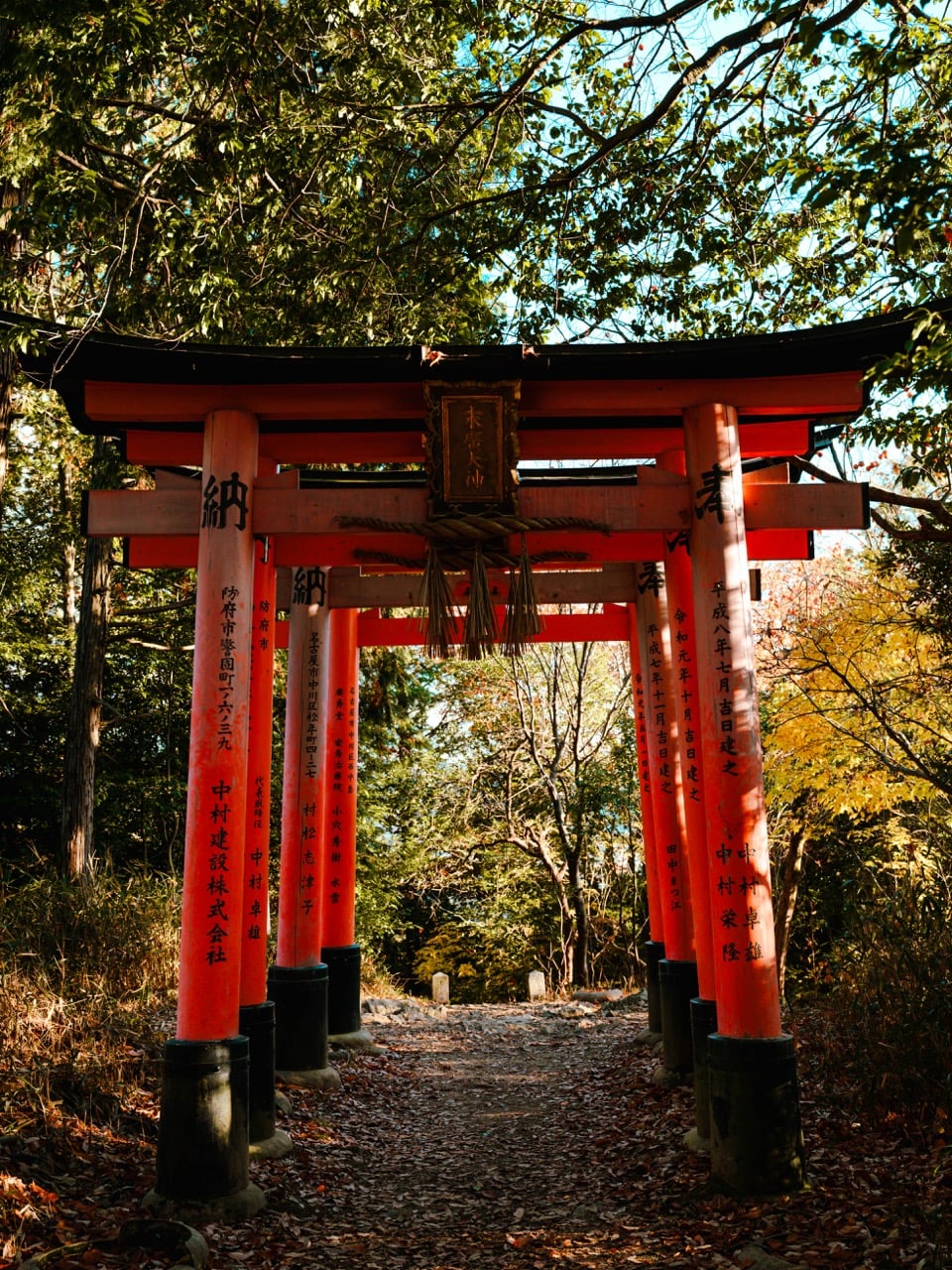
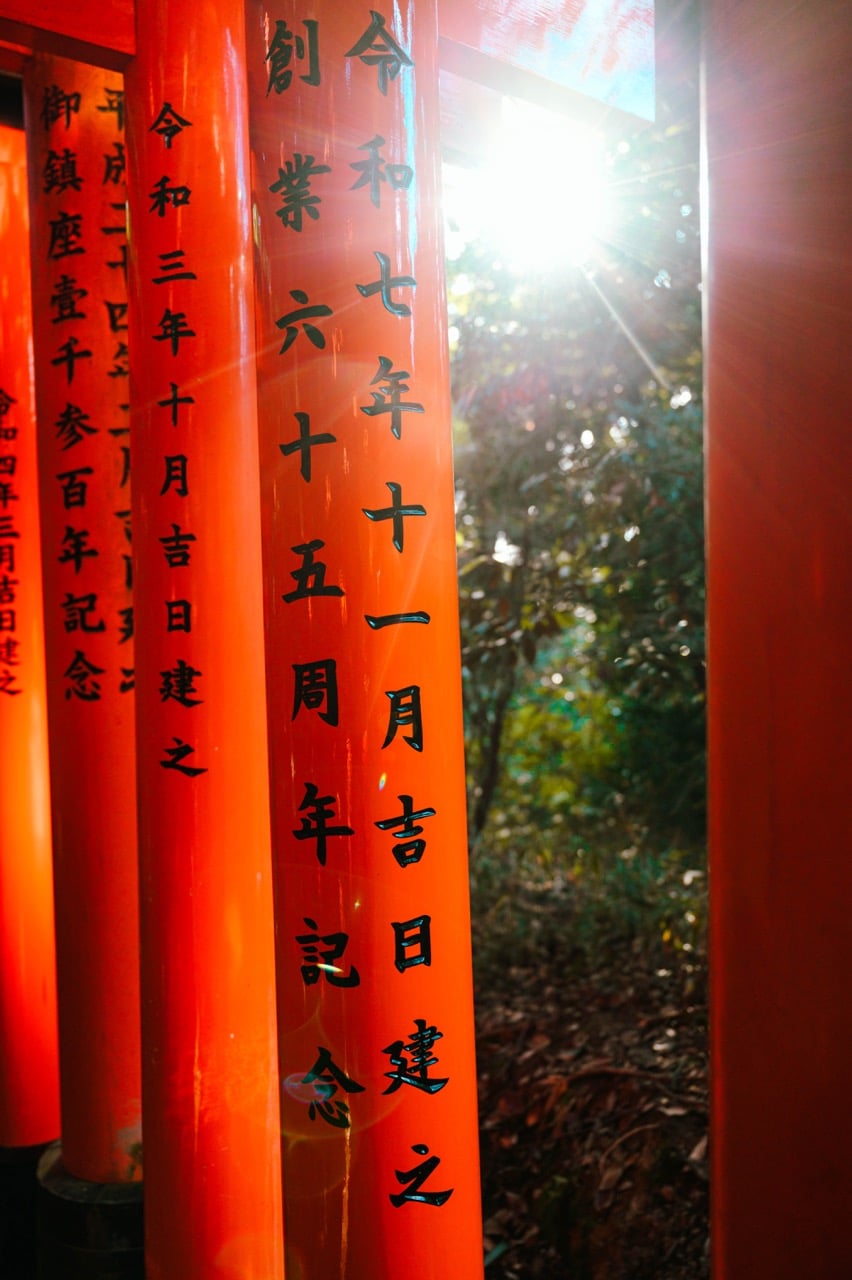
These Gates Are Just as Beautiful as They Look On Social Media, by the Way
It’s always a bit underwhelming when you go to a place that you’ve seen online, and the reality is very different. There absolutely are some places in Japan that are like this; for example, I think the Fuji / Lawson photo spot in Kawaguchiko is incredibly overrated. As for the Senbon Torii Gates, though? This is not the case.
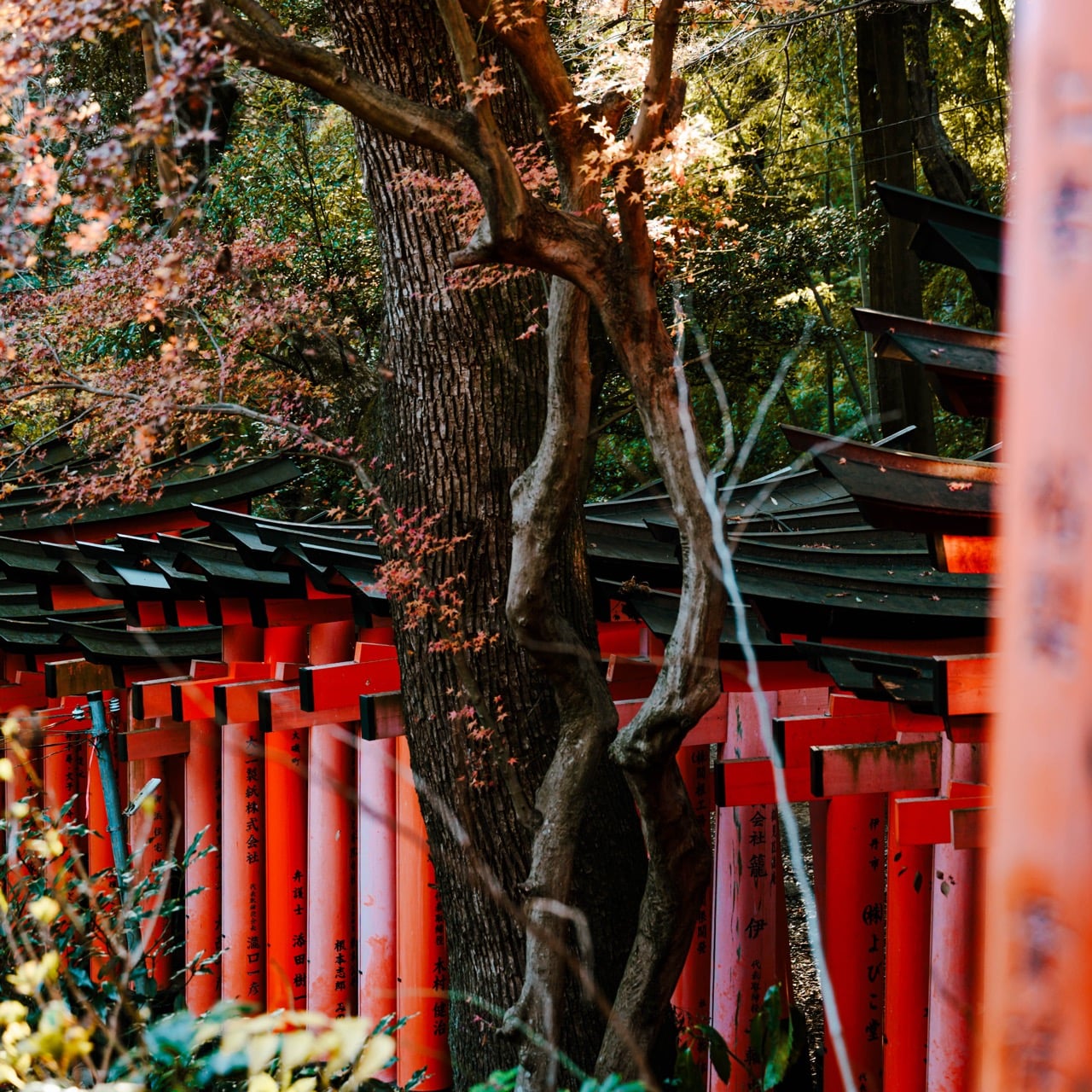
We went to a lot of Shinto shrines in Japan, some of which are well-known and others a bit more hidden. Even though the gates at the Fushimi-Inari Shrine are the opposite of a hidden gem, they were still some of the most picturesque things we saw on our first trip to the country.
I strongly disagree with anyone who tells you to skip them. Seeing them in real life was a thousand times better than wondering what they looked like from photos I had seen on the internet. If you’ve booked flights to Japan and plan to spend any time in Kyoto, coming here is one of the best things you can do in Japan’s former capital.
You Can Get Some Nice Views of Kyoto, Too
While I wanted to visit the shrine and the gates, I also have to be honest. Part of me was also hoping for some nice views of Kyoto, and that definitely was a big reason why we decided to do this hike.
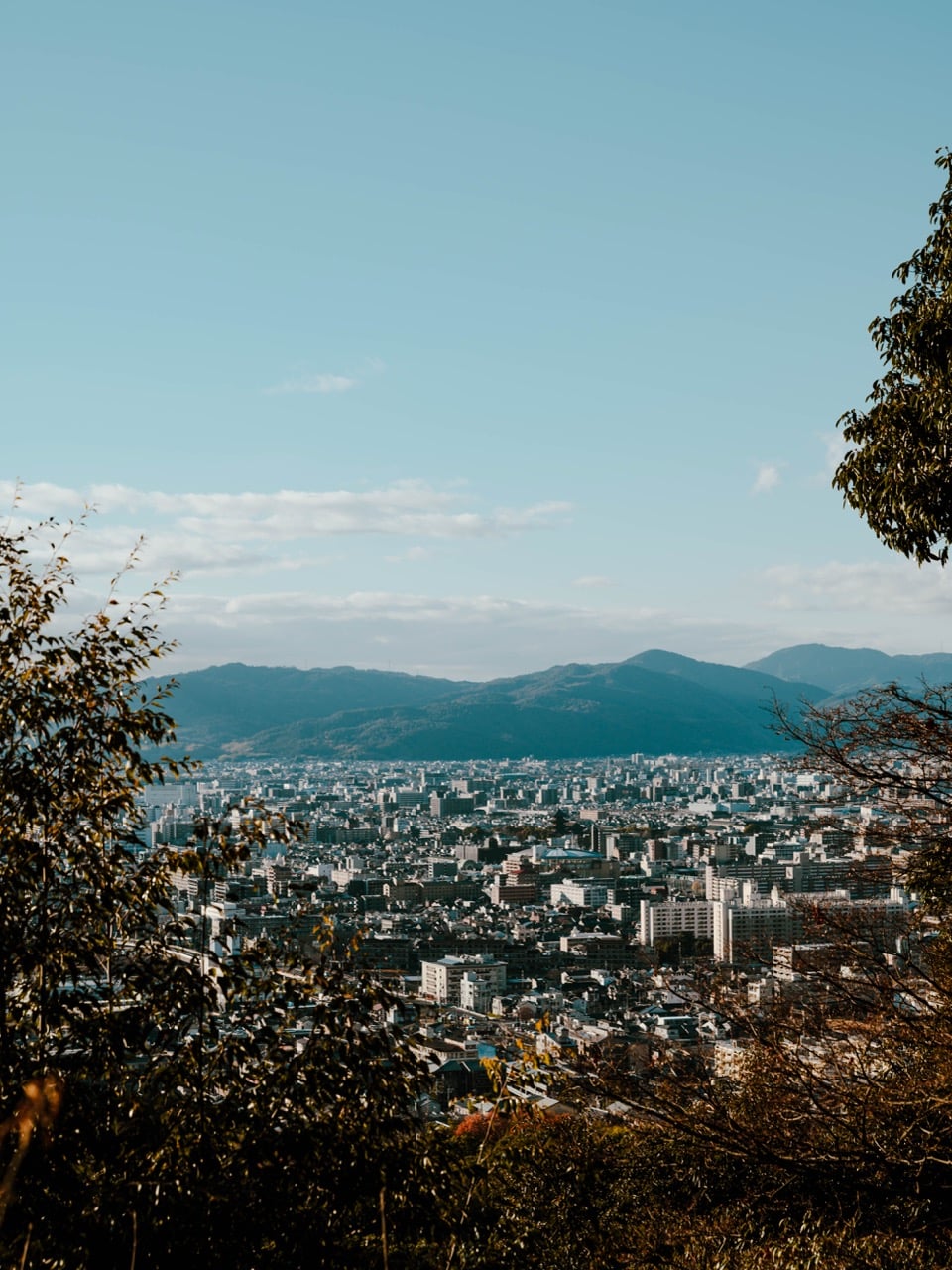
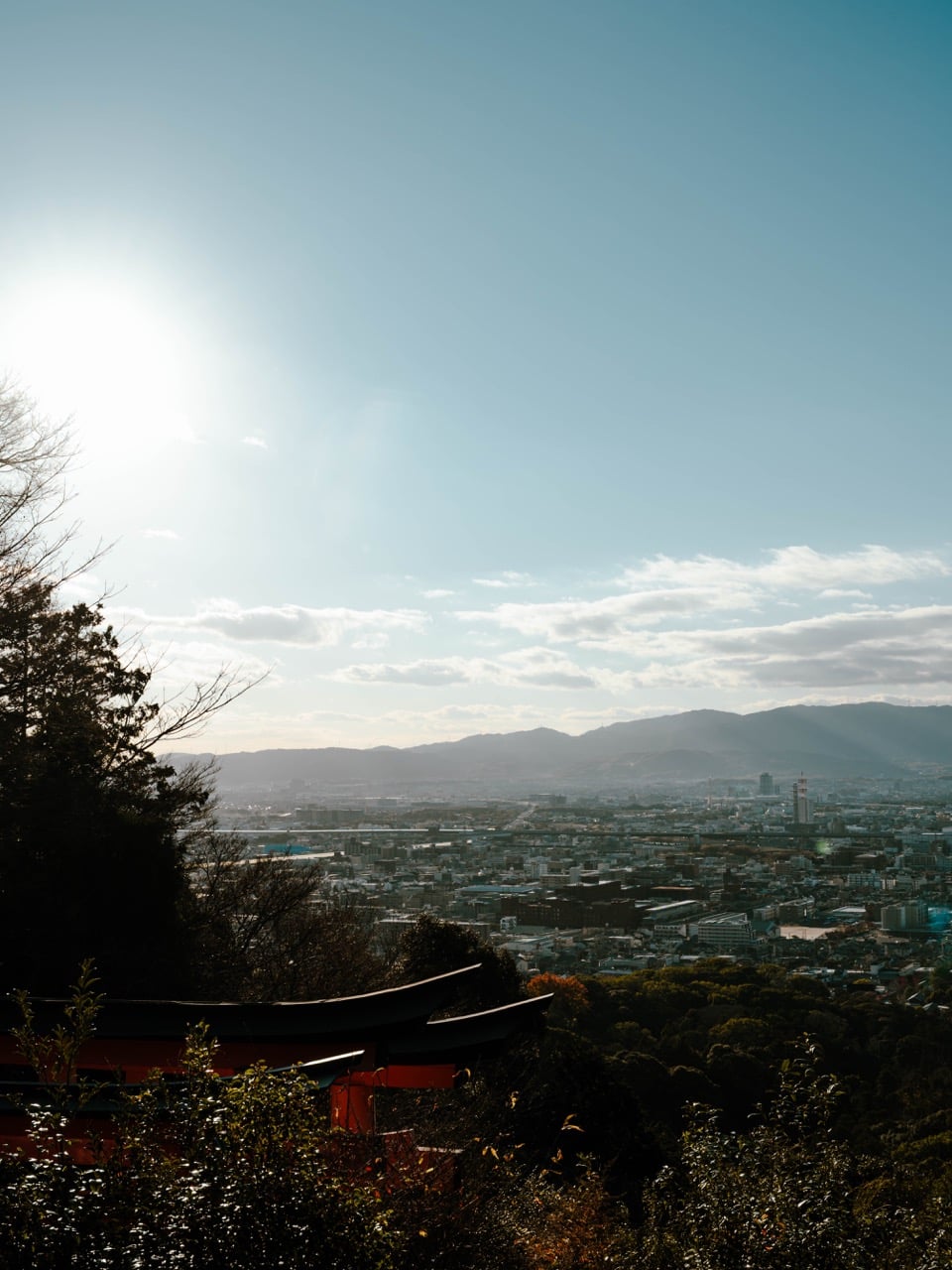
Even though you’re surrounded by forest for most of the loop, you will find a spot where you can look out toward Kyoto. While it wasn’t the most impressive view of the city (you can get those at the Kyoto Tower, IMO), it was still nice enough. The weather was quite hazy when we were there, though, which impacted visibility.
You’ll find the viewpoint at the same spot where you can stop for a seated break if you wish. I’d treat it as a nice extra rather than making it the sole purpose for hiking, but it is still pleasant nonetheless.
Don’t Forget to Explore the Area Near the Gates, Either
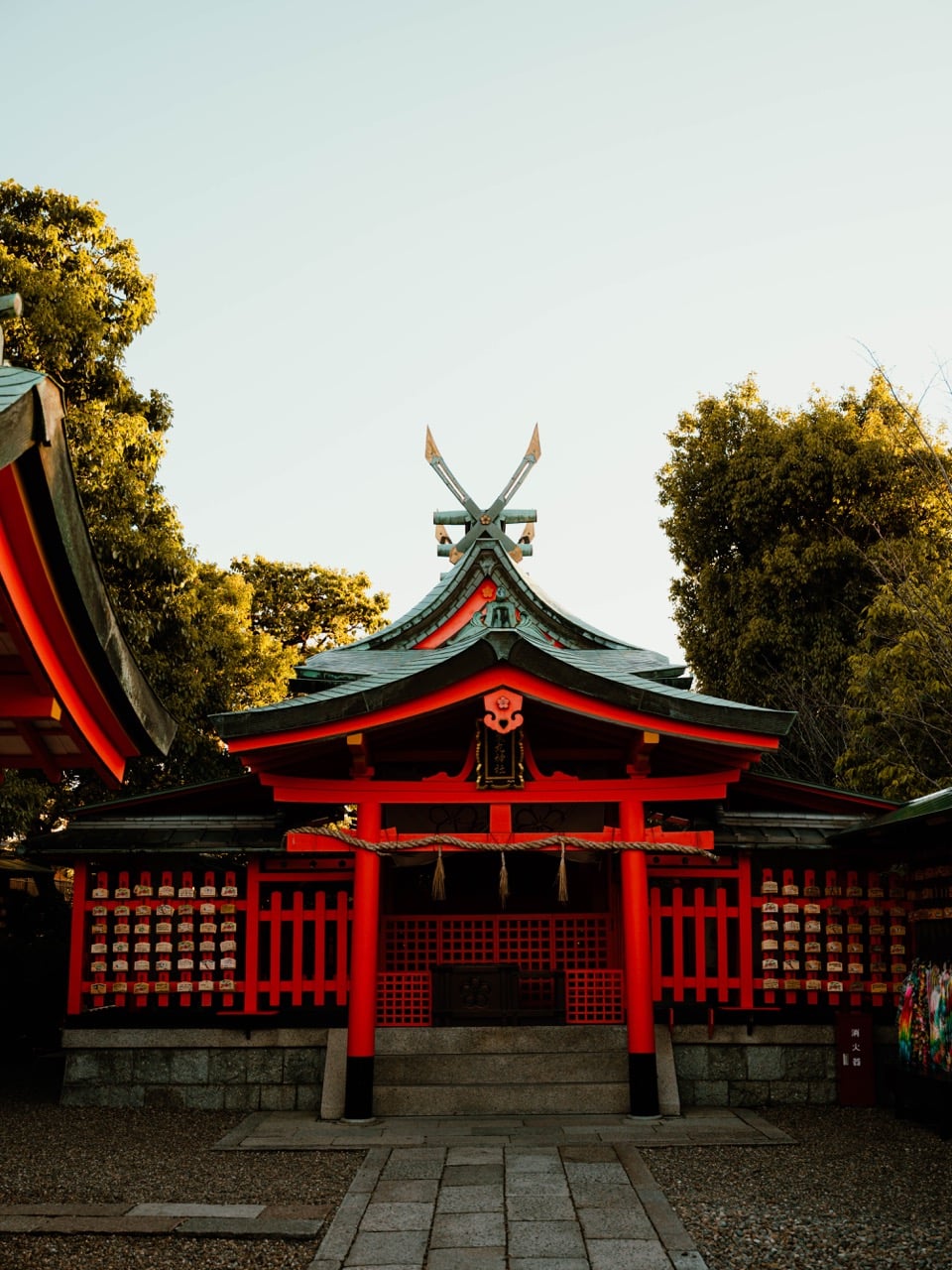
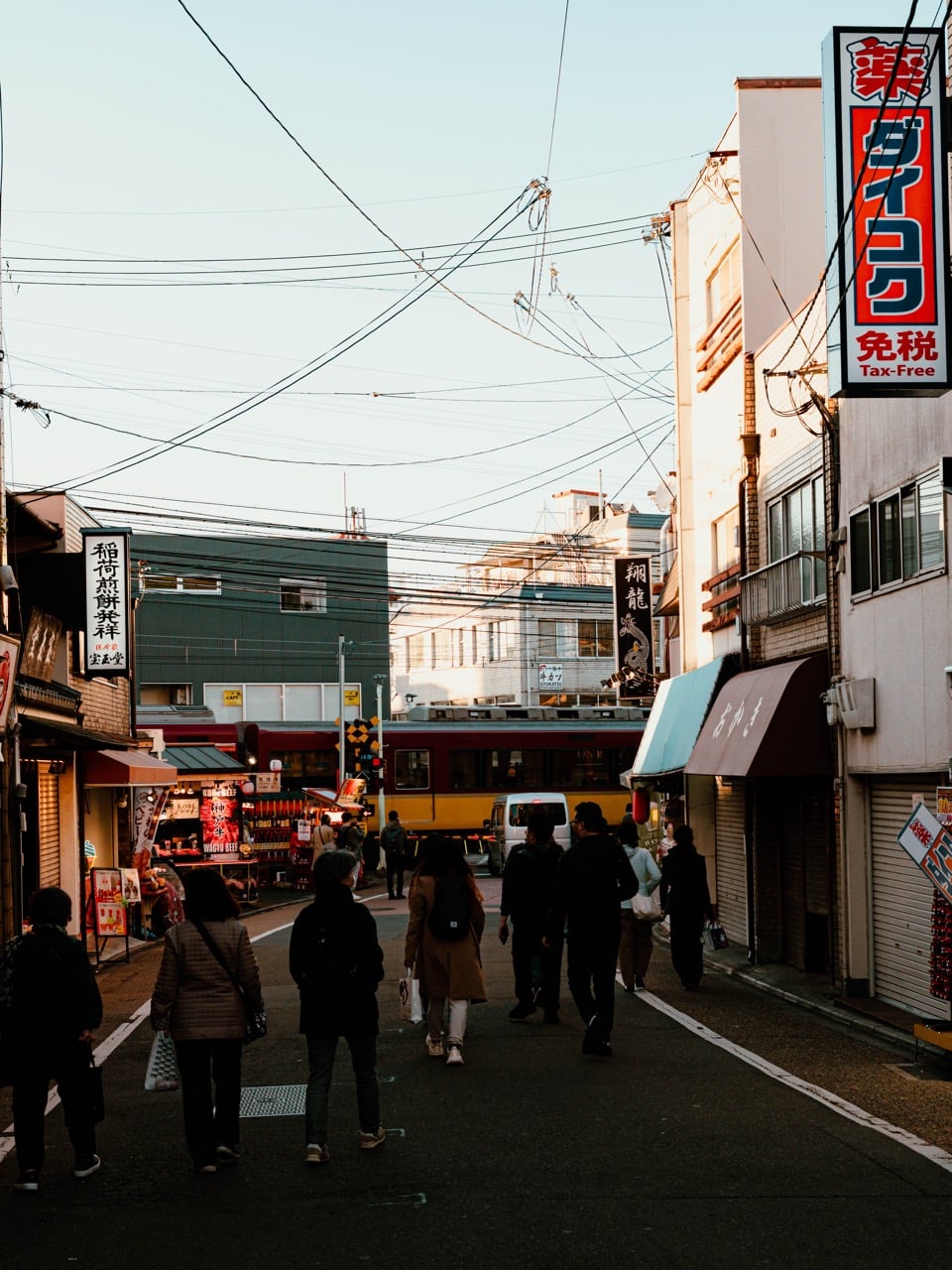
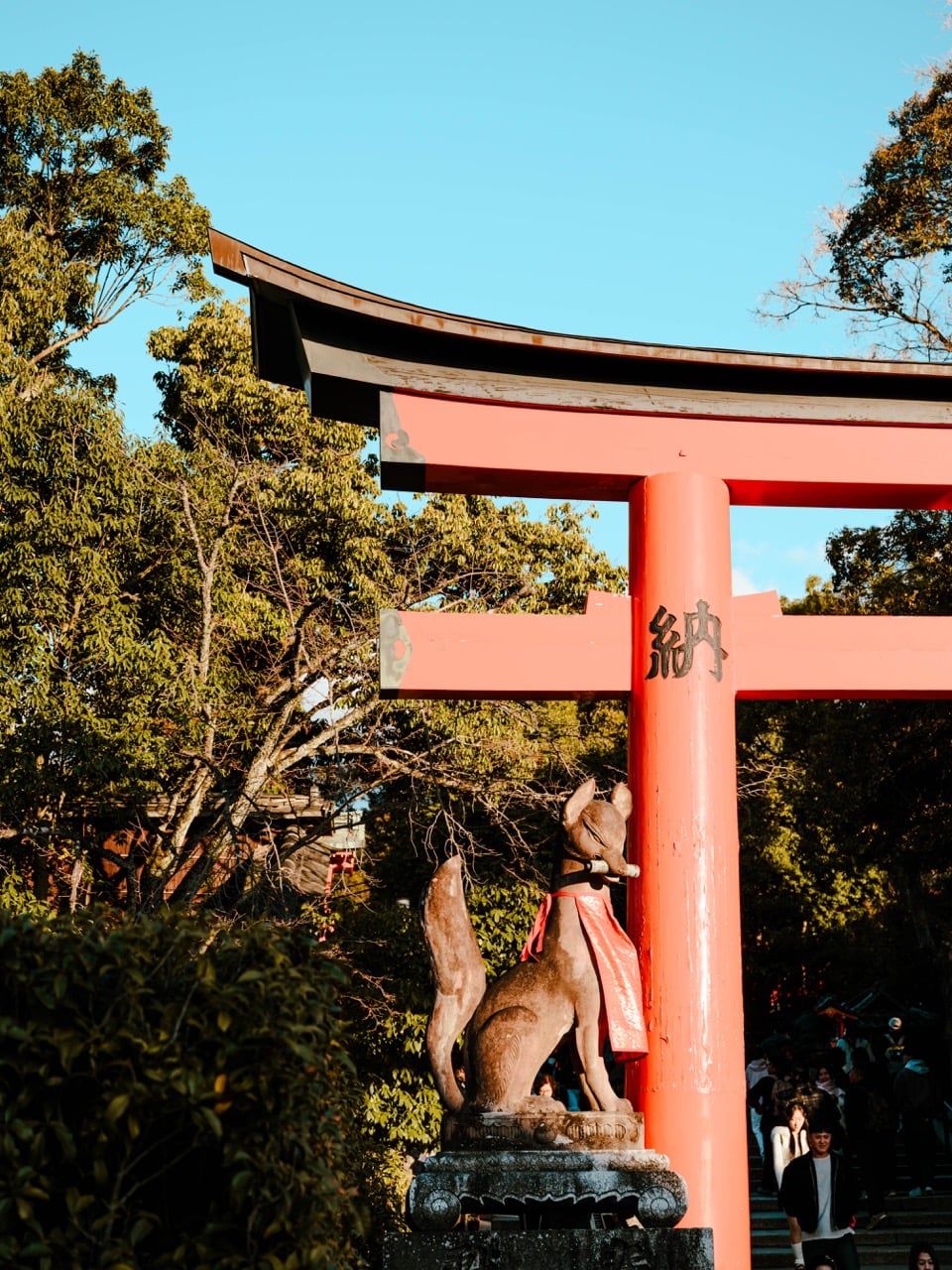
When I say this, I’m talking about both the rest of the shrine and the neighborhood just outside. We completed the loop just before sunset, which meant that the conditions for photography were perfect when we got back down to the bottom.
The area around the entrance/exit to the shrine is worth seeing, in my opinion, and I’d suggest spending an extra 30-60 minutes here. By the time we got here, the crowds had dwindled quite a lot compared to before.
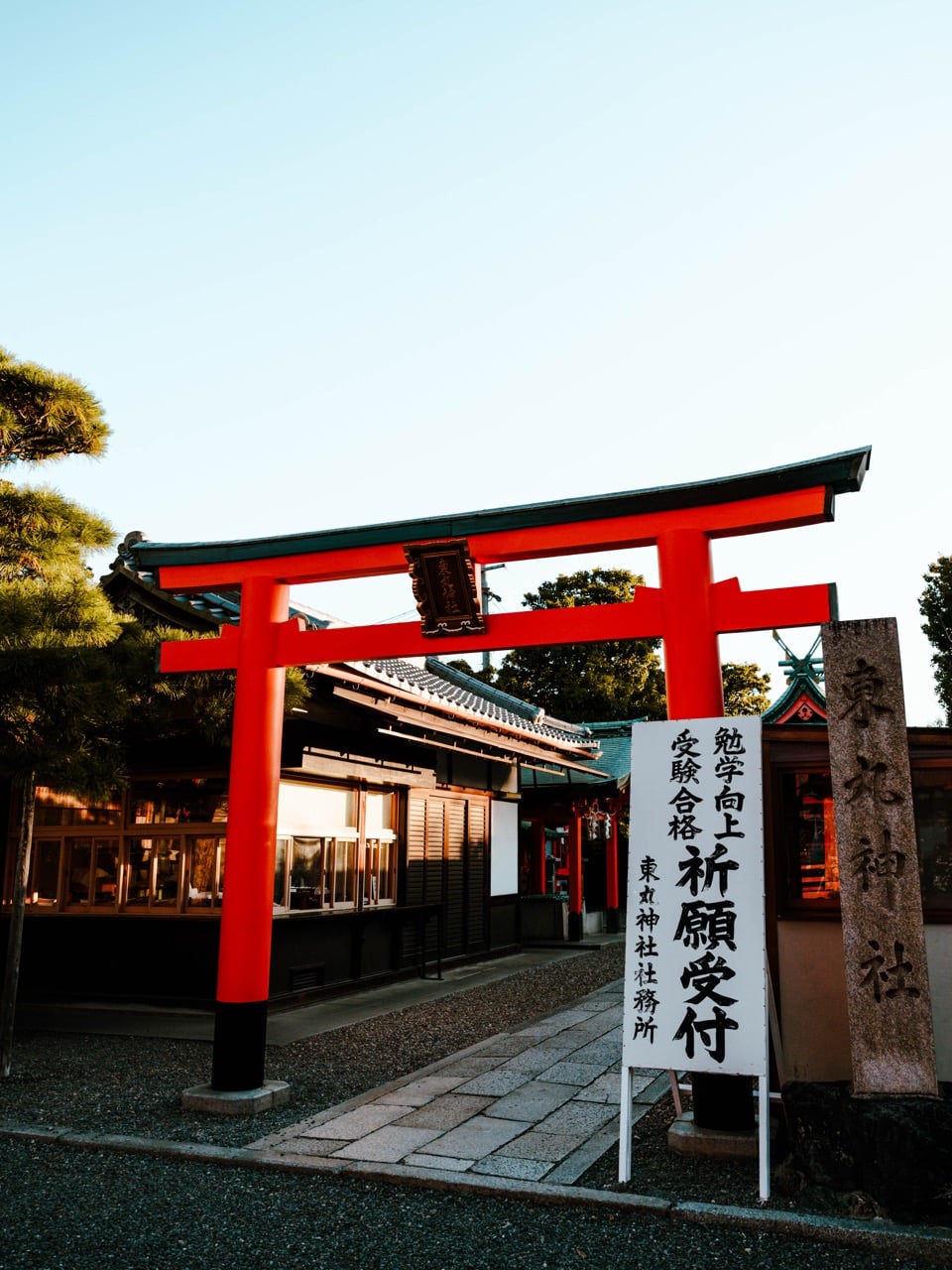
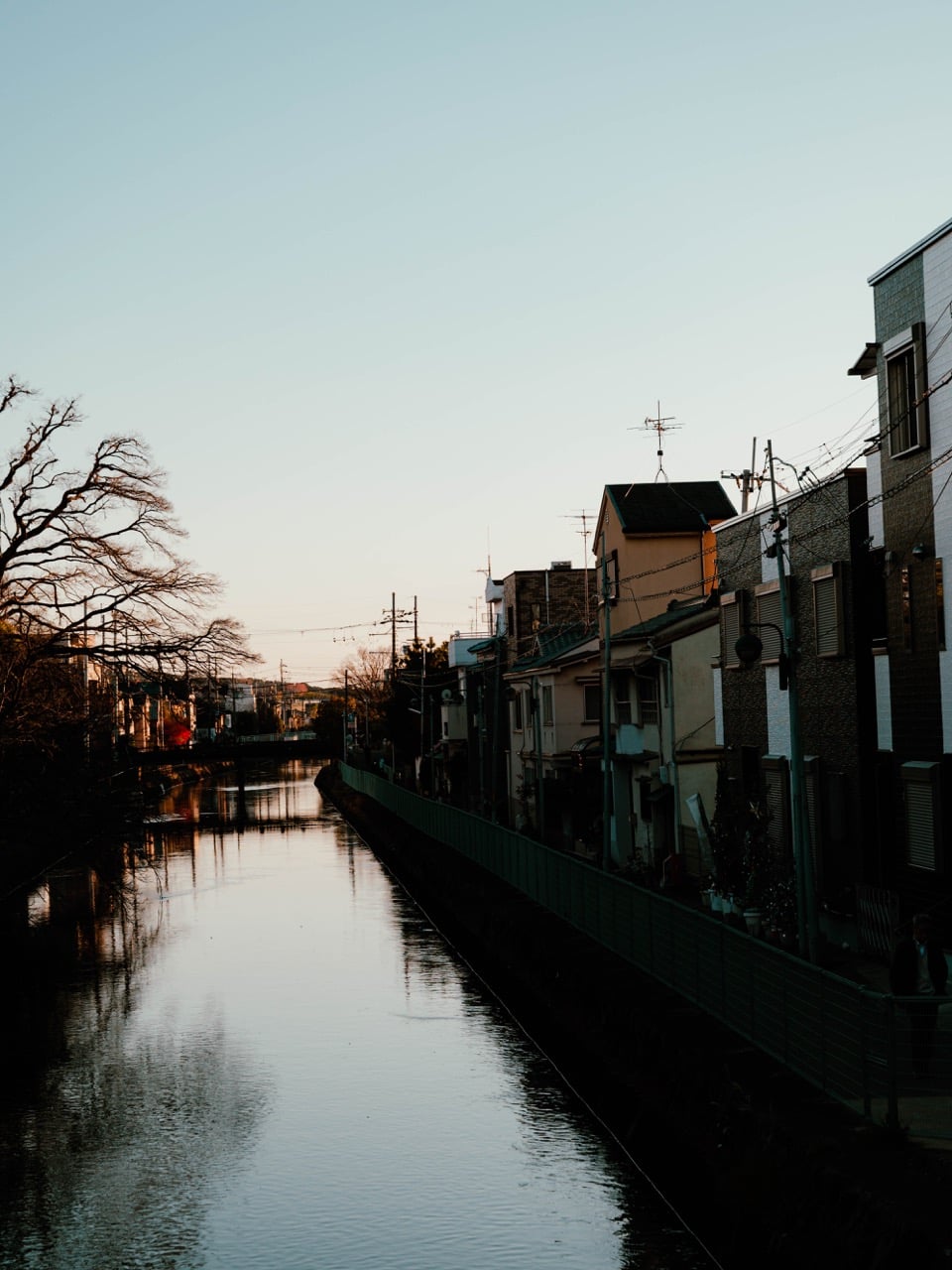
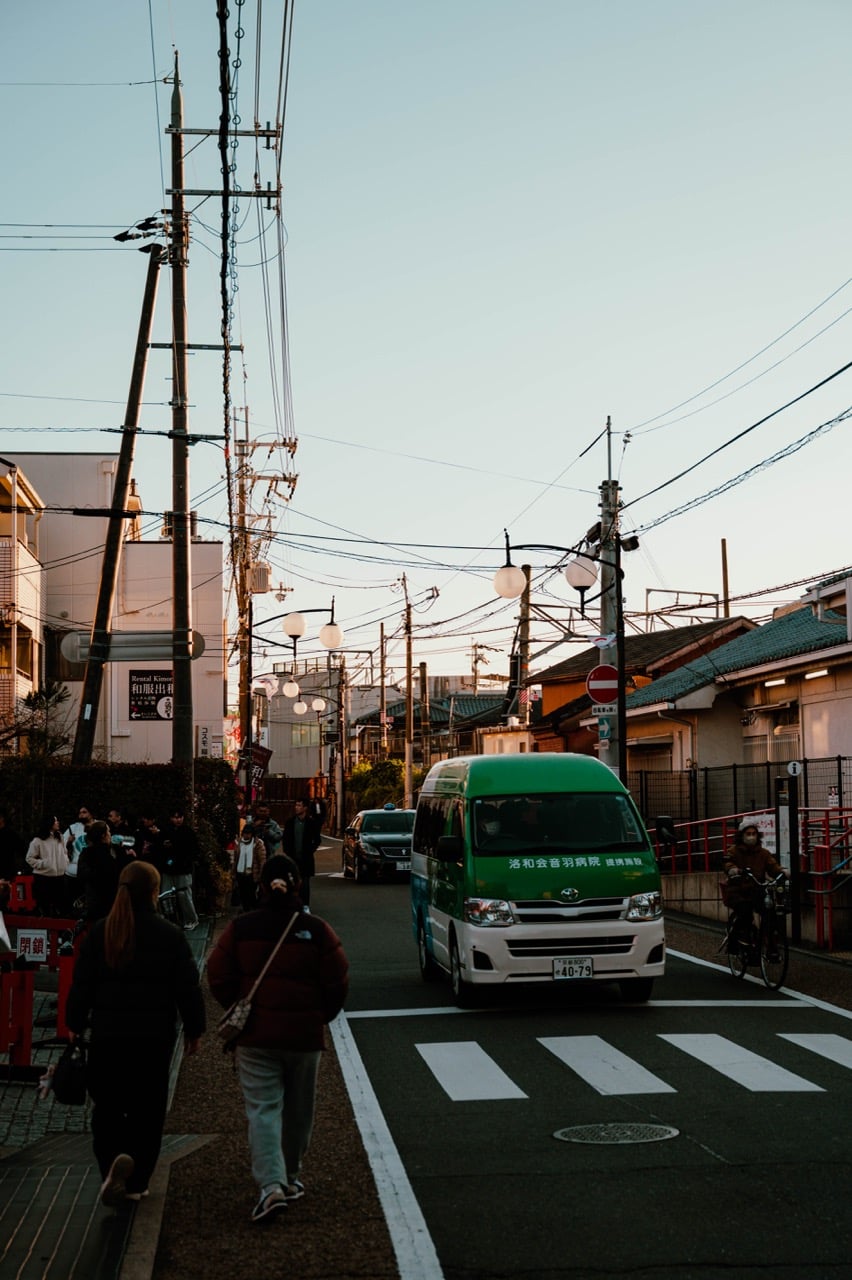
The district outside was also quite nice, and I’d recommend spending some time around here too. You can get the train from Inari Station from here, or—if you want—you can walk along the river back into the city center. We did the latter, and even though it was much longer, we also had a lot of fun.
Do You Need to Wear Anything Special for the Fushimi-Inari Trail?
You definitely don’t need full-on hiking gear to do the loop, even though that’s exactly how I showed up 😅. Some comfortable walking or running shoes will be good enough, in my opinion. You will be walking a lot, and much of it is uphill, so I’d leave anything fancy at your hotel.
Bring some comfortable clothing, too. Again, you don’t need anything crazy here—but you will probably sweat, and you don’t want anything that will make the hike more of an annoyance.
You should bring a water bottle and the like, but you definitely do not need any special equipment.

Getting to the Fushimi-Inari Shrine and Senbon Torii Gates
Inari Station is the closest train station to the shrine, and you can take the Nara Line here. From the station, the shrine is basically on the opposite side of the street. The journey from Kyoto Station takes five minutes, and you can pay by tapping your ICOCA Card at the station barriers.
Public transport in Kyoto is not on the same level as Tokyo or Osaka, though. Depending on where you are, it might actually be faster to take an Uber. This is what we did as we were quite far from a train station when we decided to go to the shrine. Uber is widely available in Kyoto, and you should have no issues getting one if needed.
Adding the Fushimi-Inari Trail Is a Must for Your Kyoto Itinerary
Even though the Senbon-Torii Gates are very popular, I still think they’re well worth visiting when you’re in Kyoto. Hiking around the loop was one of my favorite highlights from this particular part of our Japan trip; it’s easy, scenic, and doesn’t take too long.
Another advantage is that you can hike the loop completely for free. So, if you’re visiting on a budget—or you simply want to spend your money on other things—this is still worth your time. While the gates close to the bottom are crowded, you’ll have much more space for yourself as you go further up.
Regardless of how long you’re in Kyoto for, I strongly recommend taking the time to come here. Now that you’ve read this guide, I also suggest checking out my complete Kyoto itinerary for first-time visitors. That way, you’ll be even more prepared for your trip.
More Useful Resources for Your Kyoto Trip ⛩️
Check Availability for Accommodation in Kyoto 😴
Browse Tours, Tickets, and Excursions in Kyoto 🥾
Check Out All of My Japan Travel Guides 🇯🇵
Get an eSIM for Your Japan Trip (and 10% off with my discount code DANNYCPH)