I *Didn’t* Use the JR Pass for Japan’s Golden Route, and I Was Absolutely Fine
*Disclaimer: This blog is reader-supported, and this page might therefore contain affiliate links. When you book or buy through them, I may earn a small commission at no extra cost to you. It helps me write these in-depth and original guides, so thank you for the support! Full Affiliate Disclosure
Japan is one of the first countries that people think of when trains come to mind, and having been on them myself, I can confirm they’re just as good as they’re made out to be. You can get around much of the country by train, and the JR Pass is designed to lower costs for people planning to travel frequently on their visit.
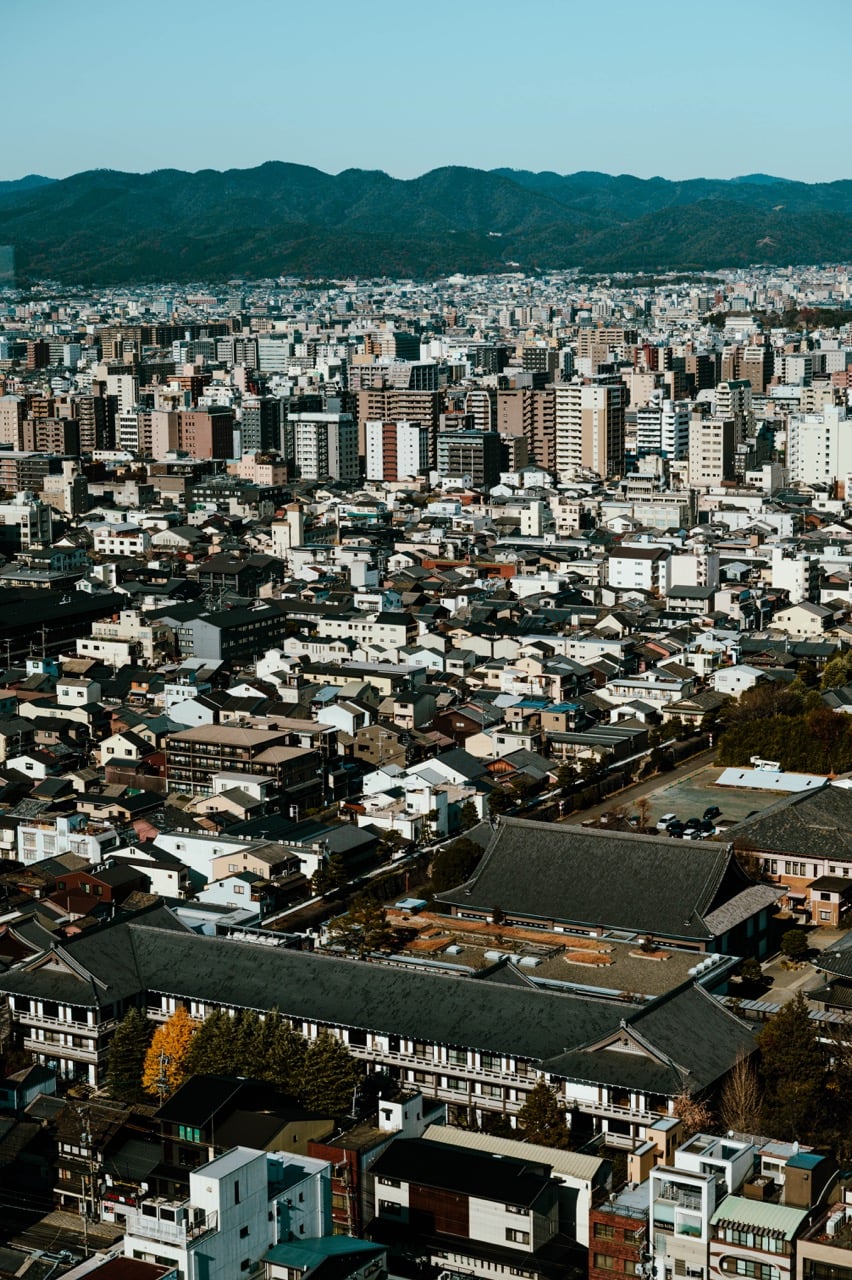
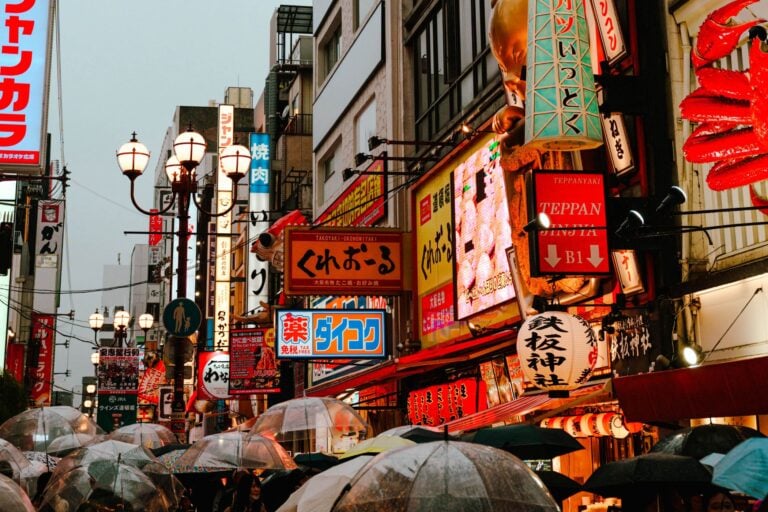
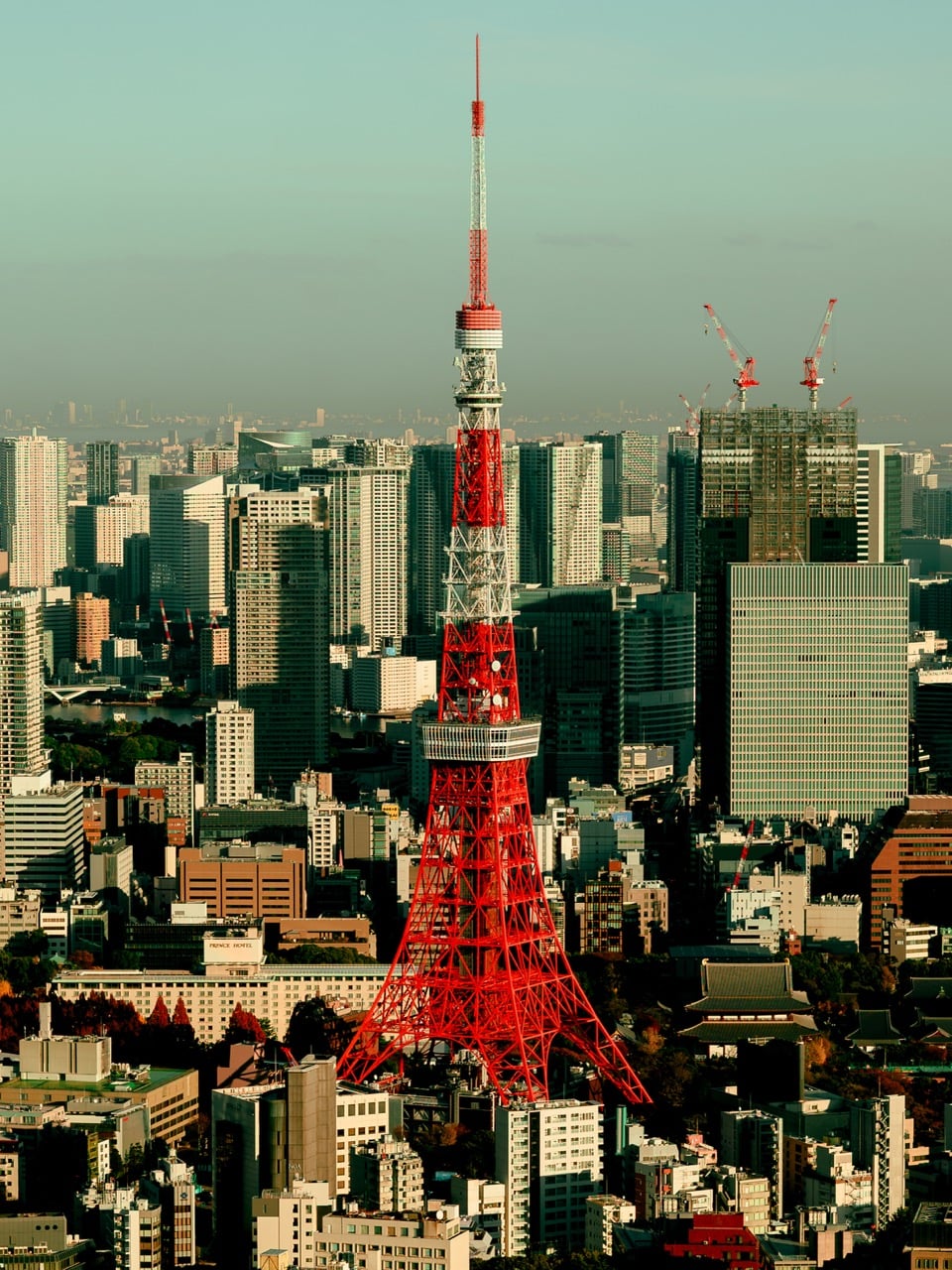
During my first visit to Japan, I spent two weeks traveling around the Golden Route with my girlfriend. We went to Tokyo, Kyoto, and Osaka, along with Nara and Uji. In addition to those destinations, we spent two nights in Kawaguchiko—which is one of the towns close to Mount Fuji. And… I did not use the JR Pass for any part of my trip.
Despite not using the JR Pass, I don’t feel like I missed out. Today, I will talk about the reasons why and discuss how I planned my travel around this part of Japan instead. Since there are some potential use cases for the JR Pass, I will also identify when it might make sense to buy one.
For Our 2-Week Trip in Japan, the JR Pass Wouldn’t Have Saved Money
First, I need to give some context of how we spent two weeks during our first trip to Japan. Our time on the Golden Route was split like this:
- Tokyo: 5 nights
- Kawaguchiko: 2 nights
- Kyoto: 4 nights
- Osaka: 3 nights
In total (for one person), I spent ¥ 21,500 on trains, buses, and Subway tickets/passes. At the time I traveled, this was roughly $136.50 in USD, £101 in GBP, and €116.50 in EUR. Bear in mind that most of this would not have been included in the JR Pass anyway. Even if it was, those costs were way below the ¥ 80,000 that a 14-day JR Pass costs.
Besides the money I spent on public transport in Japan, I also spent ¥ 8,620 on Uber trips in Kyoto. I wrote in a separate article on setting your expectations right about Kyoto that the city’s public transport is not as good as Tokyo or Osaka, so this was the reason why.
By the Way: After you’ve finished reading this guide, I recommend checking out my Kyoto itinerary for 4-5 days and 3-day Tokyo itinerary.
We Also Rarely Used JR Trains Anyway
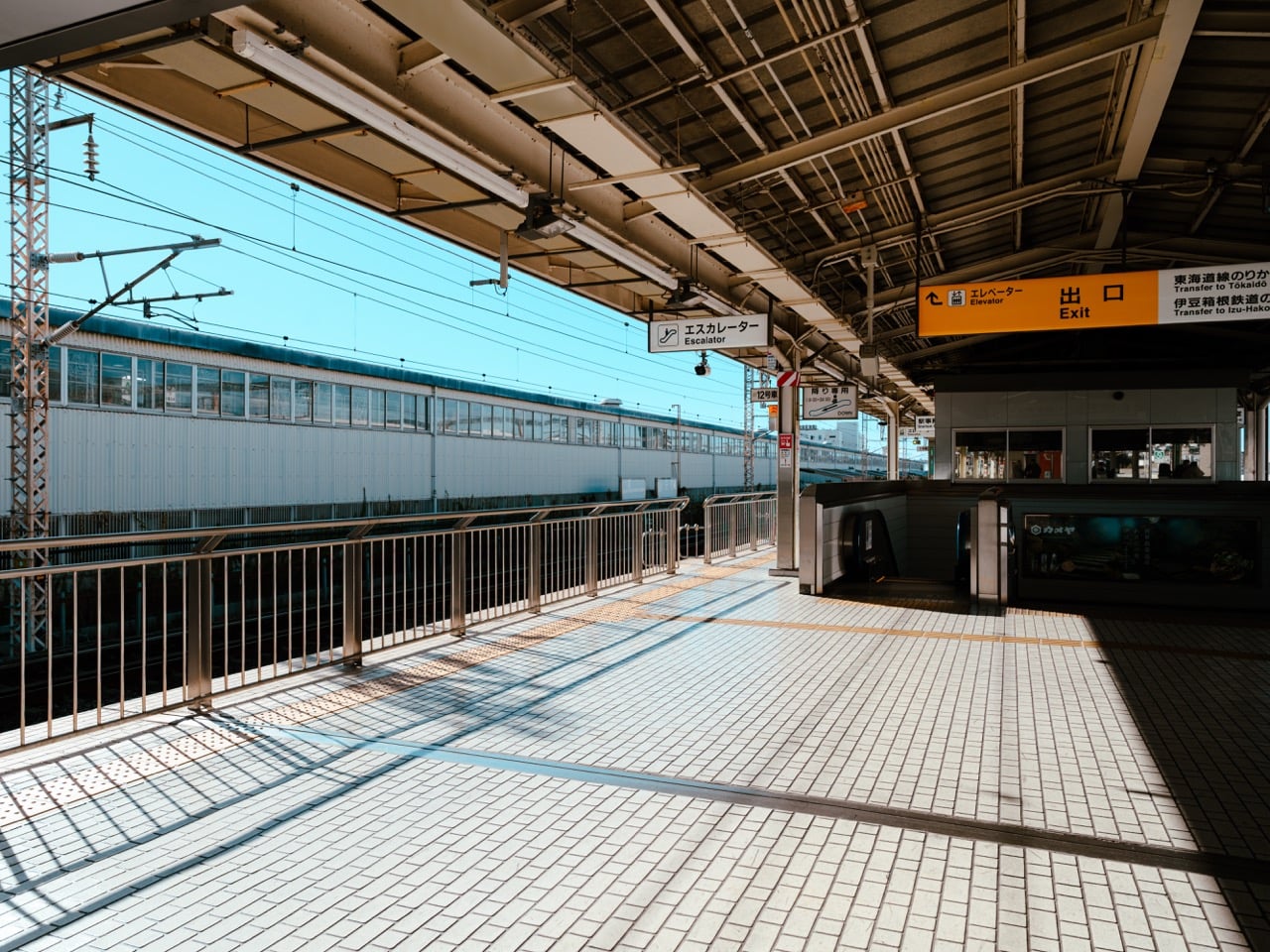
Only once in Tokyo did we need to use a JR train, and otherwise, I booked just one Shinkansen journey. This trip was from Mishima to Kyoto; we took the bus from Kawaguchiko to Mishima after spending a few nights near Mount Fuji. The train cost around 12,000 JPY per person, so it was by far the most expensive part of transport in Japan that we did.
We also used JR trains to get from Kyoto to Osaka, along with day trips to Uji and Nara. When we flew back to Europe, we also got on a train that would have been covered by the JR Pass going from Osaka to Kansai Airport.
Besides the Mishima to Kyoto Shinkansen, we did not book any of these in advance. Moreover, all of these journeys—again, except for Mishima to Kyoto—were not expensive at all.
While we were in Tokyo and Osaka, we mainly used the cities’ excellent Subway networks to get around. In Kyoto, we used a mixture of this and Uber.


Rather Than Buying the JR Pass for the Golden Route, Here’s How I Would Buy Tickets Instead
If you’re traveling in Tokyo, I strongly recommend buying a Subway pass. You can get one for one, two, or three days. It’s very good value for money; a three-day pass costs 1,000 JPY, which is around $6.50. You can buy your pass in advance and then redeem it when you arrive in Tokyo. To book your pass, you can do so here.
I would then pay for individual JR tickets in the city if you *really* need them, such as if you take a day trip from Tokyo to Kamakura. Also, I suggest bring some physical cash as I had issues paying by card at many stations. You can withdraw money from ATMs at convenience stores.

To buy Shinkansen tickets, you can do this in advance. I recommend doing so in particular if you’re traveling with large luggage. Or if, like me, you like to have everything planned before you travel. I booked our journey to Kyoto via Klook, and I recommend doing the same for all of your Shinkansen journeys. You can check times and availability for destinations here.
For long-distance buses (such as Tokyo to Kawaguchiko), I was really happy with Japan Bus Tickets. We had issues with a different supplier beforehand, but I got a refund after we were overbooked. With Japan Bus Tickets, however, everything was simple. The website is also very easy to navigate.

In the Kansai region (which includes Kyoto, Nara, Osaka, and other nearby towns/cities), I suggest getting an ICOCA Card. If you have an iPhone, you can choose this in your Apple Wallet and top up via your phone. Then, to pay for journeys, you can tap your card down on the ticket barriers at each station.
For Android users (let me get off my iPhone high horse real quick), you can go to ticket offices or machines at JR-West stations throughout the region and get an ICOCA Card. These include Osaka Airport and Kyoto Station. I do have to warn, however, that Kyoto Station is *very* overwhelming and I therefore recommend speaking to station staff if you can’t find the machines. You’ll need to pay 2,000 JPY, but you can use 1,500 of this to travel with.
Is There Any Occasion When I *Would* Recommend Using the JR Pass?
If you’re doing a proper trip through Japan and away from the Golden Route, and you’ll be using Shinkansen trains each day, the JR Pass might actually save money compared to buying tickets individually. However, you will need to keep in mind that Japan is *huge*. In my opinion, trying to do huge amounts of the country in two weeks will mean that you can’t take much in.
For a three-week trip to Japan, the JR Pass is more likely to save you money. It costs 50,000 JPY, and if you’re going to do multiple long-distance journeys, it can then be worth your time. Before doing that, though, I’d recommend calculating the trips you plan to take and ensuring that it actually is worth the money.
You also will still need to pay separately for the Subway in Tokyo, Kyoto, and Osaka—along with other cities in Japan—even if you do get the JR Pass. So, you should also factor all of this into your budget.
🚅 If you still want to research whether the JR Pass is worth it for you, you can do so here.
The JR Pass Wasn’t Necessary for Me, and It Might Not be for You Either
During my first two-week trip to Japan, I debated for a very long time about whether I should get the JR Pass. For the Golden Route, I can think of almost no instances in which buying it makes sense. This was the case with me; I was quite okay to get individual train tickets when needed, along with using a Subway pass for Tokyo.
Given how expensive the JR Pass is, you probably won’t need it if you’re in the country for less than three weeks. I don’t recommend choosing more than three regions if you are, anyway; we still felt like we could have spent an extra 1-2 weeks just on the Golden Route, to be honest.
If you’re in Japan for three weeks, the 21-day pass *might* be worth it. But before buying, I strongly recommend that you add all your expected trip costs together to ensure that you get value for money.
More Useful Resources to Help You Plan Your Japan Trip 🇯🇵
Read All of My Japan Travel Guides 🗾
Book Shinkansen Train Tickets for Your Trip 🚅
Get a Japan eSIM (and 10% off at With My Code DANNYCPH at Checkout) 📲