When’s the Best Time to Visit Copenhagen? A Local’s Perspective
*Disclaimer: This blog is reader-supported, and this page might therefore contain affiliate links. When you book or buy through them, I may earn a small commission at no extra cost to you. It helps me write these in-depth and original guides, so thank you for the support! Full Affiliate Disclosure
Almost every time I’ve seen a “When’s the best time to visit Copenhagen?” article online, I’m a little disappointed. Everyone tells you that summer is the best time to visit, but to be honest, I respectfully disagree.

-ARTICLE CONTINUES BELOW-
All My Copenhagen Guides. Delivered.
Save time on researching and get all my Copenhagen travel guides delivered straight to your inbox, along with monthly newsletter updates. Unsubscribe anytime.
As someone who’s lived in Copenhagen for over four years and who visited seven times before moving here, I’d actually argue that summer is the worst time for many people to visit. The city is crowded, accommodation is more expensive, and many locals go on holiday for quite a long time.
To help you make a better decision as to when you should come to the Danish capital, I’m doing things differently here. I’ll tell you when’s the best time to visit Copenhagen based on the activities you want to do while you’re here (you can skip to this section if you don’t need the rest of this guide).
We’ll also talk about daylight hours, weather, and all of that stuff.
Activities and Events 📆
Winter
If you’re interested in attending a broad range of events, winter is the best time to visit Copenhagen. The highlight of the calendar is undoubtedly February’s Copenhagen Light Festival, but there’s plenty more to be excited about as well.
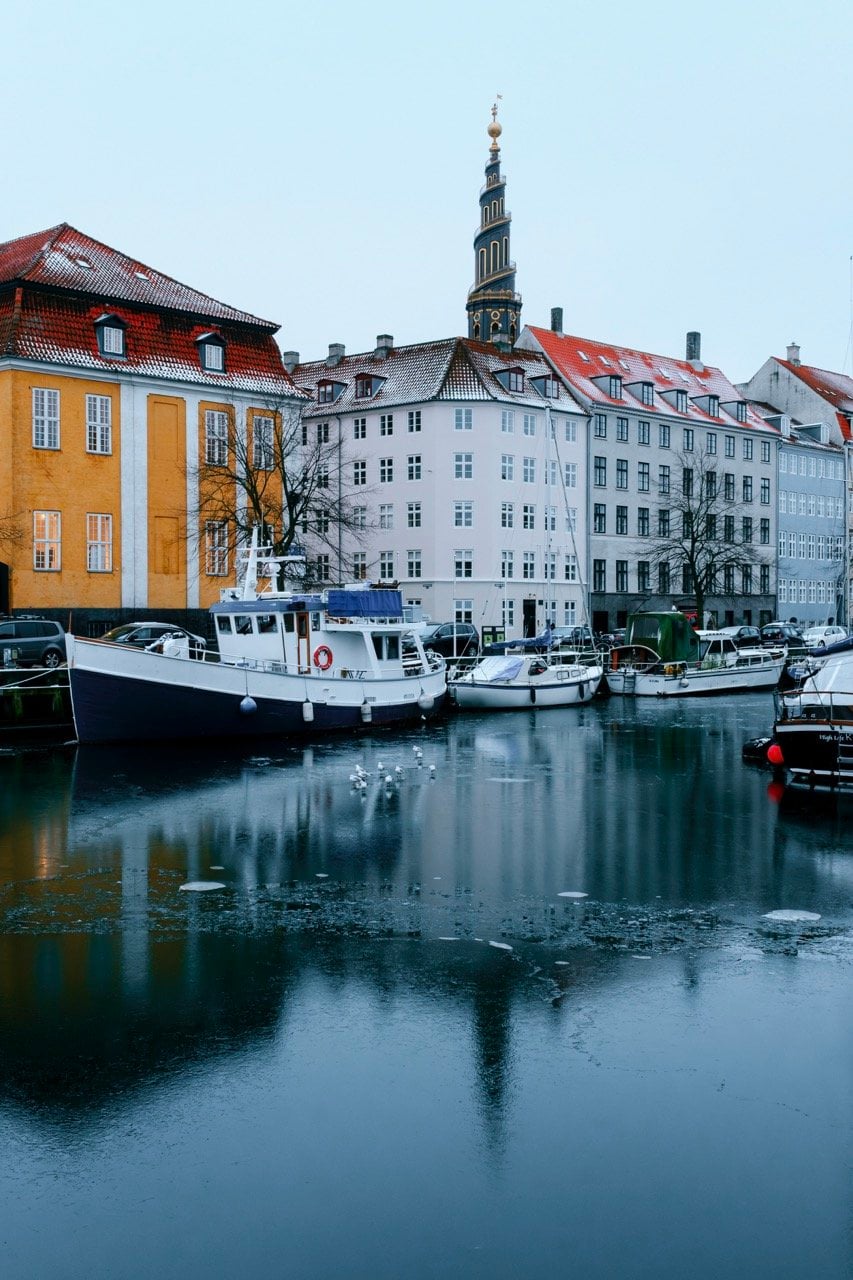
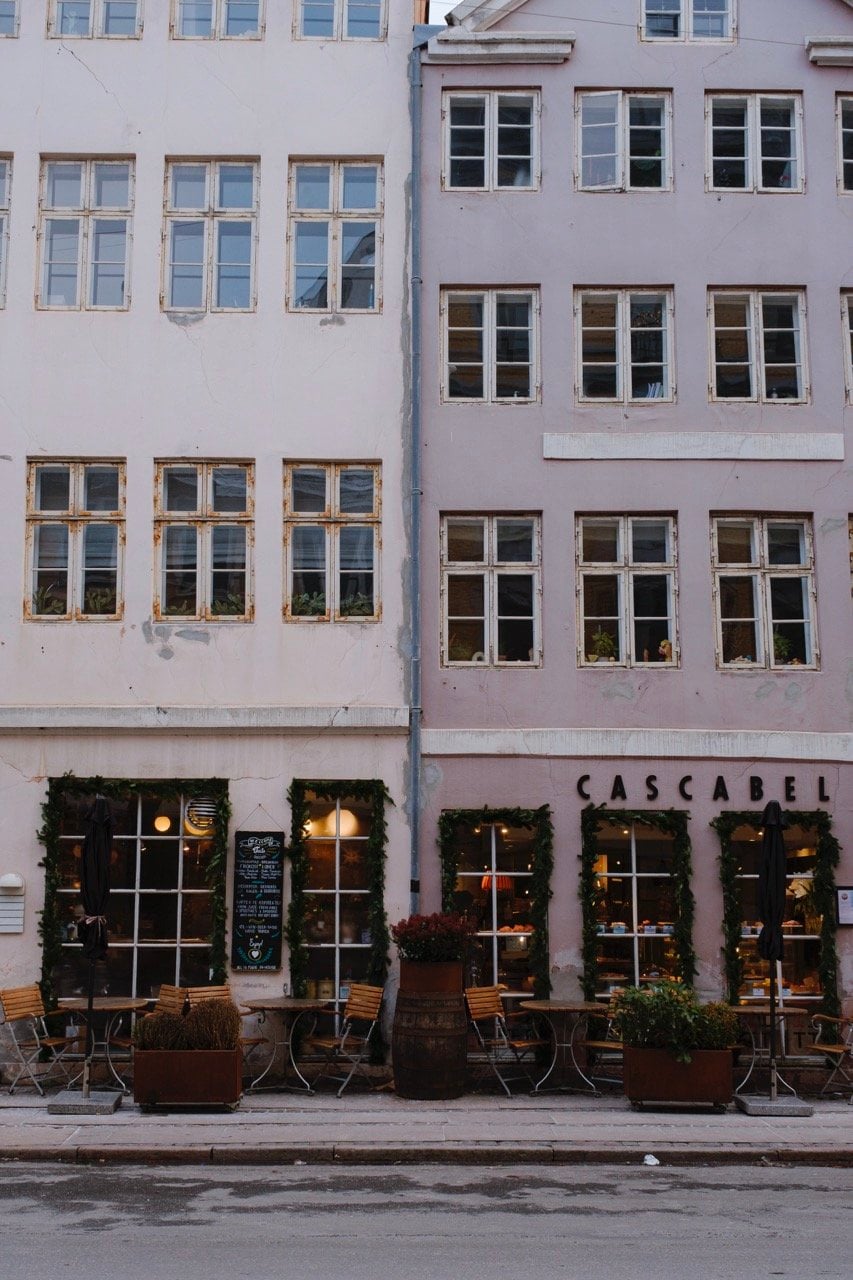
The Copenhagen Light Festival
The Copenhagen Light Festival takes place throughout the city and is an installation of multiple light displays that change every year. It’s completely free and a fantastic way to spend an evening.
The event is outdoors; make sure you wrap warm so you can brave the (probable) wind and cold. You can find out more about the event here.
Ice Skating
Copenhagen’s main outdoor ice skating rink is at Broens Gadekøkken, which is right between Nyhavn and Christianshavn. You’ll also find a smaller one near Frederiksberg Have, which is great if you’re traveling with kids.
Luciadag
Luciadag takes place on 13th December every year and is also an important cultural event across the border in Sweden. In Copenhagen, it’s worth going to Nyhavn and watching the illuminated kayaks along the harbor in the evening. Make sure you get there early, though, as it gets very busy.
J-Dag
J-Dag is in November and would technically count as autumn, but it’s the start of the Danish Christmas beer season. So, it makes sense to put it in the “winter” category instead. J-Dag takes place on the first Friday of each November, and you’ll see bars and pubs throughout Copenhagen begin selling the famed Tuborg Christmas beer. I have to say that the night in and of itself is far too intense for me, but I do recommend trying the beer in the lead-up to Christmas, nonetheless.
Fastelavn
Fastelavn is the Danish holiday with the best pastries, and I’m more specifically talking about the fastelavnsbolle. Compared to the semla bun in Sweden (which is also worth trying), the fastelavnsbolle is sweeter and normally comes in multiple flavors. You can find the pastry in pretty much every Copenhagen bakery; I’d recommend Ard or Lagkagehuset for the best ones.
Spring
Spring’s highlight event is Distortion, which normally takes place at the end of May and the beginning of June. Again, it can be quite intense for a lot of people—but it’s cool to experience once. Various streets in Copenhagen become lined with bars and the city is generally in a festive mood. You’ll need a ticket to see the headline acts, but many of the street parties are free. Learn more about Distortion here.

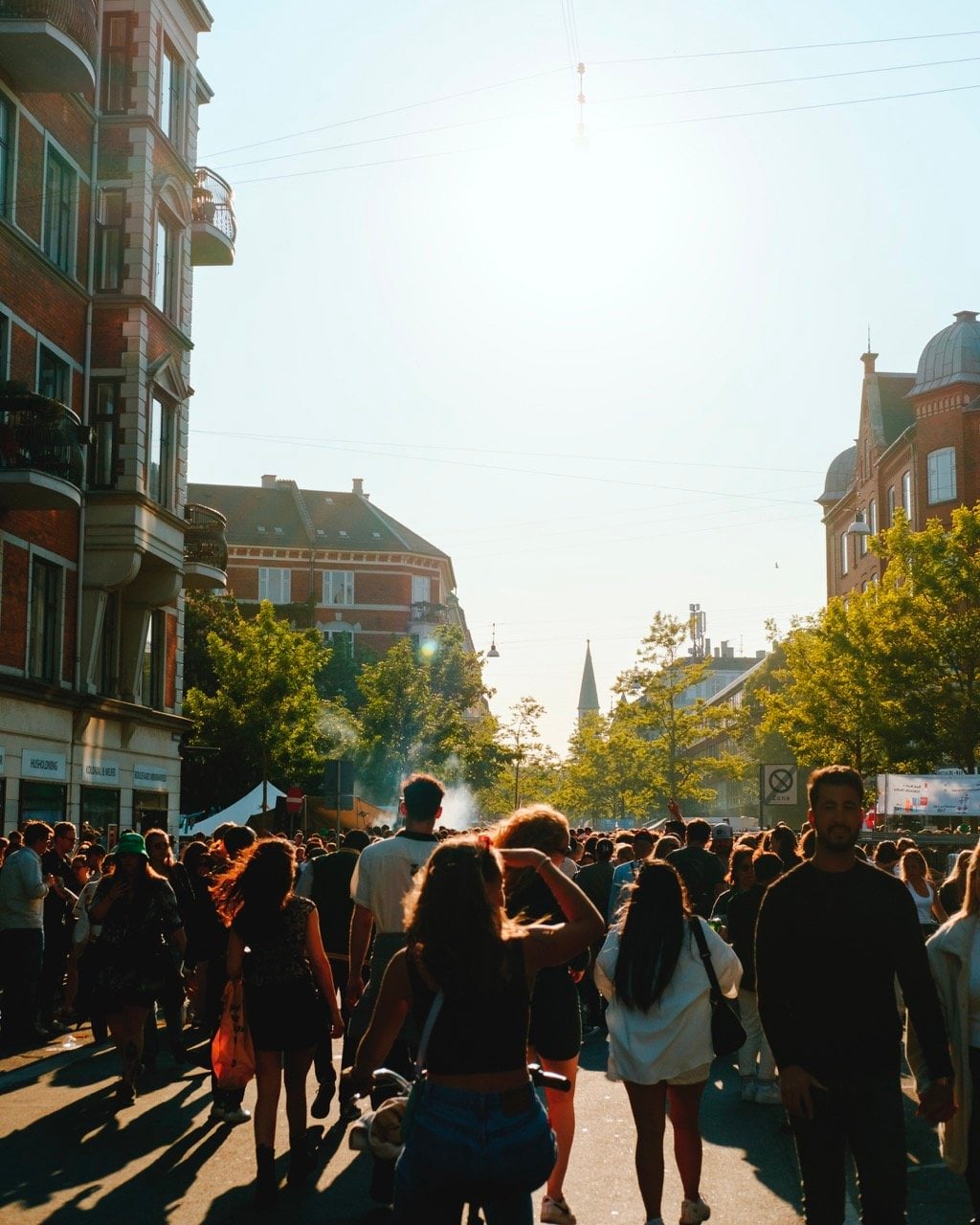
If loud street parties aren’t of much interest to you (🙋🏾♂️), visiting Copenhagen in the spring is still worthwhile. I’d especially recommend coming to the city for the blossoming of the cherry trees, which normally happens around the middle or end of April. Langelinie, the waterfront area near Kastellet, is one great place to see this happen. However, you can also go to Bispebjerg Kirkegård.
Summer
Copenhagen in the summer can sometimes feel like a three-month holiday (side note: you should check out my guide to the best things to do in Copenhagen during the summer). Sankt Hans Aften marks midsummer and normally happens around 23rd June, which is also close to the longest day of the year. Bonfires are lit up throughout the city during this time, including at Frederiksberg Have and Nyhavn.


While the Reffen Street Food market opens in late spring, it’s best to visit in the summer when the weather is warm. Other nice things to do include hiring some swan boats and paddling along The Lakes. You can learn more about boat rentals here (website in Danish).


Autumn
As the temperatures begin to cool down, Copenhagen becomes all about culture. Kulturenatten is the highlight of autumn in Copenhagen; for one night in October, you can access many buildings and museums after dark. For example, my friend and I got to see the interior of Frederiksberg Slot in October 2022.
I’d recommend visiting Copenhagen for Kulturnatten, as you really gain a sense of appreciation for just how great this city is. But even if you don’t, autumn is a great time to visit the Danish capital.
Which Attractions in Copenhagen Are Open Year-Round?
One reason why I push back so much about people saying that “May-September is the best time to visit Copenhagen” is because they ignore the year-round wonders of this city. Below are some of the top things I’d recommend doing year-round in the Danish capital.
Boat Tours
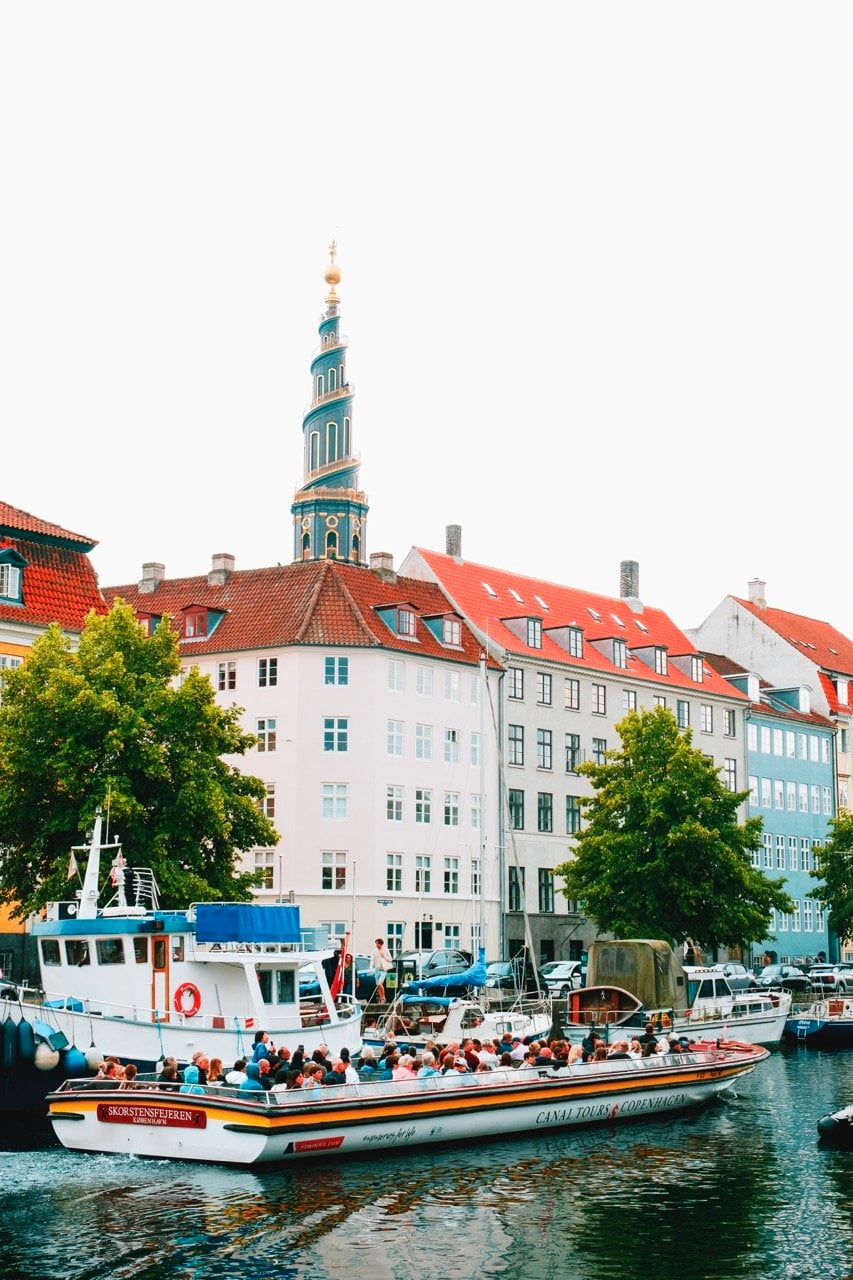
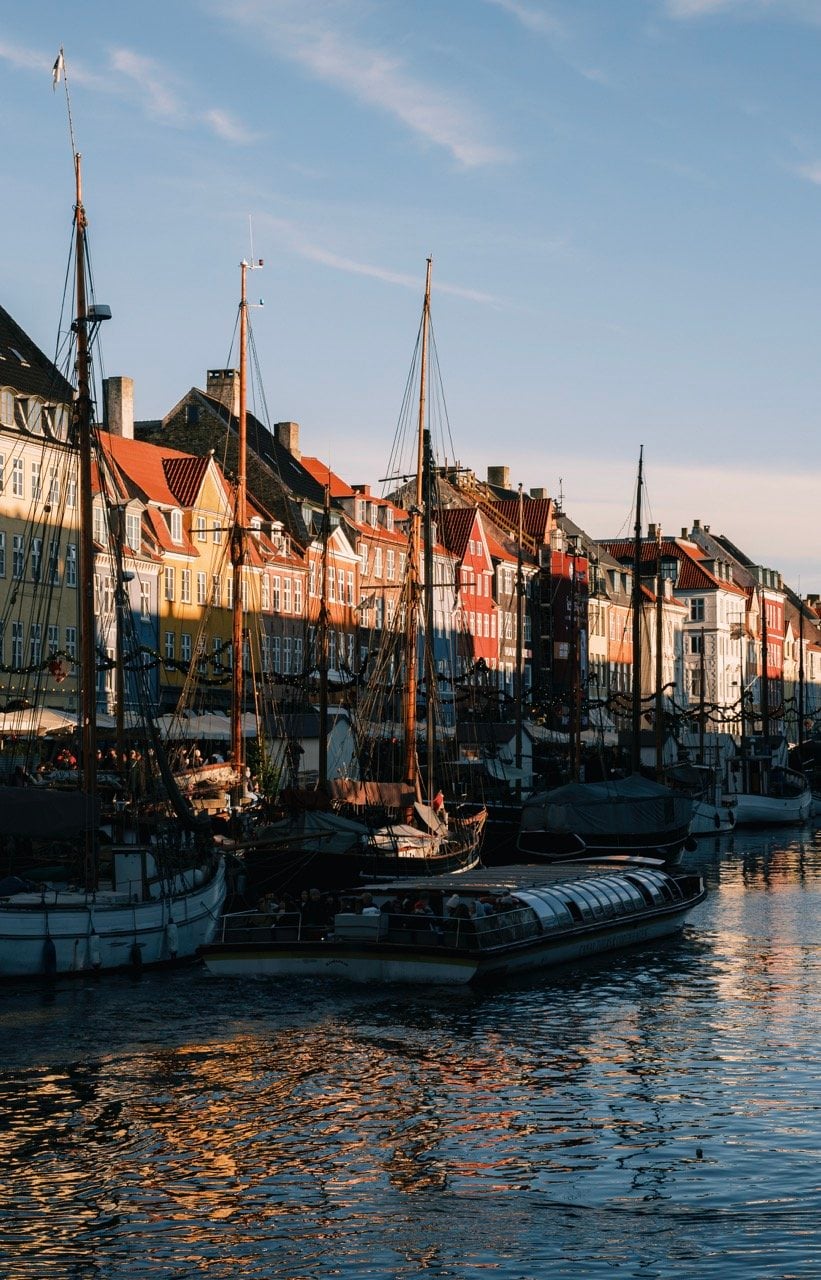
Several boat tours operate throughout Copenhagen—and as I mentioned in my long-form Copenhagen travel guide, they’re a great way to admire the city from another perspective. In addition to joining boat tours, you can also hire your own boat and explore the Danish capital.
The boat tours you take in Copenhagen will have varying pros and cons depending on when you visit. For example, winter will often be windier and rainier. But on the flip side, you won’t have to deal with as many crowds as you would in the summer. So, if the Danish winter doesn’t bother you that much, I’d actually recommend visiting in the off-season.
The Round Tower
The Round Tower offers one of the best views over Copenhagen and is a reliable year-round tourist activity. Unlike the Church of Our Saviour (which is still worth visiting), the tower doesn’t close during windy and rainy weather most of the time.
If you want some excellent photography opportunities, come in the winter. Since the sun sets very early in December and January, you can get great golden-hour photos on a clear day. The caveat here is that we don’t get many clear days in the winter, so you know…

Museums
If the outside weather becomes unbearable for you, Copenhagen has more than enough museums to keep you entertained. Ny Carlsberg Glyptotek, Krigsmuseet, and Designmuseum Danmark are just three of the many that deserve your attention.
If you plan to visit multiple museums during your Copenhagen stay, you may want to consider the Copenhagen Card—which offers free admission to several attractions.
Nyhavn
As pleasant as Nyhavn is on a warm summer’s evening when the sun’s still up past 9 pm, the area is also packed, and being here can quickly become frustrating. So, if you want to experience this area in all its glory—but don’t want to wake up at 5 am in the summer—you can always visit early in the morning at other points of the year. I love coming here in December when the sun comes up just after 08:30; it’s normally quite peaceful, and the lighting is beautiful. I’ve got a full Nyhavn photography guide if you want some tips on taking better pictures.


Is Tivoli Open Year-Round?
Tivoli closes for a few weeks multiple times during the year, and this occurs between each season. Each season at Tivoli is worth aligning your visit with, and you can find the dates for each of them here.
Weather and Daylight Hours in Copenhagen 🌓
Alongside thinking about things to do, you should also determine the weather and daylight hours throughout the year when planning a trip to Copenhagen. If you’re indifferent to the winter darkness or summer brightness, you can pretty much visit year-round. Nonetheless, it’s worth looking at the conditions throughout to ensure that you make the right decision.
Winter
I get it—Copenhagen is in Scandinavia, and your winter impressions of Scandinavia in the winter are a place that is bitterly cold and borderline uninhabitable. However, winter in the Danish capital is often milder than you might think. Temperatures normally hover between 6ºC and -3ºC, rarely dropping below -10ºC.
We normally have a week or so each winter where temperatures hover at -5ºC and below, but that usually doesn’t last long. Similarly, while it technically does snow most winters, it normally melts. Instead, the sky is normally grey, and the wind howls while the rain falls.
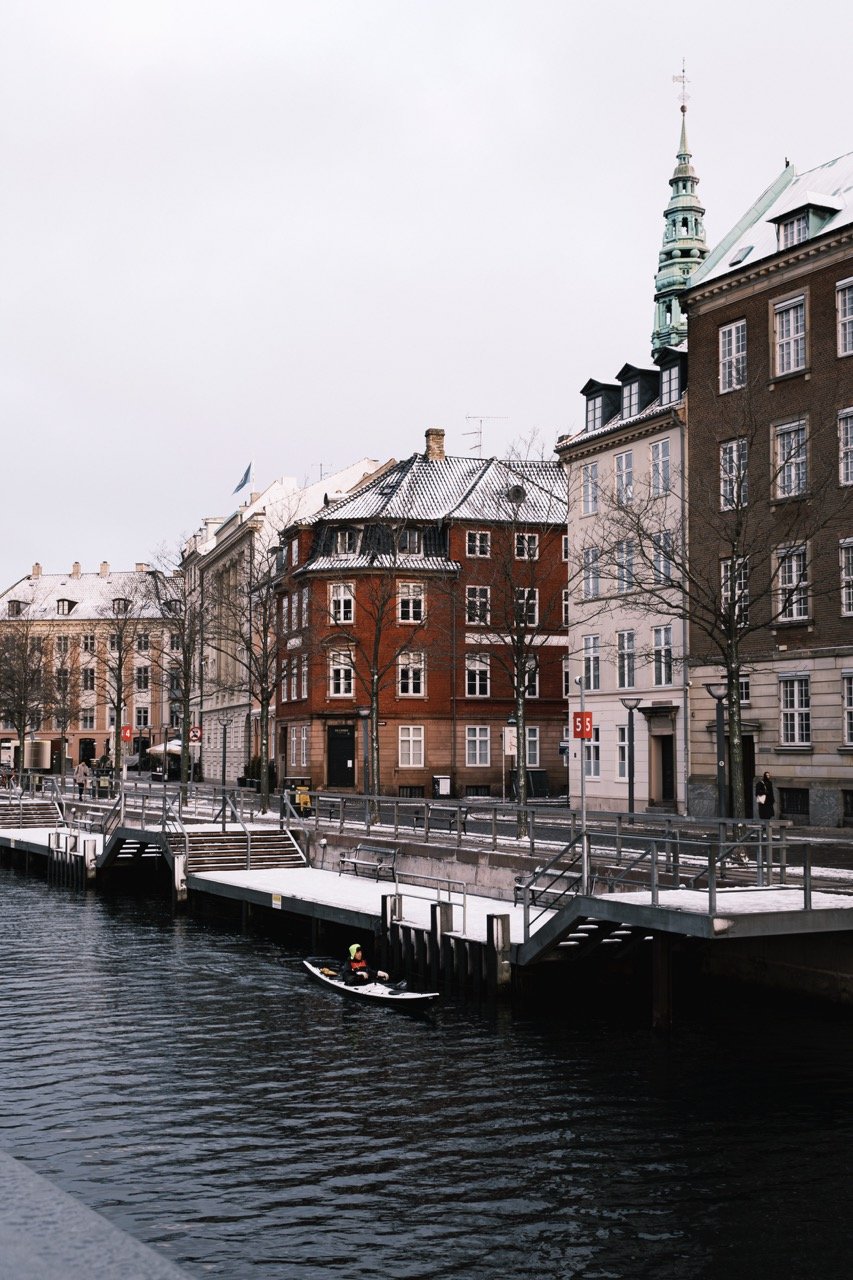

The daylight hours in December and January are short. The shortest day of the year is normally around December 21st, when the sun rises at 08:37 and sets again at 15:38. January is also quite dark, although the daylight hours lengthen from just over seven hours at the start of the month to eight-and-a-half hours by the end of January. By the end of February, we have just over 10-and-a-half hours of daylight.
Basically, think about what winter would be like in most parts of Scotland. Then, you’re pretty much on point with what it’s like in Copenhagen.
Spring
Spring in Copenhagen might be chillier than you’re used to, and it normally takes until mid to late March for the daytime temperature to reach double figures in Celsius. However, visiting in April and May is usually a pleasant experience. The daylight hours have expanded to 13 hours by the end of March and 15 hours when April has concluded.
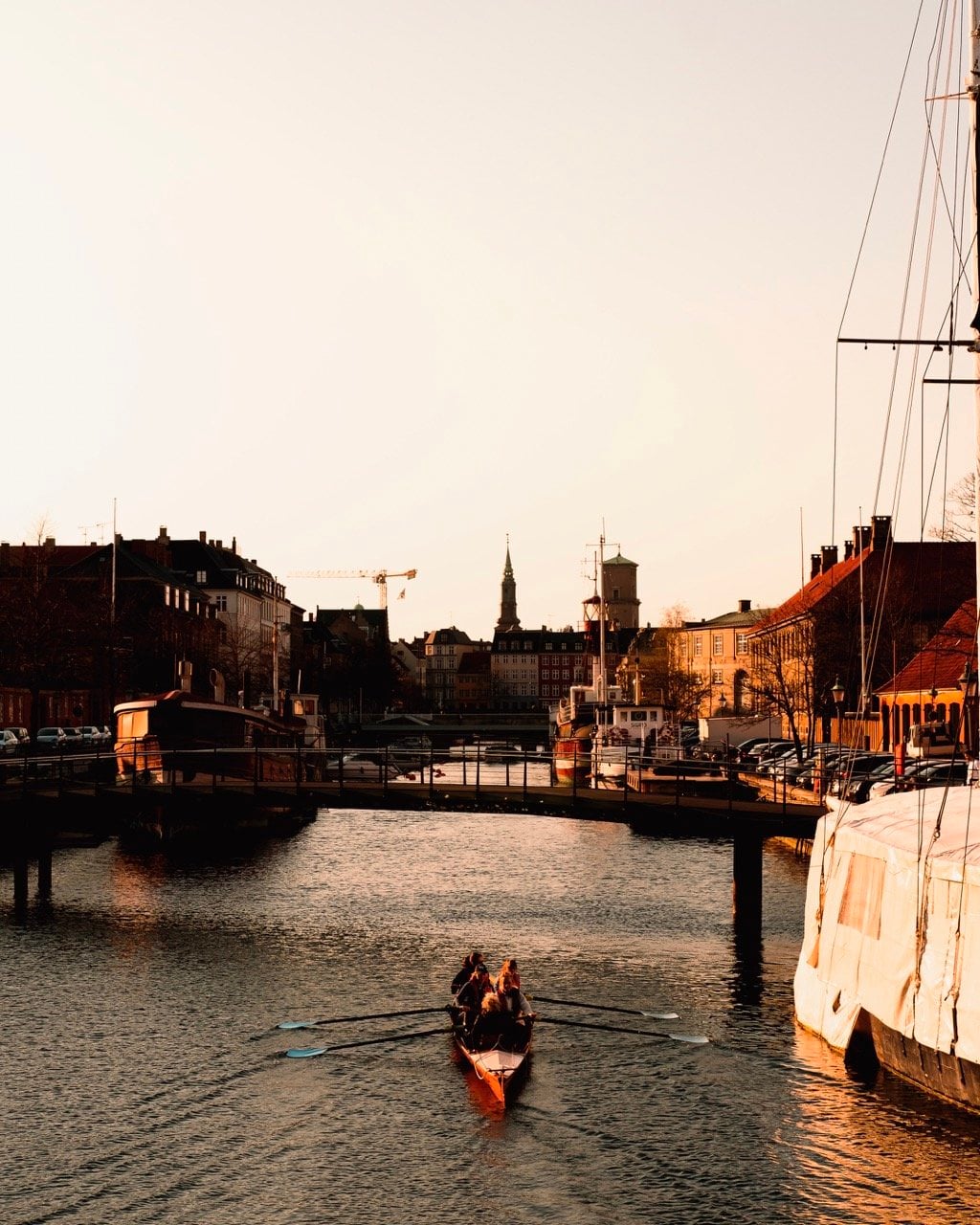
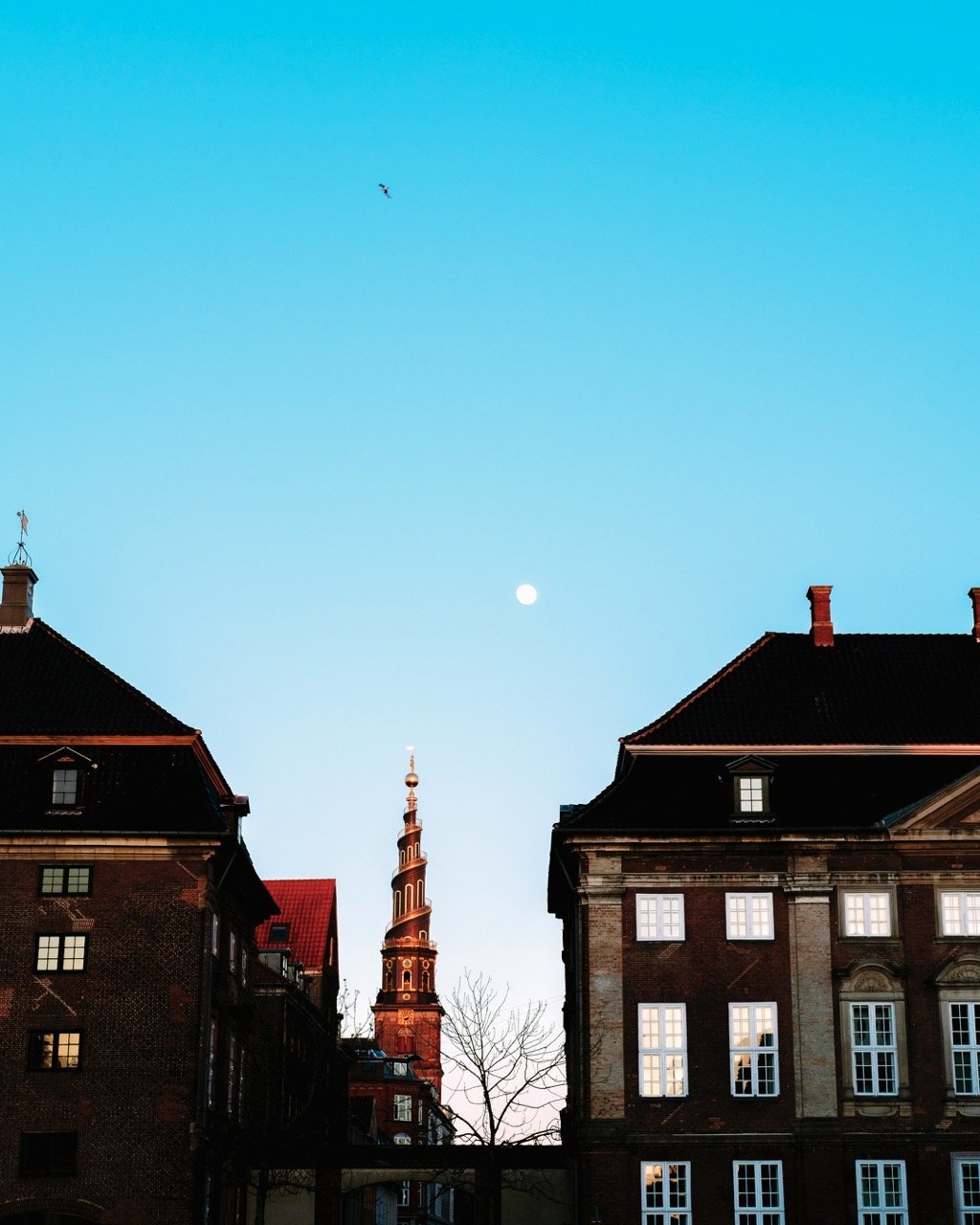
While the weather in March and early April can be unpredictable, the sun comes out on a more reliable basis by the middle of April. Expect warm daytime temperatures and cooler ones in the evening. It’s normally anywhere from 12-17ºC in the day and 5-9ºC at night.
Summer
While summer occasionally doesn’t arrive (which is pretty much what happened in 2023), you can normally expect reasonably warm temperatures in Copenhagen from June to September. And while downpours are inevitable at some point, we can go weeks without seeing a drop of rain.
Daytime temperatures in the summer normally hover from 18-23ºC, but temperatures in the late twenties are also common. It’ll occasionally rise to 30ºC and above, but not too often. And thank god it’s not too often because the humidity is often disgusting when it does.
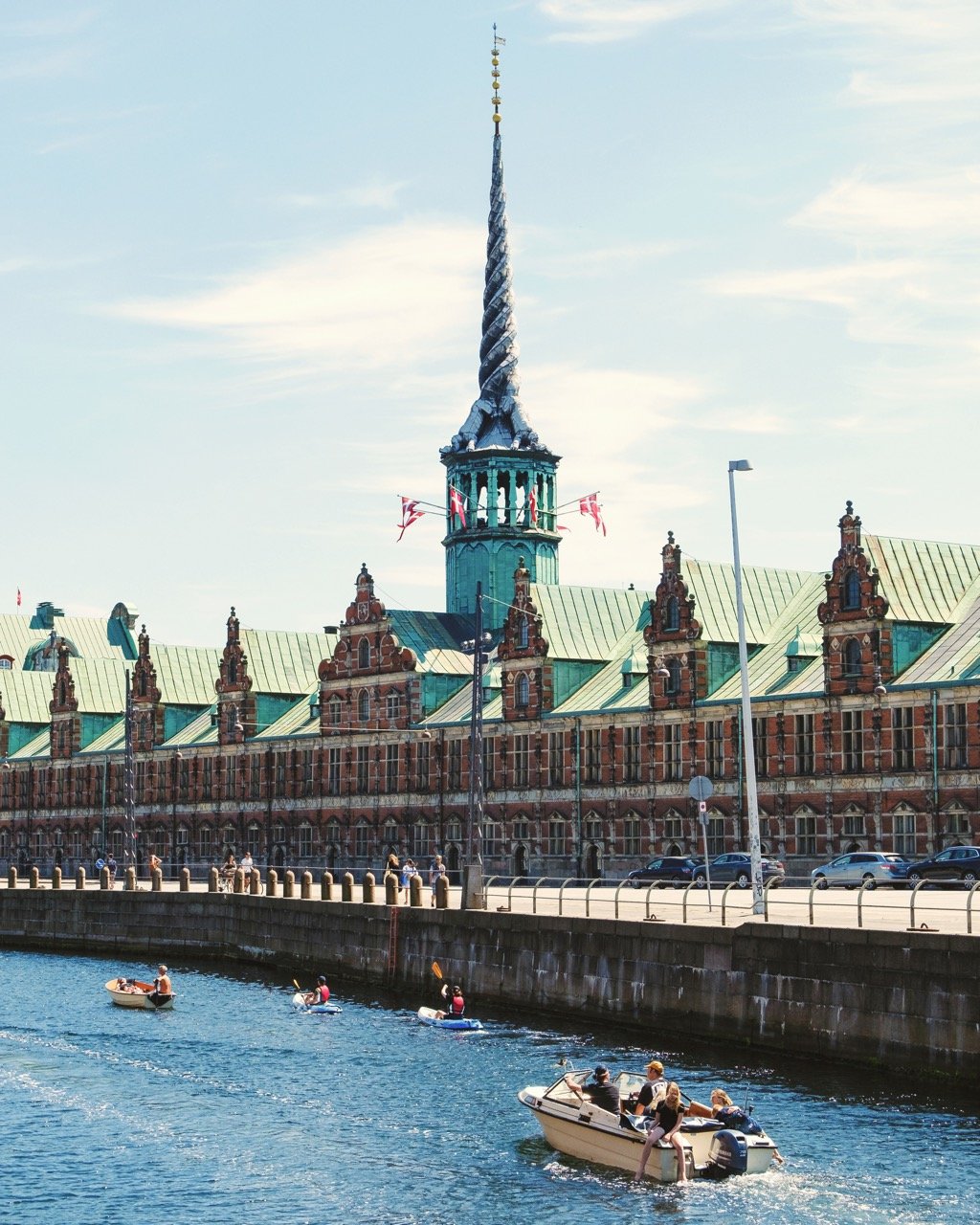
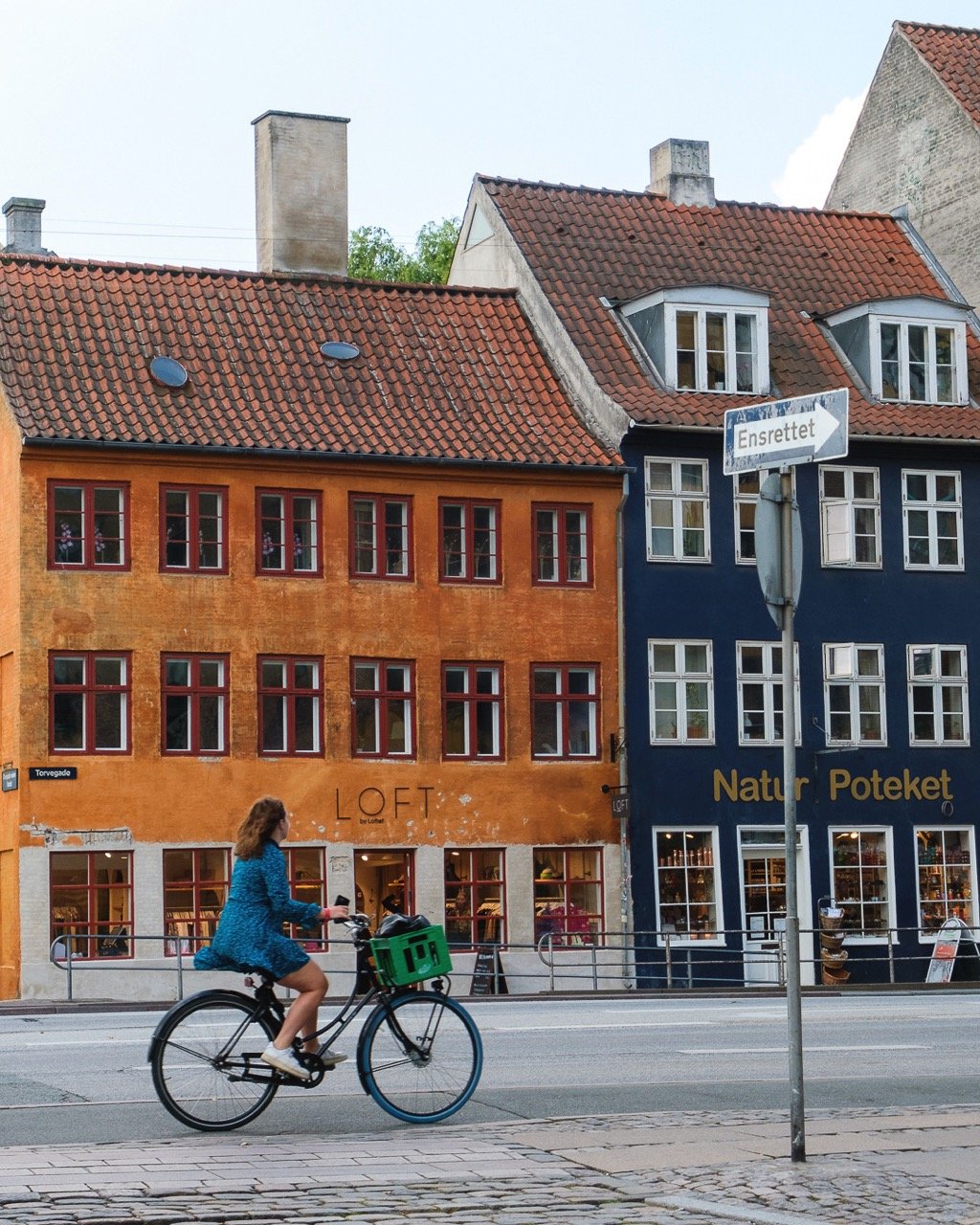
What is guaranteed, however, is *long* daylight hours. June 21st is normally the longest day of the year; the sun rises at 04:25 and goes down again at 21:58. However, because we’re relatively far north, it often stays somewhat light for longer. I remember going to the toilet once at 03:30 in June, seeing the sun come up, and thinking: “there’s pretty much no point in me going back to bed now”.
Summers remain bright until late August, when the daylight hours draw back in, and it’s clear that autumn is on the horizon again.
Autumn
If you’re looking for “normal” daylight hours, autumn is a great time to visit Copenhagen. We normally have 11-12 hours of daylight in September and early October, but the days are noticeably shorter by the middle of October. And by the end of the month, it’s pretty much winter.
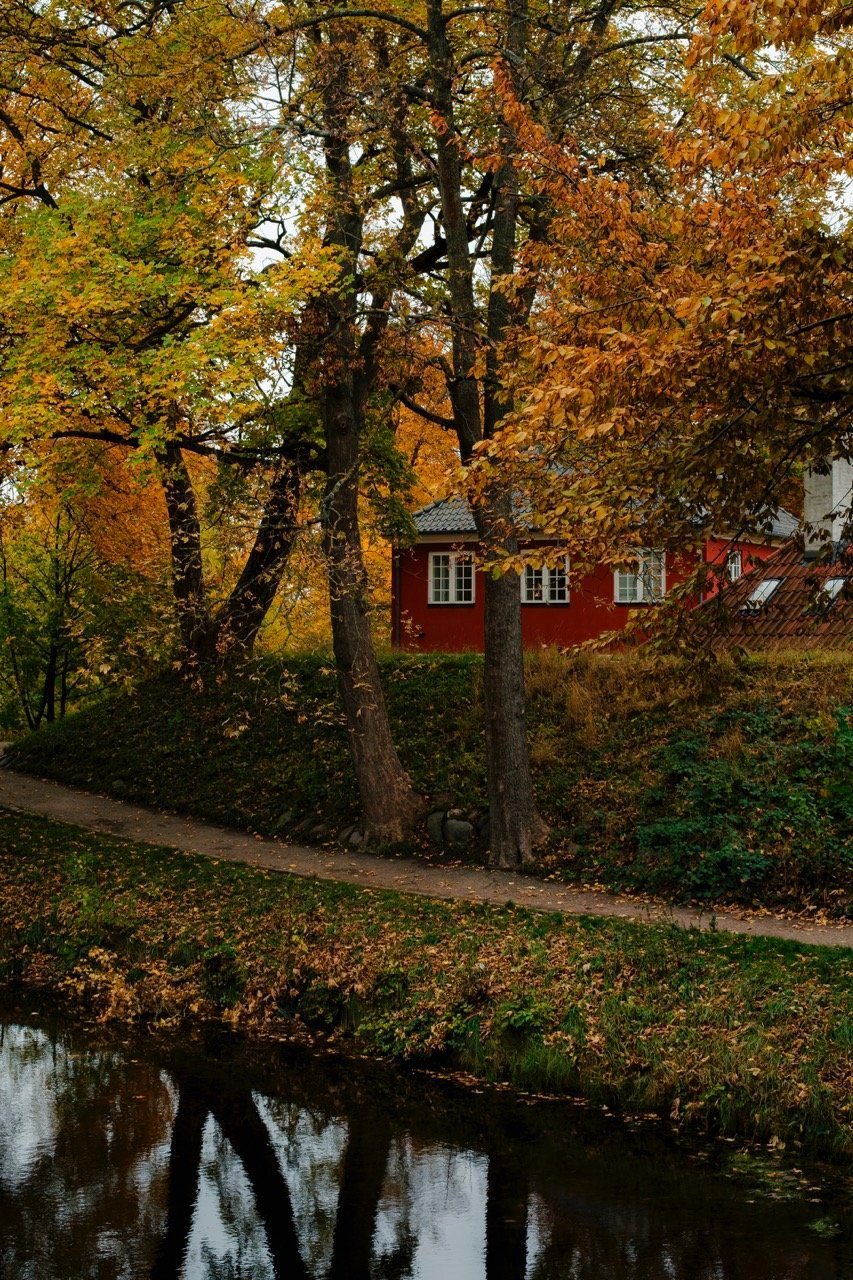
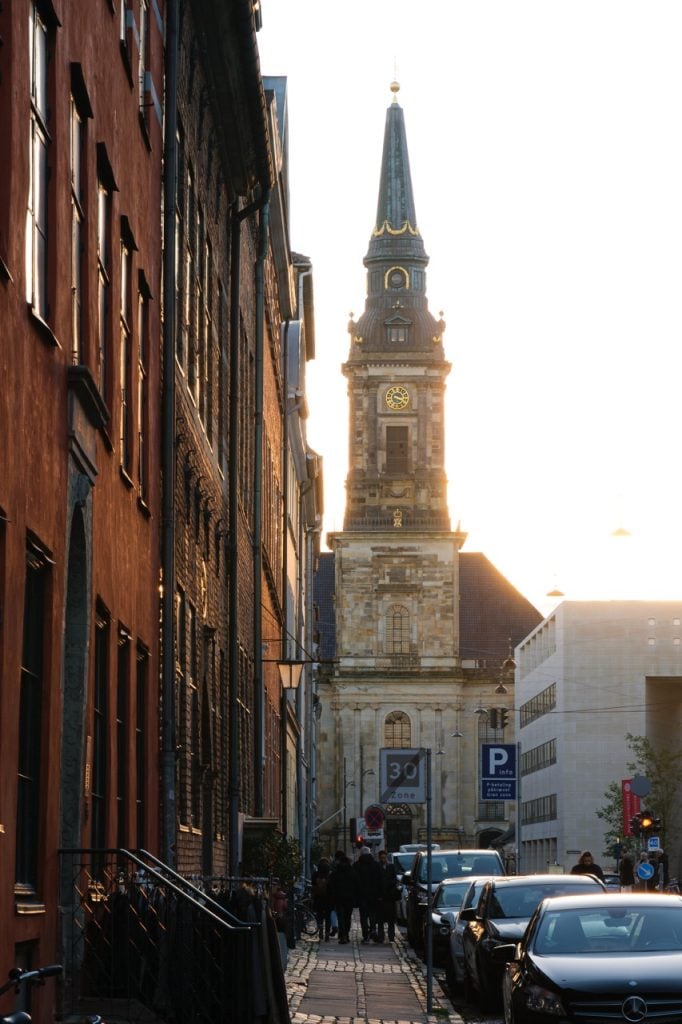
Daytime temperatures are usually between 11ºC and 15ºC in autumn, but the warmer temperatures are typically in late September and early October. By the middle of the month, it starts to creep down to single digits again.
Okay, So When Should *You* Visit Copenhagen?
The best time to visit Copenhagen depends on what you want to get out of your trip. If you’re looking for long daylight hours and warm weather, visiting in mid-December makes no sense. Similarly, you’re not going to find glögg and Christmas markets in many places for the summer solstice (though admittedly, that would be quite nice).
Now that we’ve covered what there is to do during each season in Copenhagen, let’s look at when the best time is to visit for each type of visitor.
Winter
The Pros of Visiting Copenhagen in the Winter
Lower Hotel Prices
Hotels in Copenhagen normally cost less in January and February compared to the summer, so you can find a nice deal if you know when to look. Similarly, flight prices are normally quite reasonable.
Hygge
You’ve almost certainly heard about the Danish concept of “hygge”, and winter is the best time to experience it in Copenhagen. The restaurants and cafés in Denmark’s largest cities certainly look a lot more welcoming when the wind is blowing and the rain is slapping you in the face. You’ll appreciate everything a lot more—trust me.
Fewer Crowds
Copenhagen is full of tourists on most weekends throughout the year, but you’ll experience fewer crowds during the winter. Many locals stay inside for much of the winter, too, so you can have the city to yourself if you visit on a weekday.

Lots of Events on the Calendar
Copenhagen has an impressive number of activities and events on the winter calendar, so you’ll never be bored. I would absolutely recommend visiting for the Light Festival, but don’t be scared to try out ice skating either.
The Cons of Visiting Copenhagen in the Winter
Fewer Daylight Hours
You can still squeeze a lot into the seven hours of daylight that Copenhagen gets in December. However, the lack of daylight hours isn’t ideal for longer day trips. If you want to go to Malmö, for example, I’d recommend either staying overnight or departing from Copenhagen before sunrise. You can, however, easily visit Frederiksborg Castle on a day trip—even in the off-season.
The Wind…
If I could change one thing about Copenhagen, it would be how windy it is. It can be brutal in the winter, and the temperature often feels colder than the air temperature suggests. If you can’t deal with windy weather, you might want to visit at another time during the year.
Visiting Copenhagen in the winter is best for…
- Christmas cheer
- People who don’t like crowds
- People who like mild weather
- Visitors more interested in seeing Copenhagen in general
- Experiencing Copenhagen’s cafés and eateries
- People who want to experience Scandinavia’s winter darkness on a more moderate level than Norway or Sweden
- Visiting museums and indoor attractions
Spring
The Pros of Visiting Copenhagen in the Spring
A Positive Atmosphere
Copenhagen is a cheery city after the long winter, and you’ll almost always see lots of people out and about in the spring. It’s a great time to be in the Danish capital, whether you’re on your own or visiting with friends or your partner.
Warmer Weather and Longer Daylight Hours
Copenhagen usually experiences pleasant spring temperatures, and there’s more time to be outside. So, you can do more than you normally would be able to during the winter—especially if you visit in May.

Less Crowded Than in the Summer
While Copenhagen is more crowded in the spring than in the winter, it’s still less busy than in the summer. So, if you want sunnier weather without bigger crowds, spring is an ideal time to visit the Danish capital.
The Cons of Visiting Copenhagen in the Spring
Hayfever
Just the same as everywhere, really, but IYKYK. 🙂
It Can Still be Quite Windy
If you thought that visiting Copenhagen in the spring meant you escaped the wind, I’ve got some bad news. It can still be quite windy during the spring, which is actually more irritating than the winter.
Not as Many Events as in Winter
Spring doesn’t have as many events as winter, but you can argue that doesn’t matter because simply being outside is fun.
Lots of Bank Holidays That You Might Not Be Aware Of
Denmark has lots of bank holidays that might catch you out, such as the Thursday before Easter. On these days, many cultural institutions close, and so do the main supermarkets. It’s worth checking for bank holidays before you plan your visit.
Visiting Copenhagen in the spring is best for…
- A well-rounded weekend
- Day trips
- People who don’t have hayfever
Summer
The Pros of Visiting Copenhagen in the Summer
Best Time of the Year for Day Trips
If I’m being honest with you, I spend most of my summer doing day trips elsewhere. The whole of Denmark comes alive during the warmer months, and I can recommend Helsingør, Odense, and Tisvilde Hegn as day trips or for longer adventures. Sweden’s just across the water as well, so you can always go for longer day trips there as well.
Outdoor Activities
Summer in Copenhagen is great for outdoor activities, such as cycling and going for walks. Amager Fælled is worth checking out in particular; this huge nature park is great for a day, and you can also find camping spots. I’d recommend cycling to Dragør as another day trip as well.
Better for People Who Don’t Like Winter
If you’re unlike me and don’t like winter, you’d probably enjoy visiting Copenhagen during the summer instead of the winter. So yeah, I guess that’s another pro.
The Cons of Visiting Copenhagen in the Summer
The City Is Full of Tourists
Summer is the peak tourist season in Copenhagen, which naturally brings the annoyances you can expect. If you don’t like crowds, you’re better off visiting at literally any other time during the year.
Many Businesses Close for Most of July
Most Copenhageners leave town in July, and many restaurants close for the entire month. You’ll still find places to eat, but you should keep in mind that somewhere you want to try might not remain open.
Copenhagen Can Be Incredibly Noisy During the Summer
From students graduating to loud motorbikes and everything else, Copenhagen can be incredibly noisy from June to early September. So, if you think this would bother you, visit at another time or stay in a hotel away from the loudest spots.
Visiting Copenhagen in the summer is best for…
- People who want to experience Copenhagen’s festive atmosphere in the summer
- Those of you who want to spend more time outdoors
- Cycling adventures
- Visiting other parts of Denmark. Many parts of Denmark are “summer towns”, such as Gilleleje. Møns Klint in the summer is also worth checking out, and so is Aarhus.
Autumn
The Pros of Visiting Copenhagen in the Autumn
Copenhagen Is Beautiful in the Autumn
In my opinion, no season in Copenhagen is more beautiful than autumn. The city is full of pretty parks lined with orange trees, which add a nice complement to the already colorful buildings. It’s perfect for photography lovers.

The Crowds Have Thinned Out by Autumn
The summer crowds drop off quite fast, and you’ll have more space to breathe in the autumn. So, if you want to visit at a quieter time—but not deal with the winter weather—consider coming to Copenhagen in the autumn.
Some Nice Events to Keep the Calendar Going
The Danish capital has a handful of fun events to keep you entertained during autumn, such as Kulturnatten.
Temperatures Are Still Reasonable for Most People
Winter doesn’t settle in until late October and early November, meaning that autumn is an ideal time to visit Copenhagen if you don’t want to deal with colder temperatures. But like I said earlier, you should visit in September or early October to make the most of this.
The Cons of Visiting Copenhagen in the Autumn
Shorter Daylight Hours
If I’m being honest with you, I can’t think of many negatives for visiting Copenhagen in the autumn. I guess the daylight hours being shorter can be a problem for doing things outside, and the wind often returns at some point in October.
Autumn in Copenhagen is best for…
- People who are into photography
- Everyone who enjoys wearing wool sweaters (which, by extension, is everyone I guess)
- Experiencing the fresh Scandinavian air
The Best Time to Visit Copenhagen Is Whenever You’ve Got the Time to
Copenhagen is a city you can enjoy year-round, and each season brings unique experiences. Yes, the winters are dark and windy—but that doesn’t mean you can’t sample some hygge and admire the Danish capital’s beautiful architecture. Similarly, summer brings a festive atmosphere that some might find to be worth dealing with bigger crowds.
When planning a trip to Copenhagen, listen to yourself and figure out when works best for *you*. Or better yet, visit the Danish capital in every season and enjoy unique experiences each time.


