Denmark
Happy locals cycle along cobblestone streets lined with bakeries and fancy design shops. And yet, even in its cities, you’re never too far from nature in Denmark.
This pint-sized country will surprise and intrigue you, whether it’s Denmark’s islands, beaches, or many castles.
Places to Visit in Denmark

All My Articles About Denmark
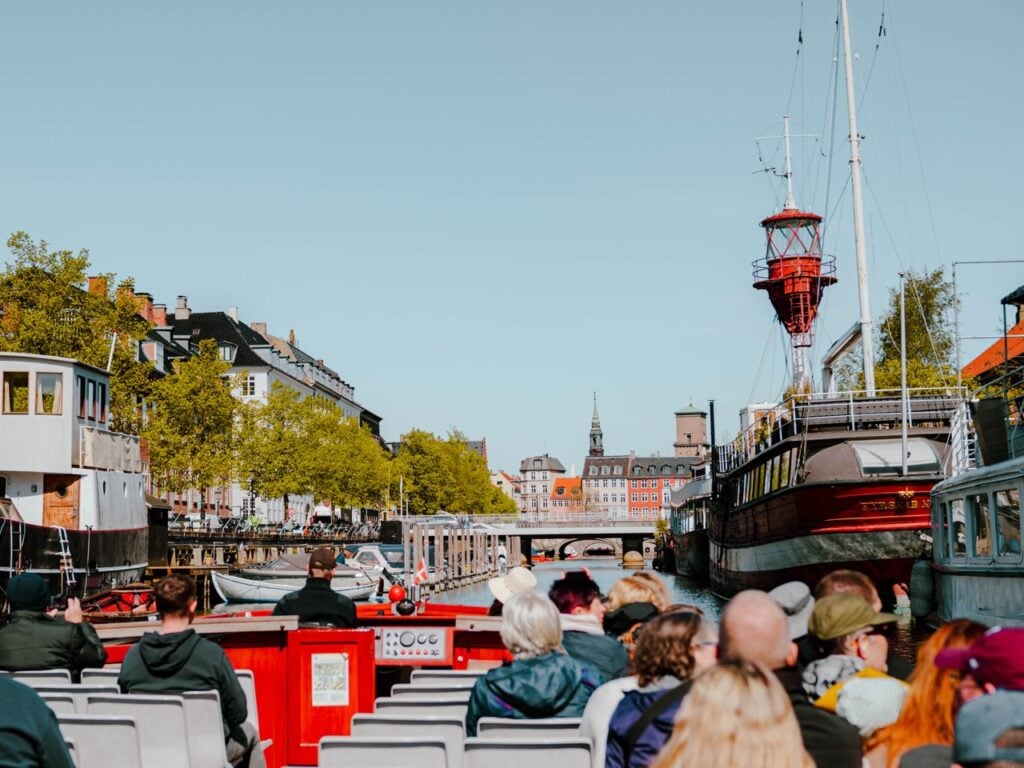
Stromma’s Copenhagen Classic Canal Tour: My Experience & Review
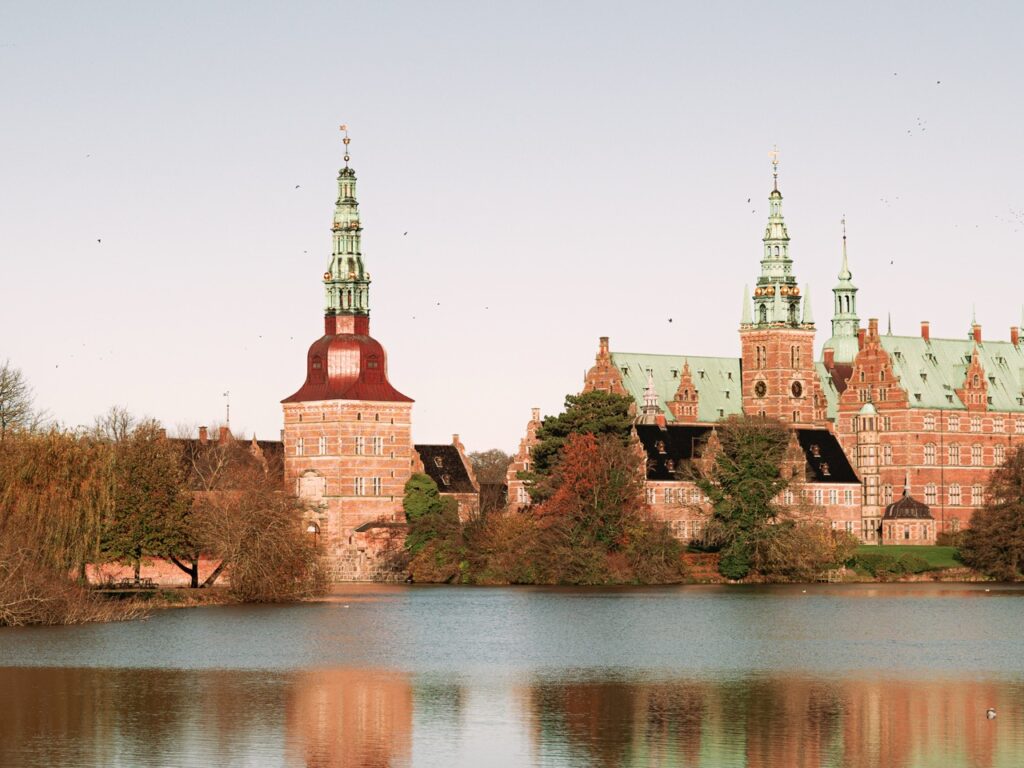
My Trip(s) to Frederiksborg Castle, Denmark (+ Useful Things to Know)

13 Useful Apps to Download When Living in Denmark
My Favorite Experiences in Denmark

copenhagen
Rent bikes and glide along canals in Denmark’s stunning capital.

Aarhus
A heaven of cozy cafés, cute streets, and lovely nearby nature.

Møn
One of Denmark’s most beautiful islands with a stunning cliff.

Nordsjælland
A beautiful coastline and cozy towns within touching distance of Copenhagen.


*Disclaimer: Some of the links on this page are affiliate links. When you book or buy through them, I may earn a small commission at no extra cost to you. It helps with these in-depth and original guides, so thank you for the support! Full Disclosure
Planning Your Trip to Denmark
Denmark is the smallest Scandinavian country by size, but it has a lot to offer. Copenhagen’s appeal is well-known these days, and the Danish capital is certainly worth visiting. Excellent food, beautiful architecture, and arguably the world’s best cycling network await.
However, Denmark has plenty of gems outside of its beautiful capital. Aarhus, the country’s second-largest city, is often unfairly overlooked. Denmark has plenty of nature for you to enjoy, too, and the flat landscape makes much of it beginner-friendly.
Copenhagen Airport is the country’s main airport. You can get direct flights from many European cities, including London, Berlin, and Rome. It’s also easy to reach from the US, with flights from New York City, Boston, and other cities.
Billund Airport is a better option if you’re visiting Aarhus or going to LEGOLAND. You can get direct flights from London, Oslo, and 80+ other destinations. Aarhus Airport is slightly smaller, but you can fly here from a variety of European cities.
Arriving in Denmark is also possible via Aalborg Airport or by car, train, or bus from Sweden and Germany. Ferries operate between Denmark and Norway, Sweden, the Faroe Islands, Iceland, and Germany, too.
When to Visit Denmark
When you should visit Denmark depends on what you’re doing. The best time to visit Copenhagen or Aarhus is whenever you have time; both cities are year-round destinations. Danish winters are generally milder compared to most of Scandinavia, while you’ll have long daylight hours—though not as long as in the far north of Sweden and Norway—if you visit in the summer.
If you’re planning a trip to Copenhagen specifically, these guides will be of interest to you:
- A Guide to Visiting Copenhagen in Spring
- Everything You Need to Know About Visiting Copenhagen in the Summer
- A Local’s Tips for Visiting Copenhagen in Autumn
- Your Complete Guide to Winter in Copenhagen
Most of the islands in Denmark, such as Møn, are best visited in the summer. The same goes for coastal towns like Gilleleje and Tisvilde. Though you can visit in the winter, many things will be closed. Having said that, spring and autumn are nice times to visit the Danish countryside.
Practical Information
Money
Denmark uses the Danish Krone (DKK), which is pegged to the Euro within 2.25% of 7.46 DKK per 1 EUR. The country is largely cash-free, though some places do accept cash payments.
You shouldn’t have too many problems paying with Visa or Mastercard, though smaller establishments may only accept MobilePay—a payment service similar to Venmo.
When paying for things in Copenhagen, some places in the touristy areas accept Euros. However, this is by no means universal, and I therefore recommend paying in DKK.
Safety
Denmark is a very safe country; violent crime is incredibly rare. Even in Copenhagen, crime rates are low—though you should keep an eye on your belongings around the main train station and at popular tourist spots like Nyhavn.
You won’t find too many dangerous animals in Denmark, but you should beware of ticks in the summer. These are very common in grassy areas, and you should take a tick removal kit when hiking.
Storms can occur in Denmark outside of the summer, and we occasionally get some pretty nasty ones. For example, many of the stairs at Møns Klint were severely damaged by a storm in 2023.
Generally speaking, though, you shouldn’t have too many safety concerns when visiting Denmark.
Language and Culture
The official language in Denmark is Danish. While very similar to Swedish and Norwegian, it’s spoken quite differently. Nonetheless, while challenging to learn, I don’t think it’s as hard as people make it out to be.
Some useful phrases for your trip are:
- Hej (pronounced ‘hi’): Hello
- Hej hej: Bye
- Undskyld: Sorry
- Hvor er…: Where is…?
- Tak: Thank you
- Ellers andet?: Anything else? (You’ll hear this a lot when buying from convenience stores like 7-Eleven)
- Nej (pronounced nigh): No (you can say “nej tak” to be polite)
- Må jeg bede om…: Can I have…?
- Ja (pronounced yeah): Yes
The Danes appreciate any efforts to speak their language, though many speak excellent English—especially in Copenhagen. Understanding basic Danish will be more useful in rural areas, especially those that receive fewer tourists. If you’re visiting areas close to the German border, speaking German can be useful if you don’t understand Danish.
Getting Around Denmark
Denmark is mostly flat and compact, making it very easy to get around. The country has a very comprehensive public transport network, and its cycling infrastructure is also fantastic. You may, however, need a car in more rural areas.
Train
Denmark has a comprehensive train network. DSB operates services throughout the country, and you can get almost anywhere you need by train. Daily services run from Copenhagen to Aarhus, Odense, and many other parts of Denmark.
You can also get the train to and from Denmark from Germany and Sweden. Direct services connect Hamburg with Copenhagen, while the Öresundståg will take you to and from Malmö, Gothenburg, and many parts of Southern Sweden. You can also either get a direct service from Stockholm or change in Malmö before continuing to Copenhagen.
Book your train tickets in advance for better deals on long-distance services. Note that you often need to buy both a ticket AND a seat, as I can attest from needing to stand in the middle of carriages on long-distance journeys. You can get your tickets via DSB.
Cycling
Denmark’s cities are incredibly bike-friendly, with cycling paths that are well-maintained year-round. Copenhagen is pretty flat and easy to bike around, while Aarhus is more hilly.
Outside of the cities, you’ll find various long-distance cycling routes. For example, there’s a route that goes from Copenhagen to Berlin.


Many hotels and hostels in Copenhagen offer bike rentals, and you can also rent bikes from your phone via Donkey Republic, Lime, and Tier. Otherwise, there are plenty of shops in Copenhagen that will be happy to rent you a bicycle.
Cycling around Denmark’s smaller islands is very popular and a great way to explore them. For example, biking around Bornholm and Ærø is very common.
When cycling in Denmark, adhering to the rules is very important. I’ve written a comprehensive guide to cycling in Copenhagen; the rules are applicable to other parts of the country, too.
Bus
Denmark’s cities have extensive bus routes, which can be useful for getting into and out of the suburbs.
FlixBus operates some long-distance routes, too, such as between Copenhagen and Aarhus. Tickets are often cheaper than the train, while the travel time is roughly the same.
Ferry
You can reach many of Denmark’s islands by ferry. To get to Bornholm, you can either go to Ystad in Sweden or take the ferry from Køge (a beautiful town just south of Copenhagen).
Booking your ferry tickets in advance is highly recommended, especially during the summer.
Driving
Driving in Denmark’s cities is often a pain, but renting a car is wise if you plan to visit some of its more rural spots. For example, driving is by far the best way to get from Copenhagen to Møns Klint and Stevns Klint.
Renting a car can also be more time-efficient if you want to explore the northern coast of Sjælland (which I absolutely recommend). However, you can also reach the likes of Gilleleje with public transport.
Food
Denmark is an unlikely foodie’s paradise. Contrary to popular belief, it’s not all just pork and potatoes (though that is definitely on the menu and still worth trying). You’ll also find a lot of seafood, which is unsurprising when you’re always within 31 miles of the sea here.
Danish pastries are some of the best in the world, and the humble smørrebrød—an open-top sandwich with various toppings—is also worth trying.


In Copenhagen especially, significant food advancements have occurred in recent years. Besides New Nordic cuisine, you’ll find experimental takes on various international cuisines.
Entry Requirements
Citizens of the EU, EEA, Nordics, and Switzerland don’t need a visa to enter Denmark. You can stay for up to 90 days, and if you want, you can work in Denmark without any special requirements.
Many nationalities, including the UK, US, Canada, and Australia, can enter Denmark as a tourist for up to 90 days within a 180-day period. Citizens of some countries will need a visa to enter Denmark; you can check the full list here.
It’s worth noting that if you get a visa to enter Denmark, it’s not automatically valid for Greenland or the Faroe Islands. If you plan to visit either of those, you need a specific visa to do so.


