20 Fun Things to Do in Tokyo, Japan, for First-Time Visitors
*Disclaimer: This blog is reader-supported, and this page might therefore contain affiliate links. When you book or buy through them, I may earn a small commission at no extra cost to you. It helps me write these in-depth and original guides, so thank you for the support! Full Affiliate Disclosure
I won’t lie to you: Figuring out what to do in Tokyo can get overwhelming, fast. You’ll find enough activities to keep you entertained for a lifetime, and narrowing down the absolute musts is not easy. If you’re not sure where to start, I know how you feel (which is precisely why I put together this guide for you).
-ARTICLE CONTINUES BELOW-
Get My Japan Golden Route Guides Delivered to Your Inbox
Save time on researching and get all my Golden Route travel guides delivered straight to your email inbox, plus some extra tips and newsletter updates. Unsubscribe anytime.
While I had a list of absolute must-do experiences before visiting, I discovered plenty of other interesting things during my 5 days exploring Tokyo. If you’re planning your own trip here, you’ll inevitably want to know what’s worth your time and money. I tried countless things, some of which surprised me and others where I felt disappointed, to help you with precisely this.
Japan’s largest city, which also happens to be the world’s second-biggest metropolitan area behind Jakarta, is amazing. I said on my Instagram that I think it’s the coolest city in the world, and I am not exaggerating when I say that. This place will somehow capture all your senses while at the same time feeling organized beyond what you could imagine.
I’m so excited for you to visit and have the same feelings of awe and excitement that I did. You will literally feel like a child again, and it’s worth seeing regardless of how long you’re in Japan. Based on my personal experiences, here are my recommendations for the top things to do in Tokyo. I will cover a mixture of tourist attractions and gems I discovered along the way, and yes… even the gimmicky experiences I also enjoyed (and think you will too).
Short on Time? Here Are My Quick Tokyo Travel Tips 🗼
This is quite a lengthy guide, so if you don’t have much time to read the full piece right now, I’ve put together this brief section at the top. You can also bookmark this article to read fully whenever you need to.
My Top Tokyo Activity Recommendations:
- Visit the Skytree observation deck (in my opinion, the best time to go is around sunset—even though it’s very busy)
- Explore Nezu and Yanaka (these are two great neighborhoods for seeing old-style Tokyo architecture, and they’re way less crowded than other parts of the city)
- Go to the Roppongi Hills observation deck; this is the best place to get views of the Tokyo Tower
- Get some great matcha at MIYANO-YU Matcha & Espresso, Nezu (the building’s interior is really cool, and the matcha itself is great)
Getting Around Tokyo:
Even though Tokyo is *huge*, I actually found it quite manageable. The Subway system is excellent, and you will probably be a power user during your trip. Otherwise, we walked quite a lot. I recommend getting a Tokyo Subway Pass, which we used throughout our stay. Only once did we have issues using it (it doesn’t cover JR trains), but for the most part, it’ll be your best friend in the city.
Accommodation in Tokyo:
Japan’s capital has a large range of accommodation catering for all budgets. We stayed at Comfort Hotel ERA Tokyo Higashi Kanda, which was in a good location; it was close to a Subway station and in a relatively quiet district. The rooms were basic, but they had everything we needed for our trip.
How Long Should You *Really* Spend in Tokyo?
The honest answer is “as long as you can”. Tokyo has an endless amount of things to do, and frankly, you will not see everything in one trip. I would recommend spending at least five days if you can. If you don’t have such a long time, though, I’ve written a 3-day itinerary that you can follow.
How to Use This Guide
This article is part of my two-piece “Tokyo travel guide” series. I’ve written a super-detailed guide with all the practical tips you need here, which you should check out once you’ve finished with this one. I deliberately broke my tips down into two articles because there’s *a lot* you need to know before you visit Tokyo.
I have also written this guide in a way that you can bookmark it for easy reference whenever needed. Rather than reading once and being done with it, I recommend going through my tips a few times.
Regardless of the stage you’re in for planning your adventure in Tokyo, this guide will help you. I’ve designed it so that it’ll be just as useful if you’re already in the city and not sure what to do, along with making it helpful if you’re still at home and preparing for your trip.
My Favorite Things to Do in Tokyo
Below, you’ll find all my recommendations for cool things to do when you visit Tokyo.
1. Visit the Skytree
As soon as I booked my flights to Japan, I already knew that the Skytree would be my top priority in Tokyo. I love getting panoramic views of every city I visit for two reasons. Firstly, because I love photographing places from above, and also because it’s generally just cool to see places from a different perspective.
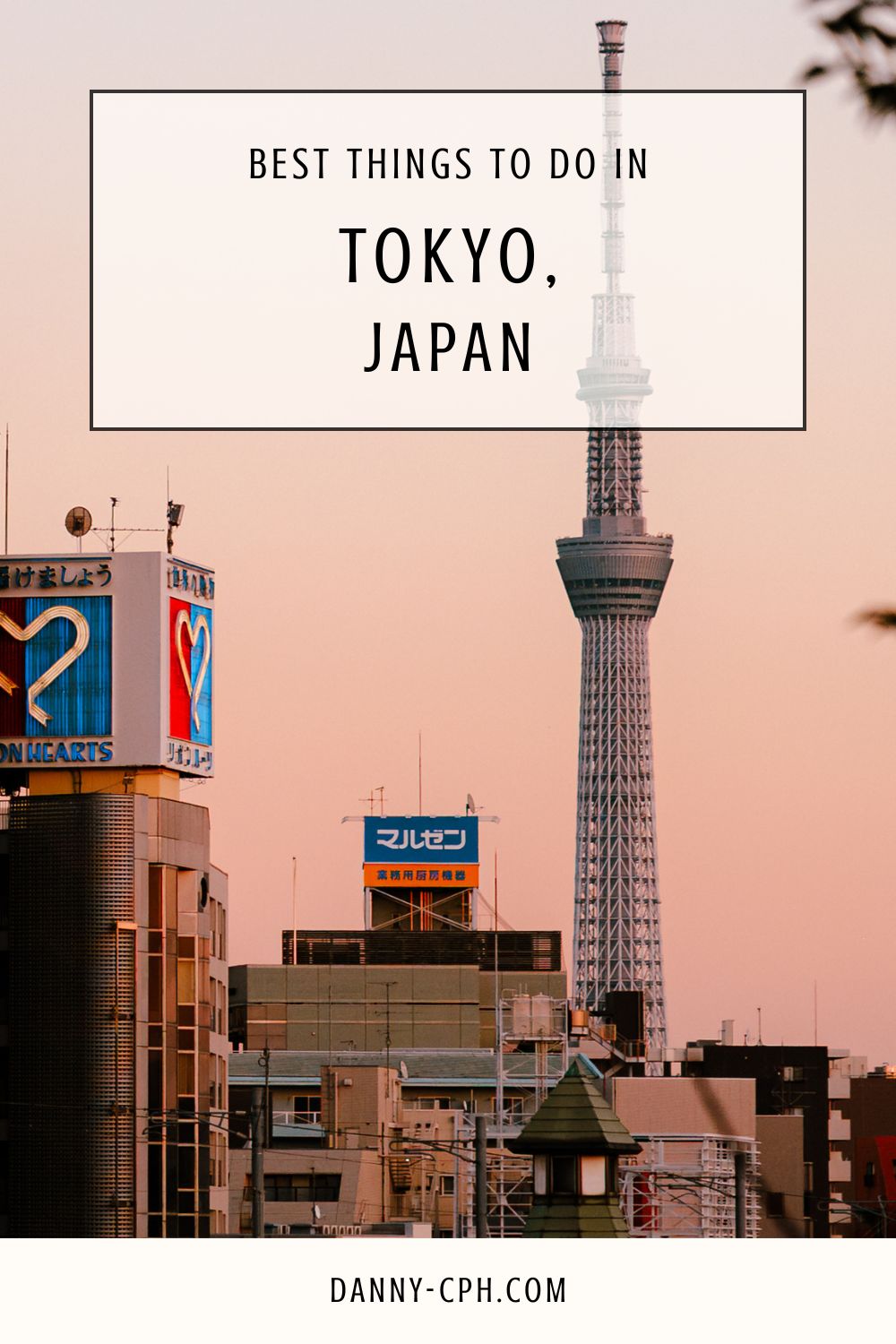
I wrote a full guide just about visiting the Skytree, and despite the crowds, I absolutely loved going here. We went just before sunset, and from here, I got a full glimpse of just how big Tokyo is. It’s the tallest tower in the world, so unsurprisingly, you get amazing views in all directions.
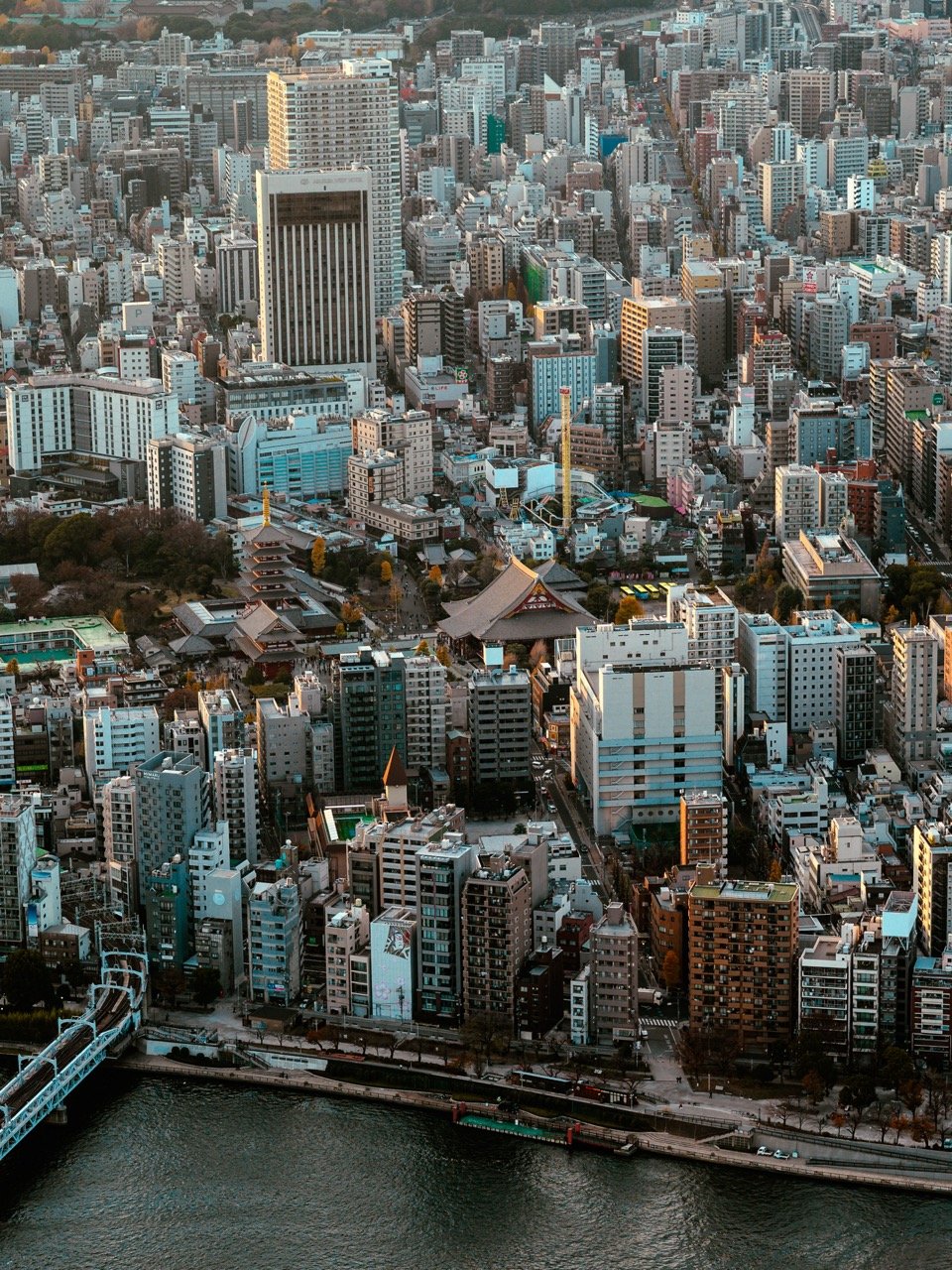

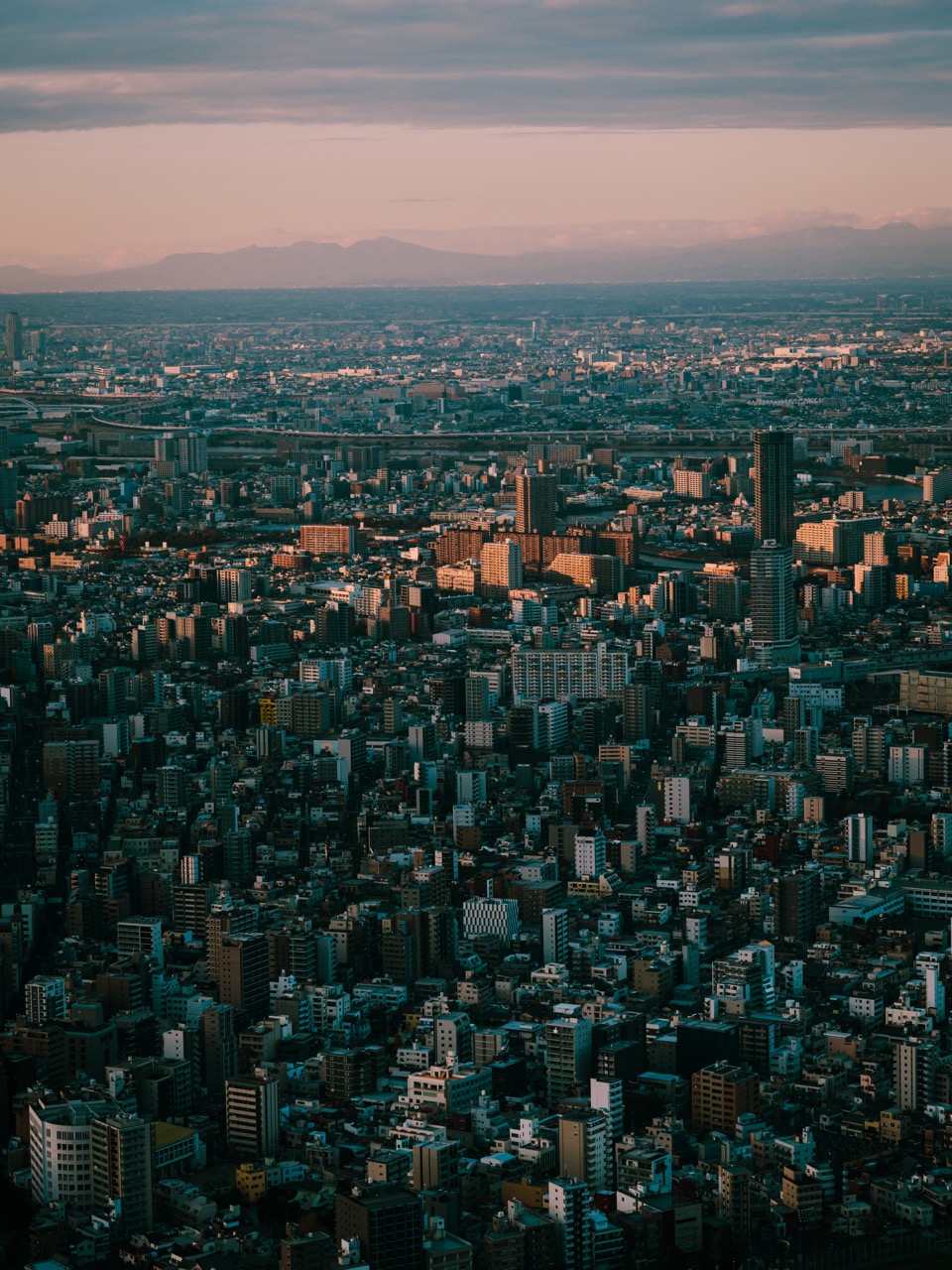
The Skytree is one of the more expensive attractions in Tokyo, but in my opinion, it’s still worth visiting. We were not the only people who had the idea of visiting at sunset, though (I wonder why 🤷🏾♂️); when I say that it was crowded, I’m not joking. And that’s despite us visiting in the off-season. At the same time, we still found some spots for ourselves and were fine to wait in queues for some of the more popular photo spots.
We spent quite a while at the Skytree, and I recommend taking your time. The crowds will feel more stressful if you’re trying to rush in and out. And in that case, you won’t anyway… we had to wait around 20 minutes for the elevator when leaving.
You can see Mount Fuji from the Skytree if the weather is clear, but we did not.
Buying Tickets for the Skytree
The Skytree has two observation decks (Tembo Deck and Galleria), at 350 meters and 450 meters high, respectively. You can choose to visit both if you want, which is what we did. But to be honest, I wouldn’t have been too bothered if we had only chosen the Tembo Deck. I preferred this to Galleria, as the views were much better IMO.
We booked our tickets in advance, and I suggest doing the same. Otherwise, you might be waiting in quite a long queue when you arrive. Tickets are only refundable if there’s severe weather, as a side note, so keep this in mind when you book.
Getting to the Skytree
Take the Subway to Oshiage (Skytree) or the Tobu Skytree Line to Tokyo Skytree. Tokyo Skytree location on Google Maps 📍
2. Explore the Nezu and Yanaka Neighborhoods
We took a 12-hour flight to Tokyo and were naturally quite jetlagged when we arrived. If you’re going to be in a similar situation, you might want to hold back before you visit the busy spots like the Shibuya Crossing. Luckily, Tokyo has plenty of neighborhoods that feel like small towns in and of themselves.
Nezu and Yanaka, adjacent to each other, are two of my personal favorites. We spent a full afternoon wandering around these districts, and by that, I mean “exploring in between stopping for matcha”. I love the architecture here; it’s more of a traditional Japanese style compared to what you’ll find in more central parts of Tokyo.
Yanaka has lots of cool-looking places to eat in particular, and this is a great place to get some food if you’re feeling hungry. We also went to the main shopping street, which was cool (and one of the only spots that was truly crowded).
Don’t, however, make the same mistake we did. At this point, we had not taken out any cash for our trip—you forget that “physical cash” is a thing when you live in Northern Europe 😄. Unfortunately for us, we found a nice place to get some small treats, but it was cash-only. I then got hangry shortly after. Big L.
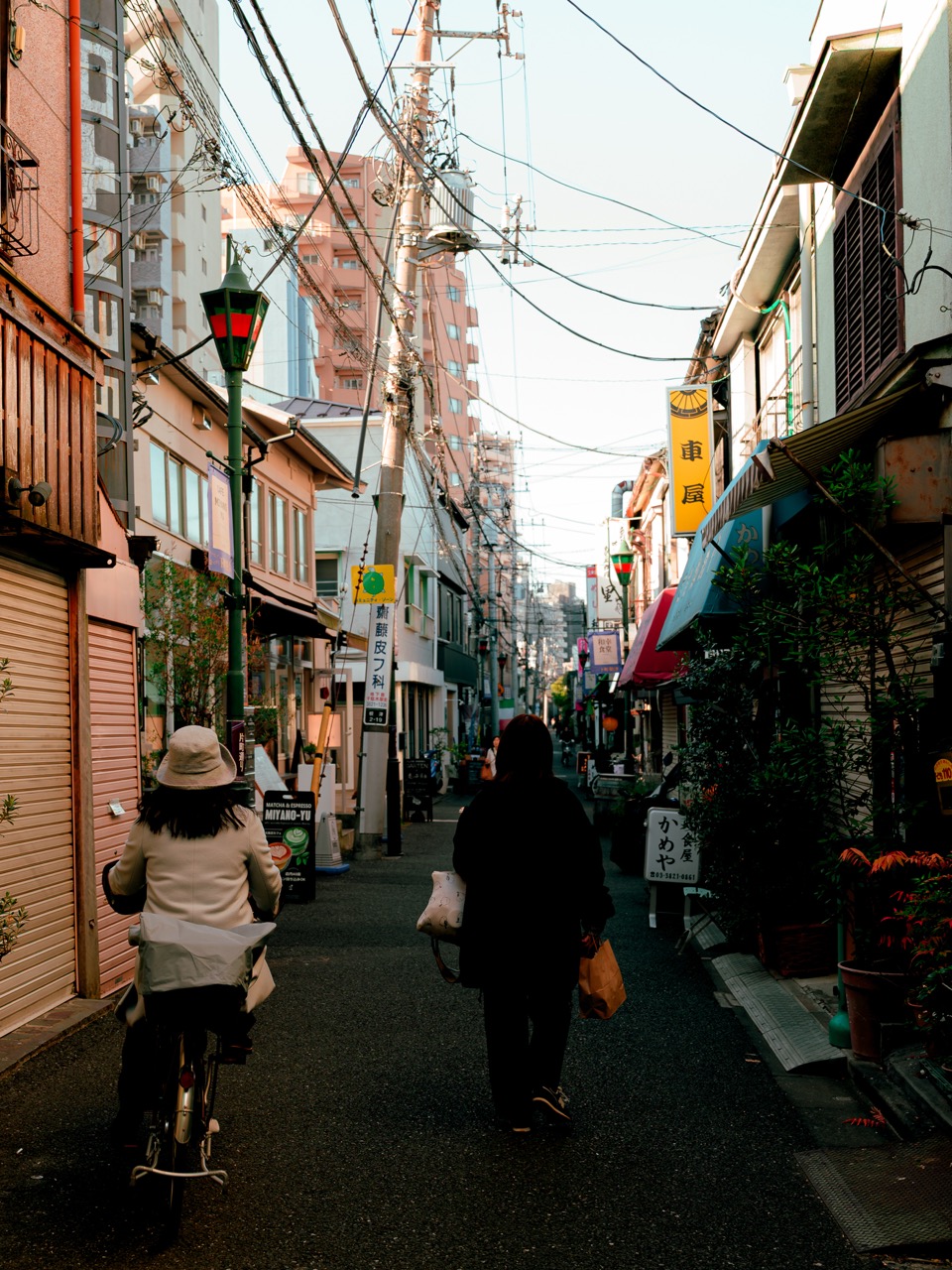
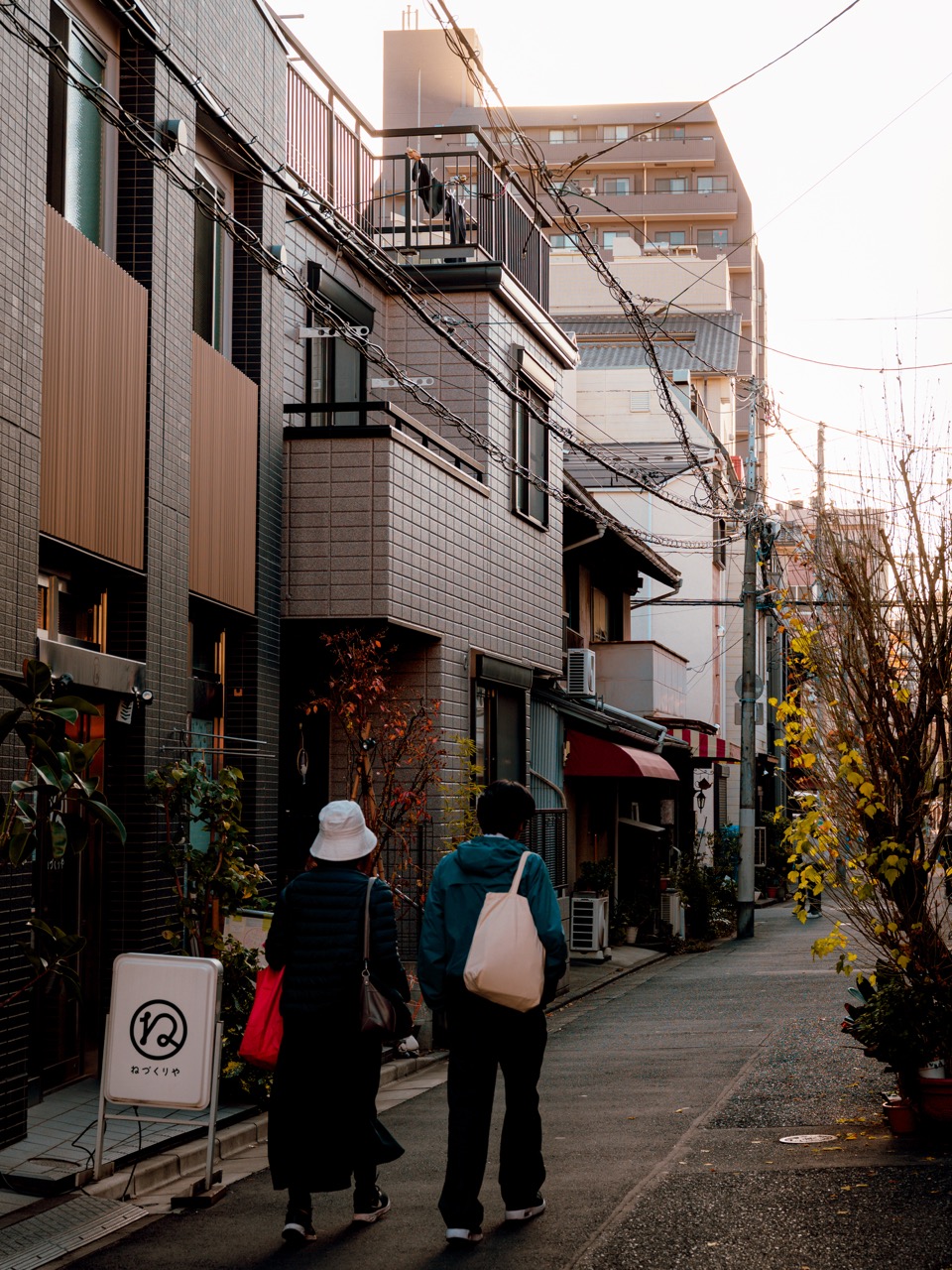
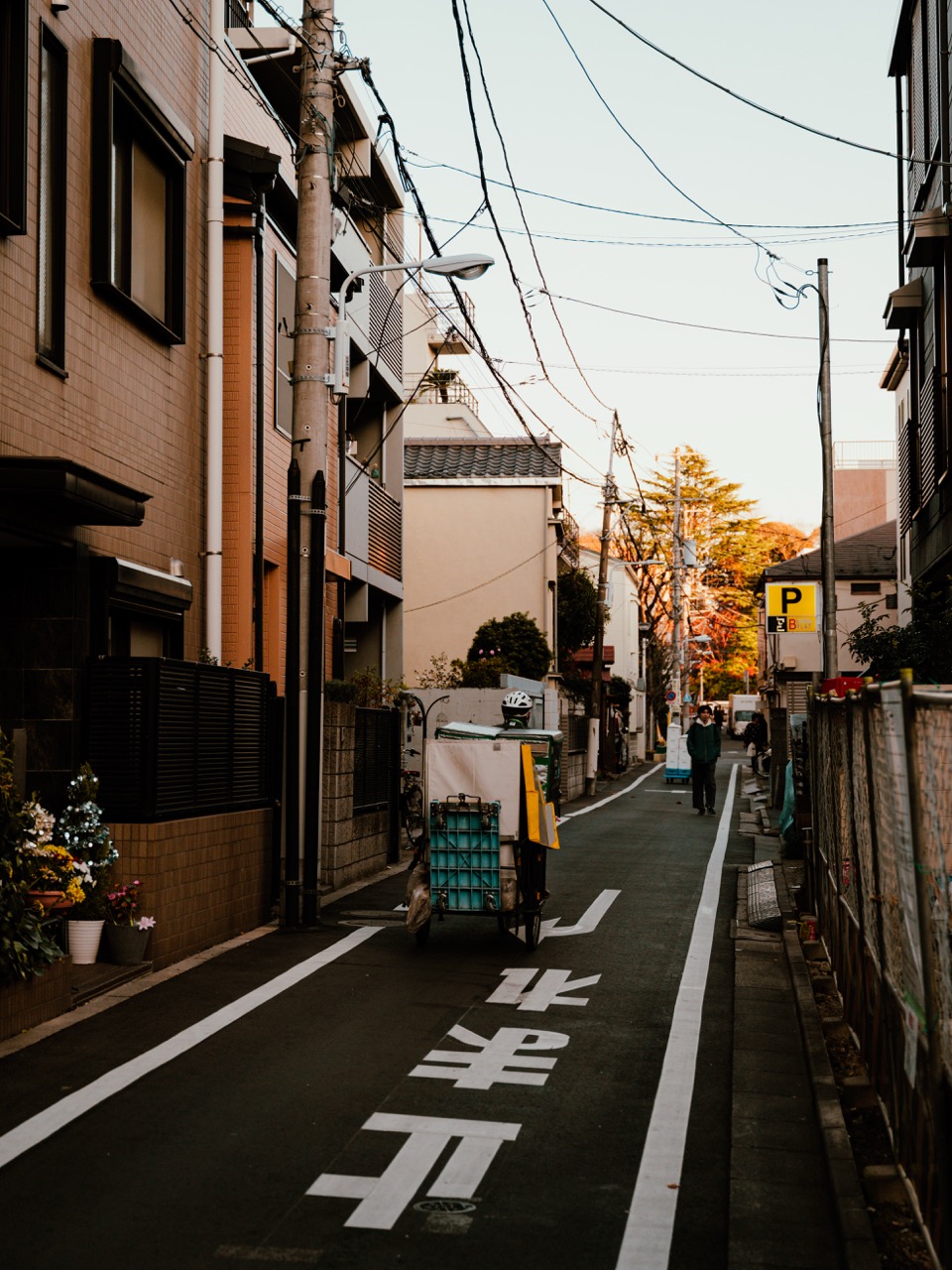
You can withdraw cash from ATMs at basically any convenience store, so it’s worth keeping some handy.
In addition to exploring Nezu and Yanaka yourself, you can also join a guided tour if you’d prefer.
Don’t Forget to Visit the Nezu Shrine ⛩️
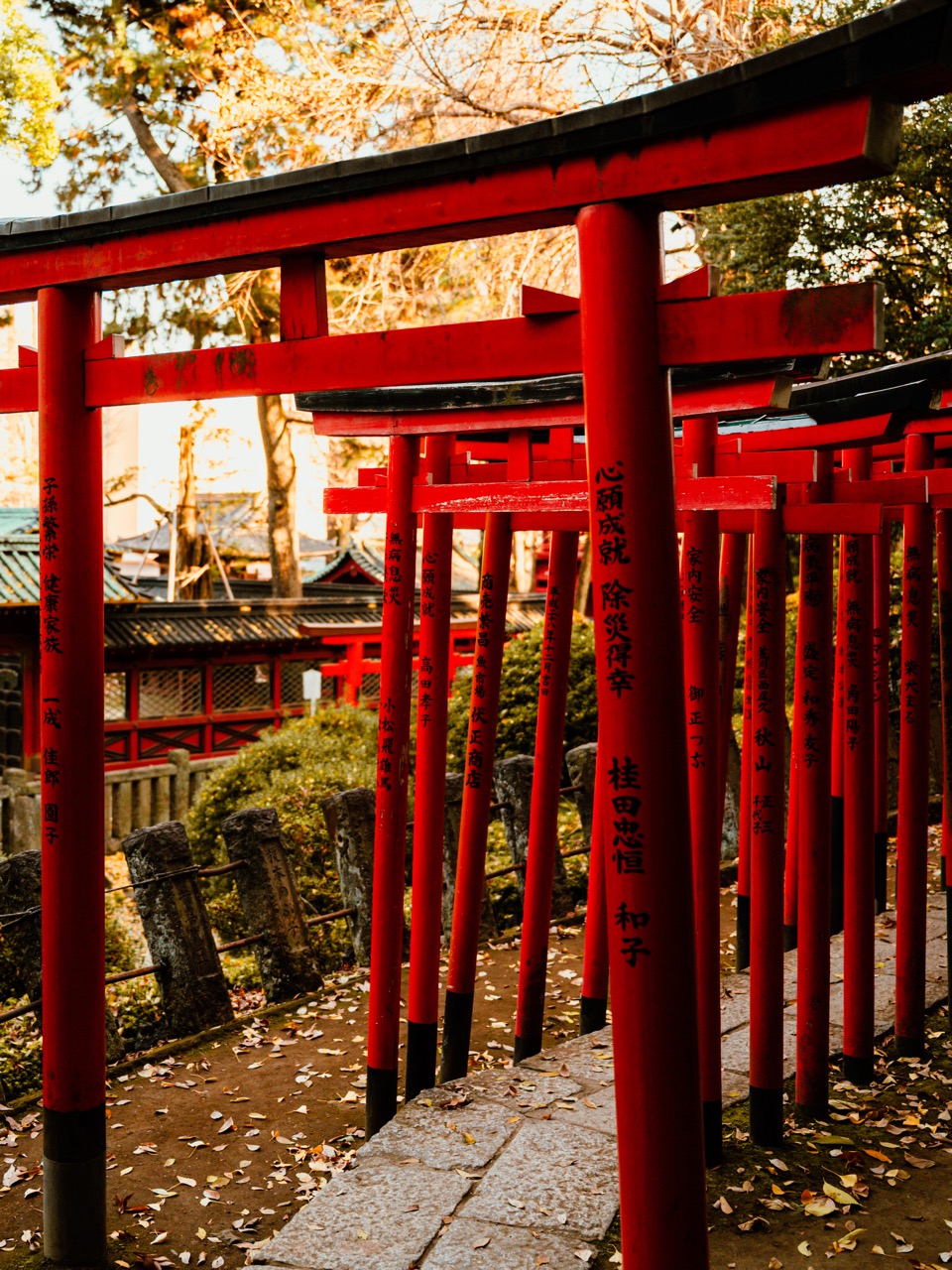
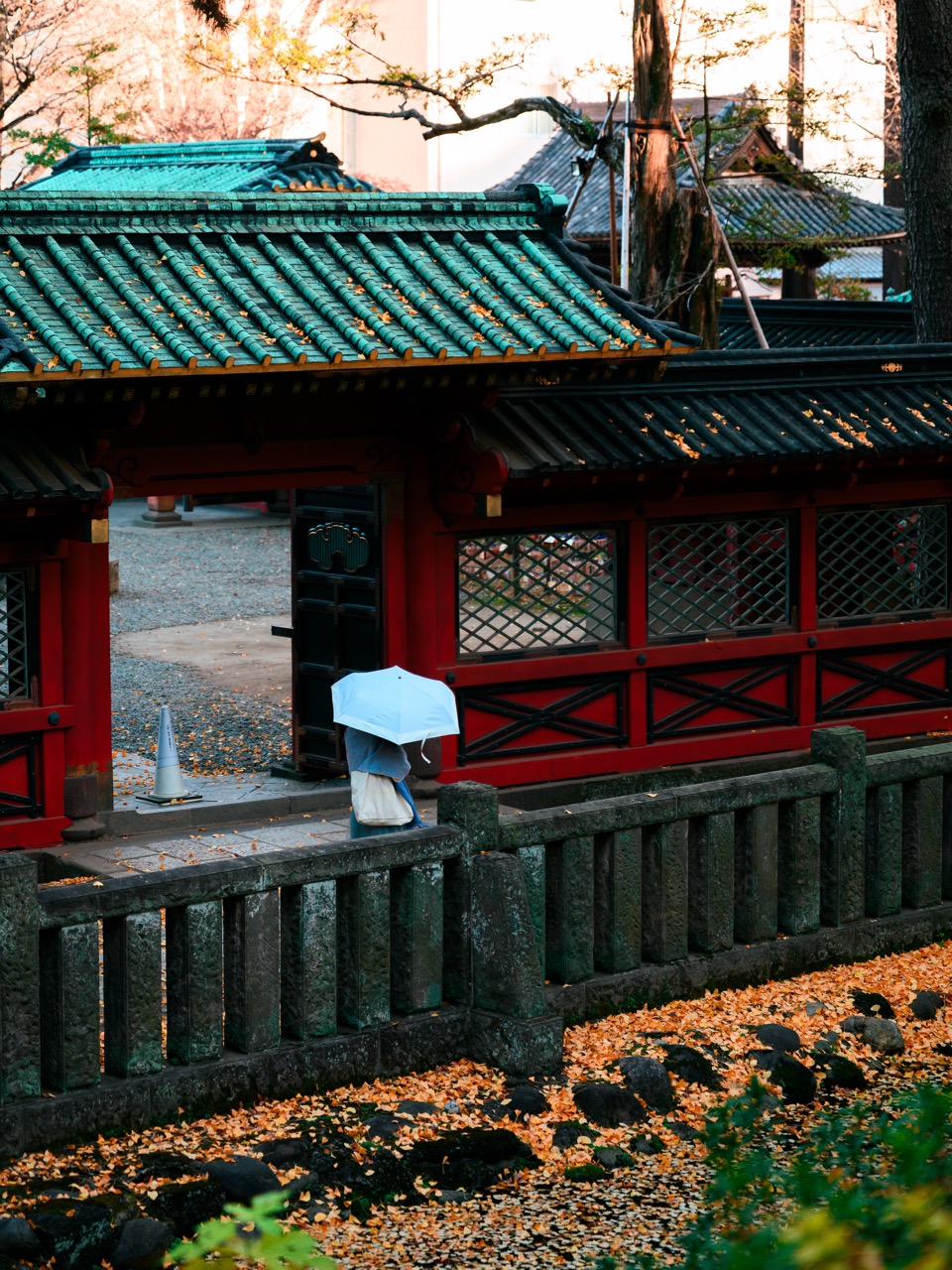
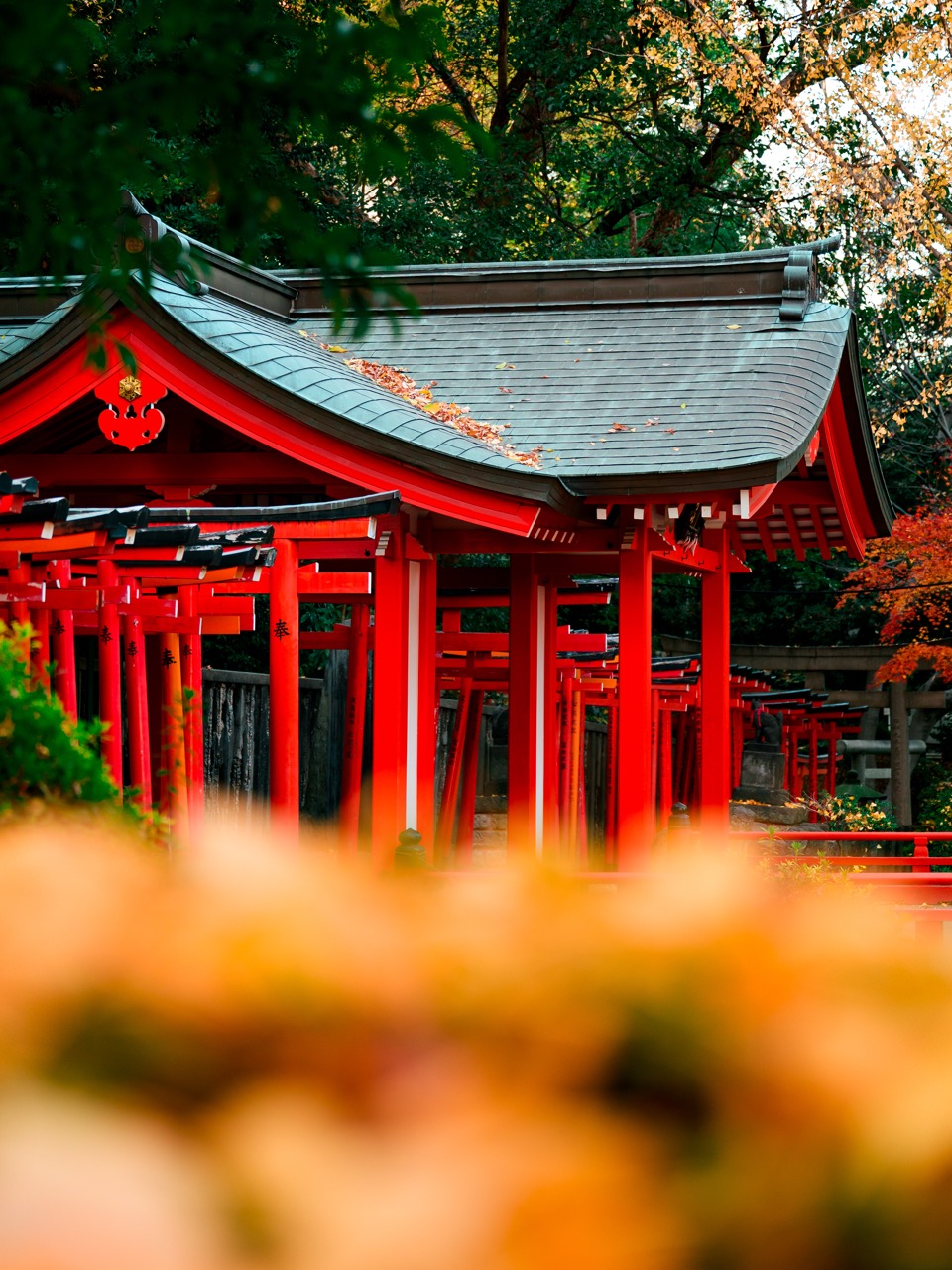
The Nezu Shrine was a top highlight, and it was one of the coolest shrines I visited in Tokyo. Compared to Kyoto, I found that the shrines in Tokyo were more hidden; this is one of the more famous ones. However, the crowds were not particularly overwhelming, in my opinion (we went there in mid-afternoon).
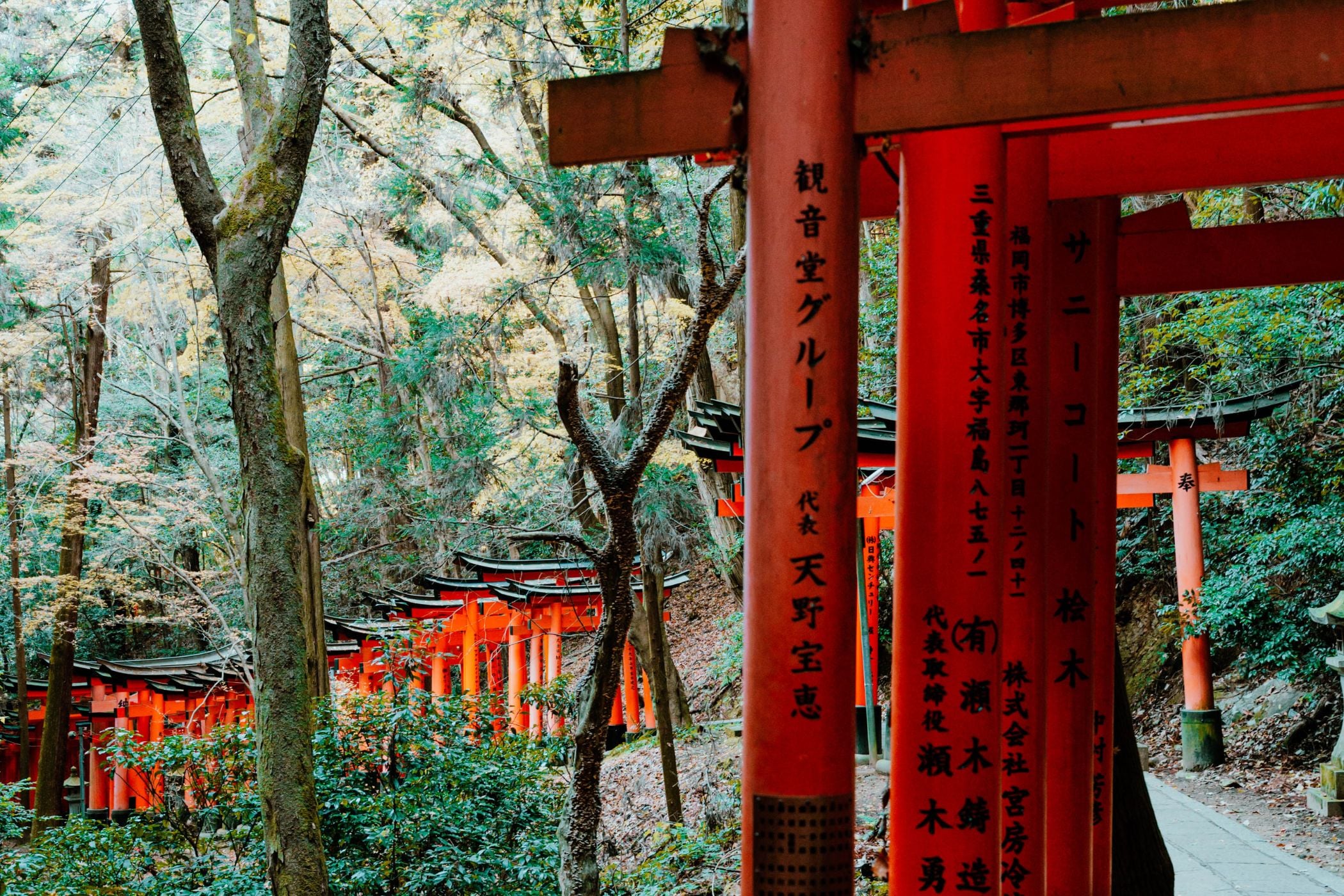
The orange gates here were some of the first that I saw in Japan, and it was super cool to walk through them. I will say, however, to watch your head… I may or may not have banged mine more than once when walking through 😵💫.
You can visit the Nezu Shrine’s grounds for free most of the year, but you’ll have to pay a small fee for the Azalea garden during the cherry blossom season. We visited in December and therefore did not have to pay this. The colors were still beautiful at that time of the year, too.
Getting To and From Nezu / Yanaka
You can take the Chiyoda Line to Nezu or go to Ueno instead and walk through the park. We actually did the latter when visiting, since we also wanted to see Ueno Park.
On the way back from Yanaka, we tried to take the train from Nippori, but our Subway passes weren’t valid. If you take a trip from here, you can pay with a Suica or PASMO card, or buy single-journey tickets at the station. If you have an iPhone, you can get and top up either a PASMO or Suica card up on your Apple Wallet; this is not possible on non-Japanese Android devices at the time of writing.
If you’re going to buy a physical Suica or PASMO card, I recommend doing so when you arrive at Narita or Haneda. At these airports, you can buy the “Welcome Suica” card, which is valid for 28 days and designed for tourists. More information about the Welcome Suica card is available here.
Otherwise, if you’re already in Tokyo, you can buy a Suica / PASMO card at JR stations via ticket machines.
If you do have a Tokyo Subway pass, you can walk to Iriya Station and take the Subway instead. It’s just over 20 minutes from Nippori.
3. Visit the Observation Deck at Roppongi Hills
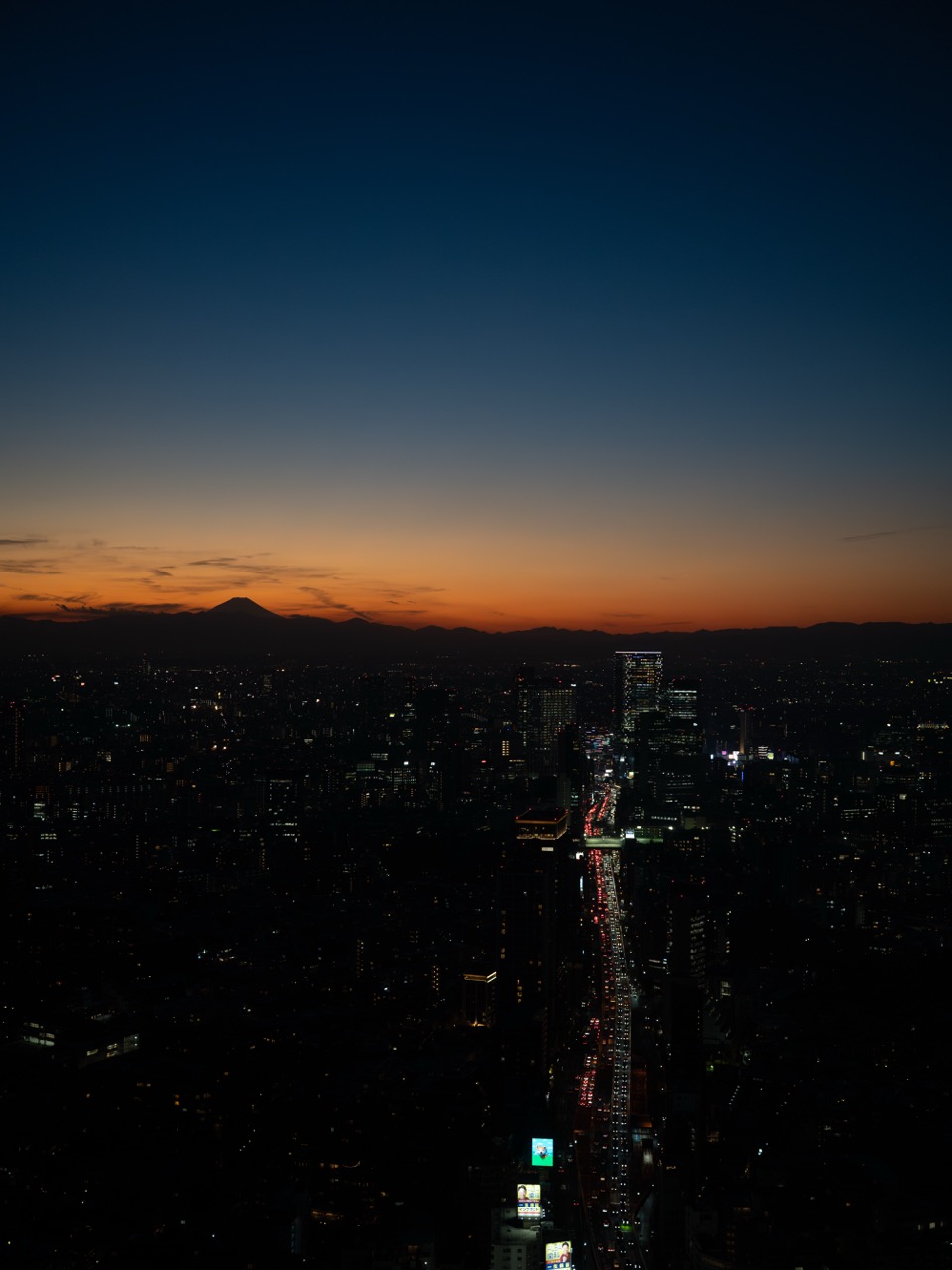
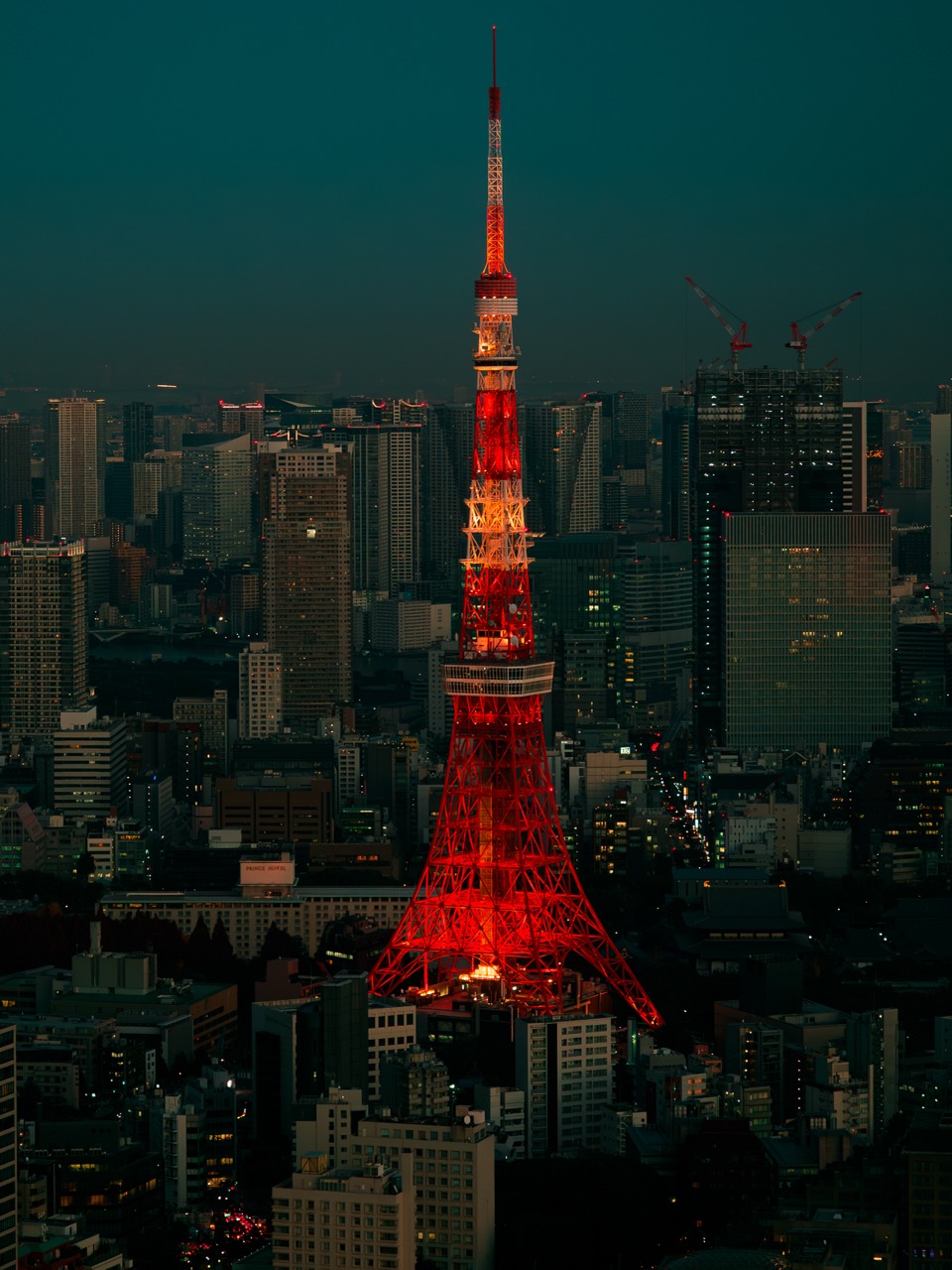
As you’re probably realizing by now, Tokyo has a lot of cool observation decks. Roppongi Hills is, in my opinion, the best if you specifically want to get views of the Tokyo Tower. I also think it’s one of the best places to get a view of Mount Fuji, though the weather conditions will play a huge role in whether you see it.
We spent around three hours at Roppongi Hills, which admittedly is much longer than we expected. But since the lighting kept changing and the views were amazing, neither of us had any complaints about this. Watching the sun set over Tokyo and the lights on the Tokyo Tower switch on is one of my fondest memories from my first trip to Japan.
Personally, I don’t think there’s a bad time to visit Roppongi Hills. However, the view toward the Tokyo Tower will be very busy around sunset. So, if you want to get a good spot, I recommend getting here an hour or two before.
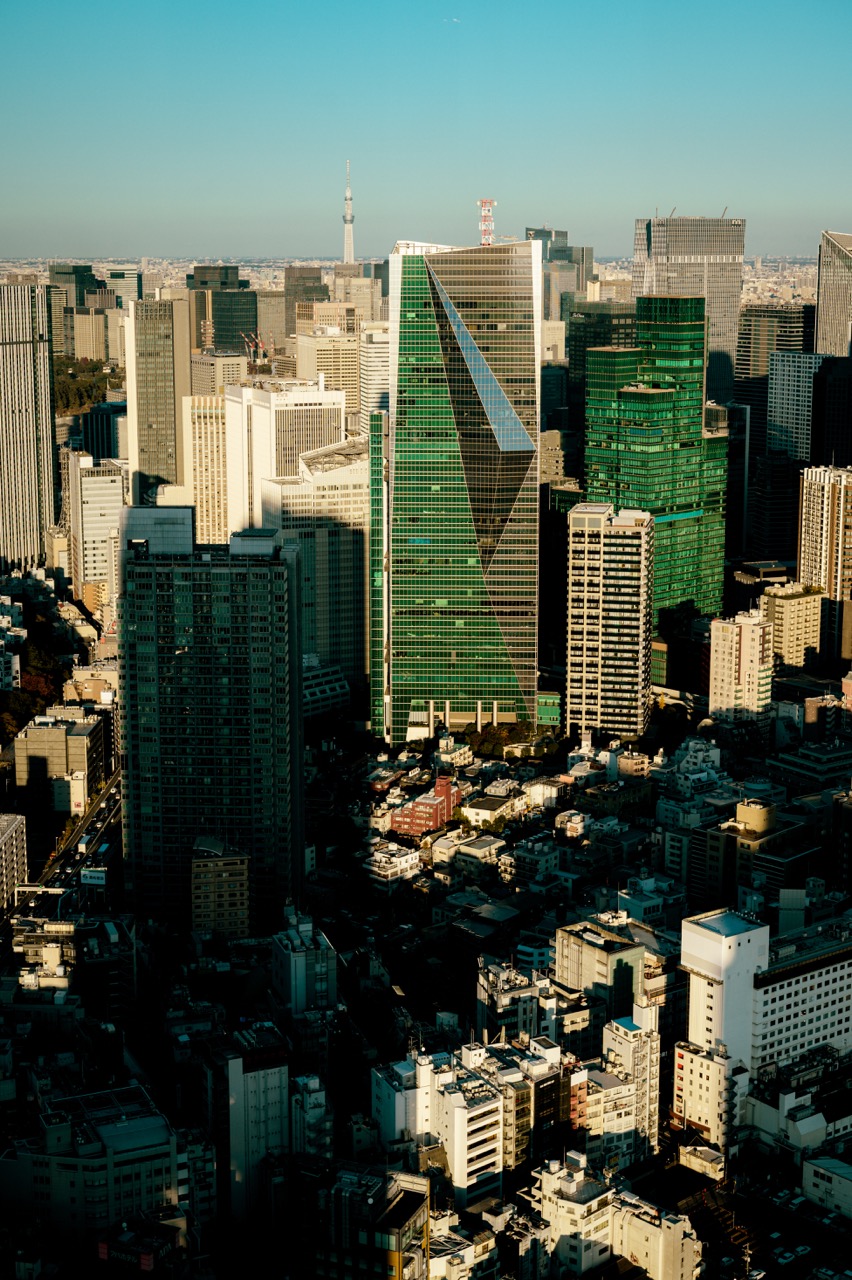
At the other end, we were lucky enough to also see Mount Fuji with Tokyo in the foreground. You can see the Skytree in the distance from Roppongi Hills as well. In addition to the observation deck, you’ll find the Mori Art Museum here.
Buying Tickets for the Roppongi Hills Observation Deck
We bought our tickets for the Roppongi Hills Observation Deck in advance. After arriving at the tower, the process to get up to the viewing platform was very straightforward.
How to Get to Roppongi Hills
You can get to Roppongi Hills via several Subway lines, including the Chiyoda and Hibiya Lines. Roppongi Station is your best option if you’re arriving by public transport. Google Maps Location for Roppongi Hills📍
4. Go for Conveyor Belt Sushi
If you’re visiting Japan for the first time, conveyor belt sushi is a fun experience. Gimmicky, yes, but still fun. My girlfriend and I had thought about doing this before we went to Tokyo, and on one of our last days in the city, we finally decided to go all-in.
The sushi isn’t premium-tier, but it’s still good. And to be honest, I much preferred this to some fancy dining experience. We went to Kura Sushi, which has several restaurants across Tokyo and other parts of Japan.
I must say that the queue was very long. We had to take tickets and then wait around 45 minutes before we got a seat. So, I’d recommend getting something small at a convenience store beforehand if you’re feeling hangry (or are on the verge of doing so).
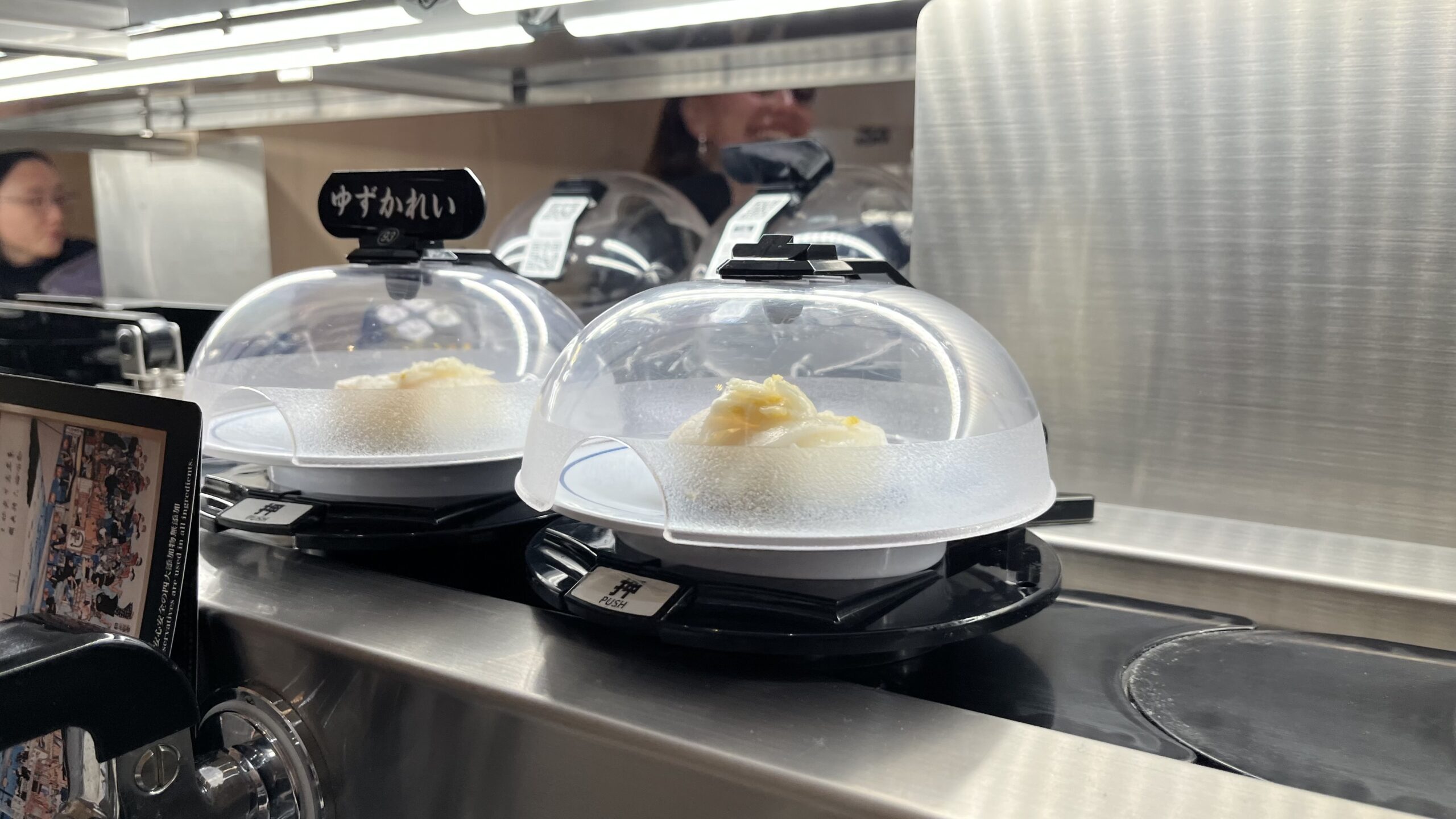
Once we were seated, we received menus and could pick whatever we wanted as we went along. We had to select our dishes from the screen and wait for them to come through on the conveyor belt. Besides being lots of fun, conveyor belt sushi is also a very affordable experience.
By the way, make sure you put your plates in the right place. We had somewhere on the table to put these; we first made the mistake of putting them back on the conveyor belt, which was not wise.
5. Enjoy Brunch at Garden House Crafts
I already knew before visiting that breakfast isn’t such a big deal in Tokyo, but both my girlfriend and I do enjoy finding some nice brunch spots when we travel. Since we were already spending a morning in Daikanyama and Ebisushini (more on these neighborhoods later), we figured it made sense to tick this place off our list.
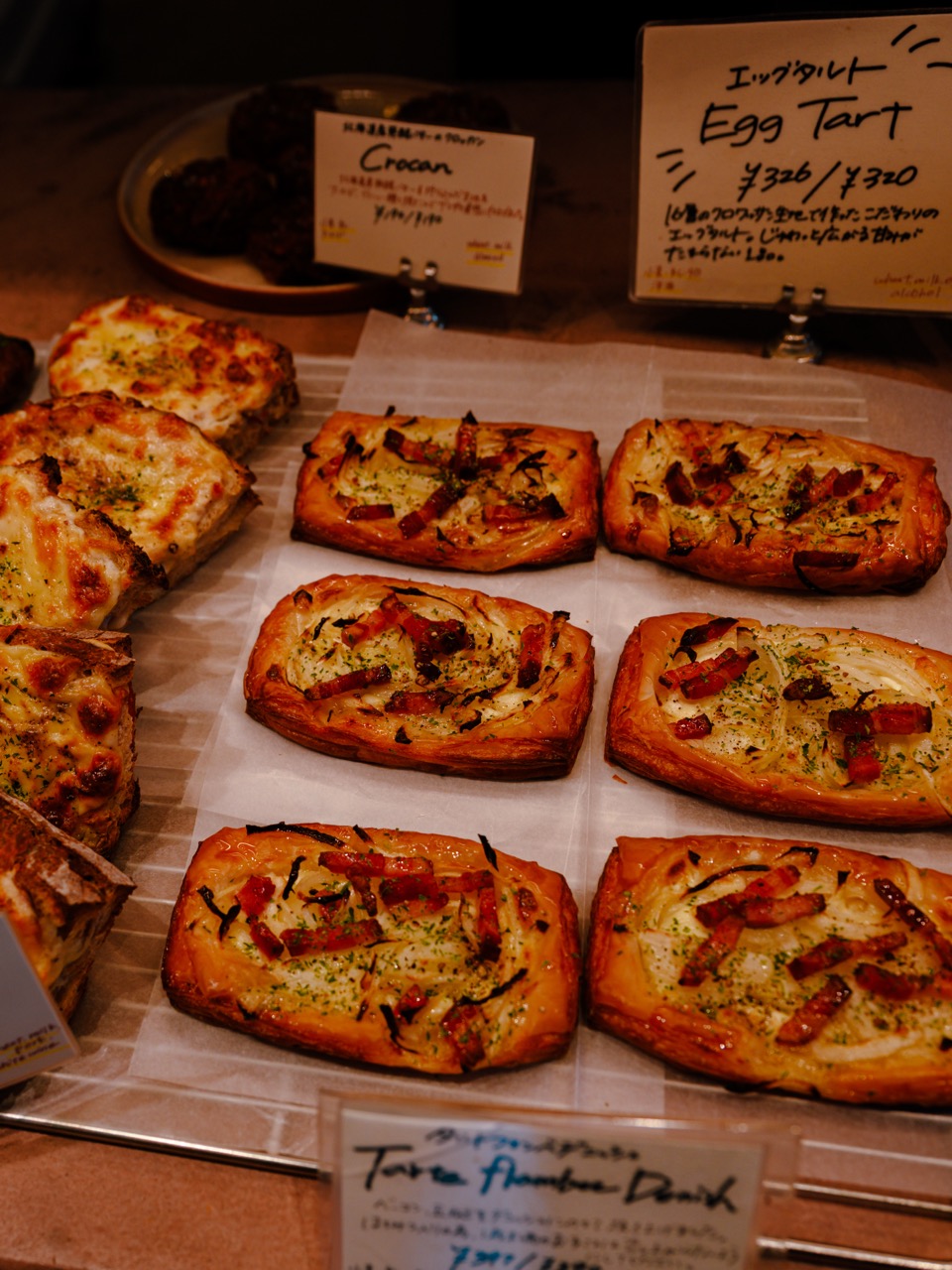
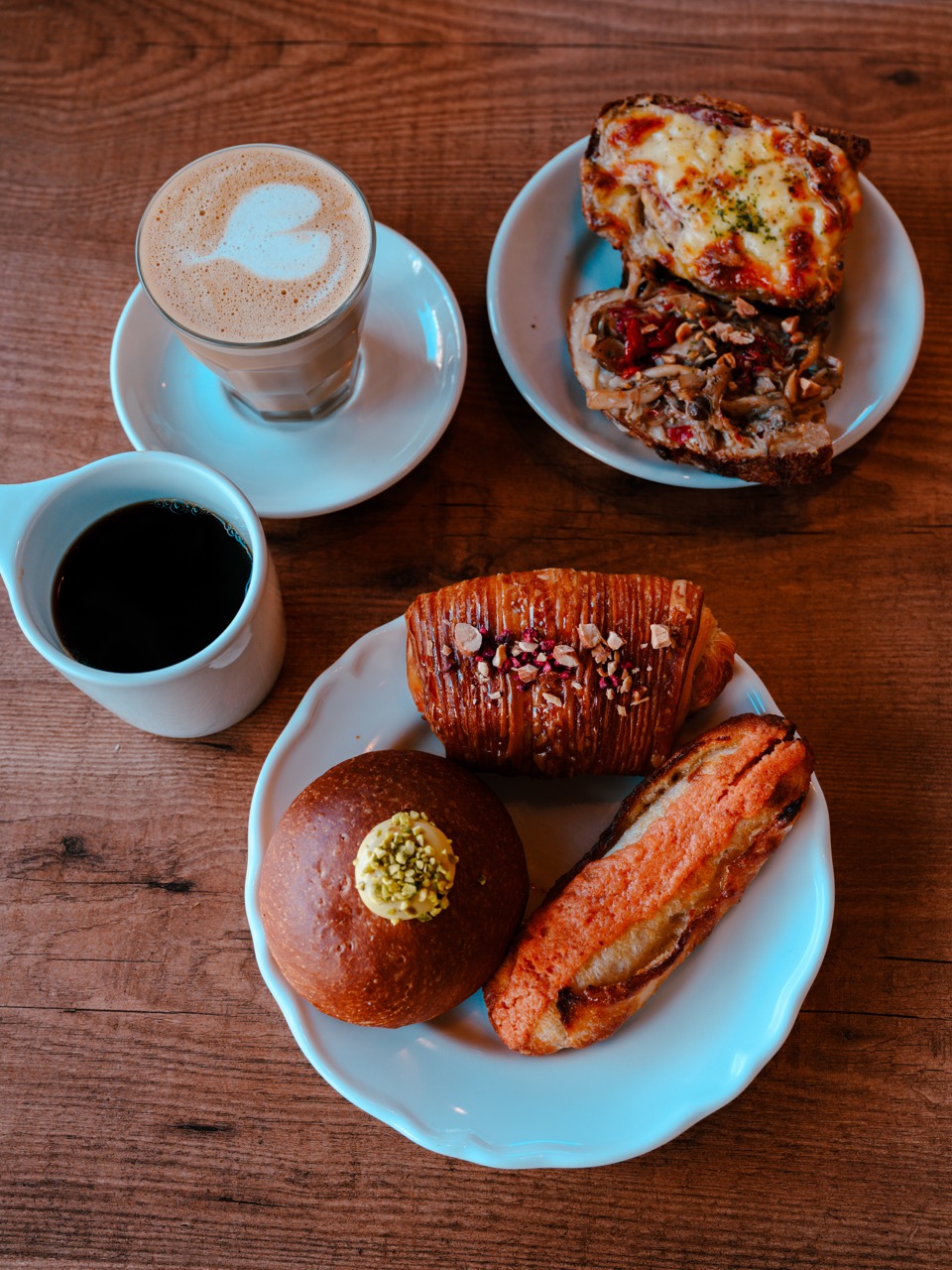
Garden House Crafts has a decent amount of indoor seating and lots of outdoor spots to eat, too. We took a variety of pastries and breads, all of which were really good. The coffee was also great. To me, Garden House Crafts felt very Scandinavian.
We didn’t need to book a table when we visited Garden House Crafts, and it was relatively quiet. However, I can imagine that it would be much busier during the peak season. You can choose whether you want to eat in or take away.
You’ll also find some Garden House establishments in other parts of Tokyo and elsewhere in Japan. All locations are available on this page; note that if you click on one, it will be in Japanese. So, you’ll need to use Google Translate.
Getting to Garden House Crafts, Daikanyama
We took the Subway to Ebisu Station. From here, Garden House Crafts is around a 10-minute walk.
6. Visit the Senso-ji Temple
After arriving in Tokyo, it was still too early to go to bed in terms of local time. So, we dropped our stuff at the hotel and went for a walk. We found our way to Senso-ji, which was the perfect introduction to Japan.
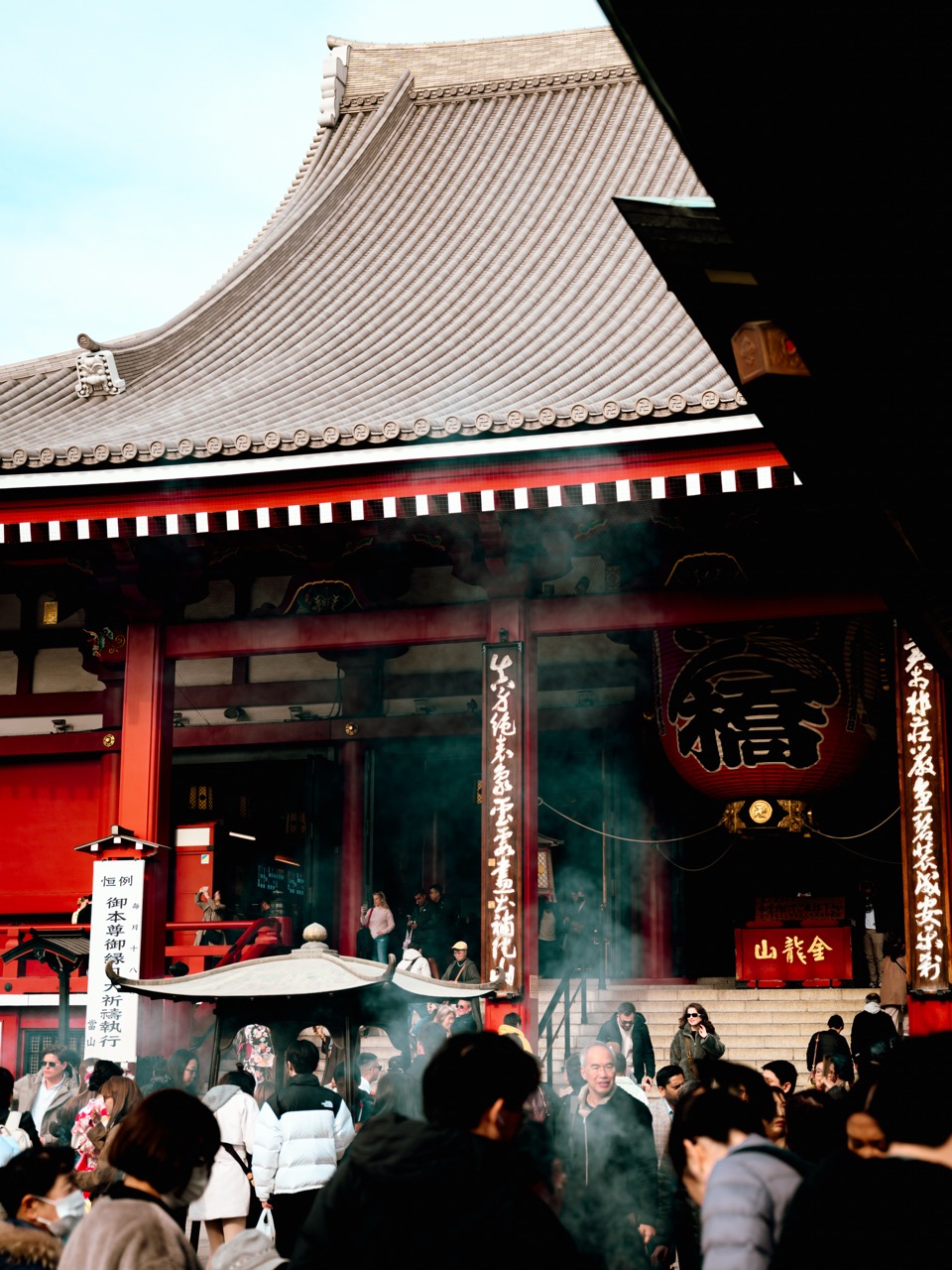
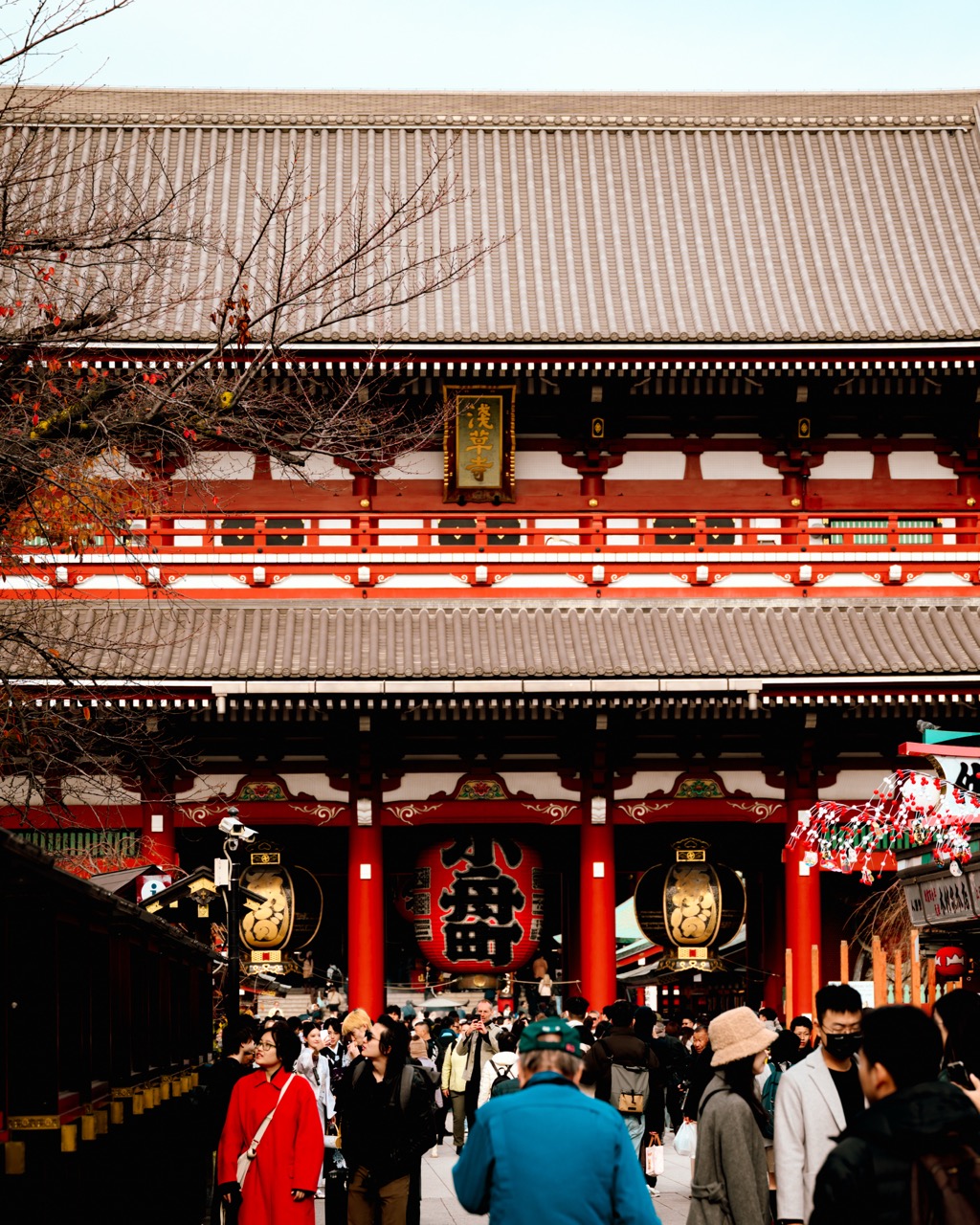
I know that Senso-ji is one of the most famous temples in Tokyo, but it’s popular for a reason. When you’re in the Japanese capital for the first time, it’s an absolute must-visit. You can stroll around the grounds for free, but you’ll need to pay a fee to enter the temple’s building.
In my opinion, you should visit Senso-ji at multiple times of the day. I really liked it in the evening, when everything was lit up, and the crowds were much smaller. However, it also looks cool during the day—even though the main pathway gets very busy.
You should also spend a bit of time looking in the souvenir shops here. I normally try to avoid souvenir shops in touristy spots, but many of the ones at Senso-ji were actually quite nice. We even bought something for another family member here. Some are cash-only, so keep this in mind.
Senso-ji is the oldest temple in Tokyo. While visiting, I also recommend quickly checking out the nearby Asakusa Shrine.

Getting to Senso-ji
Asakusa Station is the closest station to the temple. From here, Senso-ji is a short walk away. Google Maps location 📍
7. Photograph Senso-ji From the Asakusa Culture and Tourist Information Center
While Senso-ji looks cool from street level, you can get an excellent view of the temple from the nearby Asakusa Culture and Tourist Information Center. We decided to go here on the same day that we went to Senso-ji during the day, and combining these was a good idea.
From the Tourist Information Center, you’ll get an excellent view of Senso-ji and the pathway leading up to the pagoda. It looks super cool with the contrasting newer buildings around it, and I also thought it was cool to just see the crowds from above. Much more fun than being in them, I can assure you. 🤣
From the Asakusa Culture and Tourist Information Center, you can also get a great view of the Skytree. I also took some nice photos of the streets from above here (well, I think they’re nice, anyway. 🙂)
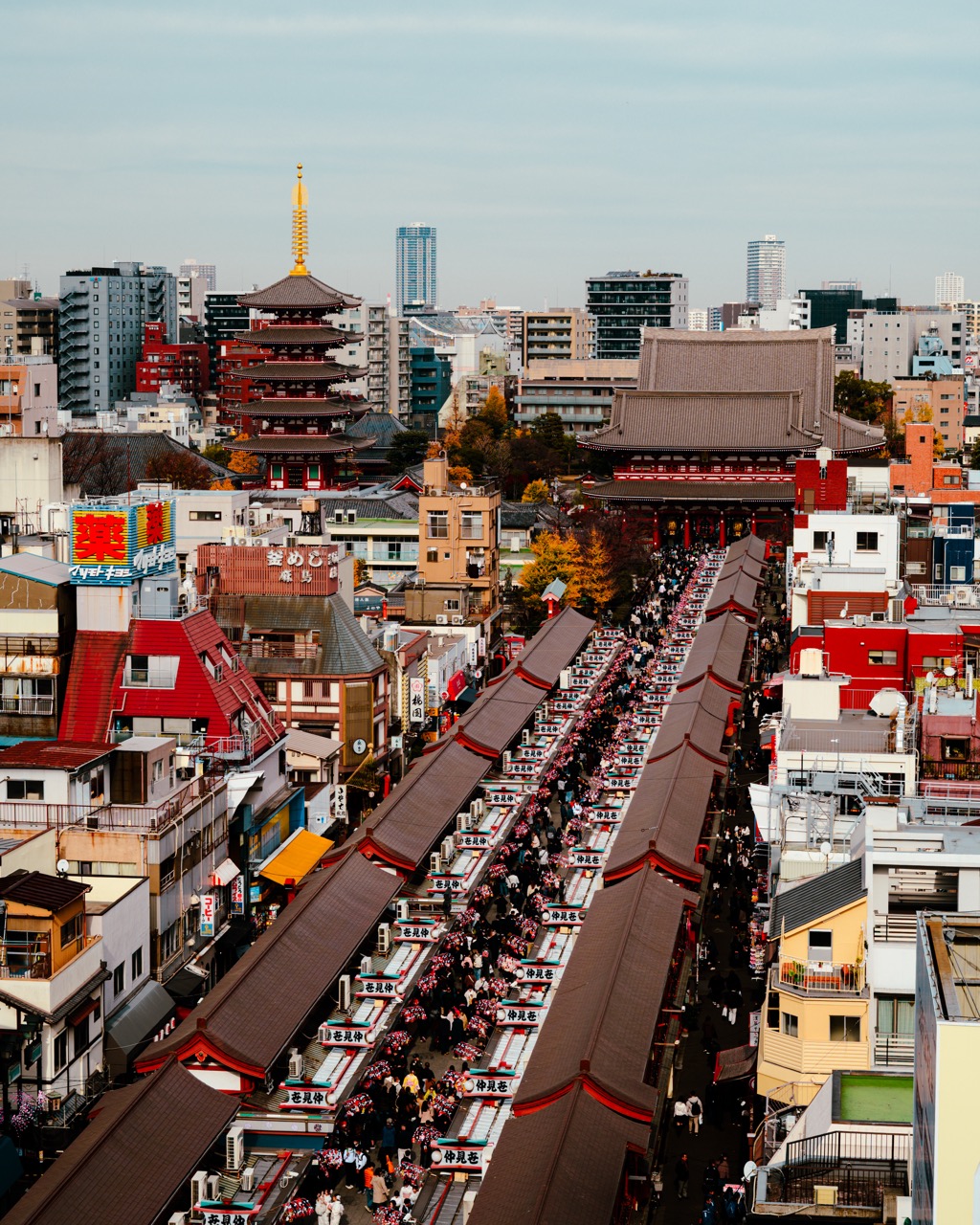
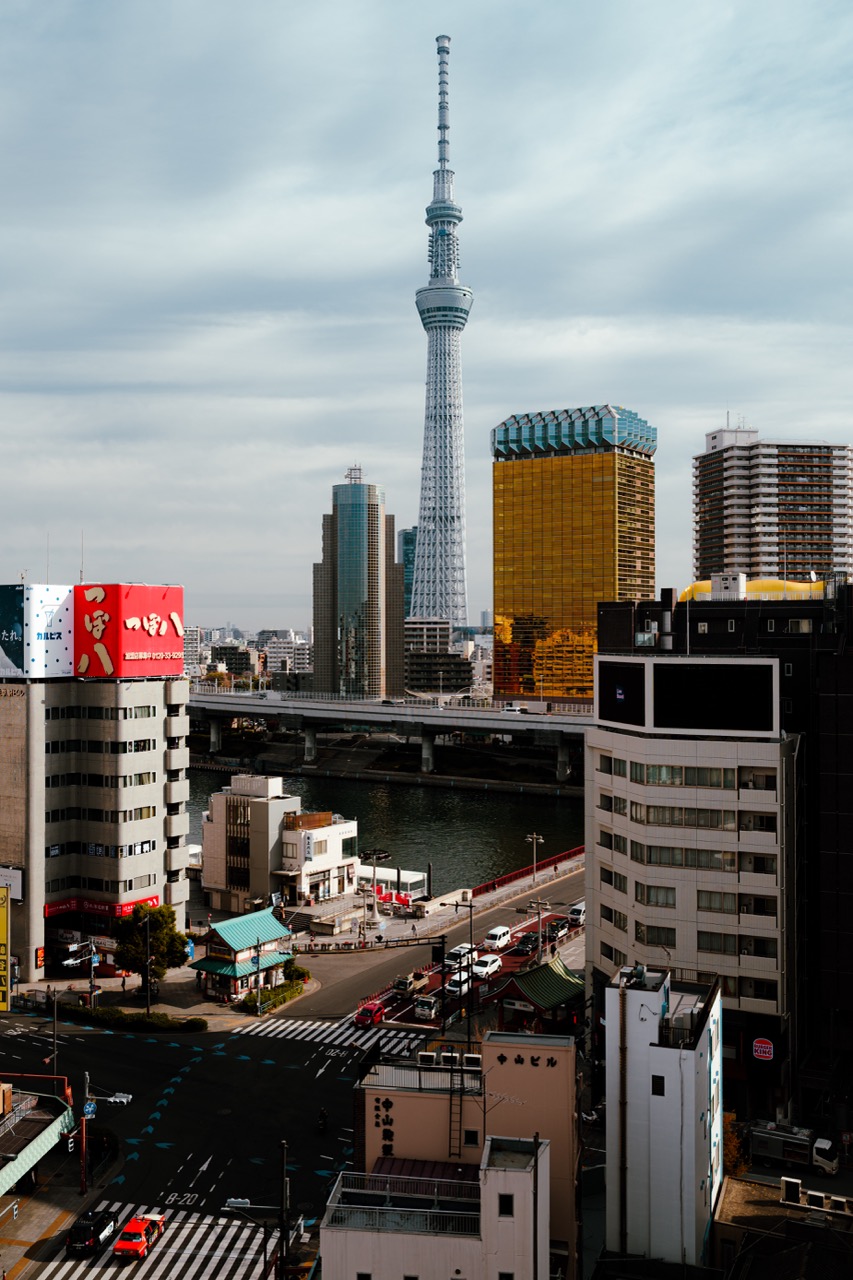
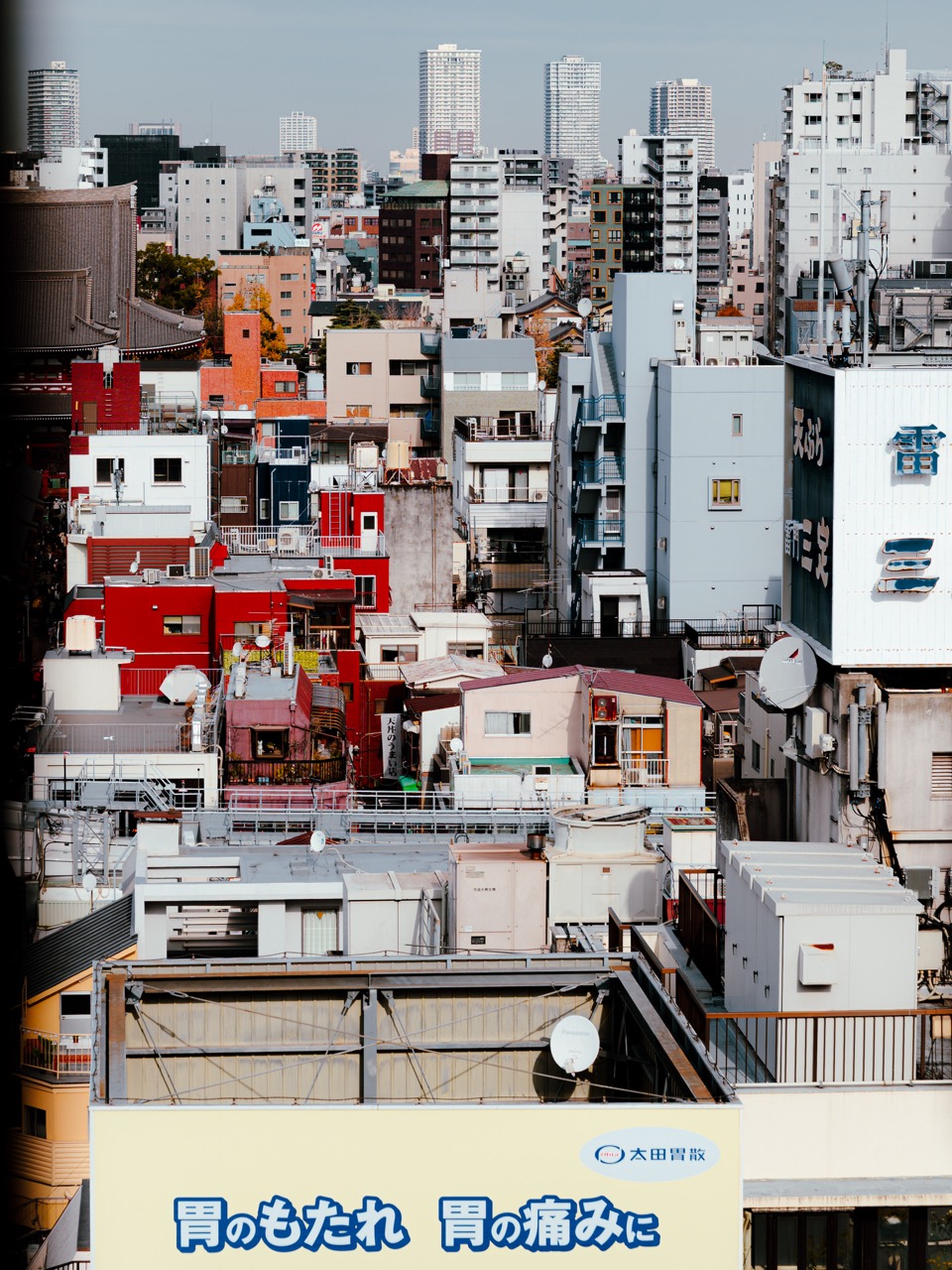
The viewing deck at the Asakusa Culture and Tourist Information Center is free to visit. It’s open from 09:00 to 20:00 daily. For what it’s worth, the building’s outside is also an interesting design, in my opinion.
Like Senso-ji, you can take the Subway to Asakusa Station to visit the Tourist Information Center.
8. Go to the Tokyo Tower
The Tokyo Tower is one of the city’s most instantly recognizable buildings, and design-wise, I’d say that it’s up there with my favorites. We went to the Tokyo Tower on our first morning in the city, and it was a nice introduction to the city’s skyline.
I don’t think that the view is as spectacular as the Skytree or Roppongi Hills, but it does offer a different angle. You can get nice views of the nearby Tokyo Prince Hotel, and it’s also possible to see the Skytree in the distance.
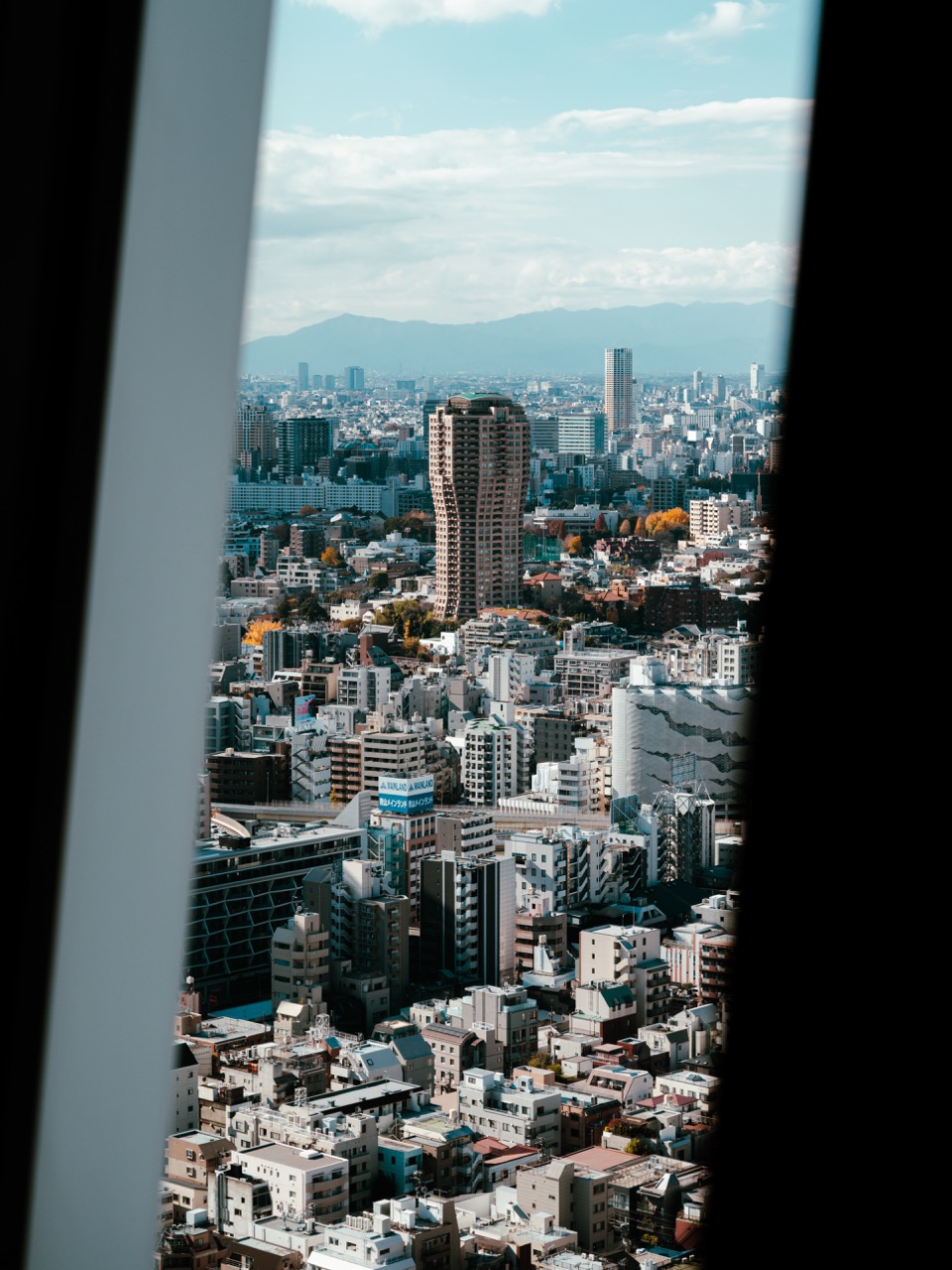
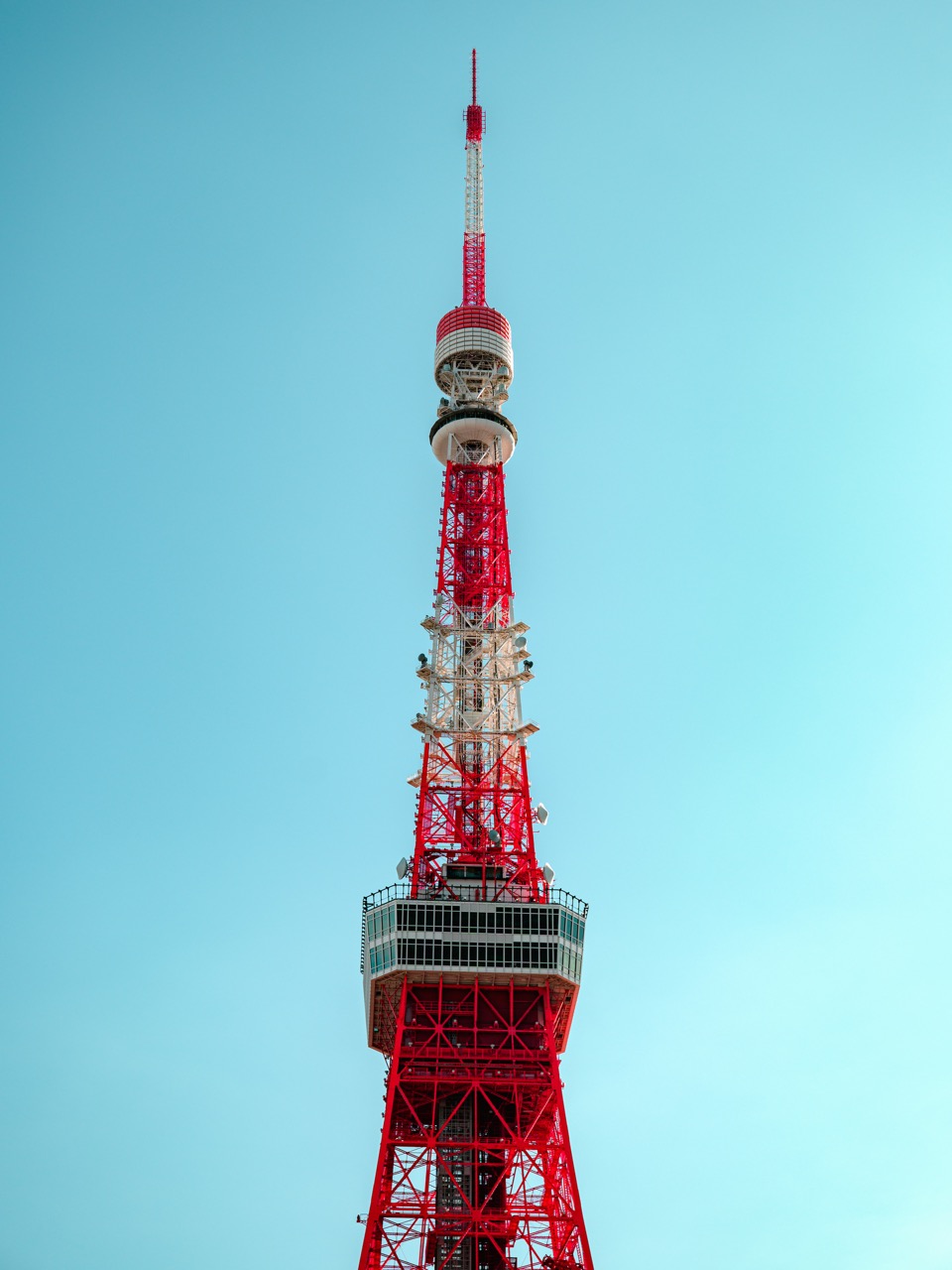
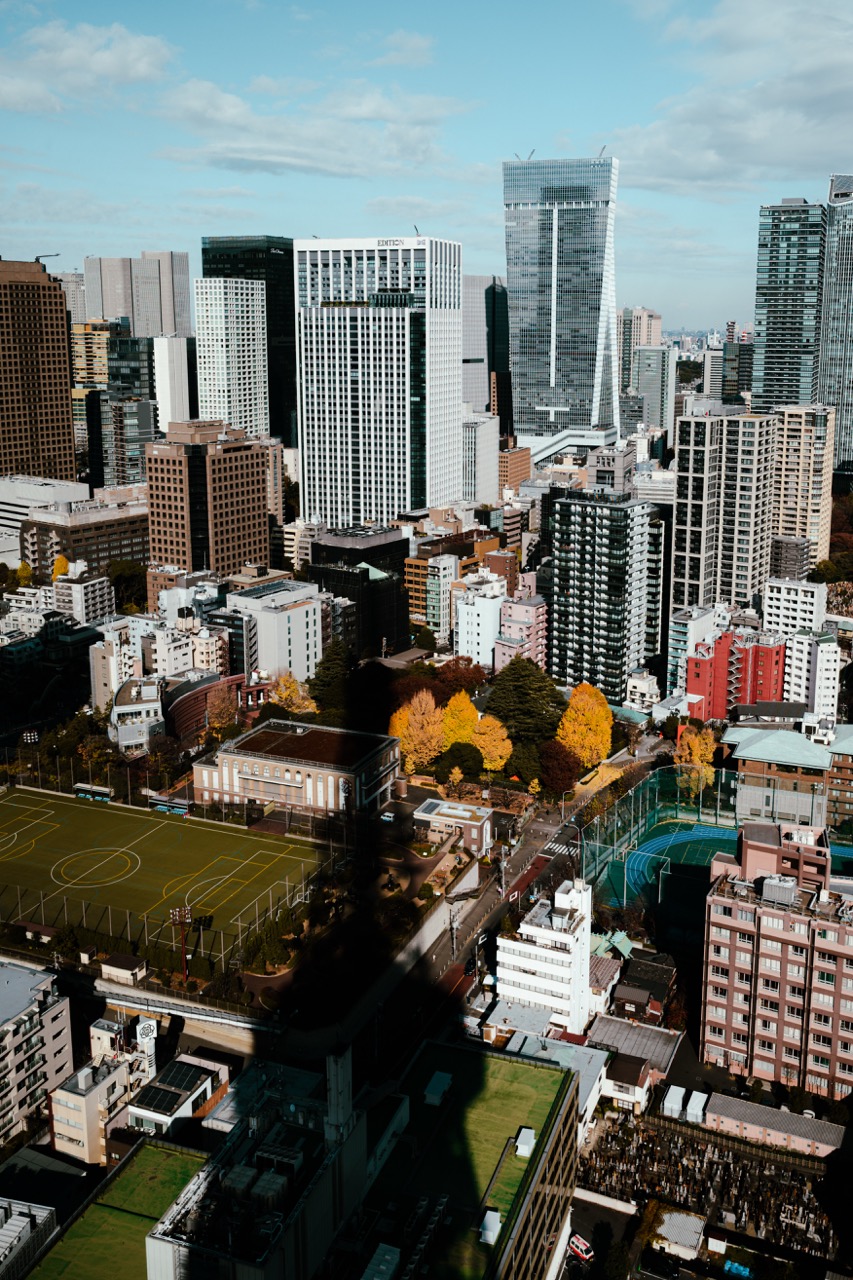
One of the nicest things about the Tokyo Tower was that it was significantly less crowded than the Skytree or Roppongi Hills when we visited. You can buy individual tickets in advance, and it’s also included (alongside Disneyland and other attractions) in MegaPass’s Tokyo Pass.
Getting to the Tokyo Tower
You can take the Subway to multiple nearby stations, including Kamiyachō and Daimon. On top of that, you’ll find a number of train stations within a short walking distance of the Tokyo Tower. Google Maps location 📍
9. Spend a Morning in Daikanyama and Ebisunishi
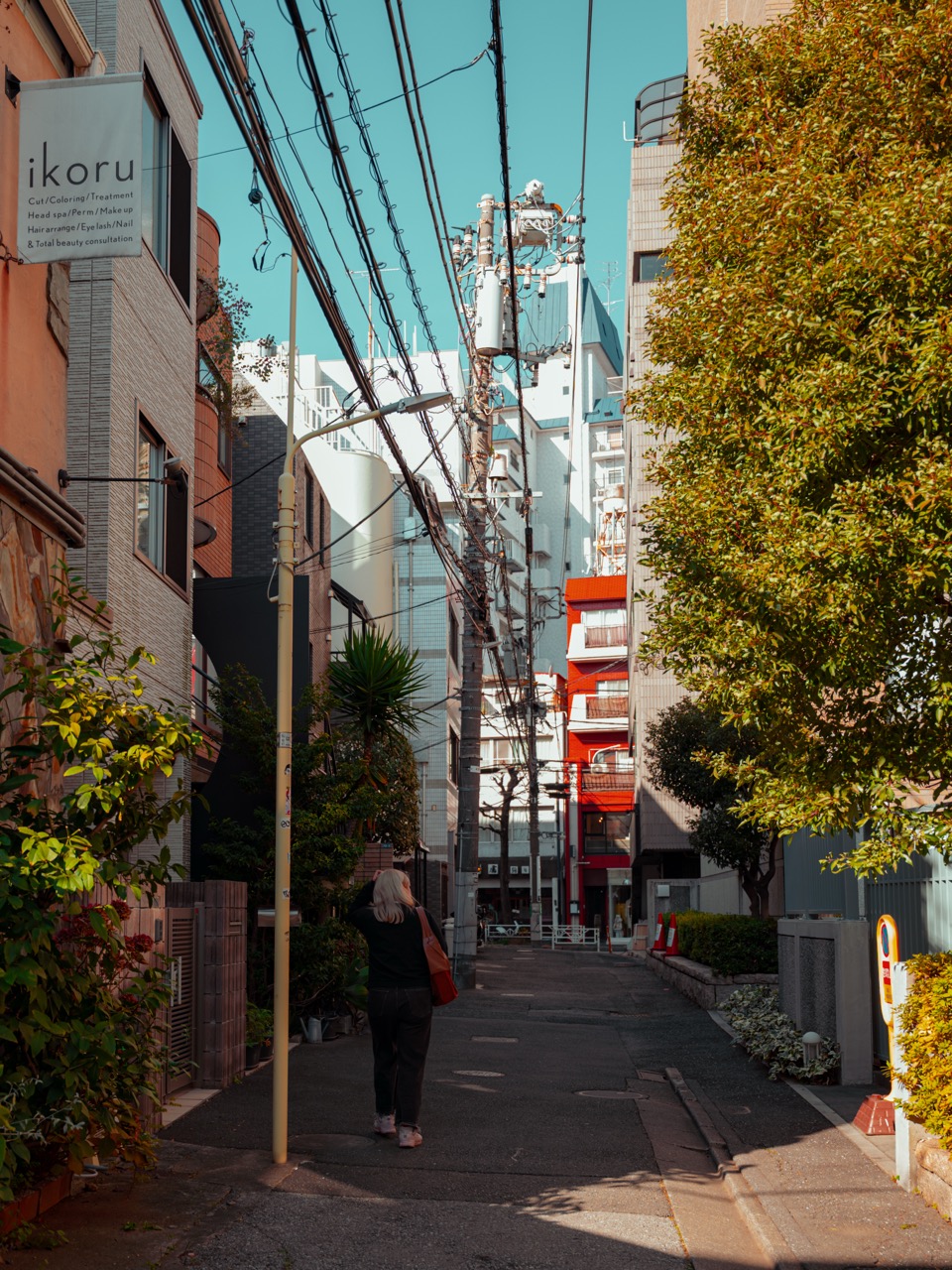
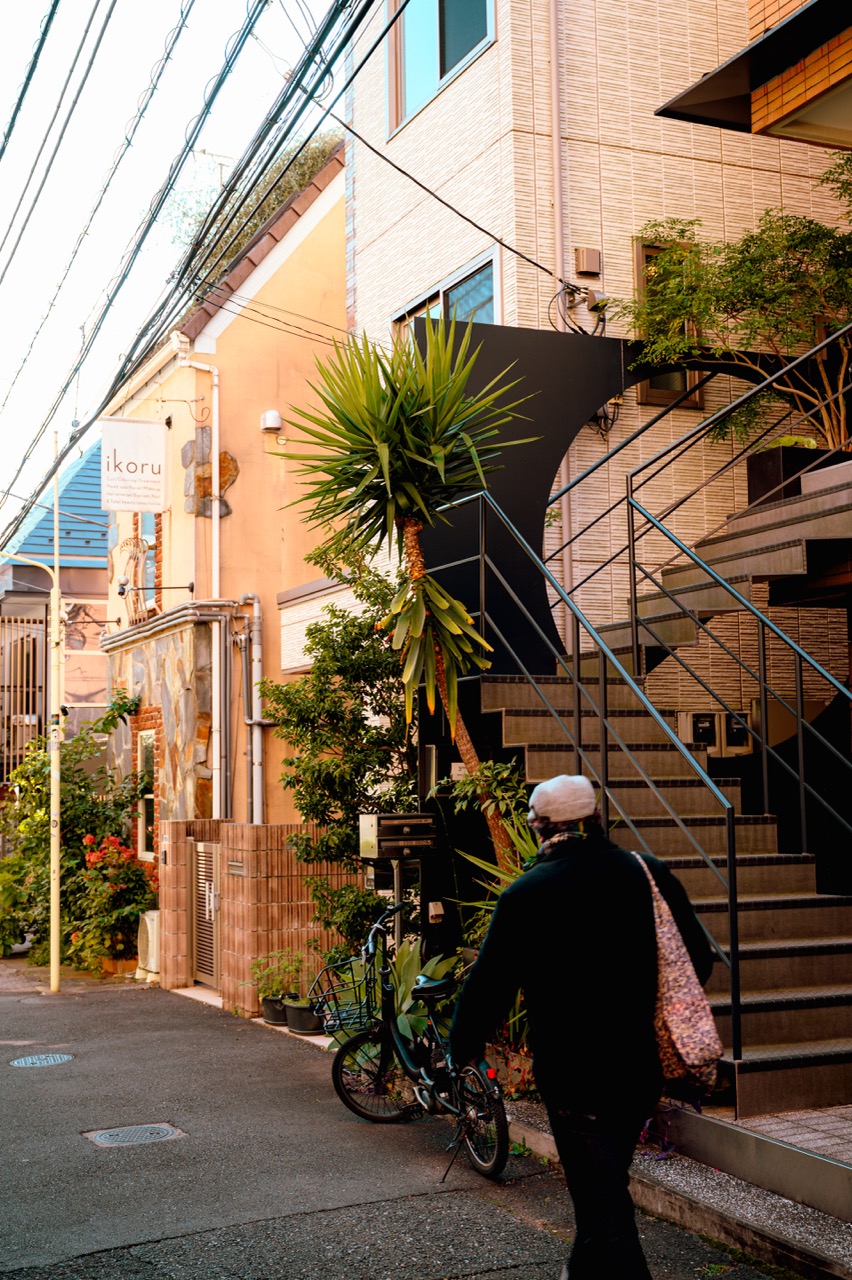
I briefly spoke about Daikanyama and Ebisunishi earlier, and beyond the excellent brunch we had at Garden House Crafts, I really enjoyed our time here. These two neighborhoods were some of my favorite places to aimlessly wander and explore.
Daikanyama is known as Tokyo’s Brooklyn, and if we’re talking about the fact that both have nice hipster coffee shops, that tag is somewhat accurate. Beyond that, though, I loved the architecture in these parts of the city.
It was incredibly quiet in Daikanyama and Ebisunishi, despite being not far from the busier parts of Shibuya. Next time we’re in Tokyo, I’d love to find somewhere to stay near here and spend more time, to be honest.
Besides just wandering around and getting coffee, you’ll also find a number of nice places to eat and drink. I’ve mentioned spending a morning here, but to be honest, you could easily fill your entire day with things to do.
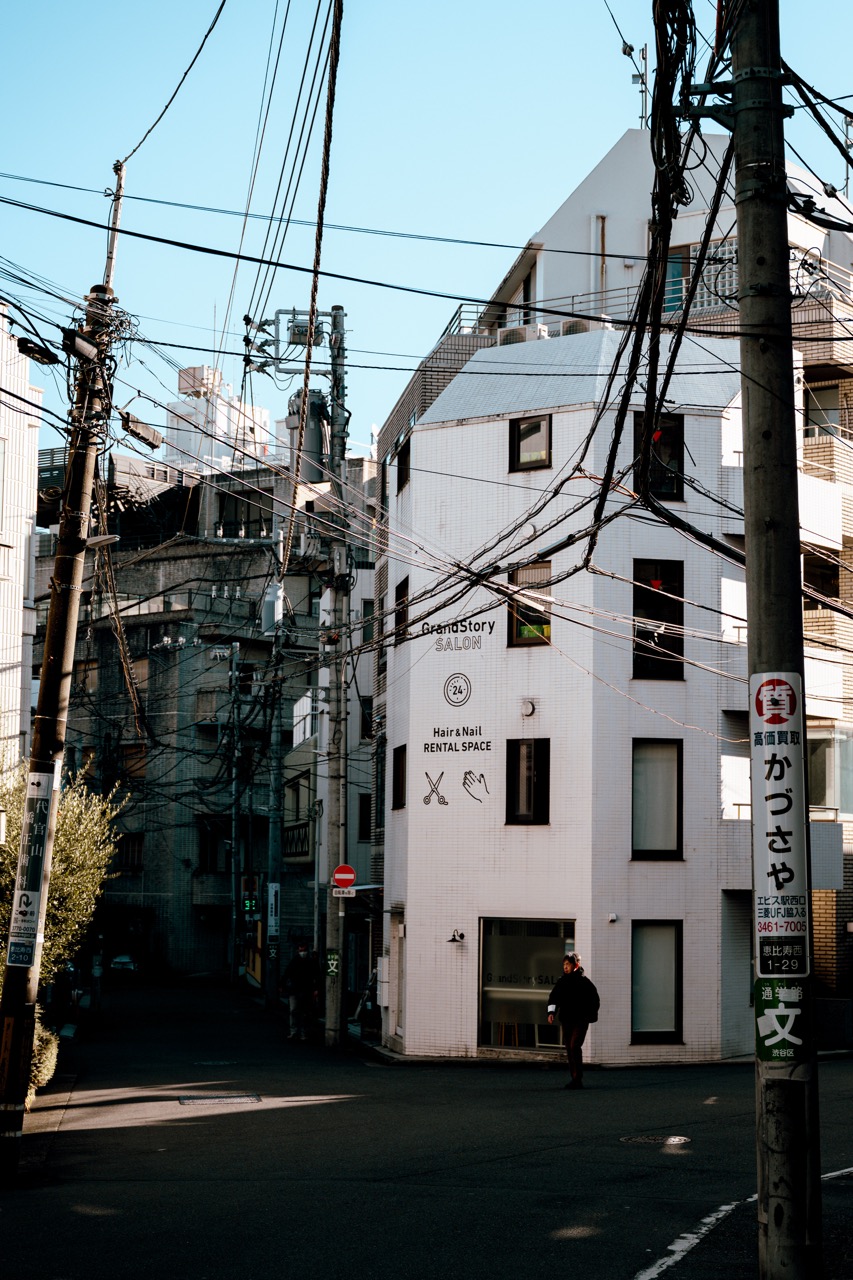
10. Visit the Shibuya Crossing
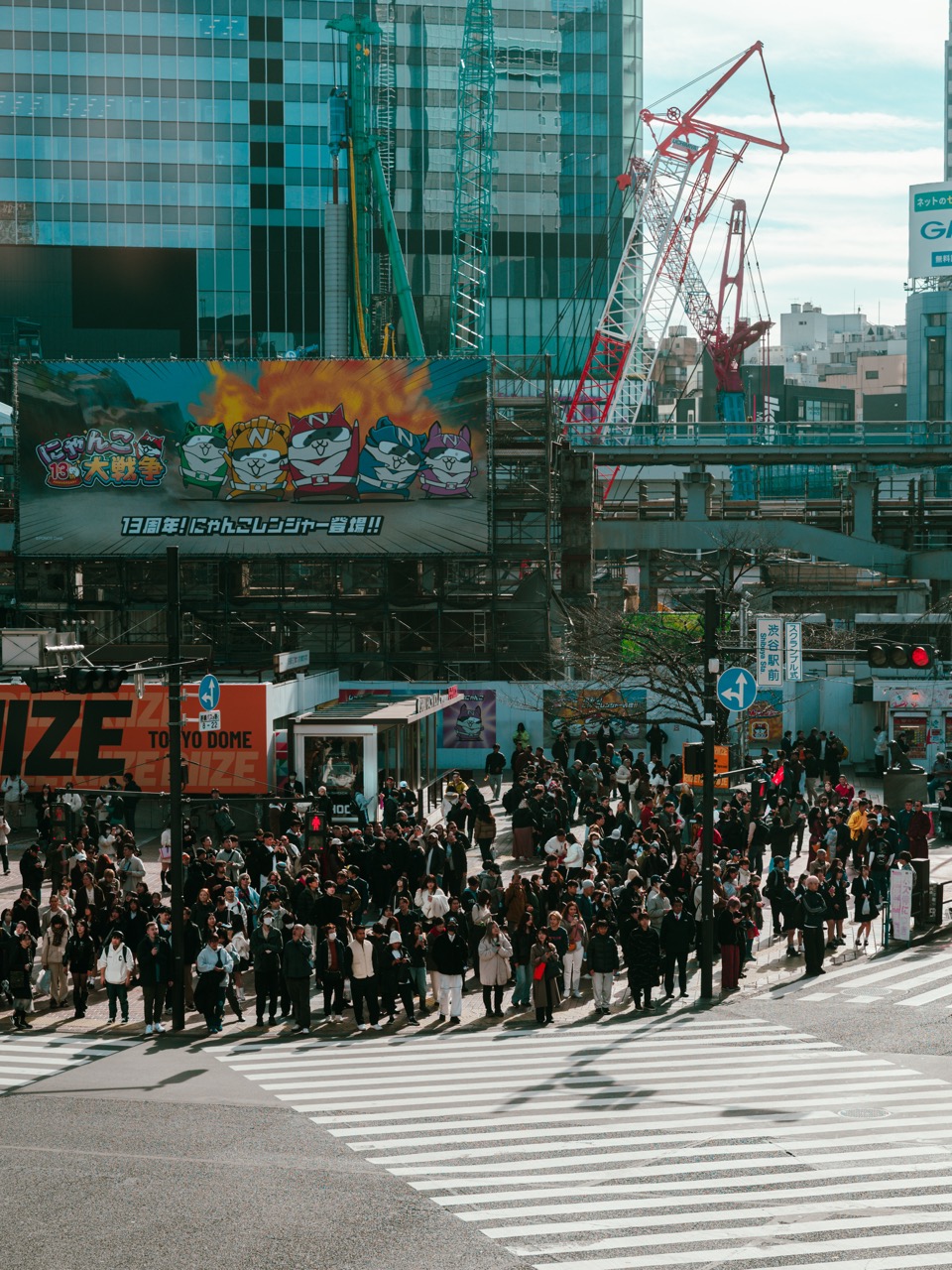
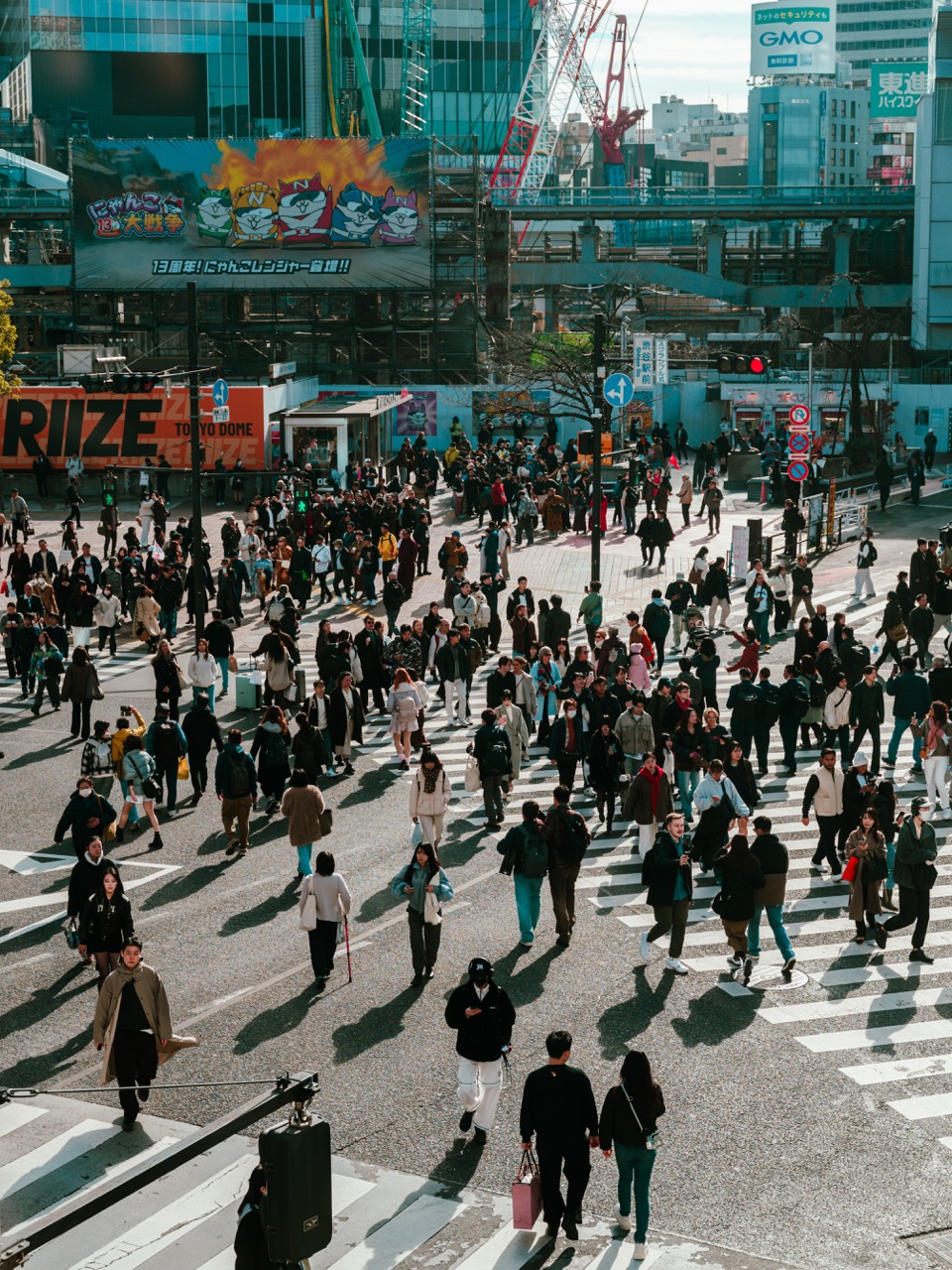
This is an interesting one to include, because now that I’ve seen the Shibuya Crossing, I don’t feel like I need to see it again. Still, when you’re in Tokyo on your first visit, I do still think it’s worth seeing and experiencing.
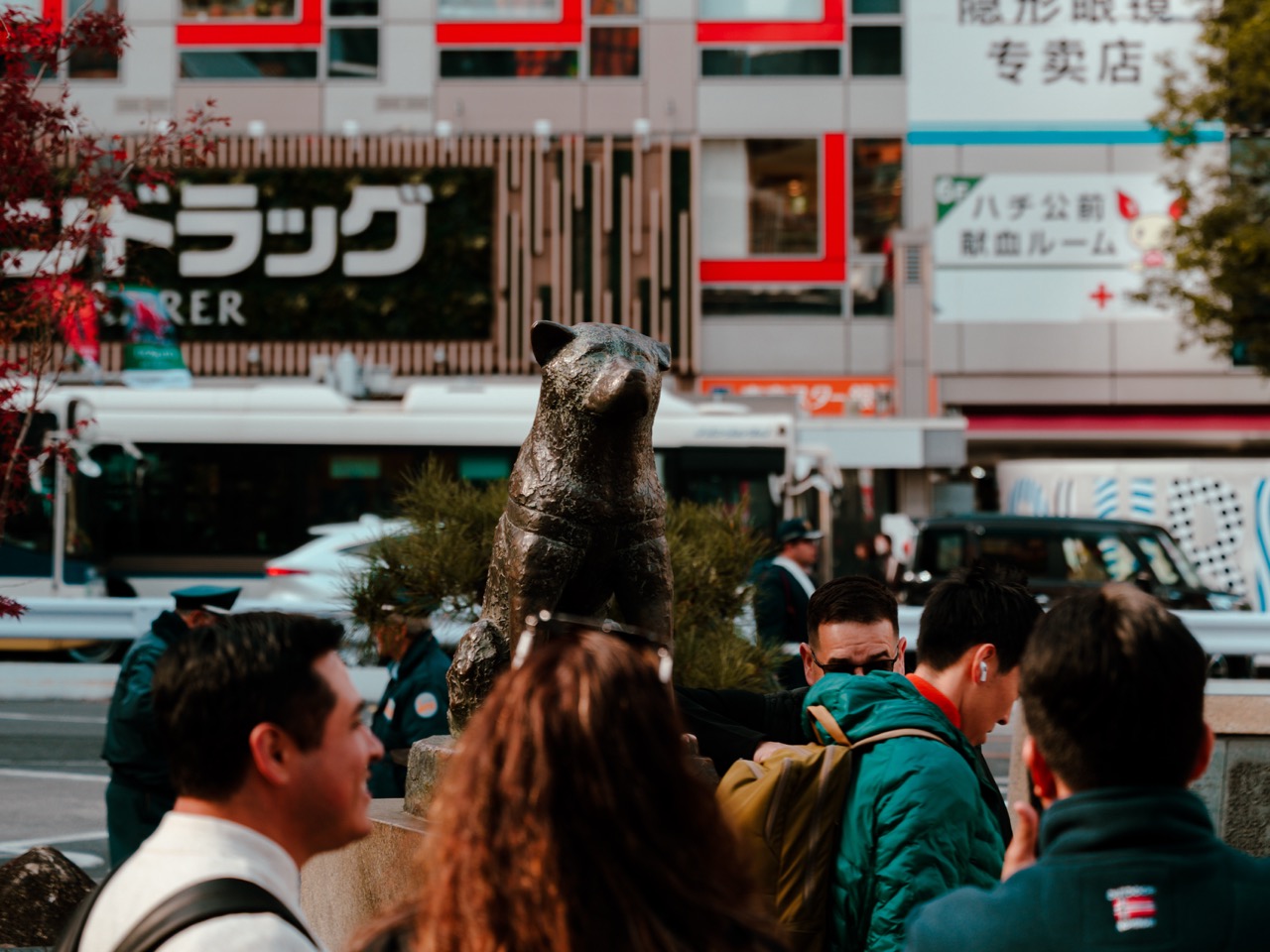
When we went during the day, it was pretty busy—but not as much as it would have been later in the day. This is very much a “tick the box” activity, and since you’re already here, you might as well combine it with another “tick the box” activity. I am talking about the Hachikō Statue; it’s a nice tribute to the famous Akita dog, but also a “cool, seen it, now let’s go” experience.
You can get views of the Shibuya Crossing from above, too. We went to the nearby Starbucks; you need to buy something if you want to see the viewpoint. It was fine, but pretty cramped. You’re better off going to the Shibuya SKY observation deck instead.
How to Get to the Shibuya Crossing
Shibuya is the closest station. It’s one of the main transport hubs in Tokyo and is served by several trains, along with the Ginza, Fukutoshin, and Hanzōmon Subway lines. Google Maps location 📍
11. Get Some Baked Goods at Beaver Bread or ovgo Bakery
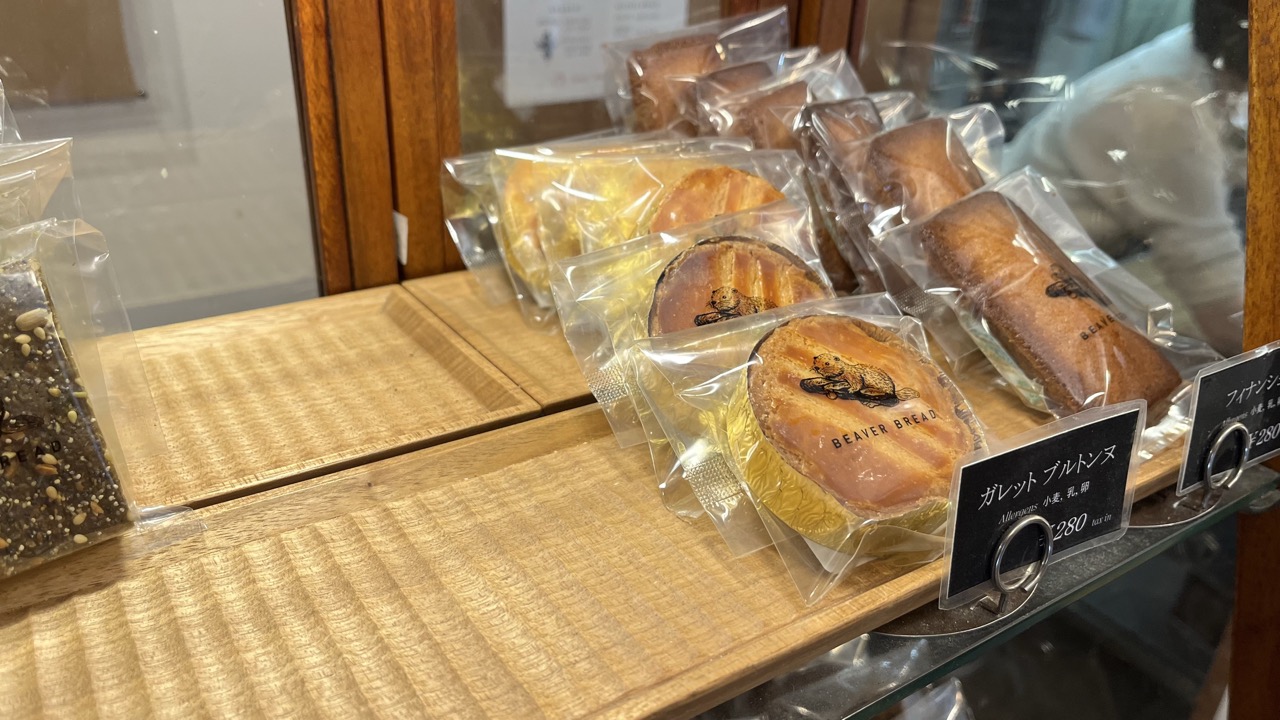
Since we didn’t have breakfast included at our hotel in Tokyo, we often went to bakeries on the days when we wanted a change from Lawson or 7-Eleven. We found two really good places near where we were staying, both of which I recommend visiting.
Beaver Bread
Besides its cute branding, Beaver Bread has some really good cakes and pastries. We caught ourselves side-eying this place on a morning walk and decided to go for it. The cheese and mushroom bread was really good, in particular.
While this spot is more expensive than some other places in Tokyo, it’s still worth going to. The bakery itself is quite small, so you’ll likely need to wait in line. Google Maps location 📍
ovgo Bakery
After finding that ovgo Bakery was closed one morning, we took our chances a second time and got lucky. And I won’t lie to you… These are some of the best cookies I’ve had anywhere in the world.
You know those cookies that still have a doughy texture in the middle? These were those. Full-on “drool emoji” personified. The blueberry muffin we had was also good, as was the chocolate cake—but I have to say that the cookie won if I had to choose.
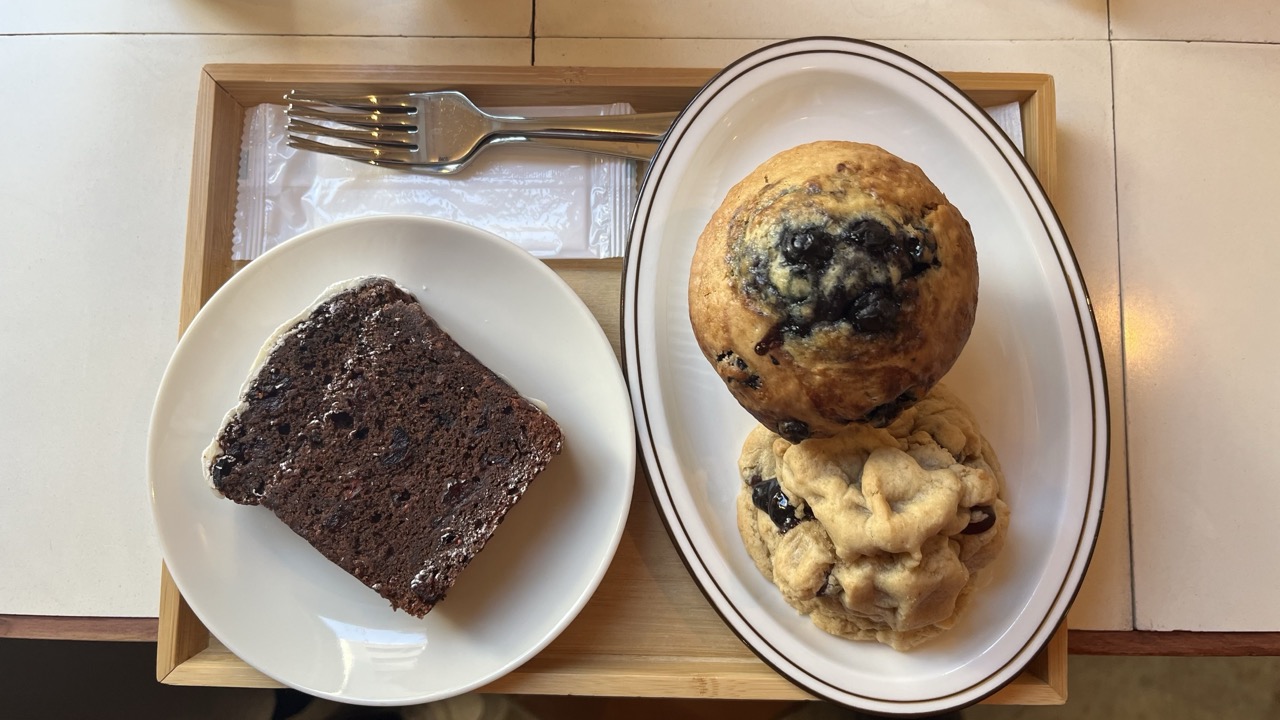
We went to ovgo Baker Edo St (Google Maps location here 📍), which is close to Kodemmacho Station. While you’ll find some indoor seating, this place is very small. So, you may want to take your stuff with you to eat elsewhere. You should also expect to stand in a queue here. It’s worth it, though, trust me.
In addition to the one we went to, you’ll find other locations in Tokyo.

Check Availability for Places to Stay in Tokyo:
12. Enjoy Matcha at MIYANO-YU Matcha & Espresso, Nezu
While matcha was mainly our priority in Kyoto, we still wanted to try some in Tokyo as well. Bonus points if it was in a cozy café, and even more so if it was a repurposed space. MIYANO-YU Matcha & Espresso in Nezu ticked all three of those boxes.
We found this spot while wandering around and wanting somewhere to stop for a bit. After being greeted by the friendly staff, we ordered matcha, which—I can confirm—was very good. The matcha here is organic and from the Shizuoka Prefecture, which is just outside Tokyo.
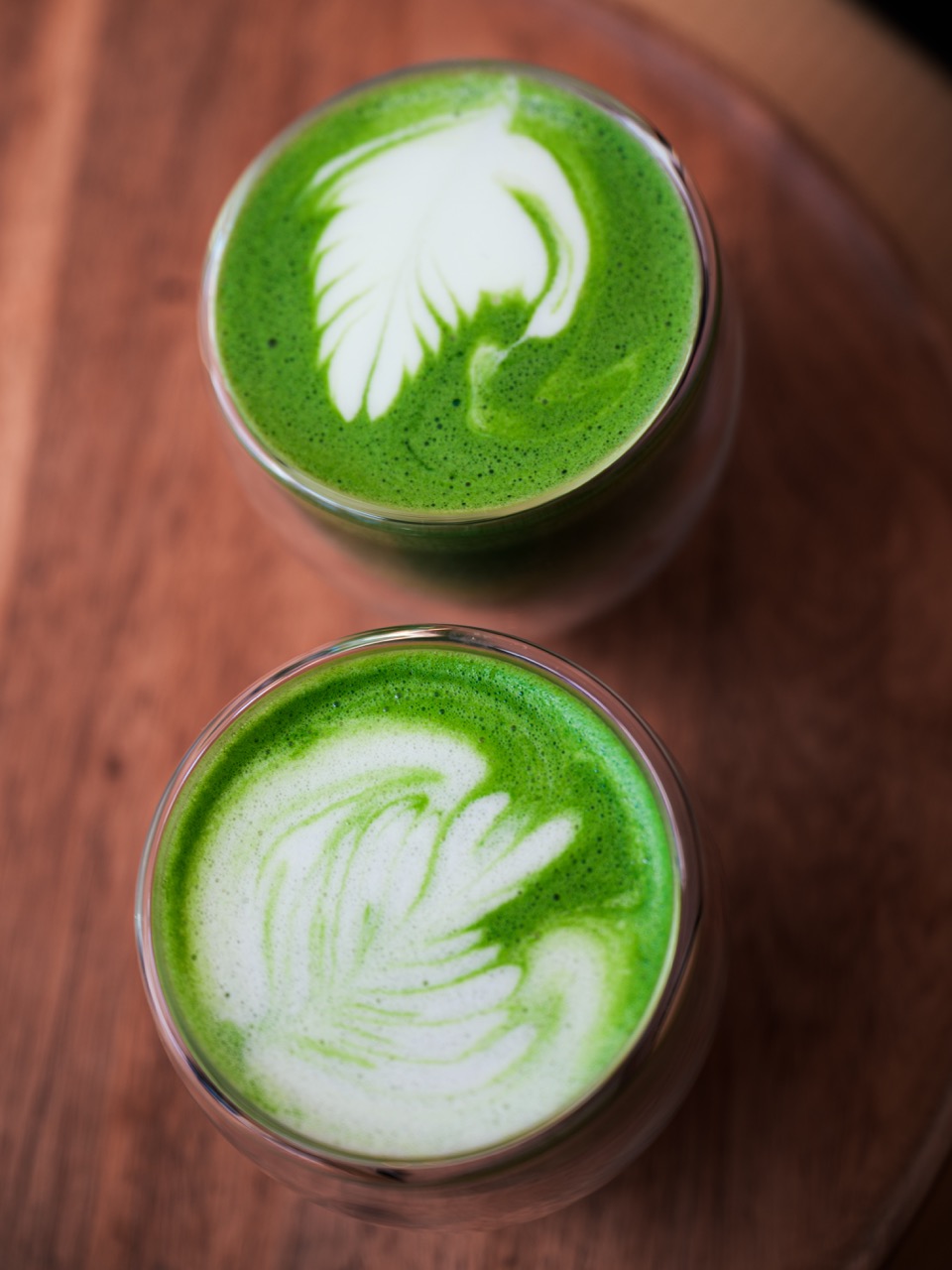
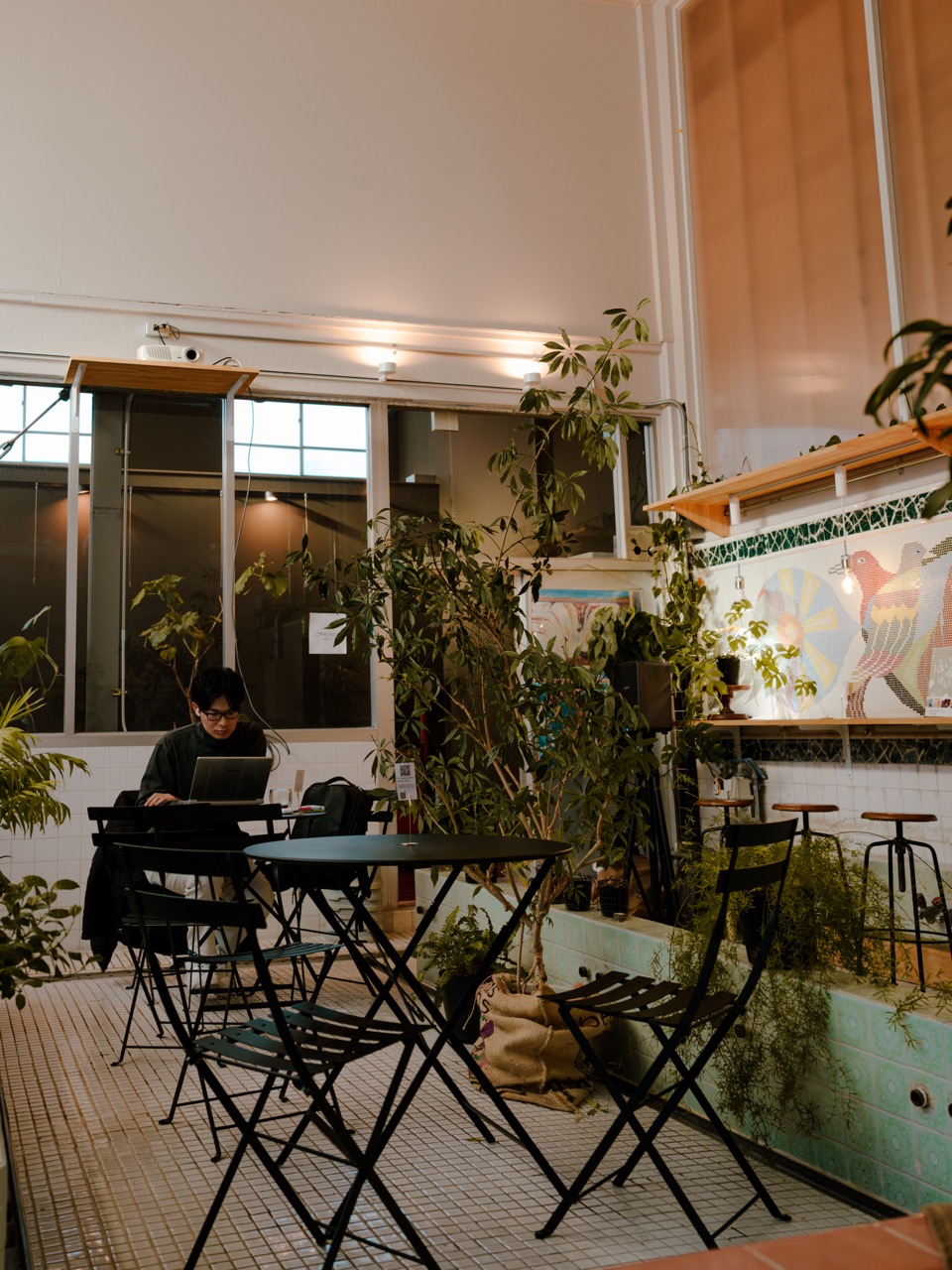
Besides the good matcha, I really liked the place we sat to drink. It’s a repurposed swimming hall, and besides people taking a break, you’ll also spot some people working here. We sat in the area where you need to take your shoes off, which was “hygge” if I were to put my Danish hat back on for a moment. Google Maps location 📍
Website: https://www.miyanoyu.tokyo/english
13. Grab a Morning Coffee at One of Tokyo’s Many Great Coffee Roasters
I thought very little of coffee in Tokyo before we visited, to be honest. My thinking was honestly that we’d just go to a convenience store and get some if we wanted to, but nothing more than that. But as I quickly found out after we arrived in Tokyo, this was foolish of me.
Tokyo has some excellent places to get coffee, and I’d be here all day if I listed all of them. So, I will instead list my favorites from the places we visited.
Pertica Coffee Nihonbashi
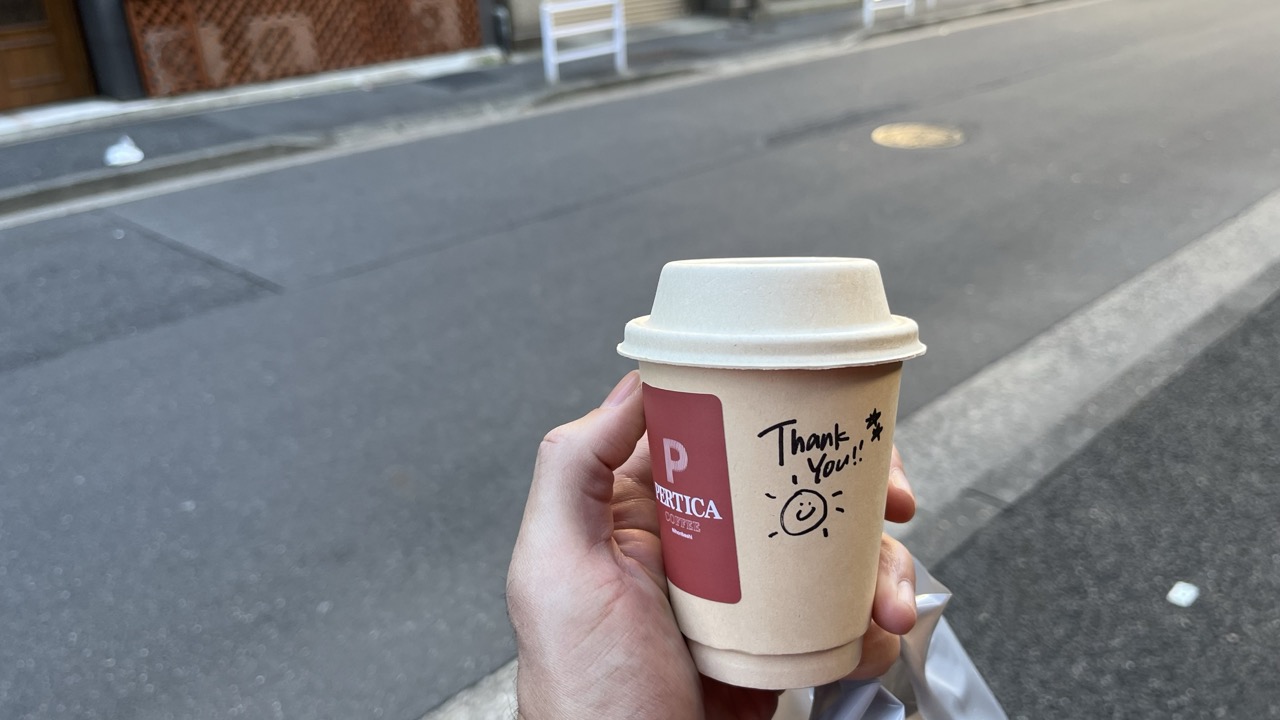
Pertica Coffee Nihonbashi is very close to the hotel we stayed at, and we actually came here twice. The person who served us was super friendly, and the interior is also lovely. We took our coffees with us, but I wouldn’t have been against sitting in and drinking them, either.
This place is pretty popular with foreigners, and from our experience, the staff speak really good English, too. When we were here, we saw that they do digital nomad meetups, so if you’re in Tokyo for an extended period, you may want to look further into this.
As a nice bonus, the café is dog-friendly, too. Which is nice, because—as you’ll quickly see—there are lots of nice dogs in Tokyo.
Andy Coffee
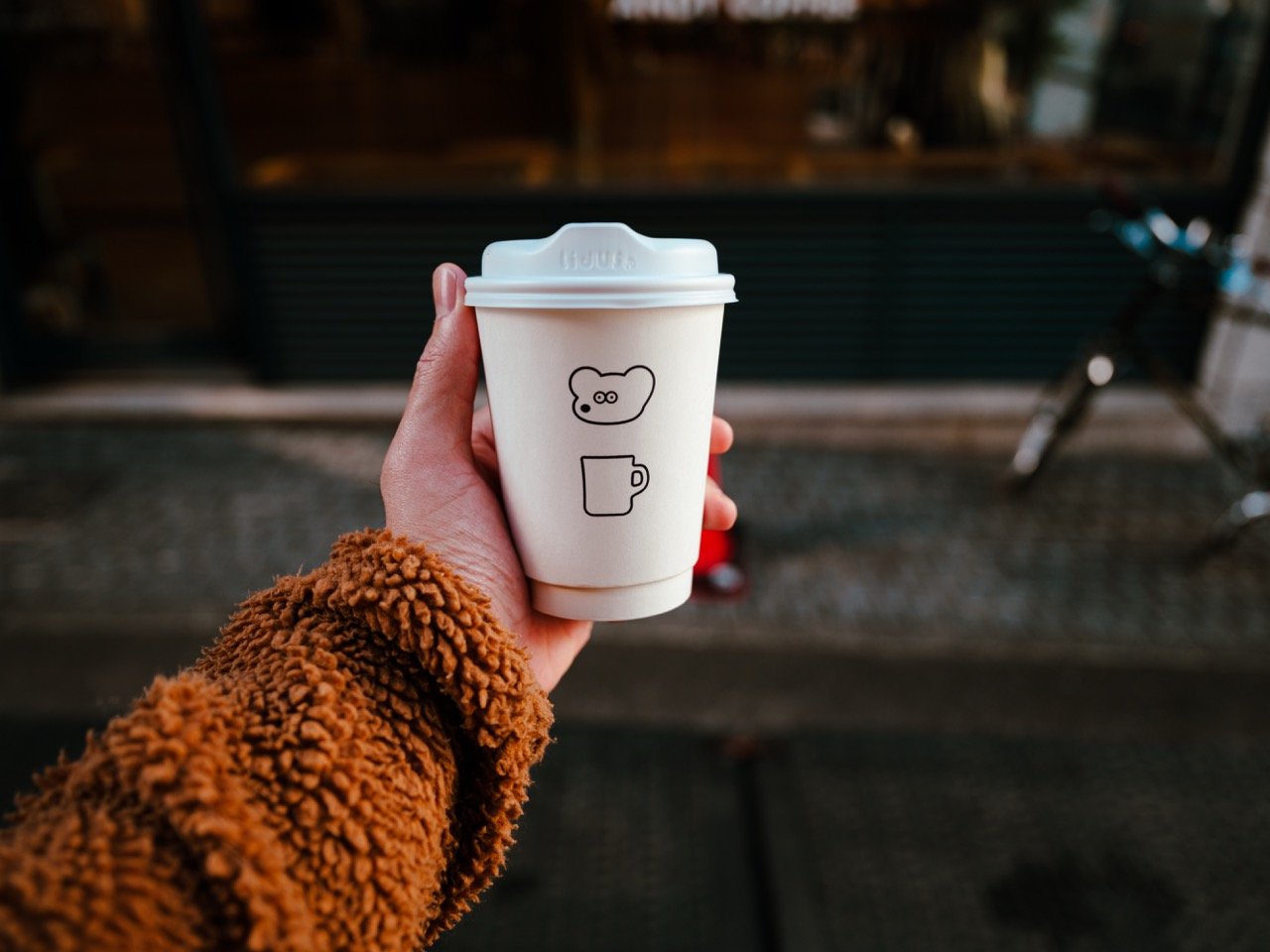
We went to Andy Coffee while wandering around Daikanyama, and this was another laid-back place I can recommend. It didn’t take us too long to get served, and the coffee itself was one of the best I had throughout our Japan trip.
In addition to coffee, you can also get sandwiches and the like here. The branding is also cute, which is a nice bonus.
Bongen Coffee
We went to Bongen Coffee in Ginza in the early afternoon on our first full day in Tokyo. I was not expecting to stand in the queue outside for an hour, but… we did. So yeah, if you plan to visit this one, expect to wait outside for a while.
The wait, however, is worth it. The coffee here is excellent, and the interior is also beautiful. I paid pretty much the same as I do for coffee in Copenhagen, but I didn’t really care because a) the experience was cool, and b) the coffee tasted good.
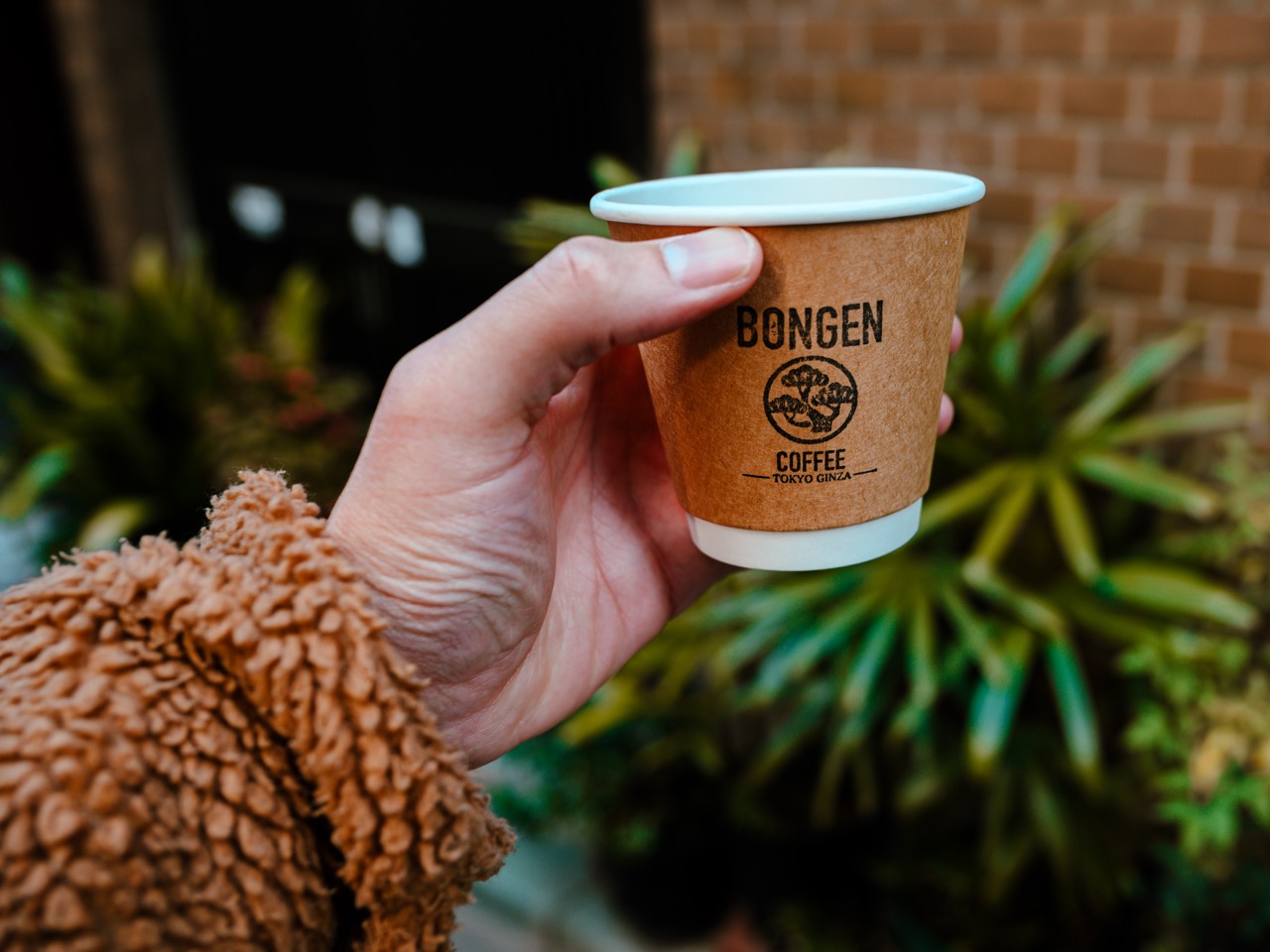
You’ll see the spot to stand in the queue on the opposite side of the street. The barista will then call you in when they’re ready to serve you.
In addition to the Ginza coffee shop, you’ll find another one in Nihonbashi.
14. Get Ramen at Ippudo or Menya Takeichi Shinbashi (or Basically Anywhere You Like, to be Honest)
We ate ramen for a very big chunk of our meals while in Tokyo (and Japan as a whole, for that matter). Some people would get bored of that, but not us. In the four months between us returning from Japan and me writing this article, we’ve made our own ramen more often than not for dinner 🤣.
Since I couldn’t possibly list *every* ramen joint in Tokyo, I will mention the two that were my favorites: Menya Takeichi Shinbashi and Ippudo.
Menya Takeichi Shinbashi
We randomly found Menya Takeichi Shinbashi while looking for lunch and trying to find a place without a large crowd waiting outside. This place, tucked away in an unassuming alleyway, fit the bill for us. I didn’t have huge expectations, to be honest, but I was very happy. It was slightly more expensive for ramen, but still pretty cheap.
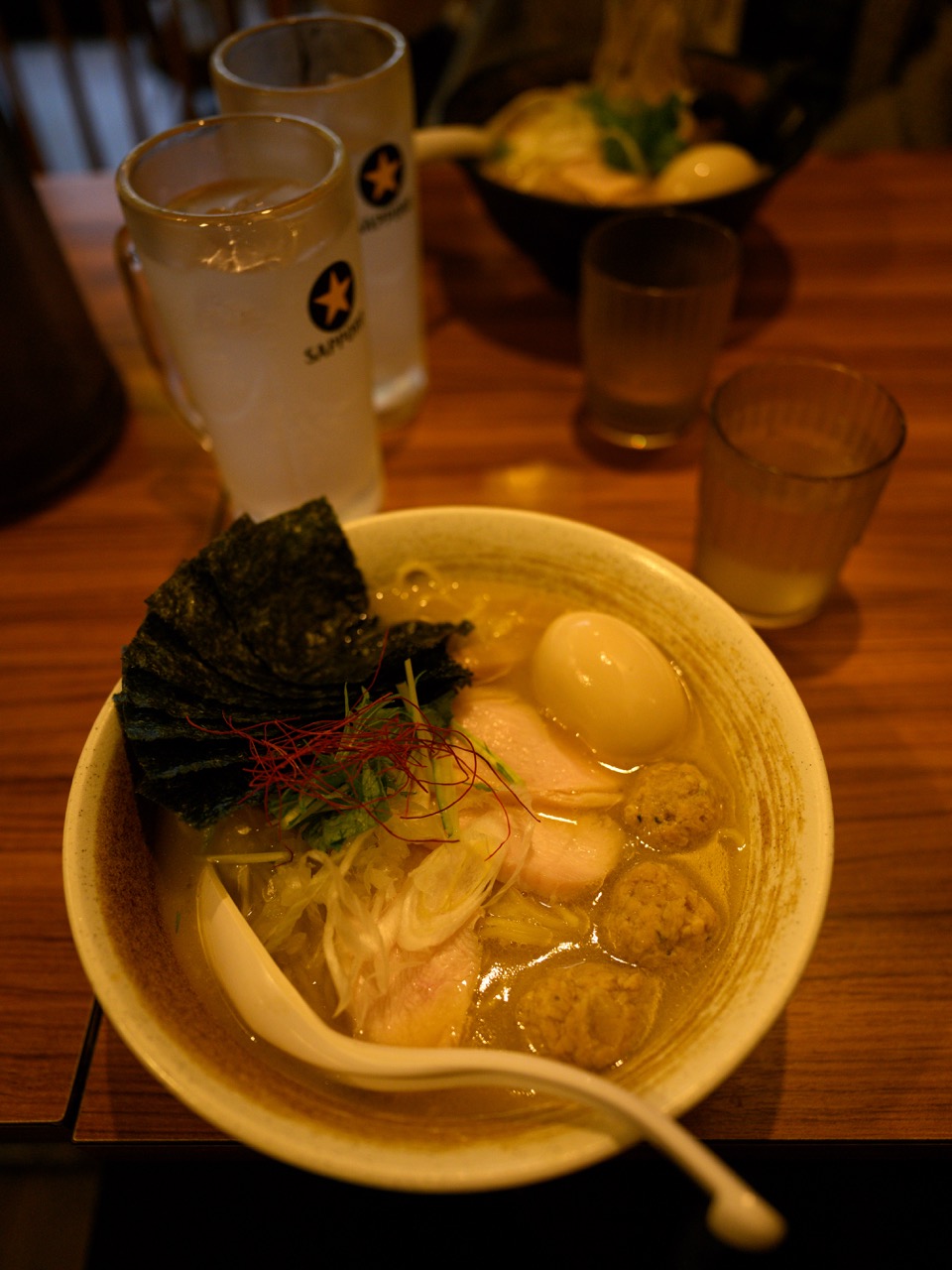
The restaurant focuses mainly on chicken ramen, and you can order outside. It accepts card payments, which is good.
Useful Note: If you see “sours” on the drinks menu in Japan, it’s alcohol. So, if you don’t drink or you’re pregnant, make sure you get something else.
We didn’t have to worry about getting a table at Menya Takeichi Shinbashi, despite its small size. It also accepts card payments.
Ippudo
While Ippudo is a chain, it’s still very good. Just as a side note, it’s pretty difficult to have bad ramen in Japan; you should go basically anywhere that takes your fancy.
Anyway, getting back onto the topic. We went to Ippudo in Roppongi for dinner after visiting the Roppongi Hills Observation Deck. The portion sizes here are very generous, and the service was also fast.
If you’re looking for something simple, delicious, and fast, Ippudo is one of your better options in Tokyo.

15. Visit the Tsukiji Outer Market
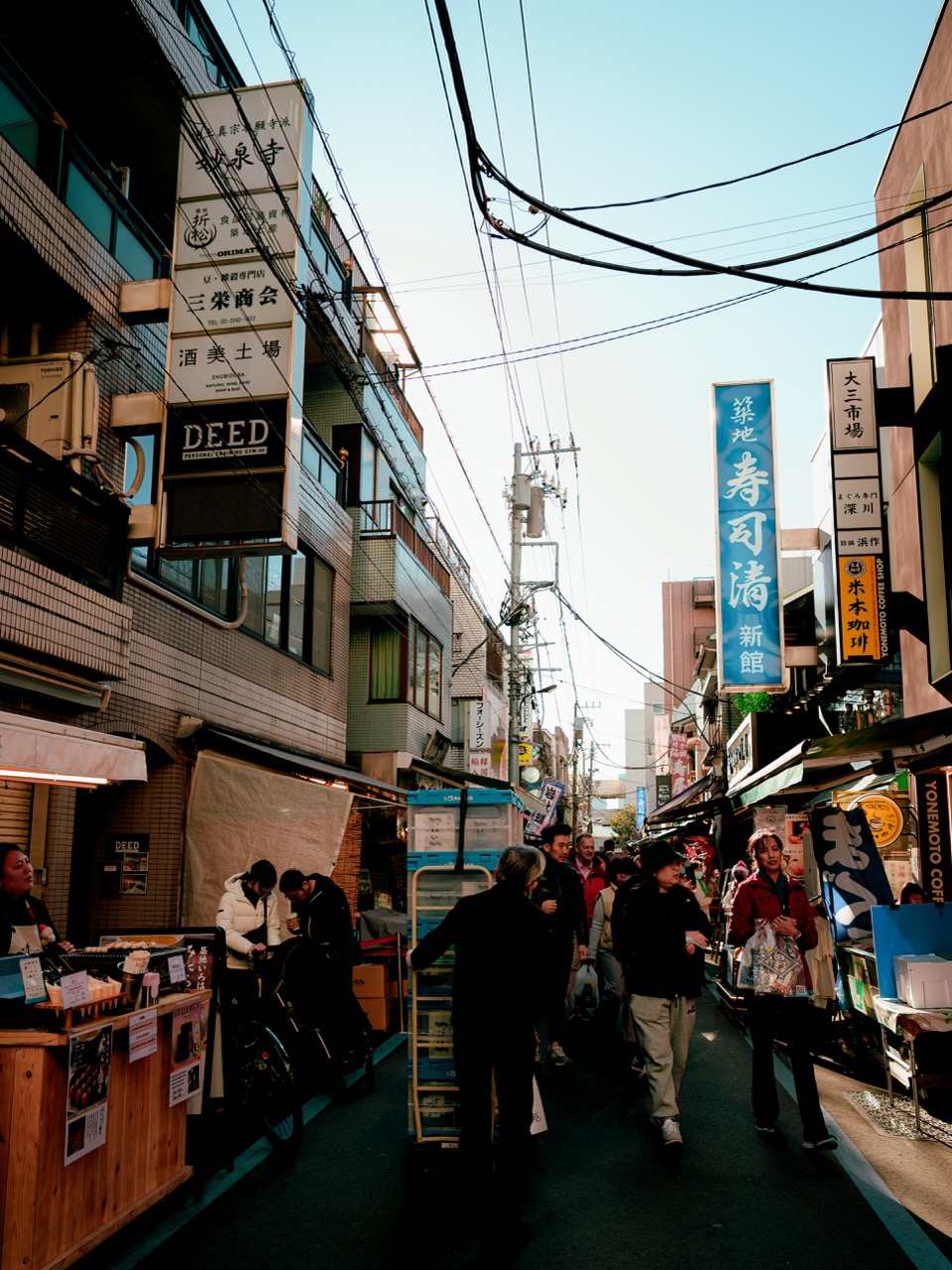
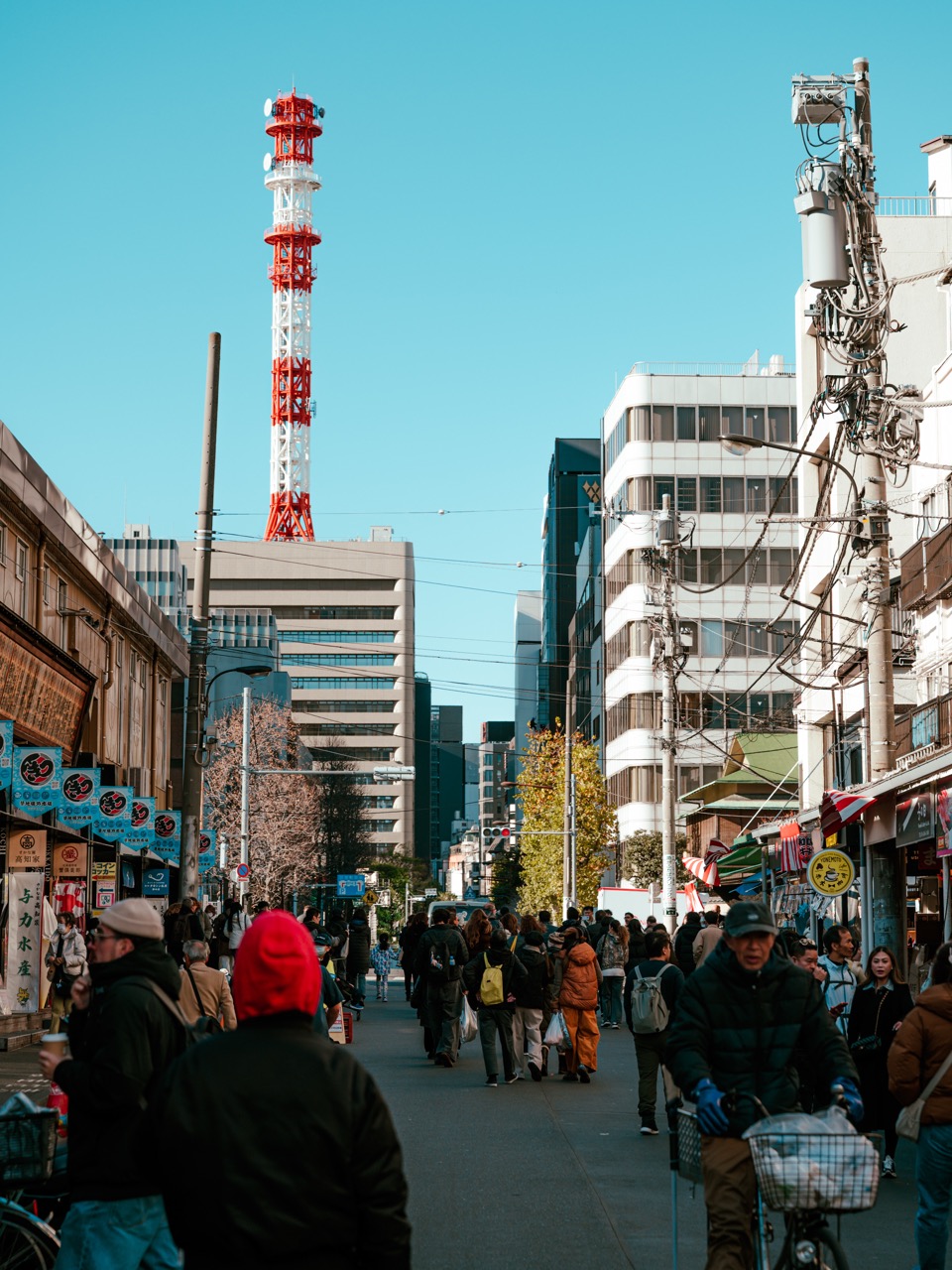
The Tsukiji Outer Market was another place that I wasn’t overly excited to visit beforehand, but enjoyed much more than I thought. Yes, it’s busy, but I do still think it’s worth braving the crowds.
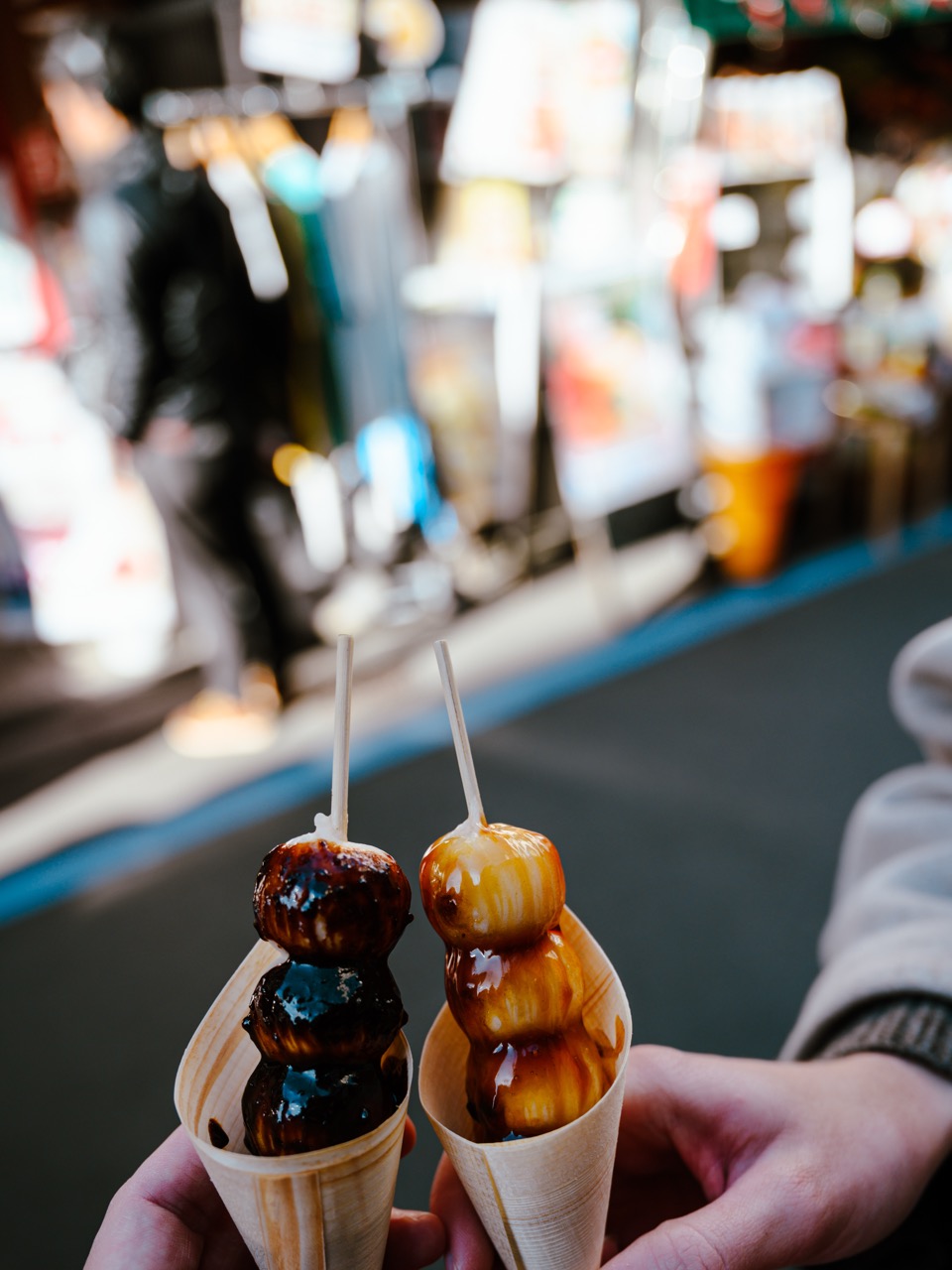
For what it’s worth, we stopped at a handful of vendors here. You should definitely try some of the street food, but you’ll find better restaurants in other parts of Tokyo.
Having some physical cash handy is a good idea when you visit. Also, you should keep an eye out for pickpockets; while Tokyo (and Japan) is very safe, this is a crowded area and that naturally does bring pickpockets.
How to Get to the Tsukiji Outer Market
Take the train or Subway to Tsukiji Station.
16. Explore the Akasaka Neighborhood
Akasaka, not to be confused with Asakusa, was another cool district we spent a decent amount of time exploring in Tokyo. The neighborhood is one of the more upscale ones in Tokyo and had a really nice vibe when we visited. This is despite it being home to several offices; this can often make a place feel soulless, but that’s not the case with Akasaka.
While in Akasaka, we spent most of our time wandering around the streets here and going wherever took our fancy. There are some nice-looking restaurants, but the ones we wanted to visit only took cash—of which we didn’t have any. So, be sure to bring some physical money with you.
The Hie Shrine was another highlight while we were here. It has more of those cool orange gates that you’ll find at the Nezu Shrine, and despite being relatively big, it didn’t feel overly crowded to me.
To get to Akasaka, you can take the Subway to Akasaka Station.
17. Enjoy Your Own Konbini Culinary Adventure
I had heard all about “konbini” (Japanese convenience stores) before visiting, and I must admit that this was one of the things I was most excited about when we arrived in Tokyo. There are so many interesting things to try in these, and I’ve been longing for those egg sandwiches ever since leaving.
We were often more than happy going to 7-Eleven, Lawson, or Family Mart whenever we felt hungry and weren’t on the lookout for a ramen joint. You’ll find endless types of onigiri, sandwiches, and various sweet treats, too. The main reason I recommend indulging in these when you’re in Tokyo is because there are convenience stores basically everywhere.
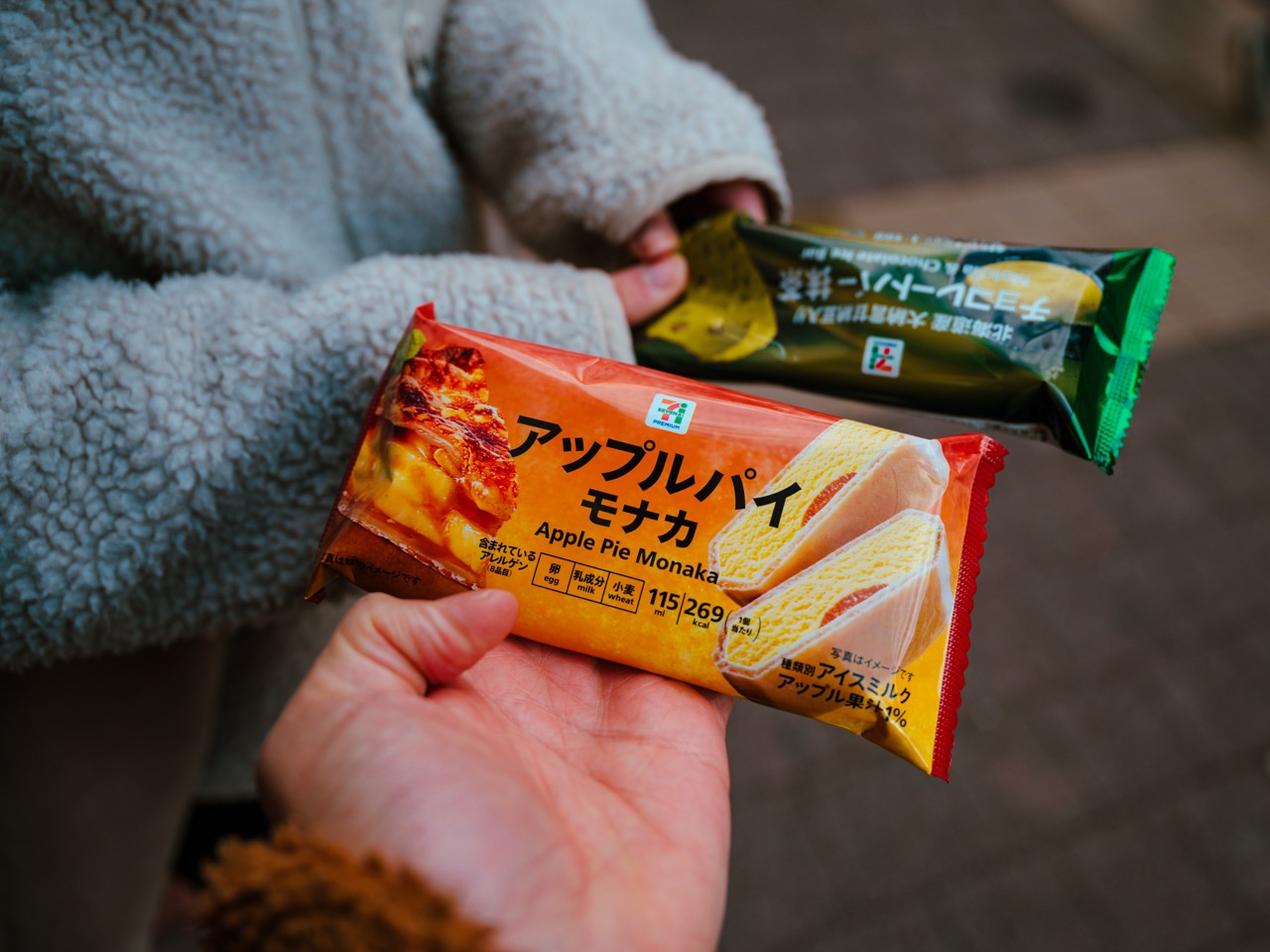
If you want my opinion (I’m sure you don’t, but there we go), these are the best Japanese konbini foods:
- 7-Eleven milk ice cream
- Egg sandwiches
- Corn chips
… Not at the same time, or maybe so, I dunno.
Konbini food is easy, efficient, and cheap. But even if you’re not visiting Tokyo on a budget, I still recommend trying at least some. For what it’s worth, I think Lawson is the best convenience store—followed by 7-Eleven and Family Mart. Maybe it’s because the FamilyMart tune when we entered the door is still stuck in my head. 😵💫
18. Go for an Evening Walk Along the Sumida River
After visiting Senso-ji on our first evening in Tokyo, we walked back to our hotel along the Sumida River. I was amazed at how peaceful it felt; there was next to no noise from traffic or the like. As someone who’s well-accustomed to big cities, having grown up in London and with family from NYC, this blew my mind.
Besides a few runners and people walking their dogs, we had the entire waterfront to ourselves. From the shores, you can get some cool views of the Skytree and many of Tokyo’s waterfront apartments. The main joy here, however, is just to walk and be present.
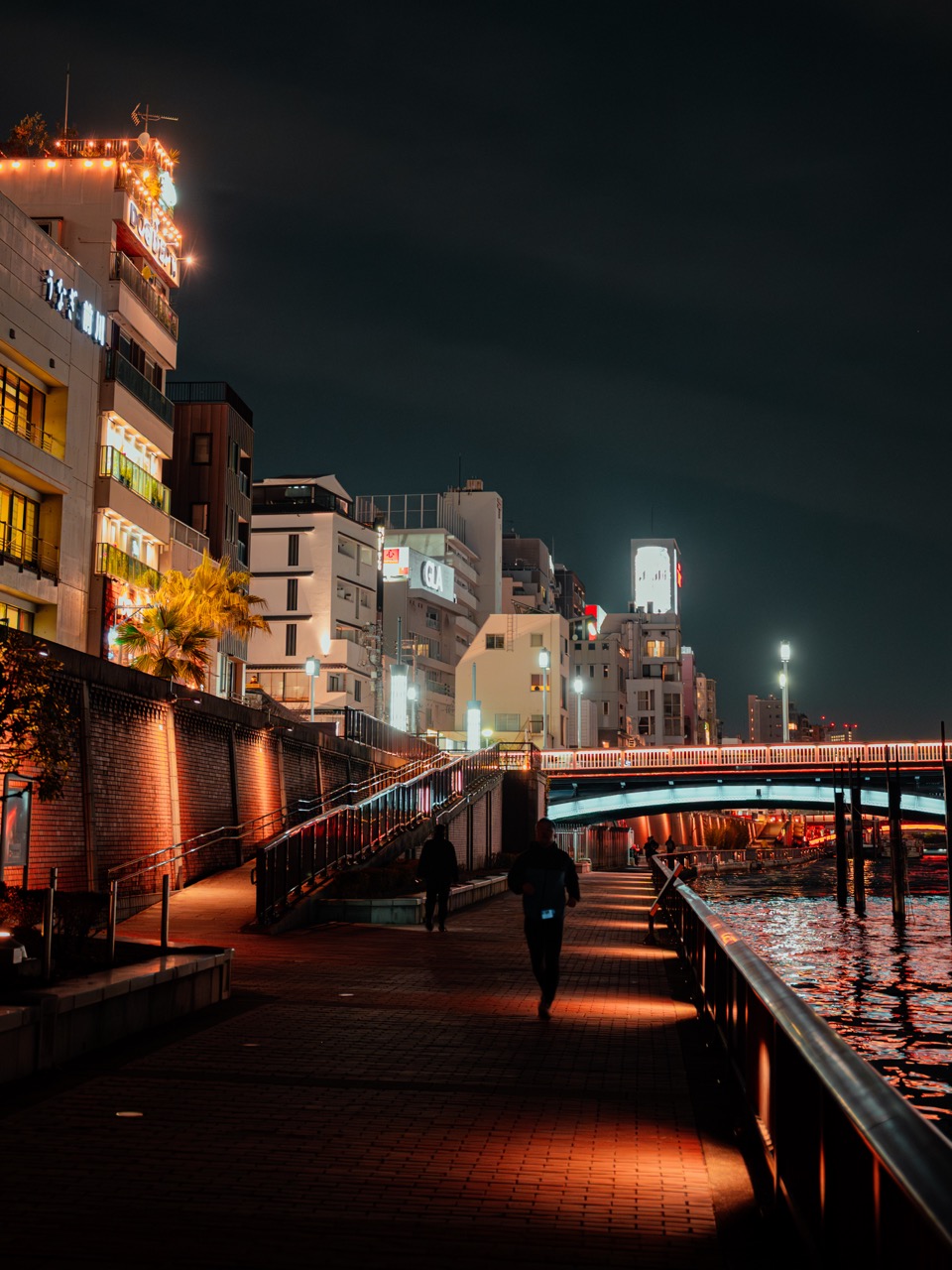
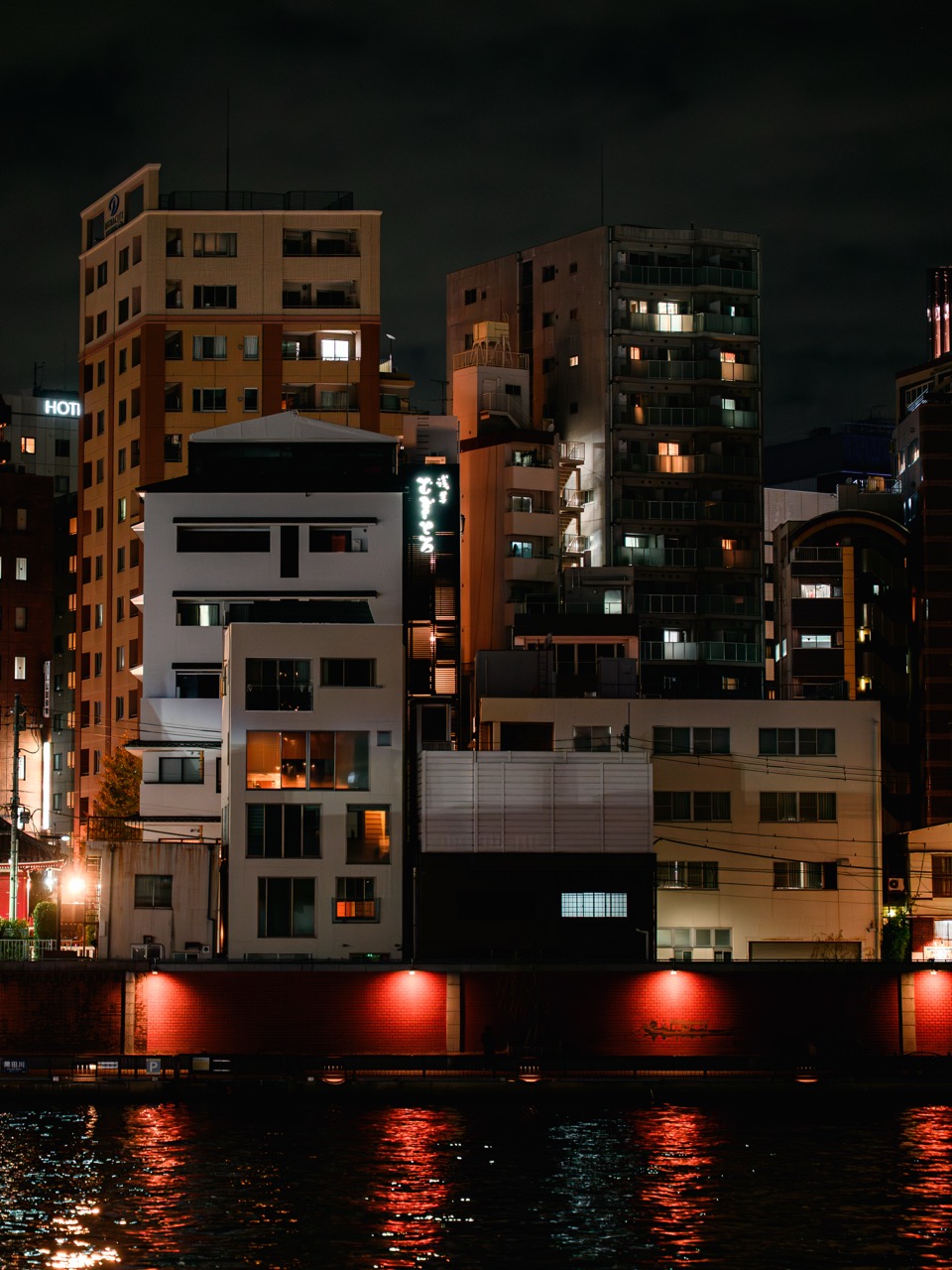
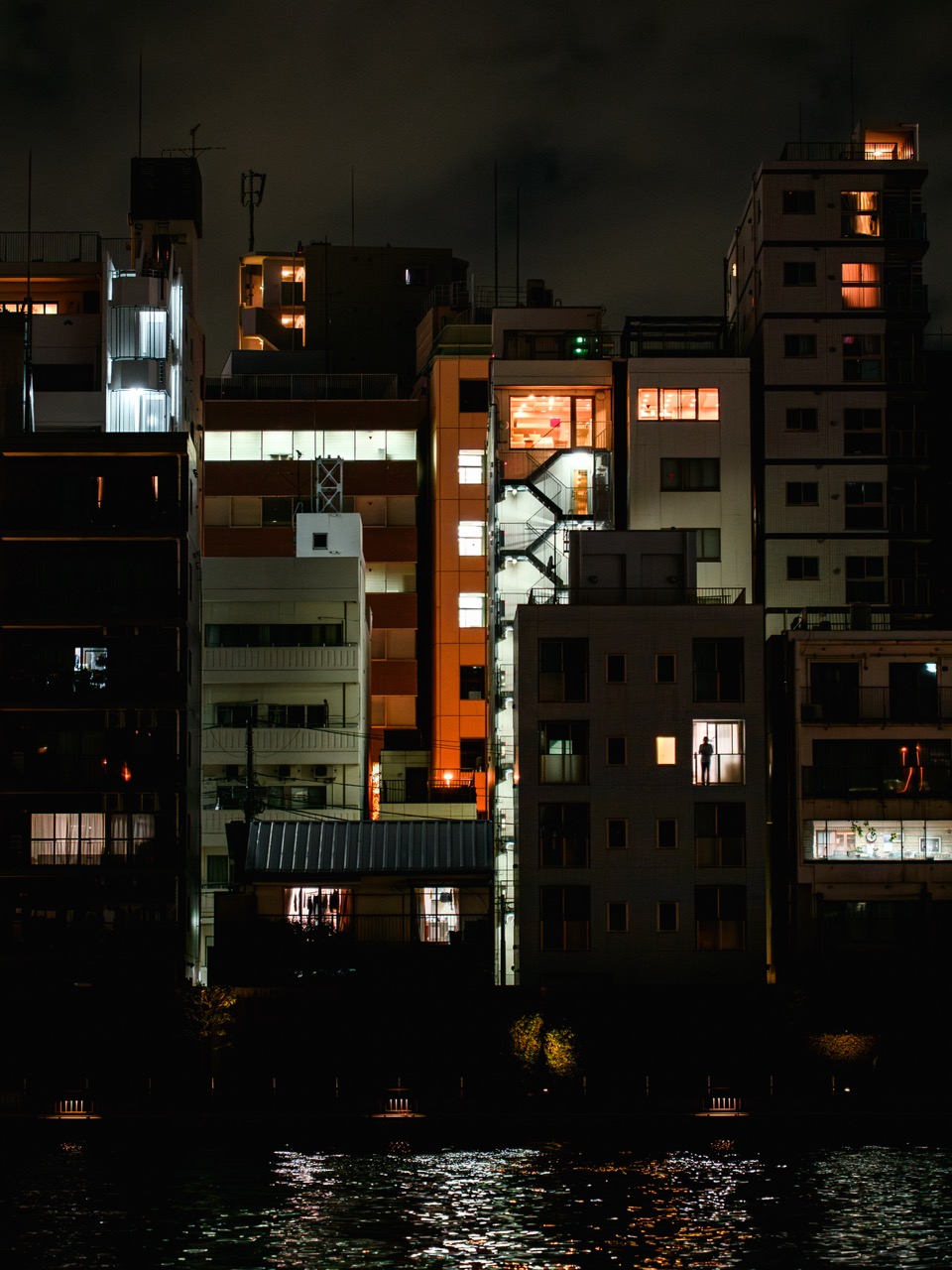
Since the river is 15 miles long, I doubt you’ll walk the entire length. However, it’s still nice to do stretches of it.
Tomigaya itself is a pleasant neighborhood with some lovely streets, cafés, and shops. Our main reason for visiting, however, was to go to the Monocle Store and get a souvenir. I usually care little for souvenirs, but… I mean… if you’re in Japan, come on.
Good to Know: In addition to walking, you can take a number of river cruises in Tokyo.
19. Get a Souvenir From the Monocle Shop in Tomigaya
Since I am obsessed with coffee table books and have more of them than I care to admit, I specifically wanted to get the Monocle Book of Japan. Mission accomplished. The store itself is also quite nice and, like in the London and Paris stores, the staff were knowledgeable and friendly.
Monocle’s Tokyo store happens to be on a really nice street with plenty of places to get coffee, too. I recommend hopping in and out of these once you’ve bought your souvenir. Google Maps location 📍

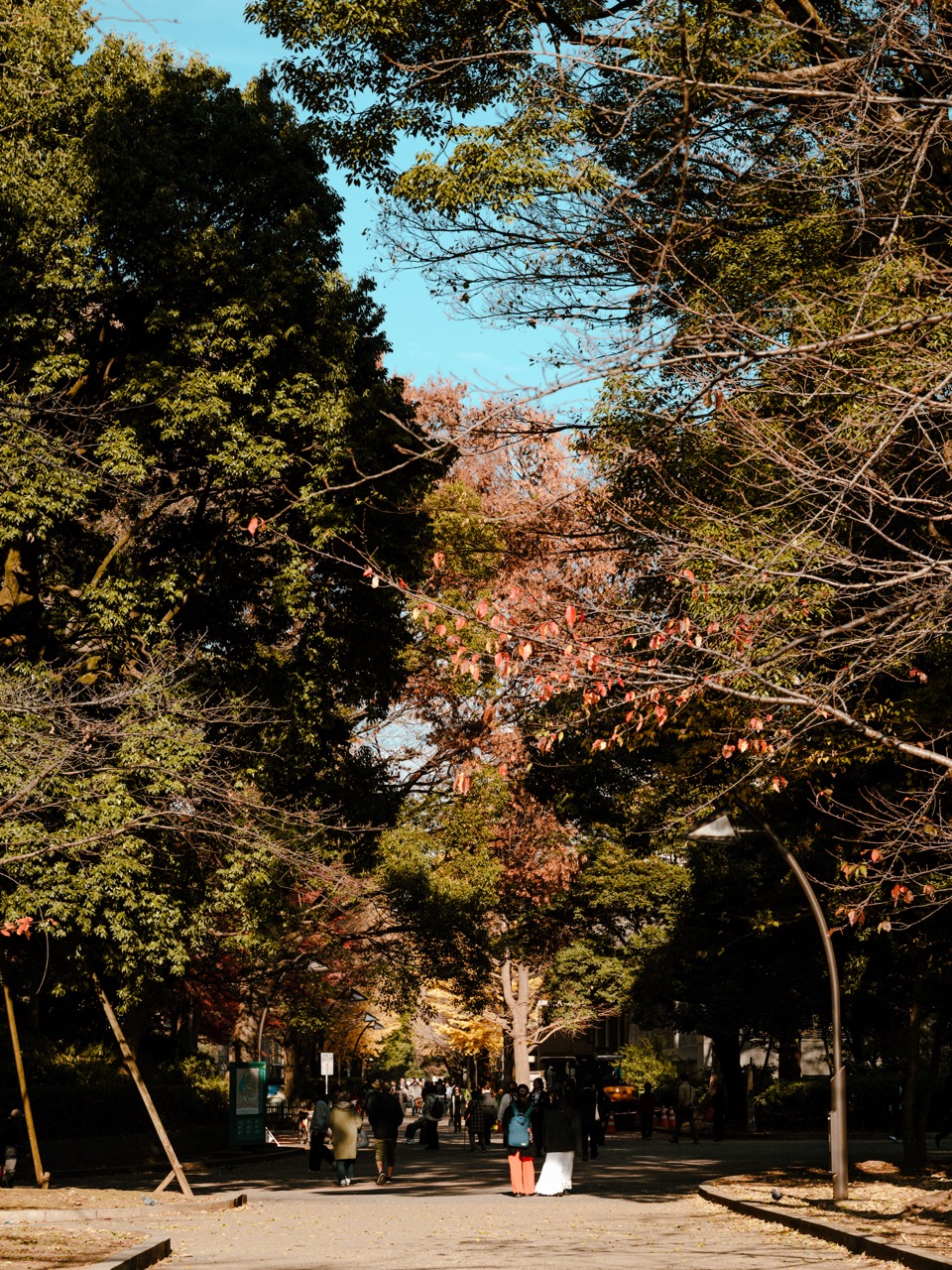
20. Visit Ueno Park
Finding green spaces in Tokyo can be difficult, but you will find some nice parks. Ueno Park is my personal favorite, and we spent a few hours here before we went on to explore Nezu. It’s a popular place to go for the cherry blossoms, but even when we were there in December, it was still really nice.
Watching the locals play baseball here was one highlight, and I also enjoyed taking a brief stop at the Ueno Toshogu Shrine. It’s not on the same level as some of the other shrines I went to in Tokyo, but it’s still nice.
Otherwise, this was a lovely place to go for a gentle stroll. Once you’ve been surrounded by concrete, you will probably get that “ngl, I just want to see a tree” feeling; this is the place to go when that kicks in.
You will also find a number of museums in Ueno Park. These include the Tokyo National Museum and the National Museum of Nature and Science.
All the Best Things to Do in Tokyo in One Place
As you can probably tell if you’ve read this far, I love Tokyo. It’s such a cool city, with an endless amount of amazing things to see and do. Since I included everything I enjoyed doing in this guide, you’ll naturally have some more touristy stuff and other things that are more left-field if you follow my tips.
Regardless of what you’re interested in and who you’re traveling with, you certainly will not be bored in Tokyo. And having read this guide, you’ve got a solid list of activities based that—based on real-life experiences—I think you’ll love.
Feel free to bookmark it for reference whenever you need to. If you have any further questions, feel free to leave a comment and I’ll do what I can to help.
More Useful Resources:
Read All of My Tokyo Travel Guides
Get an Affordable eSIM for Your Japan Trip
Pin for Later 📌