Nikon Z6 II Review: My First Full-Frame Camera
*Disclaimer: This blog is reader-supported, and this page might therefore contain affiliate links. When you book or buy through them, I may earn a small commission at no extra cost to you. It helps me write these in-depth and original guides, so thank you for the support! Full Affiliate Disclosure
There comes a time in every photographer’s life when you think: “Maybe it’s time to upgrade to a full-frame camera”. I was no exception. Having taken photos regularly for over 7 years (using DSLRs and mirrorless cameras), I started to wonder if my old tools were restricting me. As a result, I started searching for a full-frame camera—one of which was the Nikon Z6 II.
After over four months of researching and debating whether I should actually get a new camera, I took the plunge and bought the Z6 II. Watching that money leave my bank account was initially painful, but I’m happy to be back in the Nikon ecosystem. Almost 18 months later, I’m now going to share my thoughts on whether it’s worth buying.
In this comprehensive Nikon Z6 II review, I’ll share my thoughts on this camera after using it in different scenarios. My aim with this guide is to make it accessible to everyone; I’ll use simple language where possible.
You’ll discover what’s good about this camera, what could be improved, and some lenses you should pair it with. I’ll also mention who should consider making the Z6 II their next full-frame purchase.
At a Glance: The Nikon Z6 II’s Key Specs
| Megapixels | 24.5 |
| Camera Type | Full-Frame |
| Year Released | 2020 |
| Lens Mount | NIKKOR Z |
| Number of Card Slots | 2 |
| Recommended Operating Temperature | 0ºC to 40ºC (32ºF to 104ºF) |
| 4K Footage? | Yes |
| Fixed Lens? | No |
| Bluetooth Connectivity? | Yes |
| Weather-Sealed? | Yes |
Why I Bought the Nikon Z6 II in the First Place
Before discussing the Z6 II’s pros and cons, I’ll provide some extra context. I used the Fujifilm XS-10 with a 16-80mm lens for two years before upgrading, and while it was a fantastic camera, I needed something more powerful. I wanted to take this blog more seriously, and I was also starting to get professional photography projects—including a big paid-for trip.
Before getting the Z6 II, I had only used DSLR and mirrorless cameras. In addition to the XS-10, I used the Fujifilm XT-30 until late 2022, and the Nikon D3400 from 2018 to 2021. Upgrading to a full-frame device was, in my opinion, the logical next step. Despite exploring other brands, I deep down knew that I wanted to return to Nikon’s ecosystem.



When searching for a new camera, I wasn’t only interested in the image quality. I started making video content with my XS-10 and plan to do more of this in the future, but I didn’t want to buy yet another new camera when the time came. I was very happy to invest in something more substantial now, knowing that I’d use the device to its maximum potential later. I wanted something I could use for at least the next 3-5 years.
What Do I Use the Nikon Z6 II With?
So that this guide makes more sense to you, I’ll also mention what I use the Z6 II with. I started with the NIKKOR Z 24-70mm f/2.8 S lens, which—after over a year of using it—I can confirm is an amazing all-rounder. You can also get the same focal length but at a maximum aperture of f/4, which is cheaper and often included as a bundle with the camera body.
Recently, I also bought the NIKKOR Z 40mm f/2 for everyday photography; while I love the 24-70mm, it’s also quite heavy.
I also use this 256GB memory card made by Sandisk and bought a filter kit from URTH. The filter kit isn’t necessary, but it can be ideal if you feel like the lens alone would limit you. For what it’s worth, I mainly use my filters on a sunny day; it can get *really* bright where I live during the summer.
Assessing the Nikon Z6 II
To test whether the Z6 II was truly worth buying, I assessed this camera in multiple categories. Some of these were related to its actual performance. I also considered the camera’s design and how this impacted my user experience.
I’ve broken down my thoughts on this camera in multiple sections below.
High ISO Performance
While I own a camera tripod, I prefer shooting handheld. However, this inevitably becomes more difficult in low-light situations. Whenever I’m next shooting the Northern Lights, I know I will need to bring my tripod.
Nonetheless, knowing that your camera can perform well with a high ISO is reassuring. I tested the Z6 II at February’s Copenhagen Light Festival and was really happy with the results. I felt comfortable shooting way over ISO 1,000, and even at this point, there was very little grain.


I would feel comfortable using the Z6 II beyond ISO 10,000, which is a huge upgrade compared to all of my other cameras. For example, my D3400 had significant grain whenever I went close to 1,000. I still try to keep my ISO as low as possible, but doing so isn’t as important as it is with other cameras.
Build Quality & Durability
Since I mainly photograph locations in Northern Europe, which is hardly known for its inviting weather, I realized I needed to take my camera’s build quality more seriously. My XS-10 was somewhat resilient, but I damaged my camera in Iceland in 2024. The lack of weather sealing was a huge reason why.
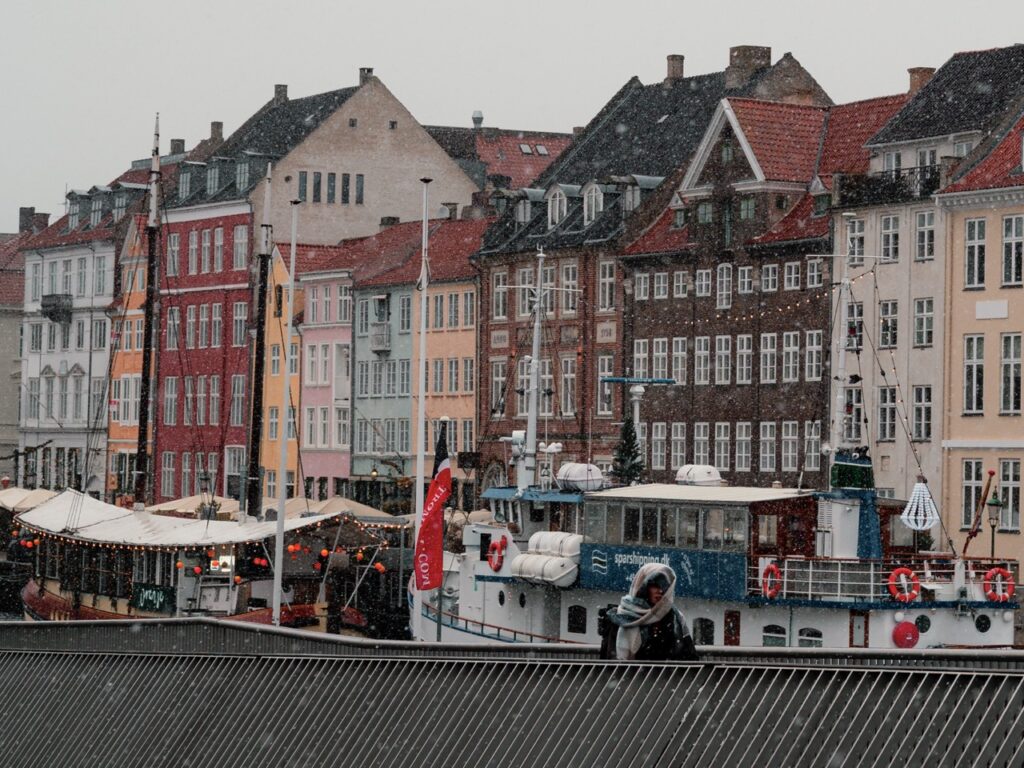
On the first day I went out with my new Nikon camera, we had a snowstorm in Copenhagen. Though initially hesitant, I figured this would be the perfect environment to test it. The outing went pretty well, and I never felt like my camera couldn’t handle the conditions.
While I was initially skeptical of the 0ºC (32ºF) minimum operating temperature, my camera has held up quite well in colder conditions. I used it in Helsinki when it was -10ºC (14ºF), and we had a particularly cold winter in Copenhagen in 2026. On both occasions, the camera was fine. I’m still a bit ambivalent, admittedly, and would recommend erring on the side of caution if you consistently shoot in super cold temperatures.
As for photography in the rain, I’ve found the Z6 II to be pretty good. I used it for landscape photography in the Faroe Islands, for example, along with on several rainy and windy days. This includes one particularly rainy day on a trip to Paris. I feel pretty confident that my camera will withstand most things that aren’t serious torrential rain.



The Nikon Z6 II Feels Great in My Hands
Frankly, I think that specs are irrelevant if a camera doesn’t feel good in your hands. You won’t use it much if you don’t like handling it.
To be honest, the Z6 II took some getting used to in this respect. It’s heavier and bigger than any camera I’ve ever owned. But now that I’m used to the camera, I really enjoy handling it. Most of the teething problems were actually because of my lens size (and that the XS-10 is quite small).

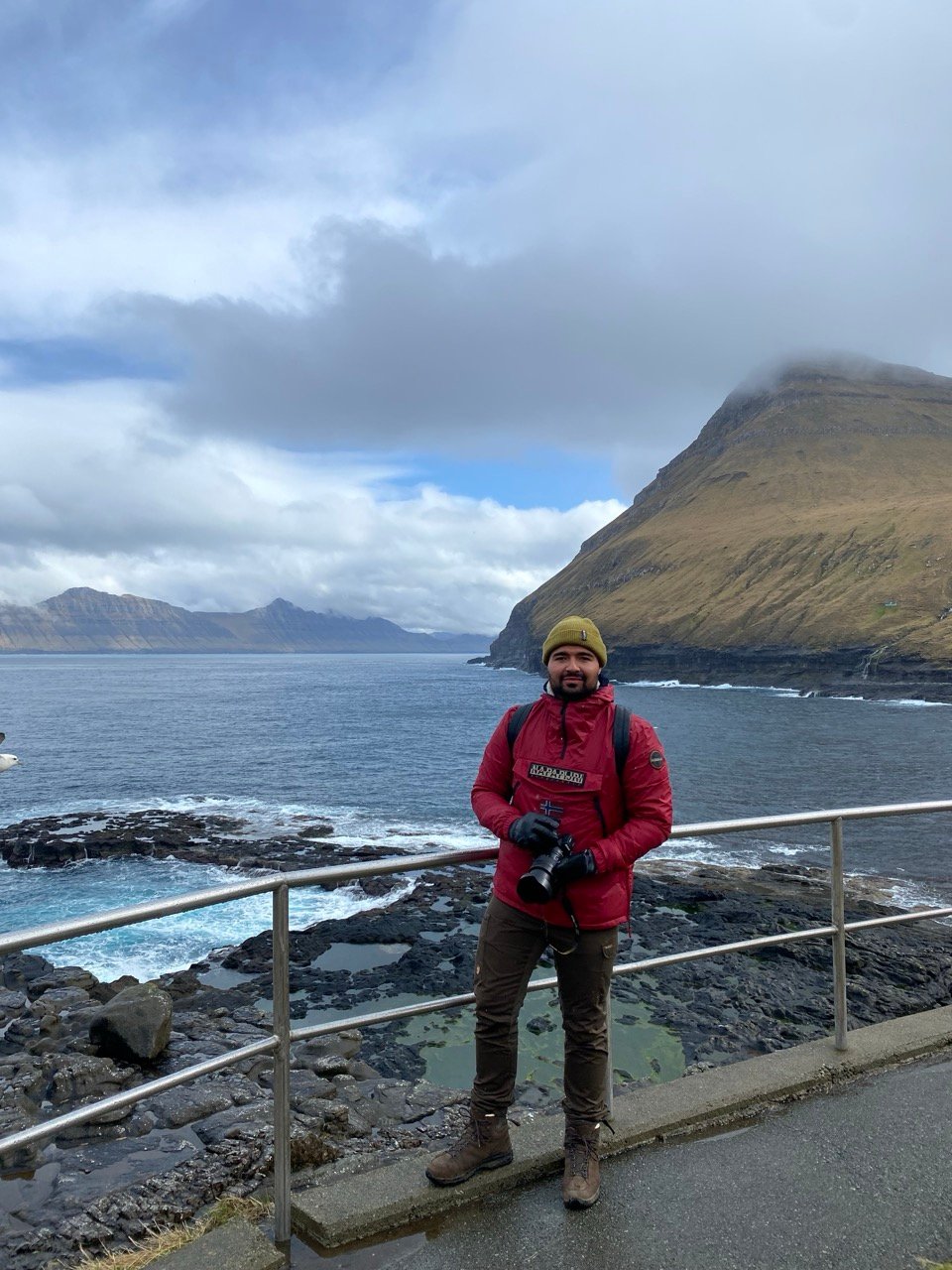
In particular, I really like the Z6 II’s hand grip. I initially wanted to buy the Zf, which I’ve heard is an amazing camera (and maybe I’ll get it one day). However, the fact that you need to buy an extra grip was why I opted for the Z6 II instead.
… But I Really Don’t Like the Silicone Eyepiece
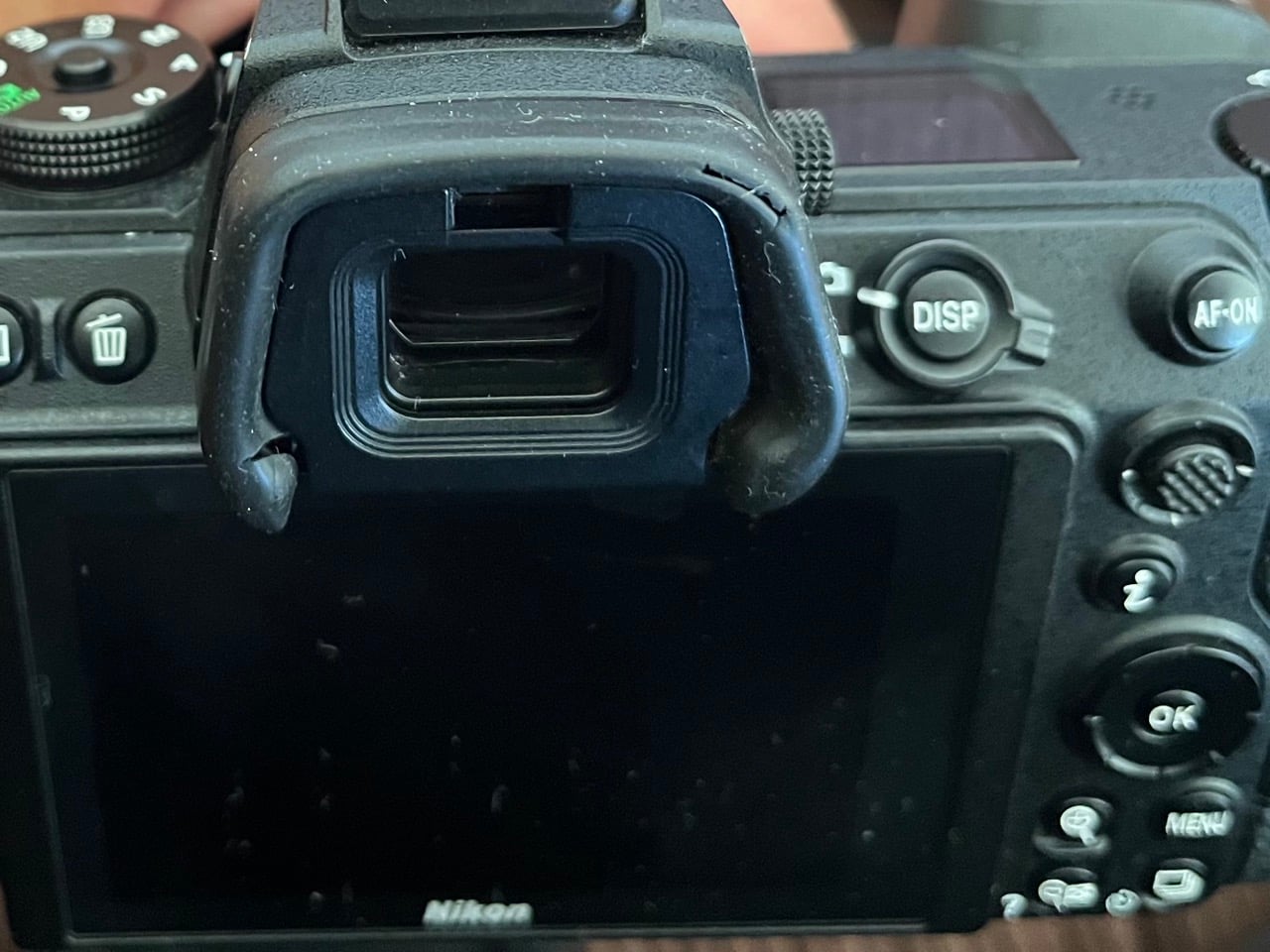
The silicone eyepiece covering the viewfinder is probably my least favorite thing about the Z6 II. Within a few months of using it, it already started to tear. This, I would guess, is because I put it in my normal backpack rather than a general camera bag. However, while I wanted something to use for this blog, I also wanted a camera for everyday use.
This isn’t a big issue, I guess, since it still does its job. But I personally find it quite ugly, and I’d also rather have an eyepiece with more solid material. Again, not a major problem, but something worth keeping in mind.
Overall Image Quality
This camera has a 24.5MP sensor, which—as someone who knew very little about what megapixels actually do—I first thought was very low. But after reading advice elsewhere, I realized it wasn’t a big deal. The Z6 II has *very* sharp images.
As you can see below, even the JPEGs look good without too much editing. If you want to go deeper, the Z6 II’s RAW files are also nice to edit.


As a side note: Make sure you change your image settings to RAW + JPEG after you buy the camera. I forgot to do this for my first photoshoot, meaning I only had RAW files 🙂.
Autofocus
I was initially positive about the Z6 II’s autofocus, but after more than 12 months of using this camera, I’m a bit less impressed. It’s fine, but I do think there are better cameras out there in this respect.
My main annoyance with the Z6 II’s autofocus is that it often chooses whatever is in the foreground. For example, if I want to photograph a cityscape but include some leaves in, it’ll often include the leaves unless I specifically tap on the screen where I want it to focus.
This isn’t a major issue, but it can get quite annoying. The good news is that the camera does have a good number of autofocus settings to choose from. I usually now keep mine on one of the auto-area AF setting but will sometimes switch to one of the wide-angle options.
I have also found that the lens you choose can determine how good or bad the autofocus is. Generally, I’ve had fewer issues using autofocus on my 40mm lens than the 24-70mm. I don’t think it’s a major issue for hobby photographers, and if anything, it’s more of an advantage if you’re taking portrait or product images. However, you may find it annoying in some circumstances.
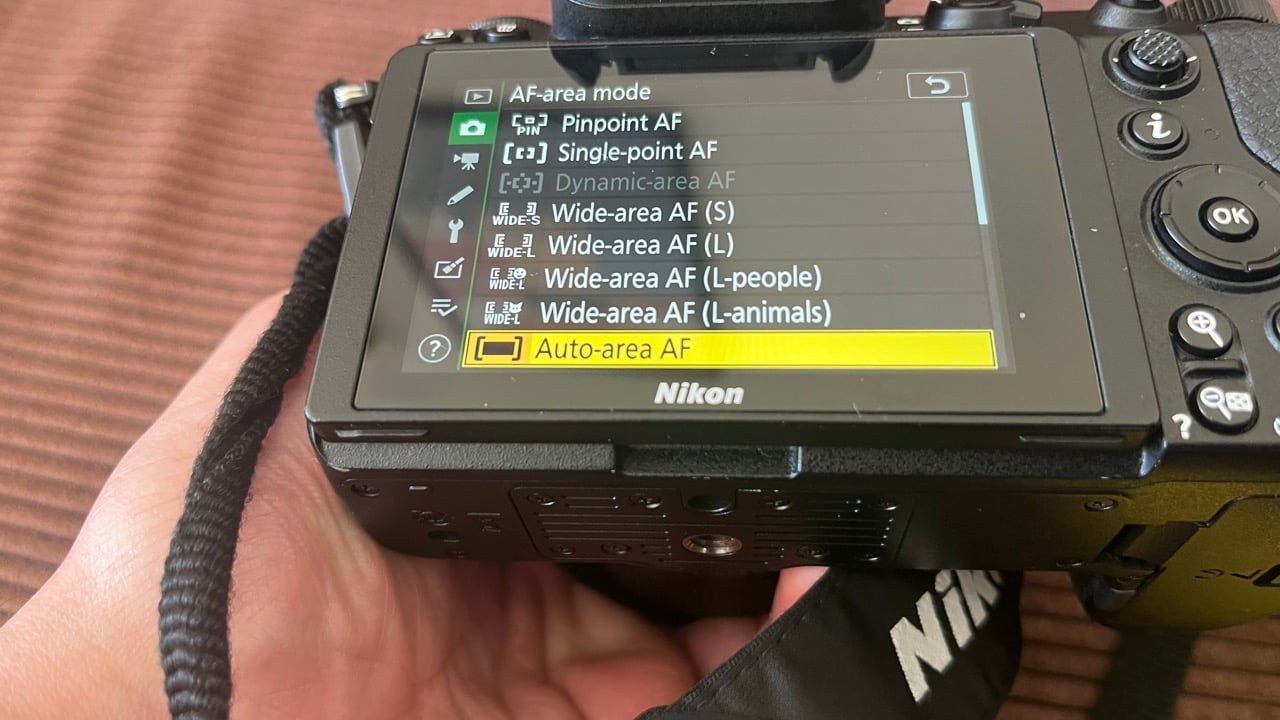
The Screen
I’m used to the XS-10’s foldable screen, so I must admit that the Z6 II took some getting used to. But while I would love to have a screen that goes into the camera, the Z6 II at least functions quite well. I also find that the glass is pretty durable, so not flipping the screen isn’t a huge issue.
I mainly use the screen to take pictures by tapping on the screen. Truthfully, I sometimes find this easier than clicking the shutter button.
Buttons and Dials
Since I came from a Fujifilm camera (and I’ve used a Nikon camera in the past), the buttons and dials on the Z6 II weren’t a huge culture shock. One thing that I like, though, is how there’s a lock on the mode dial. I used to find it annoying when my previous cameras sometimes shifted to a different mode when in my bag.

The other buttons and dials are quite simple. I can control the ISO by holding this button and moving the back dial, and there’s a +/- button with which I can control the exposure compensation. At the front is a dial for changing the aperture.
Even if you have no experience with Nikon cameras, I don’t think it’ll take too long to learn how to use these buttons. I can confirm that the camera is easy to use, regardless of the lens I’ve paired it with.
What I Like About the Nikon Z6 II
Now that I’ve broken down the different aspects of the Z6 II (and given you my opinions on them), I’ll go into more detail about what I like and dislike about this camera. First, I will begin with my thoughts on what’s good.
1. The Battery Life Is Better Than Advertised
I am always skeptical of battery life when buying a new camera. My Fujifilm batteries were not so great, so I ended up buying a Duracell rechargeable battery (which was fantastic). However, the Nikon Z6 II’s battery is pretty good.
Though it should officially last for 410 photos if you use the screen and 340 images with the viewfinder, but to be honest, I’ve had no issues taking more photos. I’ve been on photoshoots where I’ve taken 300+ pictures, and only 1 bar has disappeared from the camera’s charge.
Of course, your mileage may vary. For example, I know that my battery would drain faster in Finnish Lapland during the winter. But in most cases, I think this battery is pretty good. Still, it’s worth buying a spare.
2. You’ll Feel Like a Pro With This Camera
One big reason I bought this camera was to make a serious statement to myself. I wanted to show myself that I was stepping into the world of being a professional photographer. And I can tell you this right now: I certainly feel like one.
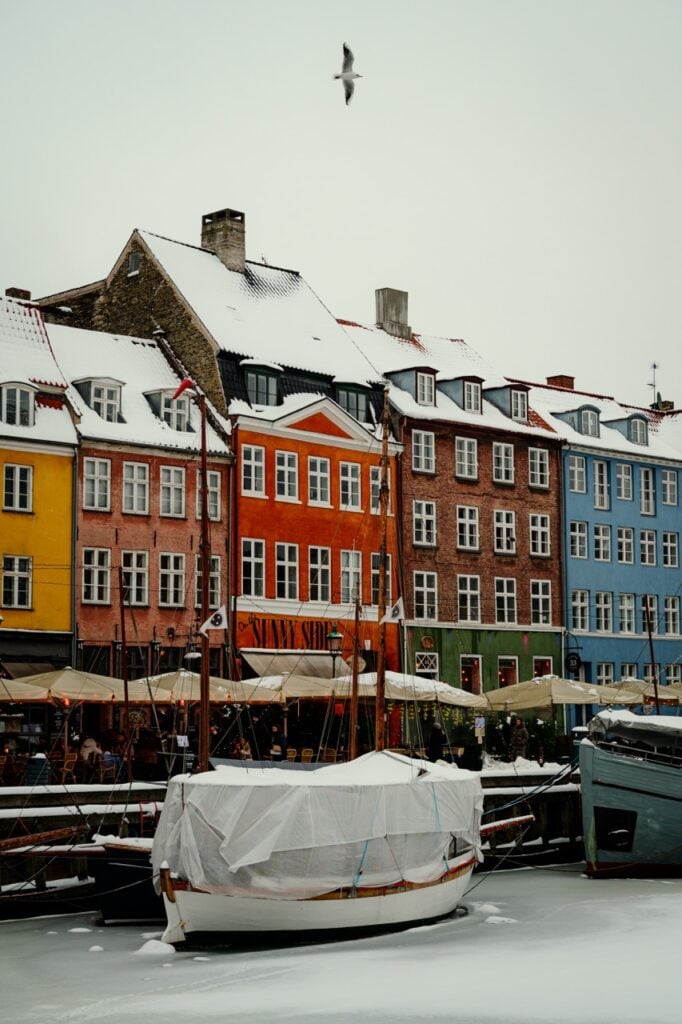
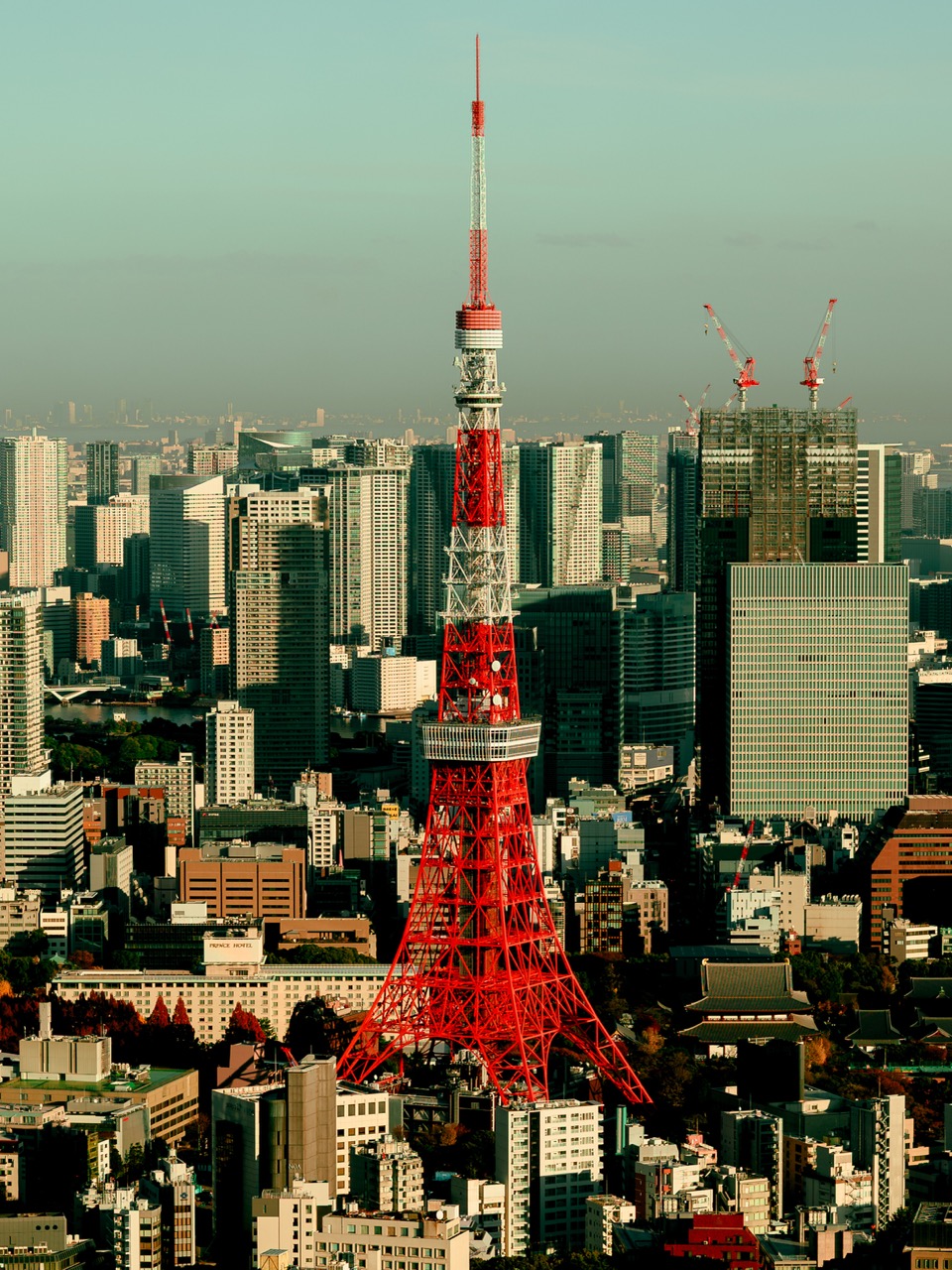
Though I loved my XS-10, the jump in quality with the Z6 II is significant. The camera feels like it could last a pro photoshoot without problems, and the build quality is excellent. If you’re in a similar position to me and want to really level up your photography, getting the Z6 II is worth considering. Just to convince you further, below are two edited pictures from the camera. 🙂


3. Solid for Hybrid Creators
You could probably get the Z6, and be fine if you were only interested in photos, but the Z6 II is a strong candidate for hybrid photographers and videographers. You can shoot at 4K and 30 frames per second (fps), and 60 fps is also possible (though it’s cropped for 60 fps).
If you’re just getting into videography or creating short-form content for Instagram and TikTok, the Z6 II is a solid choice. I’ve also used it for travel videos on my YouTube channel.
4. Manual Focus Is Surprisingly Easy to Use
Manual focus has always been a point of concern for me, and I’ve shied away from using it on every camera before. However, it’s incredibly easy with the Z6. It normally doesn’t take me too long to get the sharpness right, and the results are quite solid.
I’d still use autofocus for action photos, such as sports and street photography. But for landscapes, the Z6 II’s manual focus is quite beginner-friendly.
5. Supports Some Amazing Lenses
The biggest reason I wanted to switch back to Nikon was because of the company’s lens collection. I liked all of my previous DSLR lenses, and the NIKKOR Z range is fantastic.
I’ve already spoken about how much I like the 24-70mm lens I own, but there are plenty of other cool options. For example, I think that the 85mm and 50mm would both be great matches for the Z6 II, too.
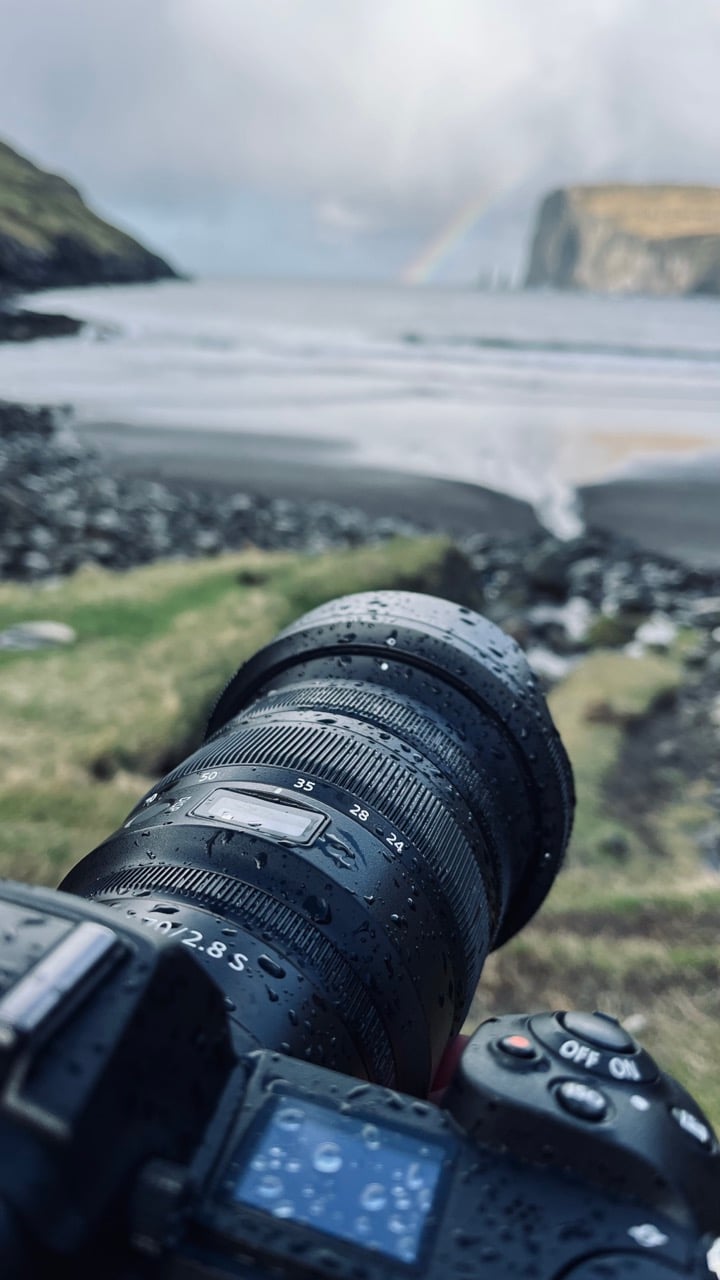
Since the Z6 II supports such great lenses, I can start building out a lens collection that I’ll use for years to come. I don’t really see myself switching from Nikon now, and if you’re in a similar situation, it’s worth getting the Z6 II to support your goals.
6. It’s a Bargain Now
Since the Z6 II was released in 2020, it’s no longer Nikon’s main mirrorless camera. This, for you, is good news; you can get a very strong device without needing to pay full price. For example, I bought my Z6 II for less than $1,500; I got it second-hand on MBP.
What’s even better is that this camera will continue serving you for years to come. It’s not just about being more affordable; the Z6 II represents genuine value for money.
7. Quiet Image-Taking
One unique thing that I like about the Z6 II is how little noise there is when I take photos. The shutter does make some noise, but it’s very quiet and honestly kinda theraputic. I love the sound it makes when I take photos at shutter speeds of 1/400 or faster. 😄
At the same time, the sound isn’t distracting. I’ve had some cameras in the past that will make a lot of noise when taking pictures, which besides being annoying also attracts attention. Because my Z6 II makes less noise, I can focus more on taking the shot and not being distracted.
8. Excellent Image Stabilization
I was used to great image quality with my Fujifilm camera, but the Z6 II takes this to the next level. I’ve taken handheld pictures as slow as 1/5th of a second with minimal blur.
I would not rely on handheld shooting with any camera for truly long-exposure photos, but the Z6 II’s image stabilization makes it a great general option for most low-light situations.
Find the Right Camera and Lens for You:
What I Would Change About the Nikon Z6 II
I’ve just raved about how much I love this camera, and there are definitely more pros than cons. However, I would be lying if I said that I love everything about the Z6 II. Below are some of the biggest disadvantages that I think you should keep in mind.
1. It’s Sometimes Easy to Take Pictures by Accident
I’ve accidentally taken pictures by clicking the buttons on all my previous cameras, but nowhere near as much as with the Z6 II. I’ve lost count of how many times I’ve accidentally tapped the screen, and when I go through my pictures later, I see random blurry shots.
Similarly, it’s easy to accidentally tap on the camera button because there’s no noise. You don’t hear anything when the picture is taken, nor is there something that clicks within the button itself.
2. The Camera Goes on Standby Too Soon
As you can see, both of these annoyances come from the fact that I often keep my camera switched on while out on a photoshoot. I do this because I want to easily take interesting pictures, especially in street photography settings.
However, I’ve noticed that the Z6 II often goes on standby much sooner than other cameras I’ve owned. I only need to press the play button to switch the camera back on, but it’s frustrating. When transferring pictures from my camera to my phone, this can sometimes cause the connection to drop.
Verdict: Buy the Nikon Z6 II and Spend the Extra Money on a Good Lens
Despite being five years old, the Nikon Z6 II is still amazing—especially if you’ve never previously owned a full-frame camera. It’s less expensive than some of the newer Nikon full-frame devices, but in my opinion, it’s more than good enough for most professional and hobby photographers.
I recommend getting the Z6 II and then pairing it with one of Nikon’s many great lenses. Think about your needs, but if you want a good all-rounder, I can 100% recommend the 24-70mm. This combination will do much more for you than just getting the newest camera body. While I paired the camera with some lens filters, these aren’t necessary.
Who Is the Nikon Z6 II Good For?
If you’re a travel photographer (like me), the Z6 II is ideal. You will need to sacrifice portability compared to many other devices, but to be honest, I still think it’s easy to fit this camera in your carry-on baggage. I also recommend the Z6 II if you’re a hobbyist who’s been using mirrorless cameras and now wants to upgrade.
The Z6 II is also ideal for hybrid photographers/videographers, and I think it does really well with portraits, landscapes, and architecture.
Who Might Not Like the Z6 II?
While the Z6 II has better autofocus than its predecessor, it’s still not the industry’s absolute gold standard. So, if you’re an action photographer (e.g., sports and wildlife), you may want to pick an alternative.
Sample Edited Images
Below are some of my favorite images I’ve taken on the Z6 II and edited in Lightroom 🙂