Reflecting On My First 12 Months as a Full-Time Travel Blogger
*Disclaimer: This blog is reader-supported, and this page might therefore contain affiliate links. When you book or buy through them, I may earn a small commission at no extra cost to you. It helps me write these in-depth and original guides, so thank you for the support! Full Affiliate Disclosure
From the very moment I started this travel blog in 2023, I knew that I eventually wanted to go full-time with it. The main reason was that I had tried lots of other random creative pursuits, which I wasn’t really interested in. I said to myself that “if the travel blog idea comes around in your mind again, you’re doing it”. It came around again, and I did it.
When I really want to achieve something, I like setting big goals to keep myself accountable. For my blog, I gave myself a 10-year window to eventually make it my full-time business. To achieve that within two years of buying my initial domain was—quite frankly—beyond my wildest dreams.
I officially went full-time on my travel blog on July 18, 2025. This was almost six years after quitting my last 9-5 job in London, which was on July 19, 2019; in the meantime, I had been a freelance writer. Symbolic, I guess, and it definitely felt like a “full circle” moment.
Besides moving abroad, choosing to go full-time on my blog is my best-ever decision. It hasn’t been easy, but there is nothing I would rather do with my time. Since one year is a pretty big anniversary, I wanted to write this reflection piece and share it with you.
Why I Decided to Go Full-Time on My Blog, Even Though I Didn’t Fully Feel Ready
Even though I initially set the 10-year timescale for going full-time, I realized quite soon that it would probably not take that long. In December 2024, I had already grown to around 10,000 monthly pageviews. When I was accepted into Mediavine Journey in early 2025, I began making a few hundred dollars passively from my blog each month. This gave me the belief that I could turn this into something bigger.
At the same time, I kept setting very high goalposts for when I’d go full-time. While I’m all for setting big goals, I think that the parameters for achieving what you want don’t need to be as high as you think. At first, it was when my blog overtook my freelance income. Then, I said “no, it has to be making $10k/mo” first because that was what I saw as being the holy grail. (Spoiler alert: You don’t need to be making that much to turn your business into a full-time thing unless you live somewhere super expensive.)
Eventually, I set my parameter as something much lower and told myself this:
Once your blog covers your monthly living and business expenses after tax, you will wrap up your outstanding freelance projects and go full-time.
I remembered from when I quit my job to go freelancing that you will never feel truly ready, and the same thing applied here. If I waited until I felt like that, I would be waiting a very long time.
The other reality is that around March/April 2025, I was increasingly starting to feel overwhelmed and burnt out. I was waking up at 05:00 each day to spend a few hours working on my blog before going to the gym and doing my client work. I also was doing my final Danish exams, which involved a lot of extra work outside the Saturday morning classes. My Danish exams were ending in a few months, but even then, I felt like I needed to drop quite a lot or I would constantly feel suffocated.
As my travel blog started making more money, I did wind down my client projects. But even though I wasn’t working as much, I still felt like my mental attention was being divided into too many areas. I also didn’t feel like I could fully commit to those projects anymore when my mind was wandering elsewhere, which I didn’t feel was fair to the people I was working with.
I also, as the year progressed, kept having a bigger and bigger desire to own my own thing. This has always been a thought inside of me from the moment that I realized you could make money from working online. I also knew that every time I’ve taken a risk that seemed too early or out of my comfort zone, it has initially been difficult but then worked out.

How Has It Been So Far?
I’d say that it has been challenging but rewarding. For the most part, becoming a full-time creator has required a lot of mindset shifts that I expected but couldn’t really have prepared for.
I used to think I was quite good at eliminating meaningless tasks, but my first few months pulled up a mirror to just how much time I was wasting before. I’m definitely much better in this respect now, though. Reading the book Pseudowork by Dennis Nørmark and Anders Fogh Jensen was a huge eye-opener, as was re-reading Greg McKeown’s Essentialism.
Adopting a “lifestyle-first” approach was also a major shift. Beforehand, I pretty much had to hustle and grind for the last 10 years. However, I always had one eye on working fewer hours and having more time for other hobbies. It’s very easy to get trapped in the “when I do Y, I’ll finally do Y” mentality, and at some point, I needed to just say “you’re supposed to live life now, not in the future”.
I’m not going to sit here and complain, though, because the truth is that I’ve hit the jackpot. I get to work on the exact thing I would do each day if I already had unlimited money. I feel immensely privileged and grateful, and I’m also happy that I can fully pursue my creative interests.
My Top Highlights From My First 12 Months of Going Full-Time
Two main highlights stand out from my first 12 months as a full-time travel blogger, and I’ll speak about both of them below.
Getting a Paid-For Collaboration Trip to Iceland Was the Undisputed Highlight
To be totally honest, I don’t really do many brand partnerships out of choice. I get dozens of these each day, and I either ignore or say no to 99% of them. It takes something being a true “hell yes” for me to actually do something, which was precisely the case when I was emailed by Travelbase for a collaboration trip to Iceland.
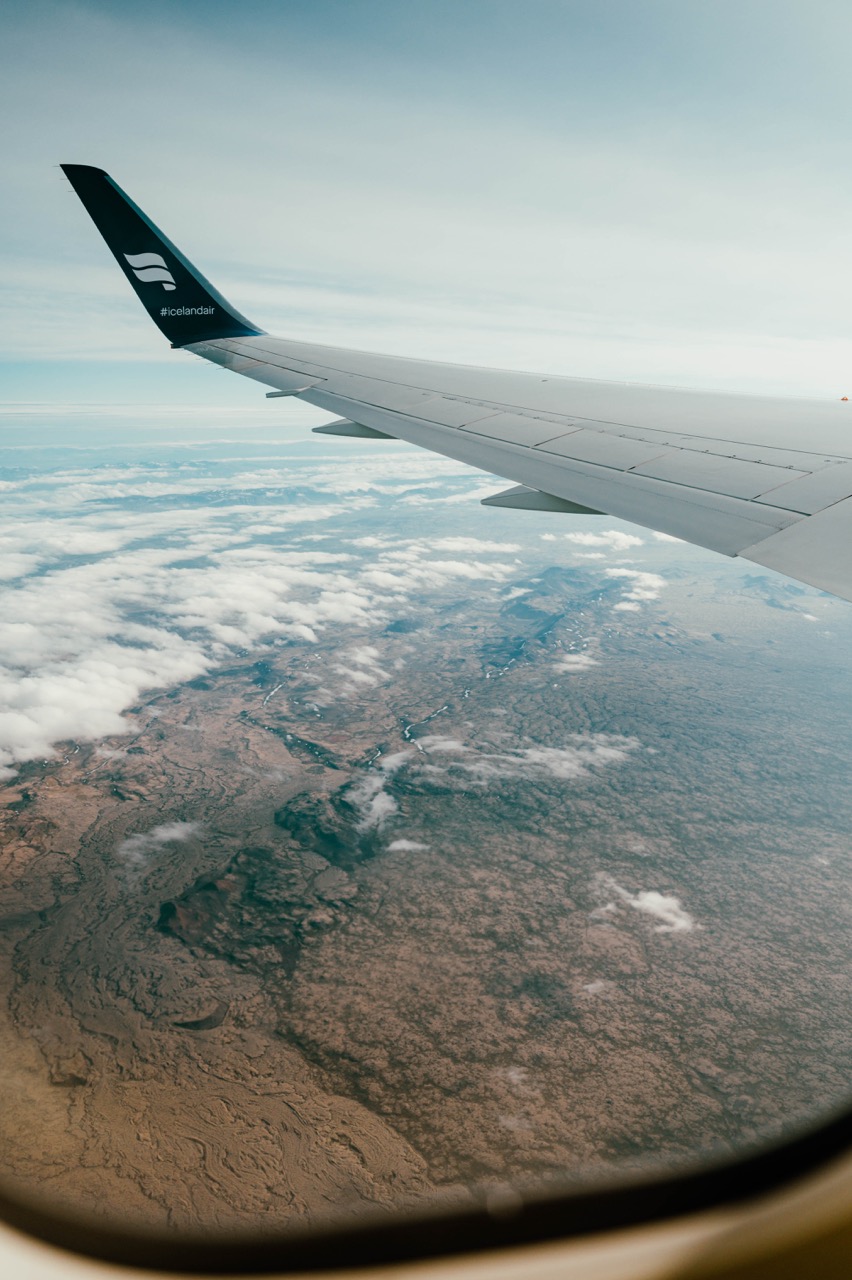
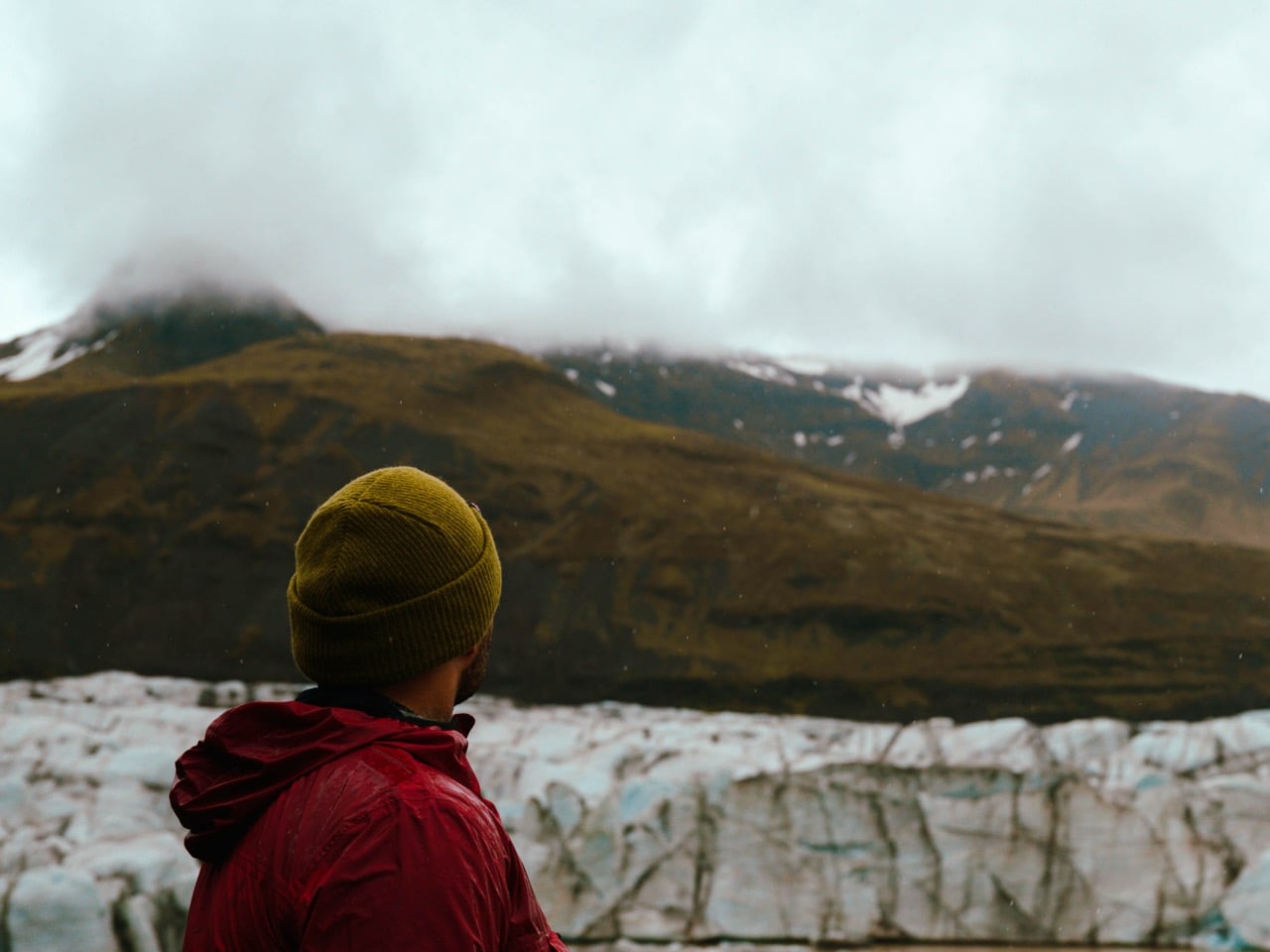
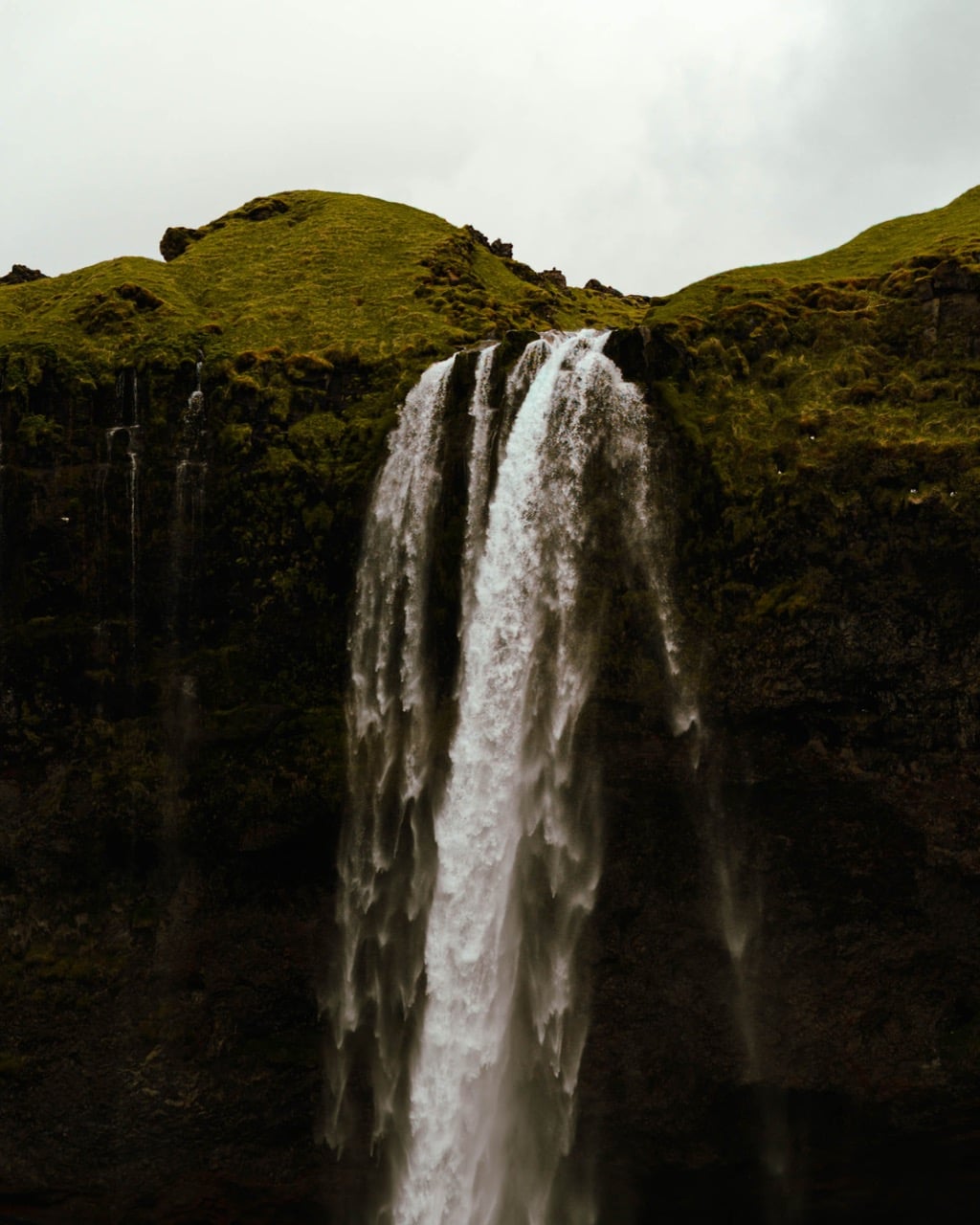
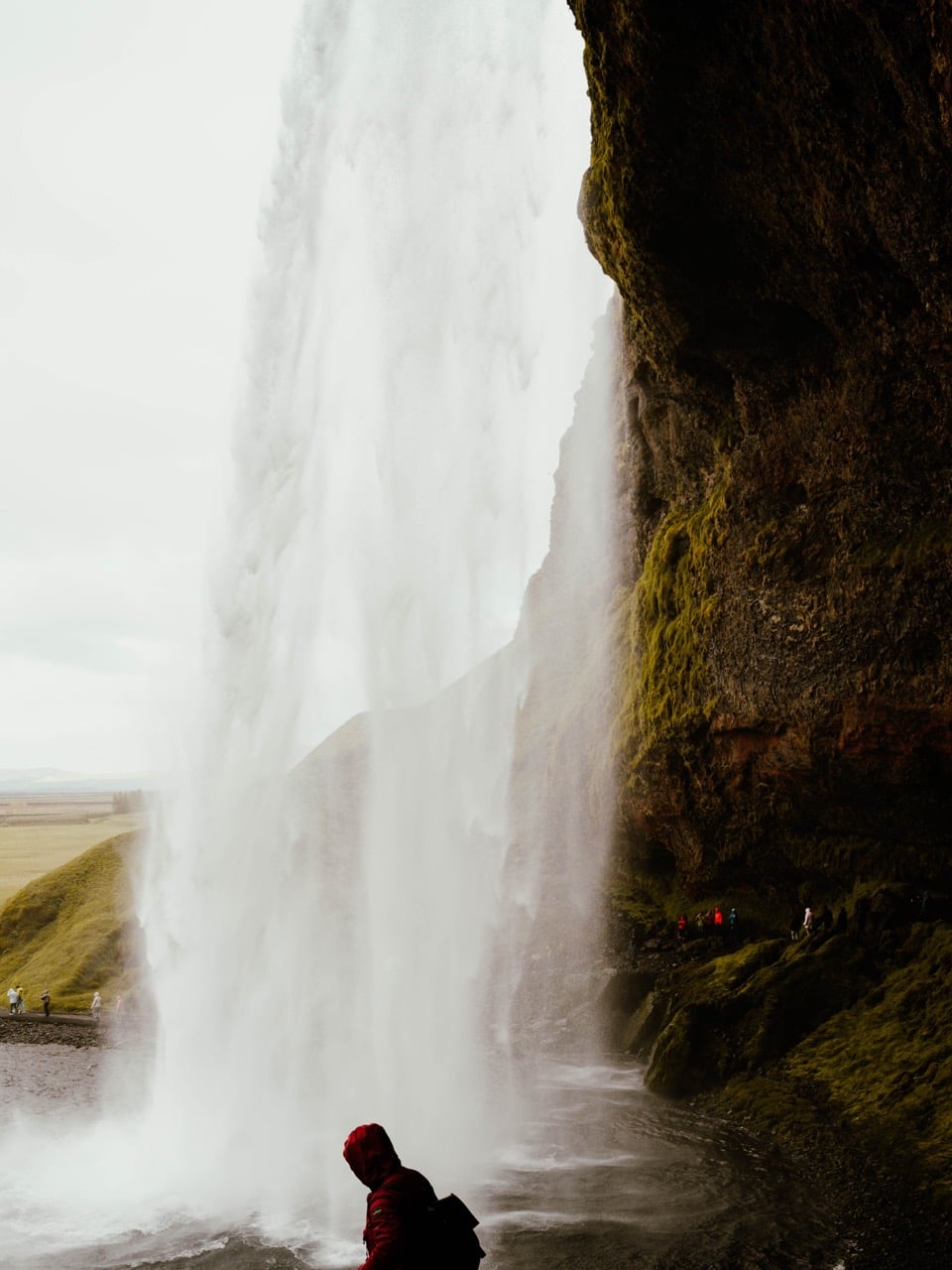
This trip was when I realized that “oh, this is what I actually do with my time”. It was my seventh trip to Iceland and my favorite so far. I got to spend 10 days exploring the Ring Road and Snæfellsnes Peninsula, and it’s a partnership that I can see growing into something successful over the long term. Beyond that, it was just a lot of fun.
It also validated my decision to only say yes to things that actually excite me. In my opinion, I enjoyed the trip more because I turn down the majority of collaboration opportunities.
Visiting Japan for 2 Weeks Was Also Up There
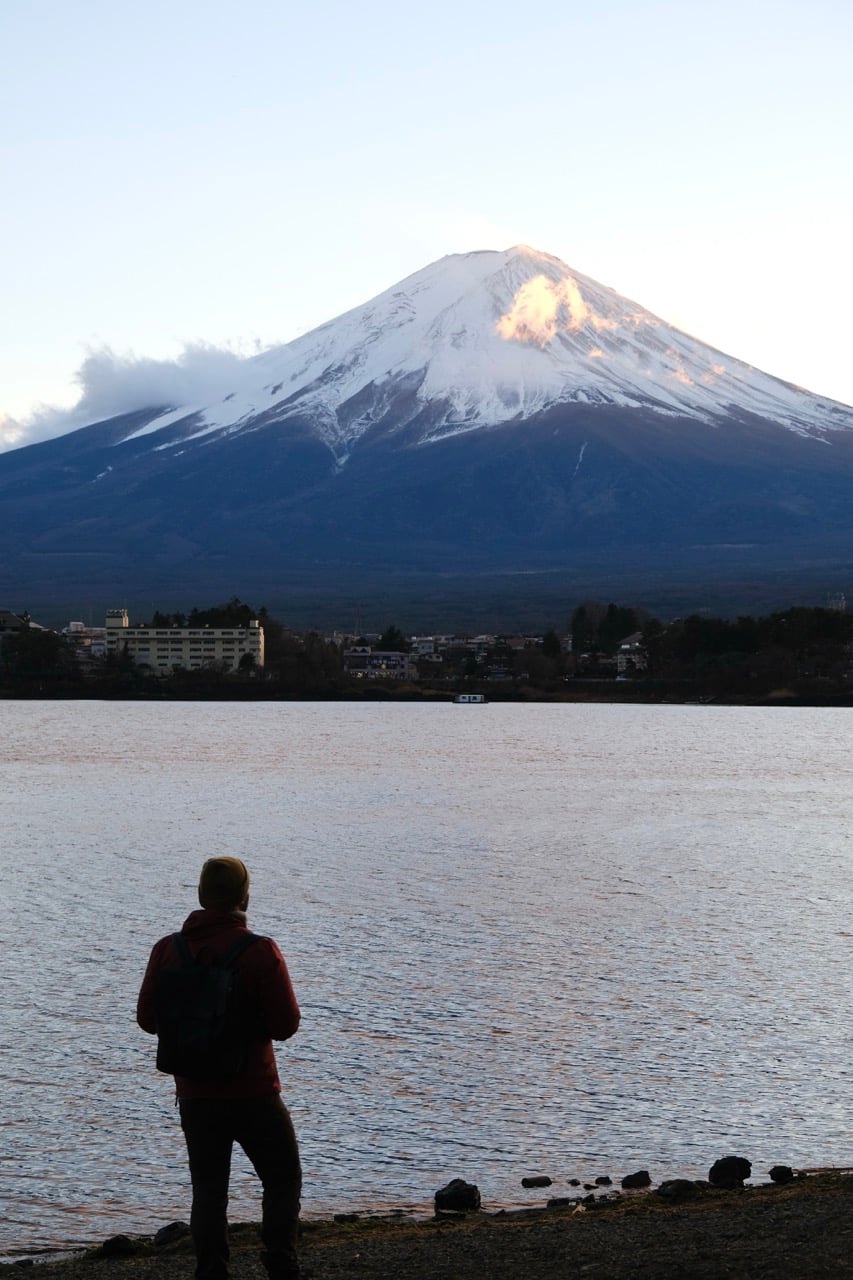
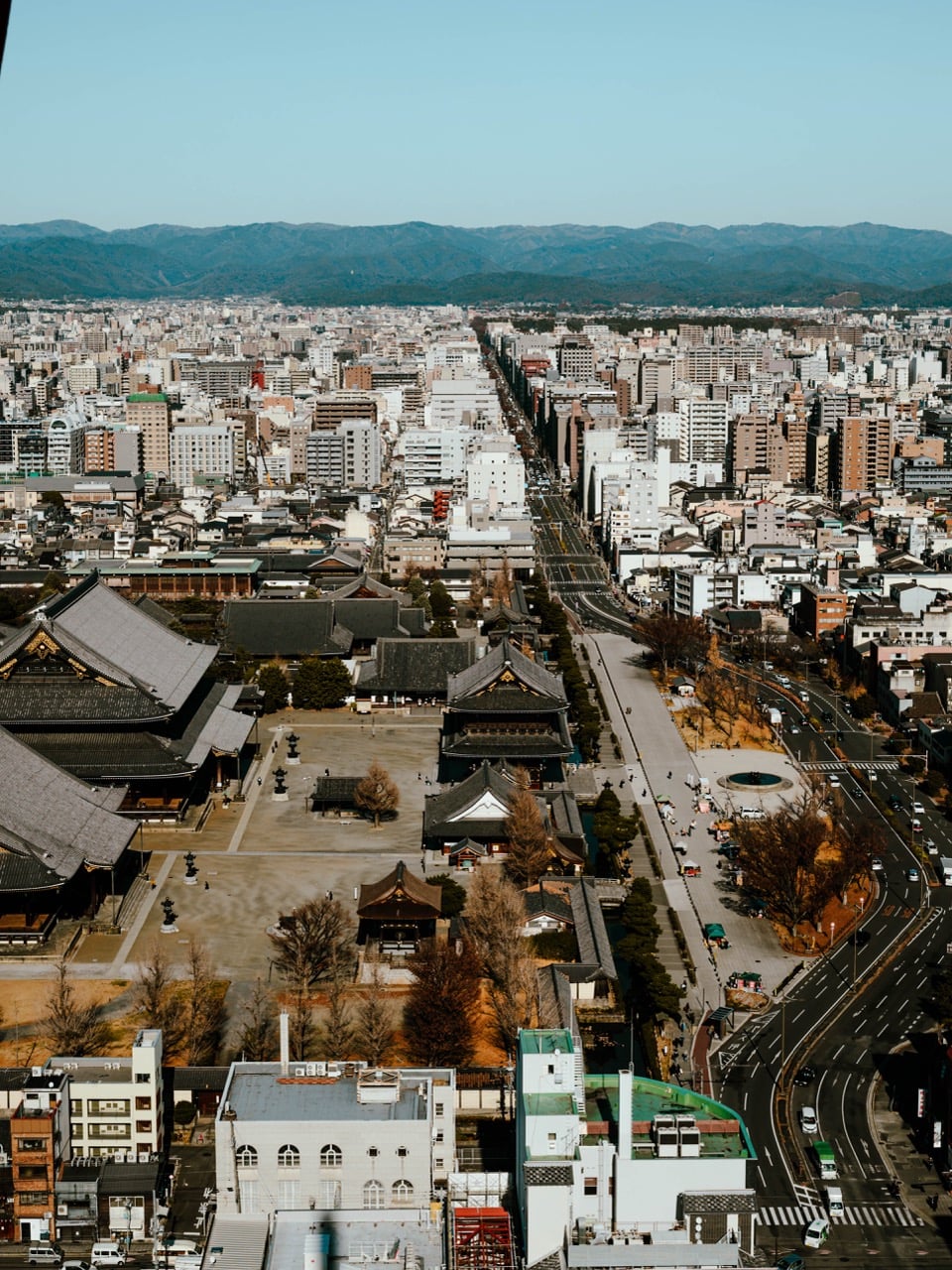
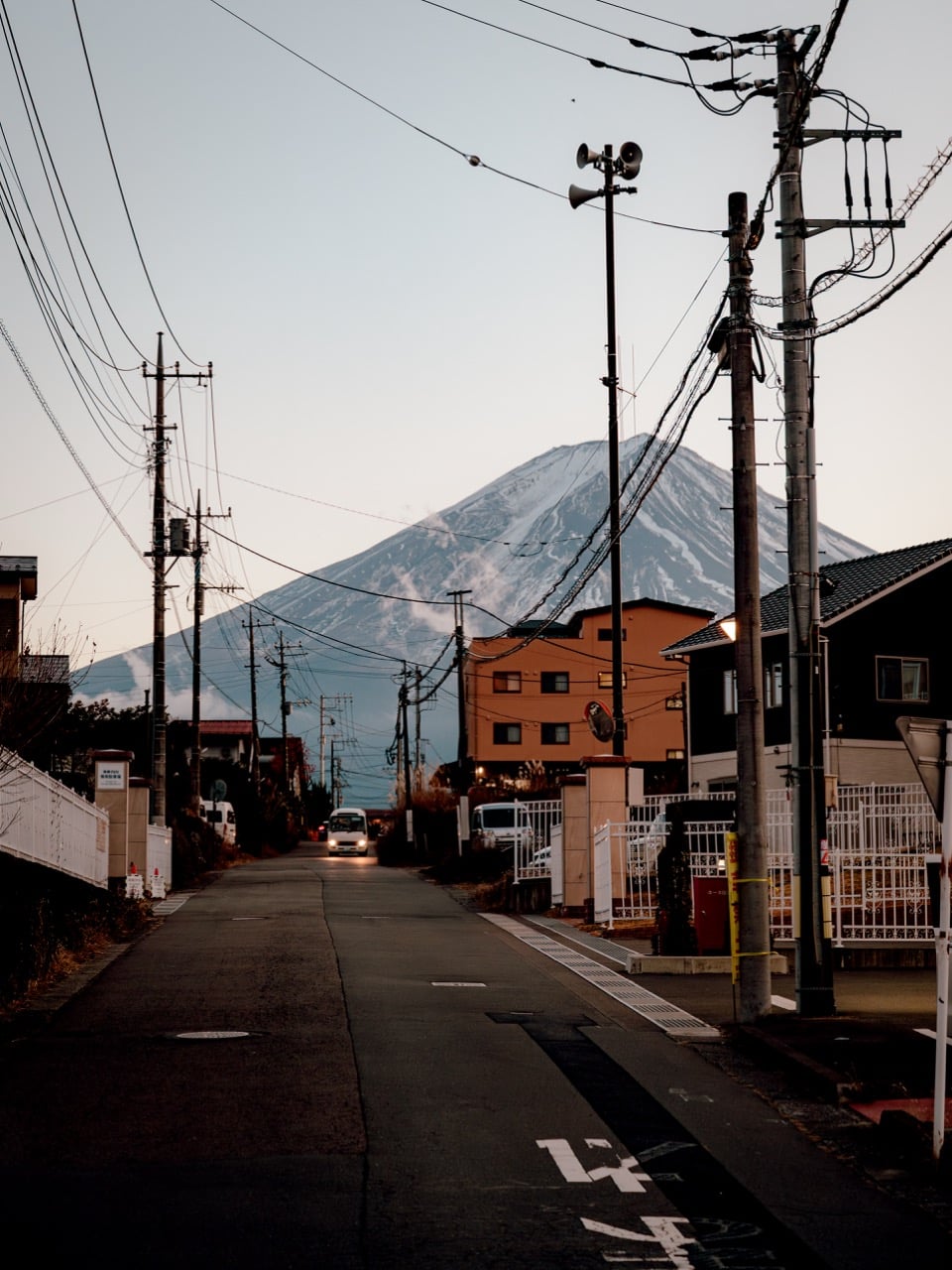
Japan was not a collaboration trip, but rather a spontaneous decision from my girlfriend and me. We found decent-priced flights; since visiting was at the top of our bucket lists, not going would have been foolish.
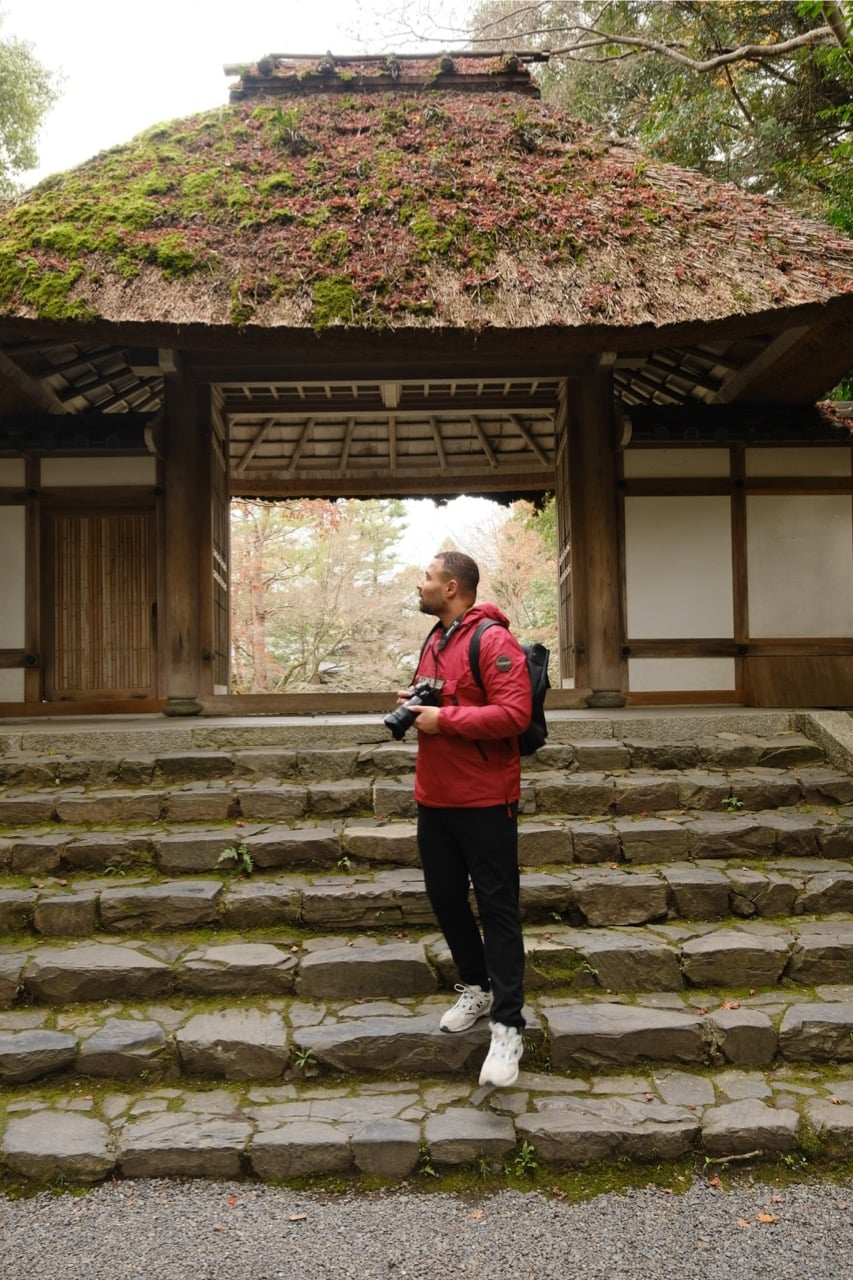
I already knew beforehand that I would enjoy visiting Japan, but the country still exceeded my sky-high expectations. We spent two weeks and saw much of the Golden Route, though going everywhere in Japan with such little time is impossible. I will visit multiple times in the future, and besides loving it there, it’s also going to form an important pillar on my website going forward.
Visiting Japan was also important on a personal level. Up until then, I had been terrified of stepping away from my blog. However, people kept visiting my site, and money kept coming in—even though I didn’t work for the whole of December 2025. Focusing more on work-life balance has become much easier since then.

Does My Blog Support Me Financially?
This is the question I get asked all the time whenever I tell someone what I do, so I figured it made sense to include it here. 😄
I don’t actually blame people for asking this question, because if you’re not a creator, monetizing your own projects can seem like a bit of an illusion. In short, my travel blog generates a full-time income that allows me to live in Copenhagen—which is a notoriously expensive city.
I will, however, break down my actual figures as I always found it useful when other bloggers did this. So, without further ado, here’s my blog income from my first 12 months as a full-time creator. I’m going to cover my main revenue streams that do most of the heavy lifting and quote figures in USD. I’ve also added screenshots from my dashboards:
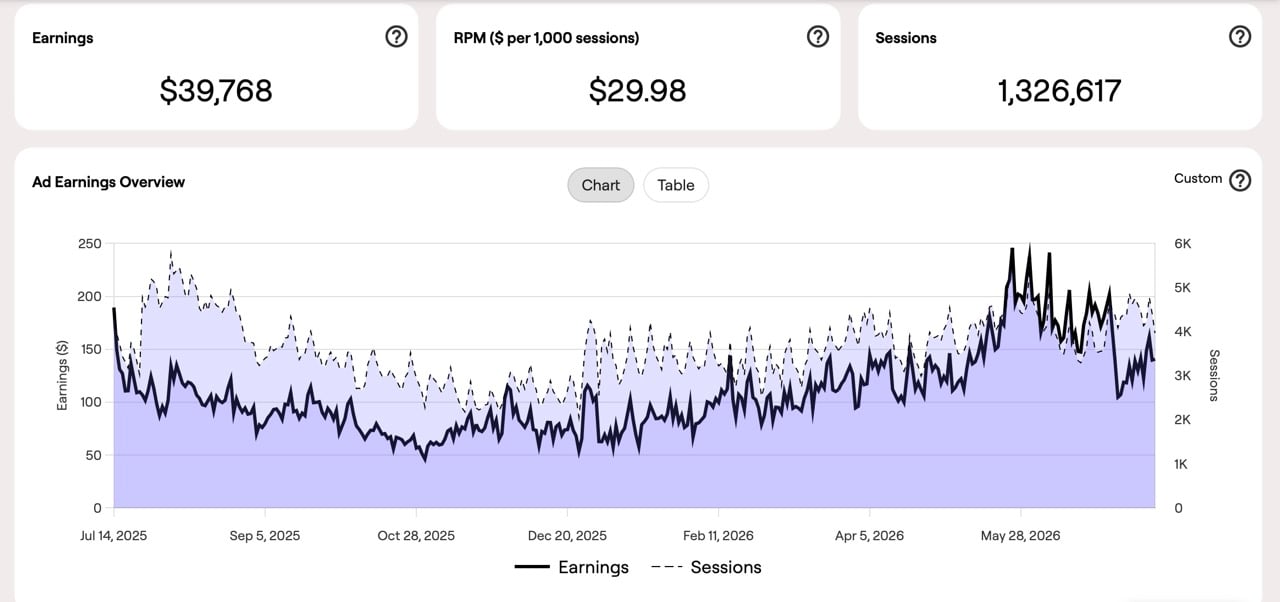
Ad Revenue From Raptive: $39,768
Affiliate Income From Travelpayouts (I centralize GetYourGuide, Viator, etc. via their dashboard): $19,977.89
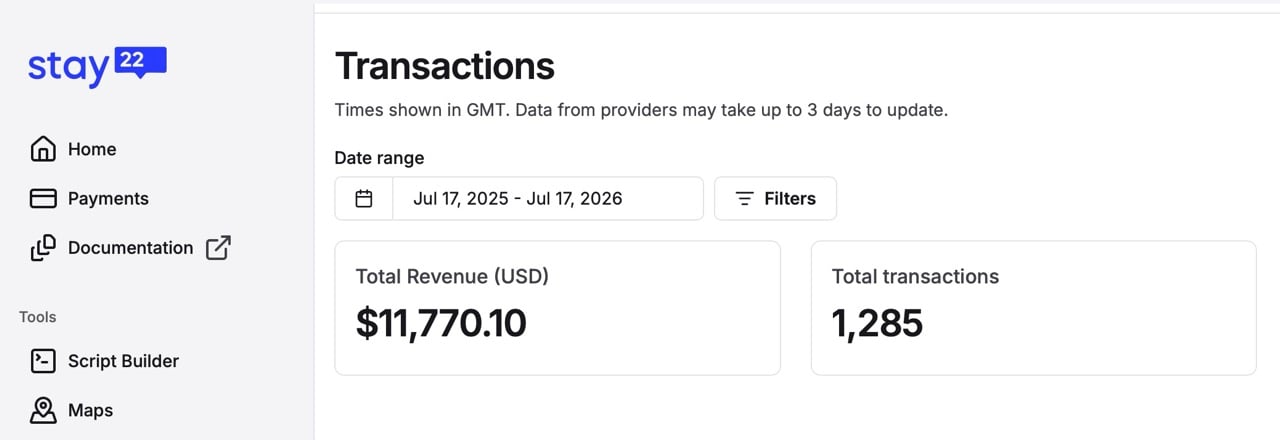
Affiliate Income From Stay22 (I use Stay22 mainly for accommodation bookings—bear in mind that I removed the tool for a month between May and June 2026): $11,770.10
Other Affiliate Programs (e.g., Guide to Faroe Islands and GoCity) and Digital Products (e.g. My Copenhagen eBook and Google Maps Legend): c. $950
Total Income: $72,465.99
Some Useful Context Behind These Numbers:
- This is my income before tax and expenses. I’ve reinvested a lot of this money back into my business through trips, upgrading my website hosting, etc., along with basically pumping all my savings beforehand into making this business work.
- During this time, my blog received 1.32 million sessions and 1.59 million pageviews.
- My revenue fluctuates seasonally; summer earns more than winter, though I’m working on balancing things out a bit more.
- A lot of this revenue actually came in 2026 rather than 2025. Things went on a big upward trend after March 2026 in particular. 😄
- I have done next to zero promotion on my digital products, which I’m planning to increase over the coming 12 months.
I actually didn’t know that was my overall figure until I started writing this article, and I have to say that I’m pretty happy with this. For my first year of going full-time, and with the constant changes to the industry, I think this is very solid.
More than anything else, this shows me proof of concept. It’s a solid building block, especially considering that when writing this article, I’ve only focused on monetization properly for a few months.
What Do I *Actually* Do With My Time?
This is another question I always used to wonder about, and it’s naturally something that others also ask me.
To be honest, I don’t travel anywhere near as much as you might think. I take a few big trips per year and then sprinkle in some city breaks and nearby day trips/overnight stays. I love to explore different places, but I don’t like being constantly on the move. Plus, I like my day-to-day routine.
If we define working as “being at my computer”, I generally “work” for around 15 hours per week on average. My brain is constantly switched on and thinking of new ideas, though, and I guess that traveling when I do technically counts as work. However, I’ve noticed that spending more than 20 hours per week on my computer is when my content quality drops dramatically. So, I now set stronger boundaries.
Most of the time spent at my computer is spent writing and editing blog posts. I aim to publish one new post per week, but it’s sometimes more and sometimes less. It really depends on what my schedule looks like, and I don’t stick religiously to this schedule.
I also spend a decent chunk of time updating my existing posts. Besides ensuring that all information is accurate, I add new photos and sections where it makes sense. For older content, I also look for ways to improve monetization.
Since I only include original photos on my blog, I spend around a day each week editing photos. Many bloggers hate photo editing, but I actually quite enjoy it.
Otherwise, I check my emails around once per week and post pins on Pinterest when I publish a new guide.
As for social media, I post whenever I feel like it on Instagram. I really dislike short-form content, and creating Reels is draining to me. Moreover, I feel like social media is purely optional for me. I adopt a “speak only when you have something to say” approach, and I also block access for every day except Wednesdays.
I’ve deliberately designed my business in a way where I only do tasks I actually want to. Doing stuff I dislike makes no sense, and I really don’t care if I’m leaving money on the table by not jumping on every trend. My inner peace and general well-being are both non-negotiable.
The Biggest Lessons I Learned in My First 12 Months as a Full-Time Travel Blogger
1. Basically Everything Is a Vanity Metric
My site traffic grew from 10,000 monthly pageviews at the start of 2025 to around 170,000 just six months later. And do you know what my biggest lesson was?
Traffic without intention is a vanity metric.
I’ve had several days where, despite having fewer site visits, I made more money. Similarly, some of my articles with 900 monthly pageviews outperform those with over 15,000. I also had the traffic for one high performer drop by 40% after a Core Update, and yet, it earned me more the following month because the monetization was better.
Rather than focusing on pure traffic numbers now, I think about how each article fits into my ecosystem. I also don’t shy away from writing guides that I think are informative, even if SEO software says they don’t have the keyword volume. One nice side benefit of not needing lots of pageviews is that I’ve stopped constantly checking my Google Analytics dashboard and subsequently improved my mental health.
A big hot take I have is that money can also be a vanity metric. In my opinion, solely chasing revenue figures is foolish and leads to making decisions that you aren’t fully aligned with. For me, money all feels the same after around $5,500/mo (and that number would be less if I lived in a less expensive city). I’ll speak more about this later.
2. If You Don’t Want to Write It, Nobody Wants to Read It
Everyone has an opinion on how you should approach travel blogging, and no approach is necessarily better than the other. One thing I have always pushed back against, however, is that you need to write about topics that don’t interest you to be successful.
I always disliked writing about things that didn’t interest me, even as a freelancer. I have done it a few times, and I immediately felt gross. People can tell when the creator didn’t want to write what they did, and if you show no enthusiasm, why should they?
My mantra now is very simple: I only create content that I would want to consume, and I only talk about topics that interest me.
Naturally, this means that I’m not “maximizing” my traffic. But again, I don’t care. My goal is to have a business that I enjoy and a lifestyle I don’t want to escape from—not something that I need to endlessly scale.
This, by the way, is also why I’ve kept my blog somewhat flexible. I only cover destinations that I actually wanted to visit, and if I write about something slightly different, it’s because that’s what I felt called to do in that particular moment. When I travel, I choose places I’m naturally curious about and not those that I think have the best SEO potential.
3. Your Intuition Is the Most Reliable Online Business Advice That You Have
Most of the success with my travel blog has come from following my intuition and not blindly implementing everything that someone else says. Everyone sharing their advice online, including me, is only talking about what worked for them. That does not, however, guarantee that it will also work for you.
This is something that I also found as a freelancer, too. Whenever I tried to shoehorn myself into someone else’s idea of a business, I got worse results. On the flip side, whenever I do things the way I want to, I get better results. I was about to say “even if unconventional”, but perhaps my results were because I took a different route.
Besides writing only about topics that interest me, I’ve done this with my travel blog in many other ways. For example, even though many creators make brand deals a core part of their business, I did not want to do so and therefore spend next to no time doing outreach. Again, nobody is right or wrong here—it’s about what works for the individual.
4. The Best Ideas Come From Solving Your Own Problems
Now I’ll have another hot take: I think that if you’re searching for business ideas online, you’re already at a disadvantage.
I have tried countless business types over the years. I’ve started YouTube channels about topics that were supposedly the best for CPM, for example, and blogs about topics I had no interest in. Similarly, I thought about starting a content agency because “well, it’s the next level up from freelancing”.
I quit all of these because I didn’t enjoy them, but also because I did not have the knowledge required to truly excel. With my travel blog, I simply answer the questions I have when I travel myself.
My thinking when I started was that I’m not really that special. There are probably at least another million people who think like me, and a decent chunk of those who like to travel in the same way that I do. Therefore, they likely encounter the same challenges that I do. Doing this makes it incredibly easy to come up with new ideas.
5. You Can Monetize However You Want
Another hot take: You can make money from a creative pursuit online without selling your soul.
Look—how you make money is just as important as how much you make. In fact, I’d argue that it’s even more so. I never liked this idea that to make money online in general, you have to basically dupe your audience.
Similarly, I think you can make money from a travel blog and still actually enjoy your business. Anyone who thinks otherwise is, in my opinion, projecting their own narrow-minded view of the world.
I remember listening to a podcast episode from another blogger called “Not Every Income Stream Is For You”, which pretty much summed up my thoughts. Just because certain ways to monetize exist does not mean I have to pursue them.
For me, I enjoy recommending tours, hotels, products, etc., that I enjoy from my own IRL experiences. I’m also happy to run ads on my website, and even here, I’m strict with them. For example, I email my ad network to block advertisers that I don’t like and also only accept recommendations when they align with my values. This is precisely why I’ve turned off categories like politics.
Just because you have an unconventional idea for how to monetize doesn’t mean it’s impossible. I will continue to make money in ways that align with who I am, and if these change over time, so be it.
6. The Grass Sometimes Is Greener, Actually
I’ve always hated the saying that the grass isn’t always greener. While true in some cases, I think that it’s very misguided for career changes and starting your own business.
If you’re already thinking that a different approach would be better for you, it probably is. This was true when I quit my job, and it was also correct when I went full-time on my blog. It’s the same thought I have about “not everyone can be an entrepreneur”: Sure, but those who are thinking of being one probably can.
Staying in a situation you don’t like out of fear makes absolutely no sense to me. It never has, and it never will. When it comes to building a business or changing your career, you can always go back if it doesn’t work out. It’s probably more likely to work out than you think, though.
7. You Can Choose to Win Much Sooner Than You Think
I spoke a bit about this earlier, but this was a particularly important lesson for someone like me. I’ve always been a high-achiever and set my sights very high, and I can frankly admit that I definitely have an ego. For the longest time, I looked at lowering my parameters as a failure.
The truth, however, is that it allows for much bigger success. For example, I still wouldn’t have gone full-time on my blog if I set a ridiculously high revenue metric for my parameter. By saying that it just needs to cover my expenses after tax, I could then free up the time to build this business way beyond that in the future.
I’m not saying to “be realistic” here, by the way. I detest that term with every bone in my body. I still think it’s a good idea to have big dreams, but I am just saying that you don’t need to reach lofty heights before you start winning.
8. Set Very Clear Boundaries Early
The jump from being a small-time creator and a hobbyist to someone who gets millions of views per year isn’t something spoken about very often. This makes sense, I guess, since it’s a very rare thing to do. Even though I set out to build an audience that I like from the get-go—and successfully have done so, IMO—I didn’t think about other aspects.
Throughout my blogging journey, I’ve sought to keep my private life private. Similarly, I also set boundaries in how I communicate. I’m willing to speak to people who either have questions or constructive feedback, but I refuse to engage with trolls and people looking for drama. I used to think “yeah I’ll be that guy who just roasts them all”, but now I’m like “ngl I have better things to do with my time”. Besides it being a waste of energy, the truth is that people who don’t like you will not suddenly start liking you just because you appease them.
I’ve also learned the importance of setting expectations in general. I make it very clear that my blog is a business, and yes, I do monetize with affiliate links and ads. Even though I do so as ethically as possible, some people have this weird dislike for creators who make money and sell things.
Setting this boundary and expectations automatically repels people I don’t want in my audience. Again, as I said earlier: People who dislike you won’t change their minds because you appease them. Not monetizing just because someone believes that making money with a travel blog is bad makes no sense. Letting other people’s opinions determine how you live your life is a terrible idea, if you ask me.
I haven’t been perfect here, but I do think I’ve done a better job than most. I occasionally get troll comments from people evidently miserable with their lives, but these are few and far between. Similarly, my followers know that they’re coming to me strictly for travel tips and respect that boundary.
My Plans Going Forward
I deliberately used my first 12 months of full-time travel blogging to get used to what was a pretty drastic change from what I was doing before. Now that I have a solid base, I’ve already been thinking about how I want to run my blog and build my business in the long term.
1. Focusing Less on Algorithms
Thanks to my experience in both blogging and freelance writing, I know quite intuitively what will rank in search engines. However, I feel like only focusing on SEO isn’t a good long-term strategy.
Instead of just trying to drive traffic, I’m now thinking more about my overall ecosystem. In addition to search engines, there are plenty of ways that people can find my content. Only focusing on keywords would hinder this, and I also feel like I have more useful ideas than some random graph can ever show.
Most of my early success came from not even thinking about algorithms. I wouldn’t say that I’ve ever fully relied on them anyway, but I now want to cement a writing style where I use my intuition. It’s a subtle E-E-A-T flex, too, so I think it will only benefit me going forward.
2. Slowly Diversifying My Revenue Streams
I do agree with the need to diversify your income streams as an online creator, but I don’t like how many people go on about it. Some people act like you can do 10 different things at once; I can say from personal experience that doing so is a guaranteed way to make zero progress in any area.
Throughout my blog’s journey, I’ve focused on diversifying slowly. I didn’t even think about digital products until I was making reasonable money from ads and affiliates because both of those monetization methods require a lot of attention. Now that I have a solid base, I feel like I’m in a good position to think about other ways to generate income.
I’ve got quite a few digital product ideas already, but I also want them to be good. And to be honest, I have also been thinking about physical products. Over the next 3-5 years, my aim is to build out at least one or two more reliable revenue streams.
3. Leaning More Into What Makes Me Unique
I’ve always had multiple interests, and bringing the insights I get from each of these has helped me stand out. For example, I knew about UX through working in SaaS and had unique ideas on solving problems from being in the consumer tech space.
If I’m truthful with myself, I feel like there’s quite a lot of room for even further growth in this respect. Going forward, I want to leverage my unfair advantages more and add these to different areas in my business.
4. I’d Also Like to Network More With Other Travel Bloggers
How many times do you meet someone at a party who’s a travel blogger? My guess is not very often. If I know you in real life, I’m probably the only person with this job that you know.
I don’t like networking events in the traditional way that people think of them, but I would like to connect with other people in my industry. I feel like this would be good for getting new ideas and insights that I otherwise wouldn’t have thought about.
Now that I’ve focused on my own business for a few years, I also feel like I have more interesting things to teach others. So, I definitely will focus more on networking with similar creators in the future.
So… Am I Happy With My Decision?
100%. Of all the problems in the world I wouldn’t mind facing, those of becoming a travel blogger are by far the ones I’m willing to deal with the most. Having the option to work on my dream business each day is a privilege, and I genuinely feel like the richest person in the world.
Now that I have 12 months of full-time travel blogging experience, I’m really excited to see how I grow things in the future. I see a lot of potential in this business, and I also think that other areas of my life will continue to improve alongside this.
I’ve got lots of exciting plans moving forward—at least, I think they’re exciting. I’m also looking forward to writing more articles with my own unique perspectives and on angles that others might have missed.
Read My Other Articles About Blogging:


