A Useful Guide to Visiting Reykjavík in the Winter
*Disclaimer: This blog is reader-supported, and this page might therefore contain affiliate links. When you book or buy through them, I may earn a small commission at no extra cost to you. It helps me write these in-depth and original guides, so thank you for the support! Full Affiliate Disclosure
The idea of Reykjavík in winter can seem frightening to some, but in my opinion, it’s actually one of the best times to visit. Of my multiple visits to Iceland, some of my favorite memories have been in the capital city at this time of year.
-ARTICLE CONTINUES BELOW-
All My Iceland Travel Guides. Delivered to Your Inbox.
Save time on researching and get all my Iceland travel guides delivered straight to your inbox, along with monthly newsletter updates. Unsubscribe anytime.
A winter trip to Reykjavík has multiple advantages. First and foremost, you avoid the chaos of summer crowds. On top of that, hotel rates and flights are often less expensive. The Icelandic capital is even cozier as the temperatures cool and the nights seem never-ending, too.
If you’re willing to be open-minded, visiting Reykjavík in the winter is incredibly rewarding. Based on my various trips here, I’ve put together this comprehensive guide for you—complete with original tips and photos.
Why Reykjavík Is Worth Visiting in the Winter
Winter in Reykjavík has several advantages, such as being able to enjoy multiple tours and capturing beautiful photos.
1. Fewer Crowds
Since Reykjavík is the biggest city in Iceland, many people base themselves there for at least part of their trip. Naturally, the peak seasons attract bigger crowds. I’ve visited Reykjavík once in the winter before, and to be truthful with you, it was my least favorite time to be there.
In contrast, winter is a much more peaceful time. While you still won’t be completely free from crowds, it’s much easier to find space to breathe. Besides a hardy few who want to see the Ring Road, many tourists in Reykjavík at this time of the year are in Iceland to see the Northern Lights.
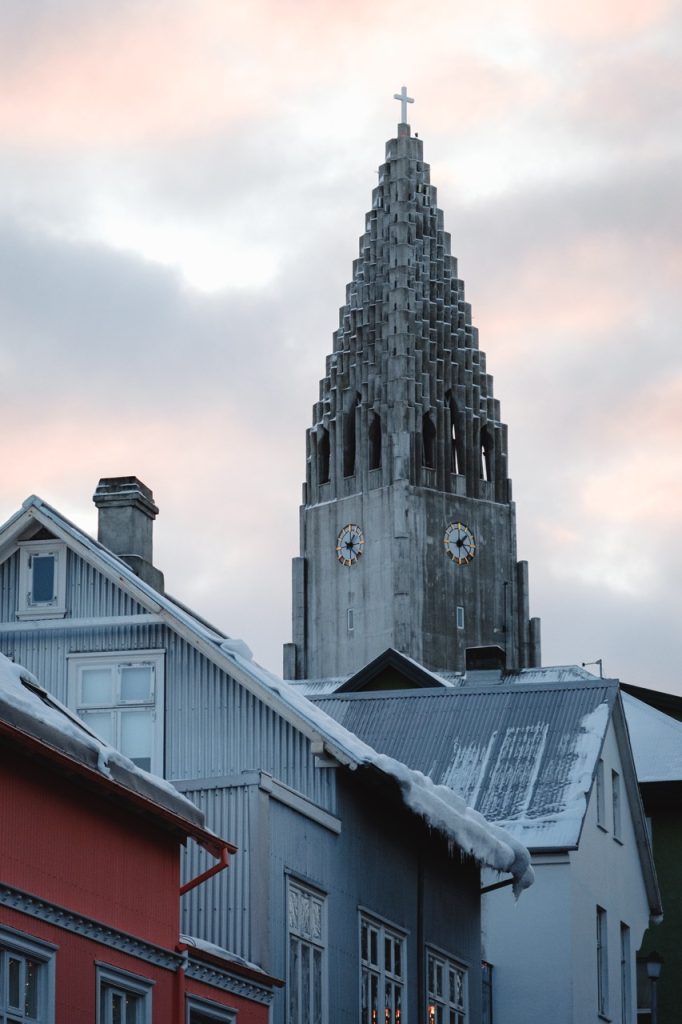
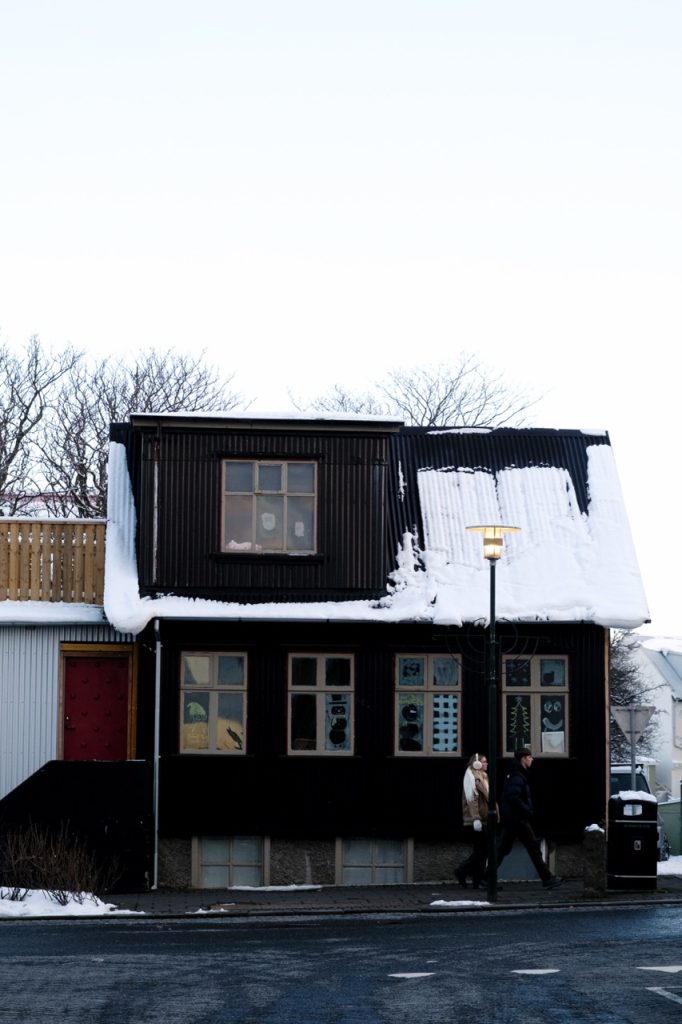
Even though some streets and squares, such as Skólavörðustígur, Laugavegur, and Hallgrímstorg, can feel occasionally busy, it’s nowhere near as chaotic as in the peak tourist season. Your chances of getting elbowed by a selfie stick are minimal.
2. Lower Hotel Rates
If you’re visiting Iceland on a budget (and by extension, Reykjavík), winter can be a great time to visit. The capital is still expensive, but for the most part, accommodation costs less than in the summer.
Whether you want to stay in a fancy hotel at a discounted rate or you’re just looking to save some money in general while in Iceland, a winter trip to Reykjavík is perfect. And if you want my top recommendation, consider looking at Hotel Alda.
3. Interesting Events
Despite being home to fewer than 200,000 people, there are plenty of fun things to do in Reykjavík. I’d go as far as saying it’s the coolest small city I’ve been to. And during the winter, you’ll find plenty of cool events to offset the short days.
For example, the Reykjavík Light Festival takes place each year. For a few days in February, the city is lit up with several stunning displays. It’s quite similar to the Copenhagen Light Festival, which takes place during the same month, only it’s shorter.
The Dark Music Days Festival is also held yearly in the winter. If you’re interested in finding new and unique music, this is a great opportunity for you.
4. A Snow-Capped Reykjavík Is Lovely
Though winter in Reykjavík is generally milder than you may think, snow can occur. And when the white stuff falls on the Icelandic capital, the city becomes even more picturesque.
I’d go as far as saying that Reykavík, when it’s covered in snow, is my favorite way to see the city. Heading to the top of Hallgrímskirkja is a fantastic way to see a snow-capped Reykjavík for yourself, and the observation deck at Perlan is another great option.
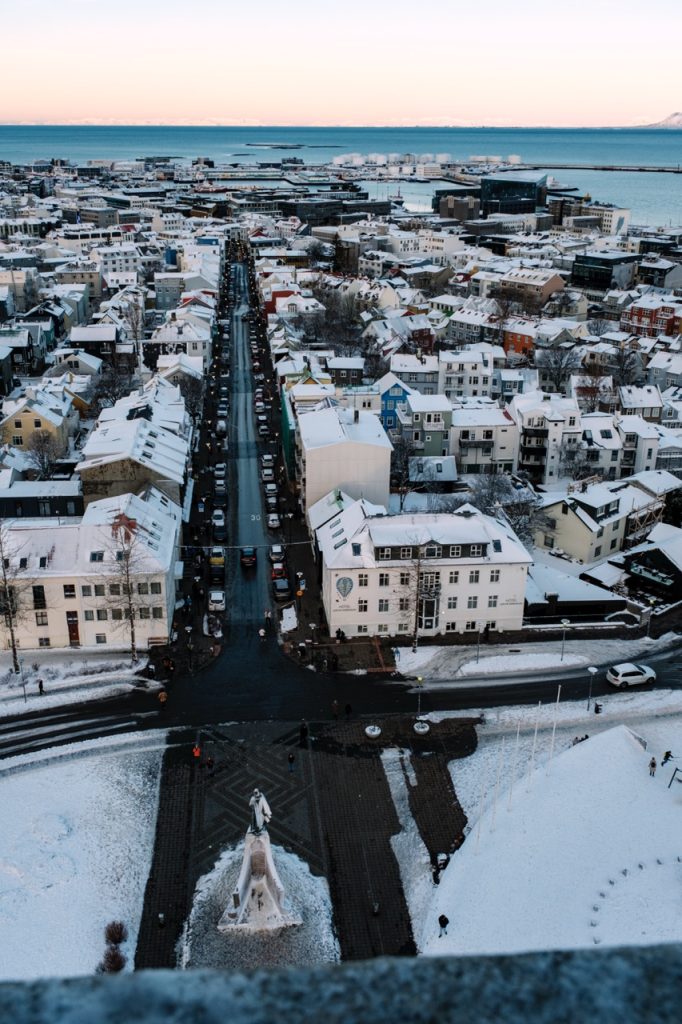
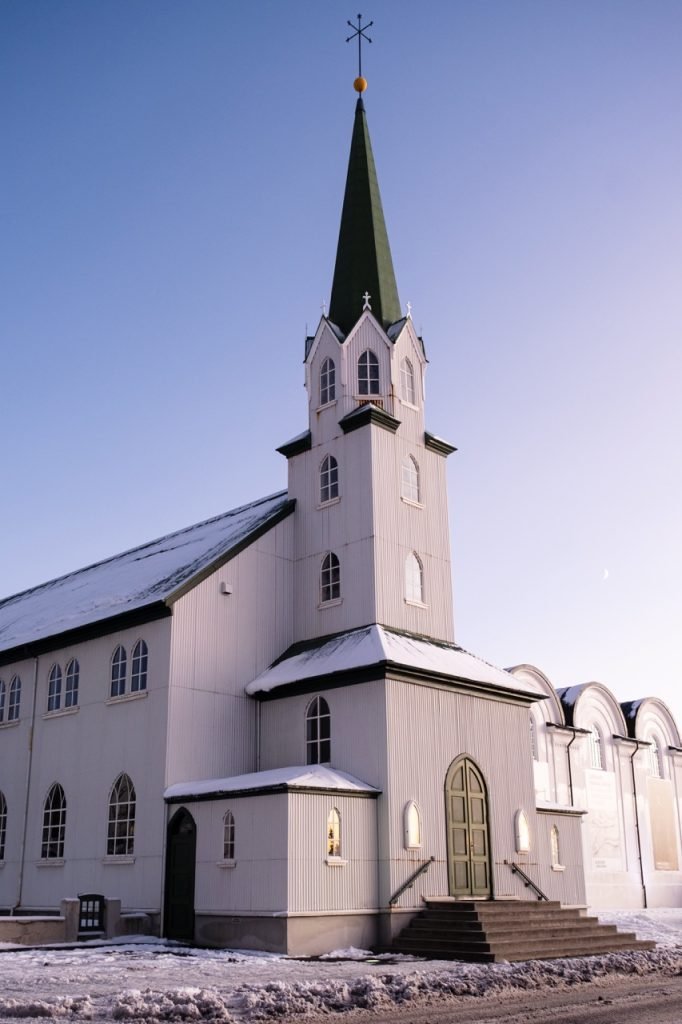
While you shouldn’t plan your trip around seeing snow (it’s by no means guaranteed, and I actually recommend going to the north of Sweden or Finland instead), it is a nice bonus.
5. Many Tours Still Run
Despite summer being the peak season, Iceland’s tourism industry is well-developed. As a result, plenty of tours runthroughout the year. So, if you want to see many of the country’s headline-hitting attractions, winter is still ideal.
I took a day tour to the Golden Circle on a December 2018 trip, and each location looked even more beautiful with the winter light. It was freezing, admittedly, but even after being back there since, this was my favorite time to visit.

I have also done a whale-watching tour in Reykjavík during the winter, and this was also great; we actually got to see a whale on the tour, too. While many migrate further south, it’s still a great tour option. Moreover, the views of the mountains are lovely anyway.
What’s the Weather Like in Reykjavík During the Winter?
Reykjavík’s winter weather will probably throw up countless surprises. It might be sunny with no wind, but at the same time, you’ve got every chance of encountering a blizzard or feeling the burn of sideways rain and sleet.
I have experienced every form of weather in Reykjavík during the winter, but generally, temperatures range between 5ºC (41ºF) and -5ºC (23ºF). Don’t take the air temperature at face value, though; the wind chill often makes it feel much colder.
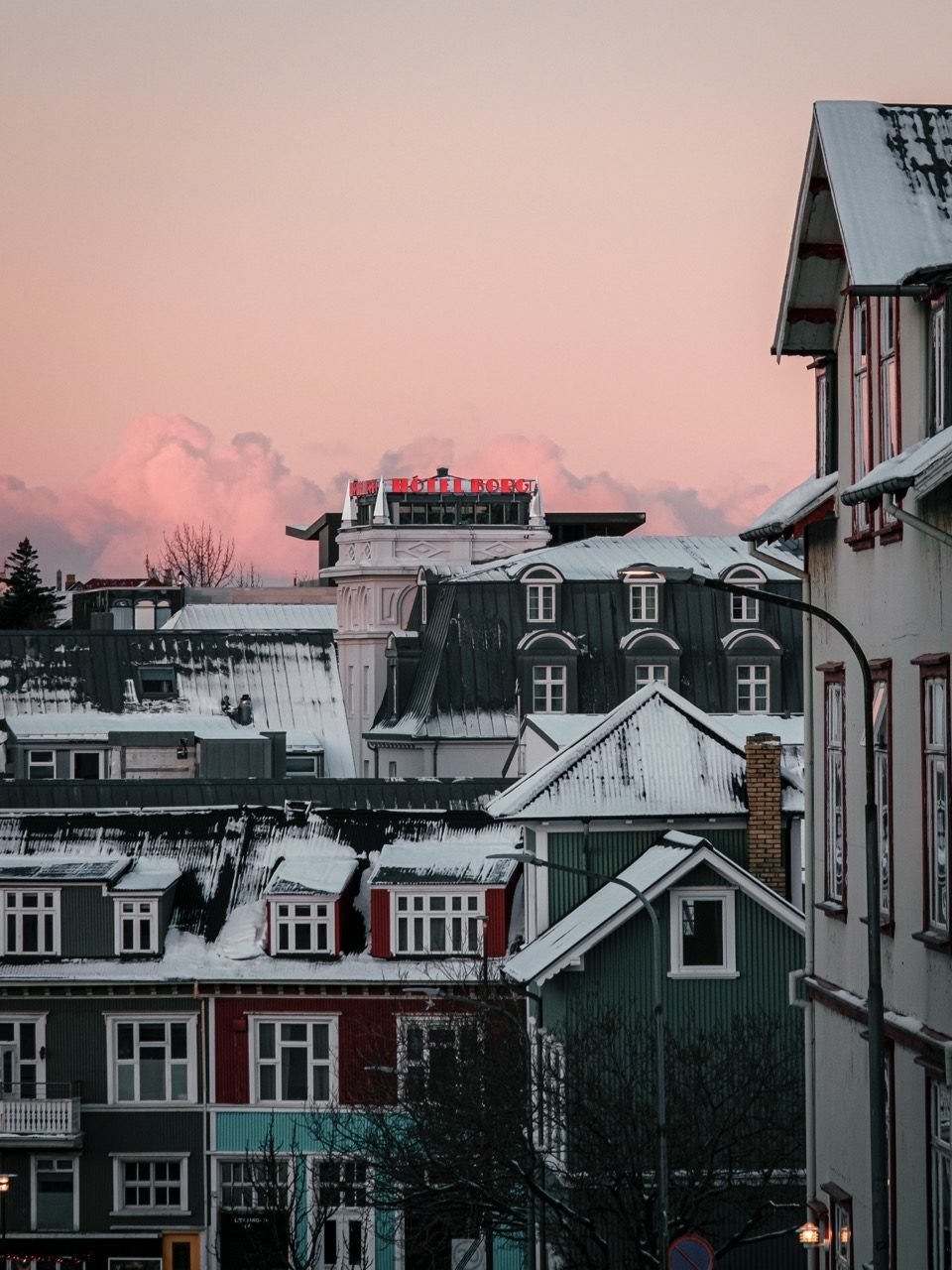
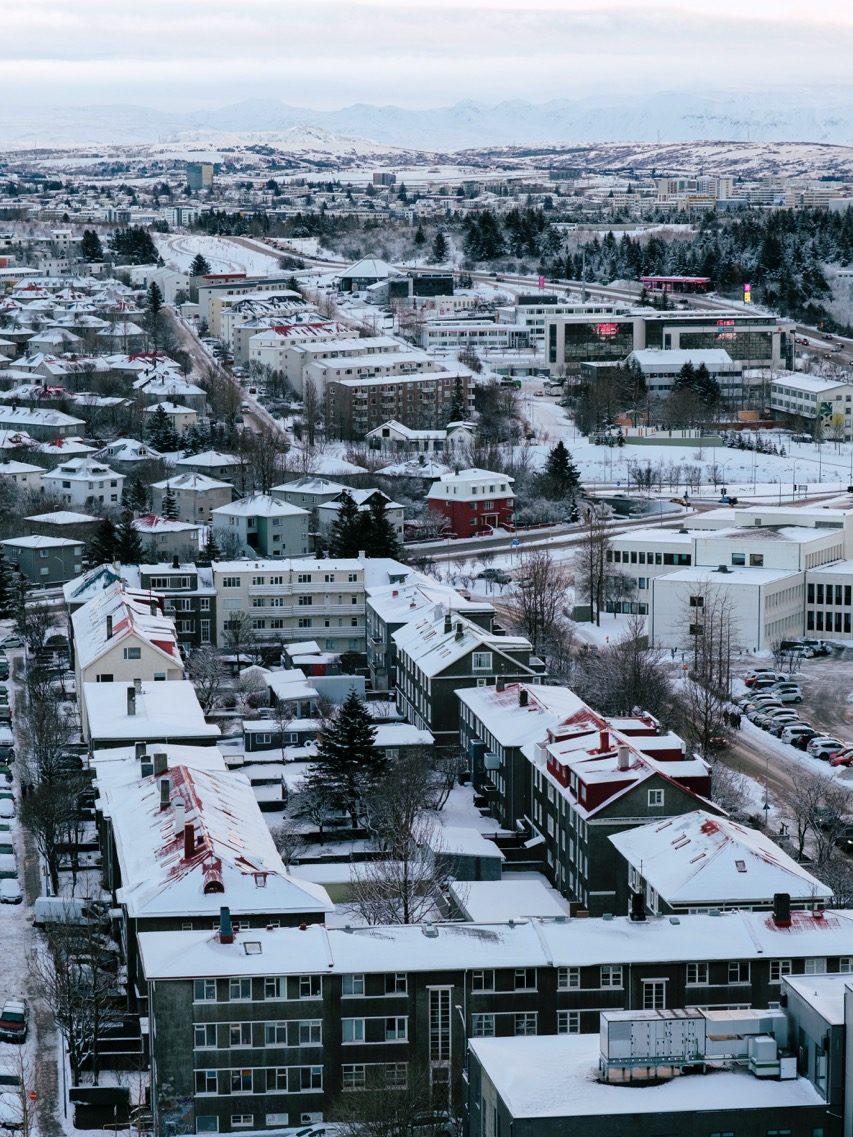
Be prepared for some particularly cold spells, too. For example, it was -13ºC (8.6ºF) when I visited in January 2025.
Things to Do in Reykjavík During the Winter
Based on my various trips to the Icelandic capital, I’ve listed some of my top recommendations for things to do during the colder months below.
1. Explore Reykjavík’s Cafés and Bakeries
For such a small city, Reykjavík has a surprising number of good cafés. Winter is the perfect time to experience them and to also get a great cup of black coffee. Once you’ve done that, you should be well-prepared to tackle the cold and darkness outside.
Reykjavík Roasters is one option. You’ll find a handful of cafés in the city, including one on Kárastígur—just down the road from Hallgrímskirkja. Sandholt, meanwhile, is an excellent bakery; besides some fantastic pastries and sandwiches, you can also enjoy brunch here.
Many of the cafés and bakeries in Reykjavík are of good quality, so if neither of the above appeals to you, you can always walk around and see what takes your fancy. Brauð & Co. has amazing cinnamon buns, for example, though seating space is limited in the main bakery on Frakkastígur.
2. Photograph the Beautiful Lighting
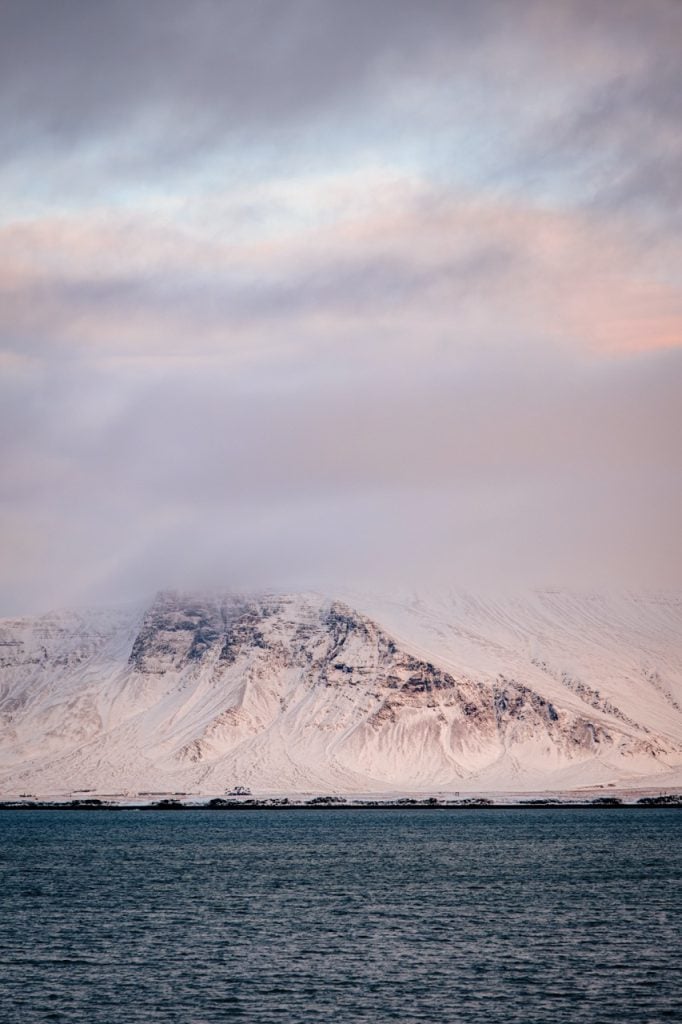
Reykjavík is a photographer’s dream year-round, but the soft Icelandic winter light makes the city even more stunning. The whole day feels like an extended golden hour, and if you’re lucky enough to be here on a sunny day, you will see some of the most beautiful sunsets anywhere on the globe.
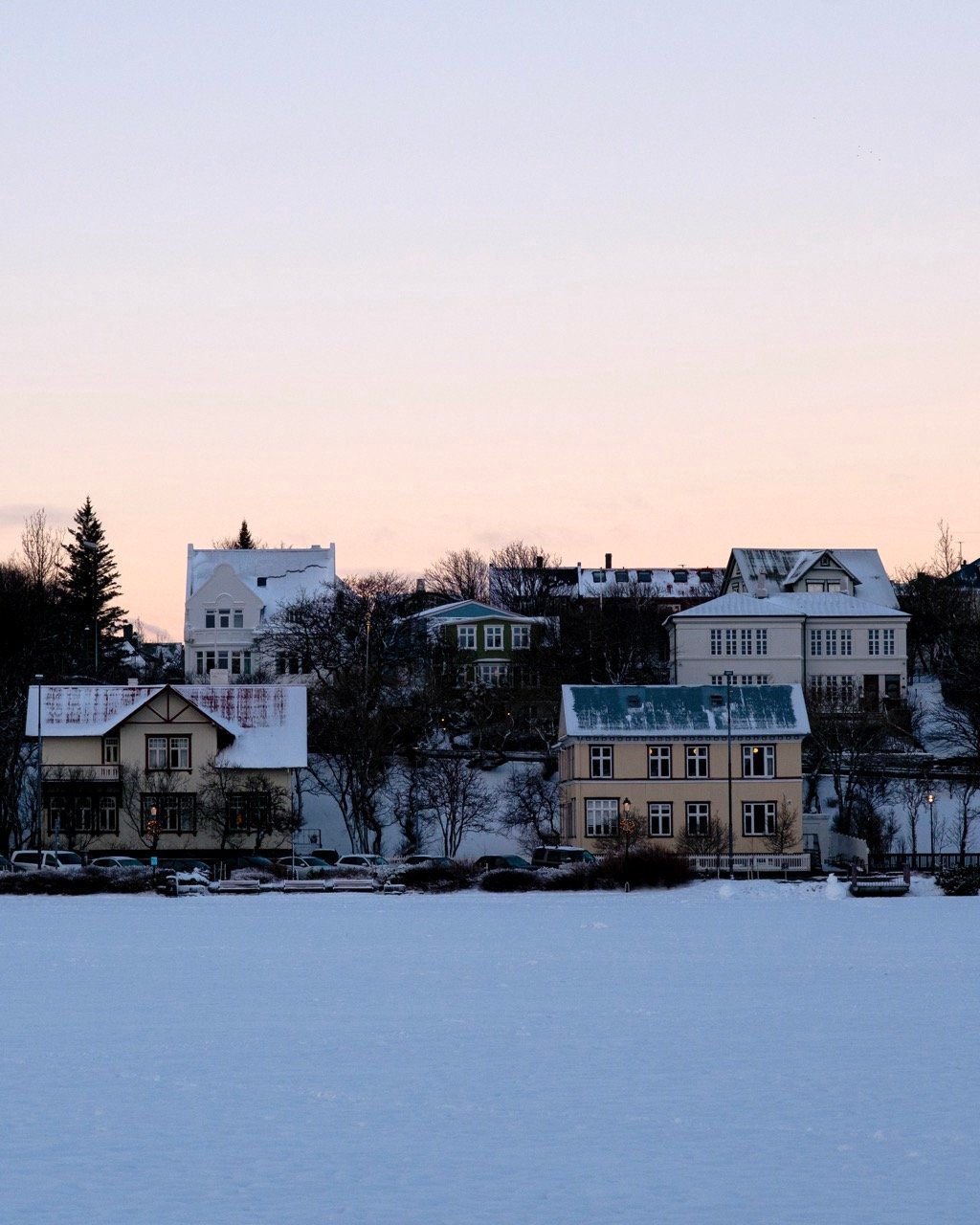
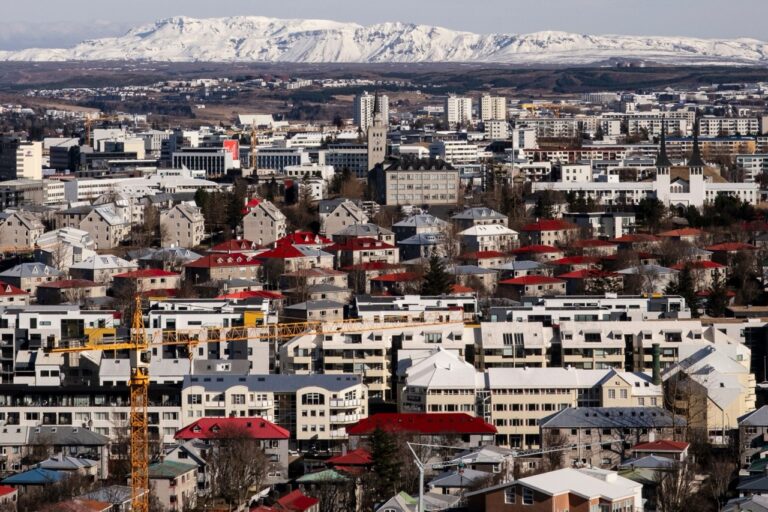
Sæbraut, the road lining the North Atlantic Ocean and looking toward Mount Esja, is my favorite place to photograph the winter light in Reykjavík. The mountains near the city are often covered in snow, making them even more beautiful.

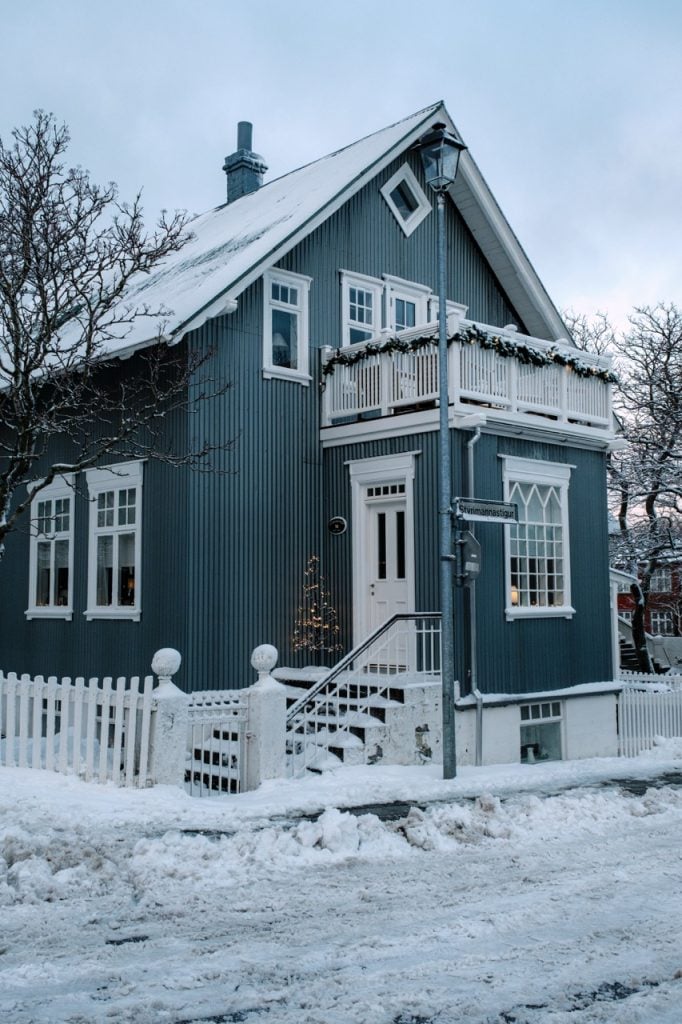
Reykjavík’s many side streets also look beautiful in the winter light, as does Tjörnin—the pond in the middle of the city, which is often frozen over.
3. Warm Up in a Hot Spring
Iceland’s hot spring culture is legendary, and you’re never too far away from a place to warm up. In Reykjavík, the Laugardalslaug pool is the perfect place to go for something more authentic. The locals love this place, and it’ssignificantly cheaper than the touristy alternatives.
Having said that, I feel like some people may find Laugardalslaug a bit too intense. I visited in June 2019, and if I hadn’t already been to Iceland before, I would probably have felt that way. The Sky Lagoon is a viable alternative if you want something more luxurious; we went here in April 2024 and loved it. Located in Kópavogur, it’s a quick drive from Reykjavík.
You can, of course, also visit the Blue Lagoon. I did this on a winter trip to Iceland, and while I prefer the Sky Lagoon and find the Blue Lagoon a bit overrated, it’s still a nice place to spend the afternoon. Moreover, the restaurant there is nice.
4. Shop for a Nice Sweater or Souvenir
Reykjavík has plenty of great shopping opportunities, and searching for a souvenir is an excellent way to spend a few hours when the outside weather gets too intense. You’ll find plenty of places to buy sweaters, which are great if you forgot to bring one or you just want something to remember the trip by.

When shopping in Iceland, you can get a tax refund on expensive purchases. Ask for a form at the till, and be sure to visit the tax refund booth at Keflavík Airport before advancing to security. You can find more information here.
5. Shelter From the Weather With a Food Tour
On a previous winter trip to the Icelandic capital, my mom and I took a food tour. This was an excellent way to learn more about the country’s cuisine, and we got to try plenty of local dishes. While I found the hot dog from Bæjarins Beztu Pylsur overrated (Trekroneren in Bergen is better, for example), the rye bread ice cream from Café Loki was great.
You’ll find a number of food tours in Reykjavík.
The Downsides of Visiting Reykjavík in Winter
As much as I love visiting the Icelandic capital during the colder months, it’s certainly not for everyone. To help you make a more balanced decision, I have added some of the reasons you may want to reconsider your visit below.
1. The Wind Can be Brutal
When Iceland made “The Land of Fire and Ice” its marketing slogan, I feel like it should’ve included “wind” somewhere in there. The wind in Reykjavík can be brutal, especially when you’re close to the waterfront. And by“brutal”, I mean “to the point that walking close to the water is borderline impossible”.
The wind is also quite strong at the top of Hallgrímskirkja. If you do visit Reykjavík at this time, wear a good hat and some suitable gloves. As you can see from the picture below, I did not have the right gloves on a previous trip when visiting Perlan 🙂.
2. The Weather Is Unpredictable at Best
Besides being windy much of the time, Reykjavík’s weather is even more unpredictable during the winter. This makes it very difficult to plan anything, and I’ve had friends who’ve visited at this time and had to depart 1-2 days late because of flight cancellations.
You can’t do anything about this, and to be honest, Icelandic weather is hardly known for being predictable at any time. However, you should consider it in your plans. If you want something more concrete, consider visiting at a different time.
3. Limited Daylight Hours
On the shortest day of the year, Reykjavík gets just over four hours of daylight. That’s if the clouds go on annual leave to let the sun appear, too. It’s very dark at this time of the year, and as a result, long day trips are not a good idea.
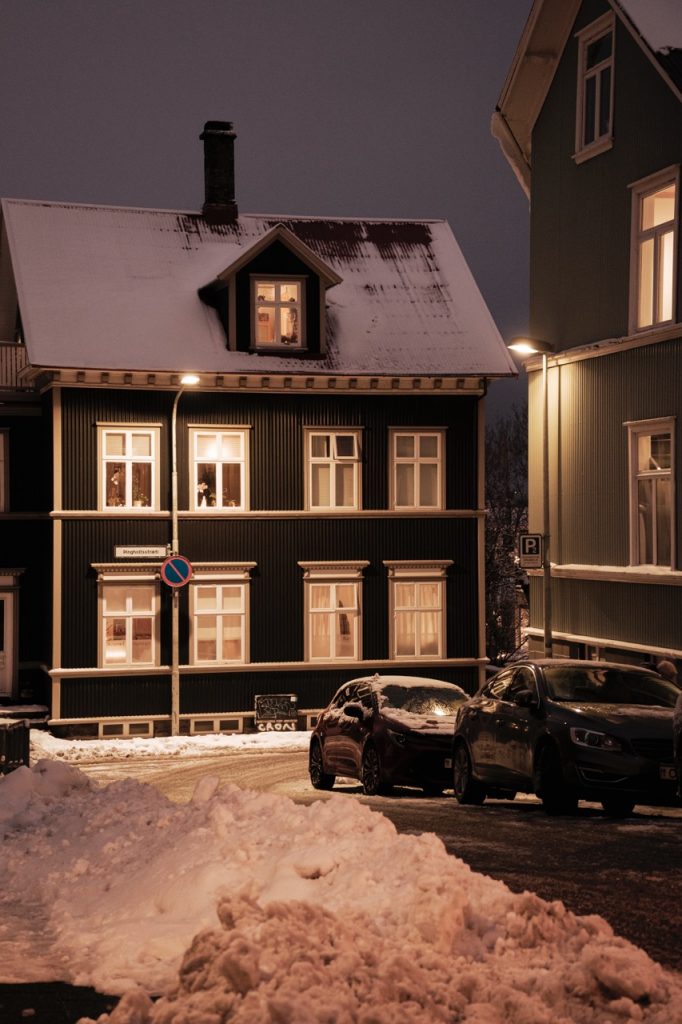
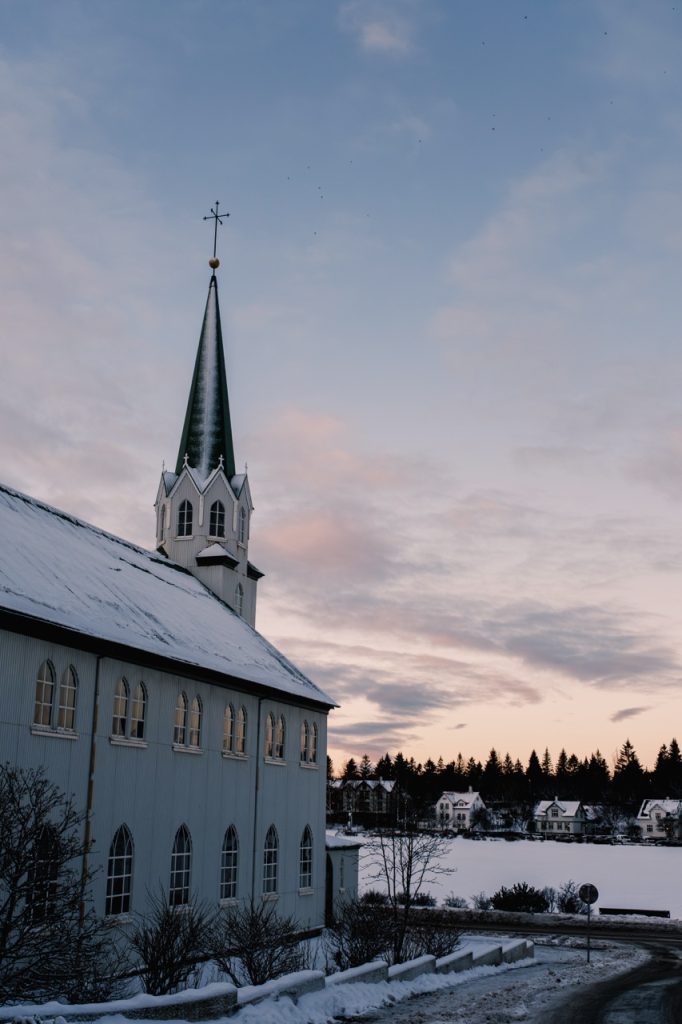
This isn’t a huge problem if you plan to spend most of your time in and around Reykjavík. But if you want to drive the Ring Road, I’d strongly reconsider. Driving conditions can be challenging, too, so you may want to consider a tour or visiting at a different time instead.
Winter Daylight Hours in Reykjavík
With just 8 hours of daylight at the start of November and 4 hours through much of December and January, daylight hours in Reykjavík are very limited during the winter. On the shortest day of the year, the sun doesn’t rise until after 11 am.
To give you an idea of what to expect, I’ve added the daylight hours for different points of this season below (as per timeanddate).
| Date | Sunrise | Sunset |
|---|---|---|
| November 1 | 09:11 | 17:09 |
| November 15 | 09:57 | 16:26 |
| December 1 | 10:46 | 15:46 |
| December 15 | 11:16 | 15:29 |
| December 21 | 11:21 | 15:29 |
| January 1 | 11:19 | 15:43 |
| January 15 | 10:54 | 16:20 |
| February 1 | 10:08 | 17:15 |
| February 15 | 09:21 | 18:01 |
| March 1 | 08:35 | 18:46 |
One thing worth noting is that because Reykjavík is so far north, sunrises and sunsets are often longer than in other parts of the world. For example, when I visited at the beginning of December 2018, it didn’t get fully dark until after 17:00.
Are the Northern Lights Visible From Reykjavík During the Winter?
You can sometimes see the Northern Lights from Reykjavík during the winter months. Tjörnin is a great place to see these, in particular. On a January walk home from dinner, we were lucky enough to see the Northern Lights dancing above us right from the city center.

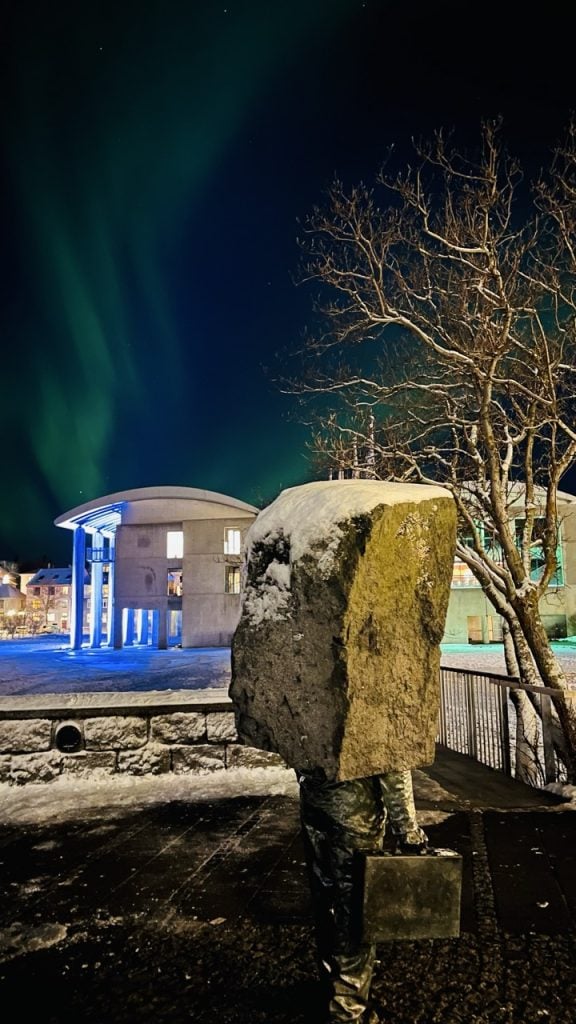
However, seeing the Northern Lights in Reykjavík is often difficult. First, you need little light pollution; as an urban area, your chances are lower in the capital due to street and house lights.
Instead, I recommend taking a Northern Lights tour. It’s still not guaranteed that you will see them; you need limited cloud cover, and Iceland is often cloudy. Nonetheless, it’s a nice bonus, and many tour companies offer rebooking options or refunds if you don’t see them.
Useful Things to Know When Visiting Reykjavík in Winter
Now that you’ve got a better idea of what to do when visiting the Icelandic capital during the cooler months, I’ll add some of my unique tips to help you prepare better for your trip.
1. *Some* Sidewalks Have Underground Heating
Having been to Finland in the winter, I can tell you for free that walking on icy pavements is *not* fun. It’s my least favorite thing about Helsinki at this time of the year, and don’t get me started on other parts of the country.
The good news is that in Reykjavík, some of the sidewalks are heated. So, even if it’s cold, you can still walk in many parts without worrying about cosplaying Bambi. Having said that, a lot of sidewalks still aren’t heated—and as a result, you should be careful.
2. Vitamin D Is Essential
When I say that Reykjavík is dark during the winter, I am not joking. For some people, December can be soul-crushing.Vitamin D is an absolute necessity; without it, you will notice a difference in your mood within a few days.
You can buy Vitamin D in Reykjavík from a pharmacy, but it is expensive. So, I recommend bringing it with you from your home country instead.
3. Don’t Hike at This Time of Year
Reykjavík has a number of hiking routes close to the city, but most should be avoided in the winter. It’s very dangerous, and this goes for most hikes in Iceland (there are some exceptions, such as Svartifoss, but you should always check beforehand and ask a local if doubtful).
If hiking is your main reason to visit Iceland, time your trip for the summer instead.
What to Pack for a Winter Trip to Reykjavík
I’ve written a full Iceland packing list for all seasons in a separate article. However, I’ll add the most important things to include in your suitcase for your winter trip to Reykjavík below.
- Baselayer clothing: Bring warm undergarments; merino wool is wise.
- A good jacket: A puffy jacket that can withstand wind, sleet, and snow is necessary. 66ºNORTH, The North Face, and Trespass all have good jackets in this respect.
- A woolly hat: I have a 66ºNORTH hat (which I funnily enough bought in Iceland) and it’s a game-changer. Bring something warm; if you don’t have anything, there are plenty of outdoor shops in Reykjavík.
- Layers: Dressing in layers is crucial for a winter trip to Reykjavík. The outermost layer should be waterproof.
- A good pair of gloves: Make sure your gloves are good enough to withstand a proper winter. Many that you can buy from souvenir shops are not.
- Sturdy shoes: Bring warm boots and woolly socks. You may want to consider bringing shoe spikes if you’re visiting during extended cold spells.
Final Thoughts
Despite the logistical challenges, Reykjavík is magical in the winter. You won’t be able to hike nearby, but you can enjoy cozy cafés, see beautiful lighting, and still do many day tours you were going to anyway. Knowing what to expect will make your trip much better, and having read this guide, you now have that information.
Whether you’re visiting as part of a broader trip to Iceland or for a city break, this is a fantastic time of the year to visit the Icelandic capital. It’s quieter, less expensive, and still a fun place to be.
Pin for Later 📌