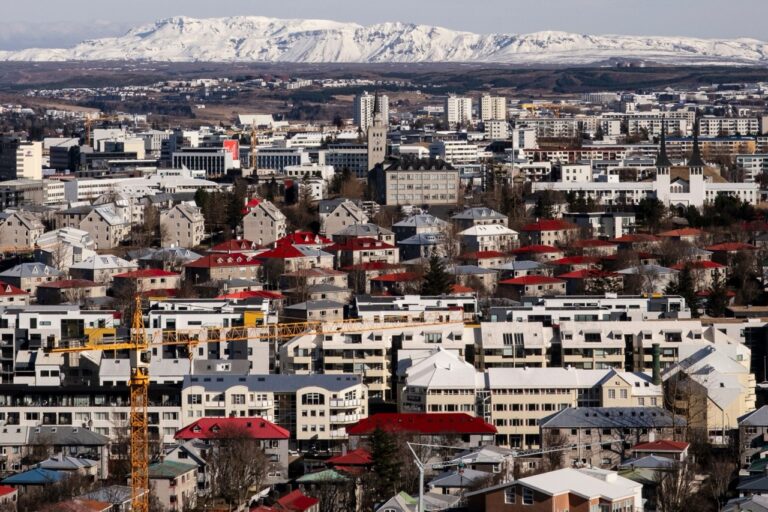
All My Top Tips for Visiting Iceland on a Budget (Based on 8 Trips)
*Disclaimer: This blog is reader-supported, and this page might therefore contain affiliate links. When you book or buy through them, I may earn a small commission at no extra cost to you. It helps me write these in-depth and original guides, so thank you for the support! Full Affiliate Disclosure
You won’t believe your eyes when you land in Iceland. No, I’m not talking about the stunning scenery; I’m speaking about what will happen when you see the price of your first meal in the country. As I can attest to when the sandwich I bought once at Keflavík Airport cost me almost $20. 💀
-ARTICLE CONTINUES BELOW-
All My Iceland Travel Guides. Delivered to Your Inbox.
Save time on researching and get all my Iceland travel guides delivered straight to your inbox, along with monthly newsletter updates. Unsubscribe anytime.
It’s no secret that Iceland is expensive. I say this as someone from London and who lives in Copenhagen—two places not exactly known for being cheap. There are several reasons why Iceland is expensive, though; firstly, it’s a remote island in the North Atlantic Ocean. Many things need to be imported, increasing their price tag.
Certain items (*cough* alcohol *cough*) are also pricey because of the high taxes levied on them.
While Iceland’s high salaries offset the cost of living for locals, you’ll probably find visiting here more expensive than what you’re used to. The good news, however, is that there are plenty of ways to visit Iceland on a budget.
I’ve been to Iceland 8 times already, meaning that I’ve learned *a lot* about lowering costs. In this comprehensive guide, you’ll get all of my first-hand tips so your adventure burns less of a hole in your pocket. From finding the right accommodation to some more unique tips, you’ll find everything you need here.
How Much Can You Expect to Spend on a Trip to Iceland?
To break down how much you can expect to spend on a trip to Iceland, I’ll break down our costs from a recent trip in April 2024. I’m doing this for two reasons:
- I remember how much everything cost.
- The trip was after the inflation surge of recent years.
Flights
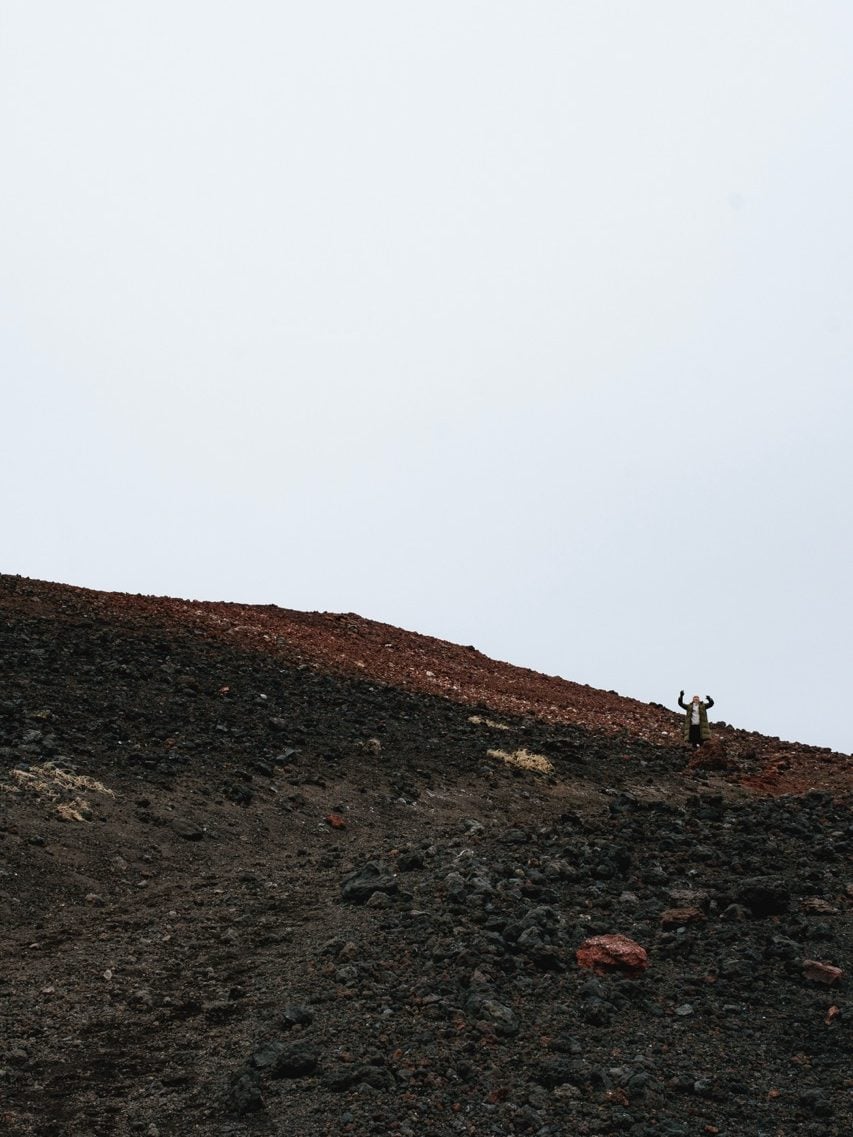
My girlfriend and I paid around $200 each for return flights between Copenhagen and Keflavík, which were booked directly via SAS. We also shared one 23kg suitcase between us as we did a lot of outdoor activities, such as hiking Eldfell, and wanted to bring our hiking boots.
Accommodation
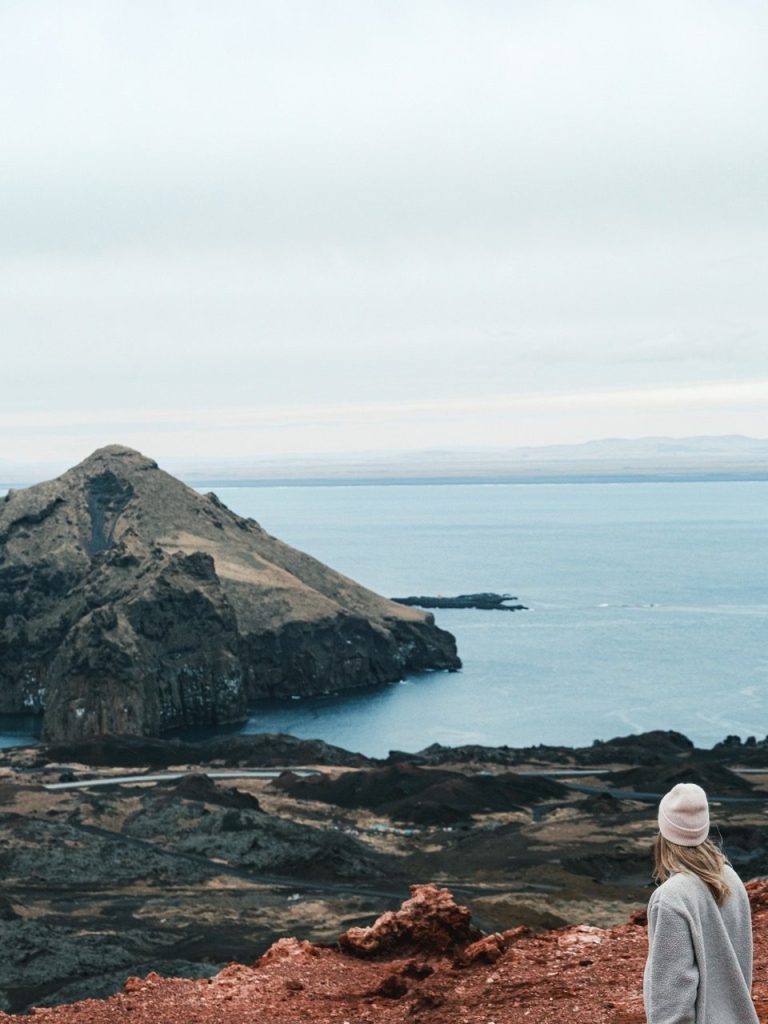
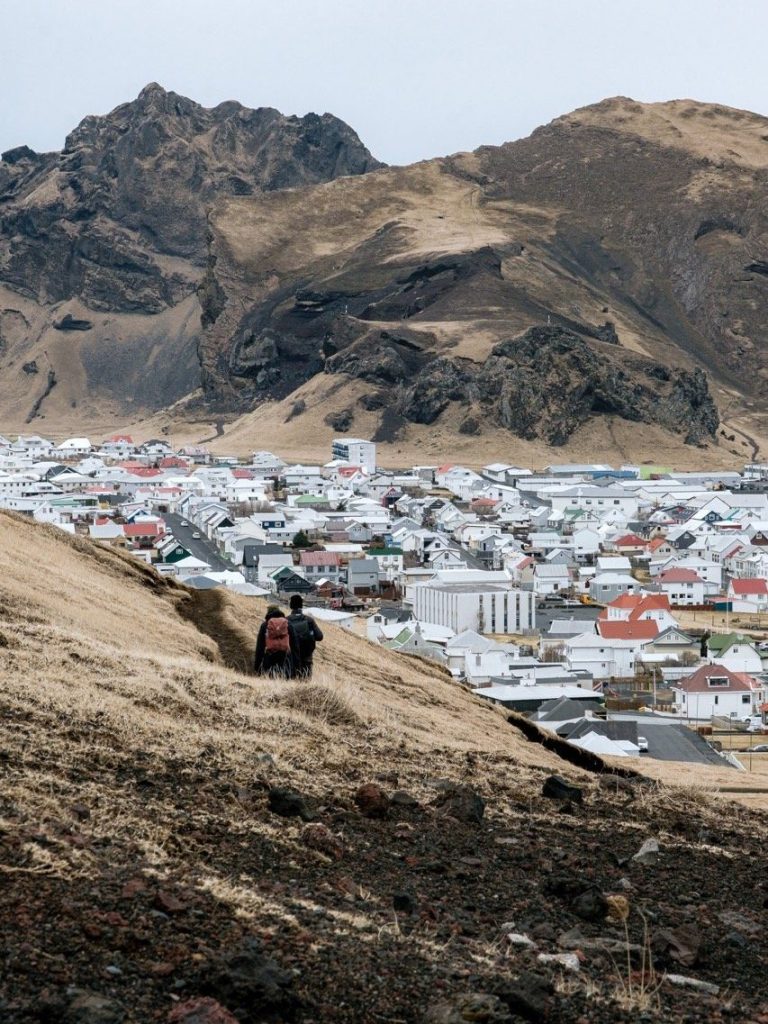
Our accommodation cost roughly $1,000 for 7 nights. We stayed in Reykjavík at the start and end of our trip; between that, we spent most of our time in Vík and a night on the Westman Islands.
However, we weren’t really trying to save money. For the first few nights, we stayed at a nice hotel in Reykjavík and a somewhat fancy suite while in Vík. On the Westman Islands, we stayed at Guesthouse Hamar.
If saving money was our primary aim, we could definitely have stayed at more budget-friendly choices. Reykjavík has a good range of more budget-friendly hotels; I really liked Kex Hostel in Reykjavík when I stayed there on my first trip, and you’ll find private rooms/bathrooms if you don’t want to share with others.
Other Costs
Our rental car cost roughly $750 for the week (including parking fees that we paid at various attractions); we picked it up from Keflavík Airport and rented it through Hertz. Since we were traveling along the South Coast and on paved roads for the whole time, we didn’t need anything else. The average price per liter for gas was $2.10 when we visited, which is quite pricey.
I allocated just under $1,200 in spending money for this trip and spent around $1,000 of this. We spent roughly $700 on food; since it was my birthday, we splurged on a couple of meals. I also spent more time at bakeries than I would have if I had wanted to save money.
In addition to eating out, we also shopped at a couple of grocery stores while we were staying in Vík. This brought our costs down a little. I bought an Icelandic sweater as a souvenir because, well, it was my birthday 🙂.
So, to summarize…
| Item | Cost |
|---|---|
| Food | $700 |
| Flights | $200 |
| Accommodation (7 nights) | $1,000 |
| Rental car (including parking fees) | $750 |
| Total Cost | $2,650 for two people (8 days, 7 nights—excluding souvenirs) |
We definitely could’ve spent a lot less than that, to be honest. We were visiting during the off-season, meaning that accommodation cost less than during the summer. However, there were plenty of places we didn’t need to spend as much if we didn’t want to.
What Will Cost the Most When Visiting Iceland?
To help you determine what you should splurge on and what’s better to leave out, let’s now look at what will cost you the most on your Iceland trip.
Alcohol
Alcohol in Iceland is incredibly expensive. I remember spending the equivalent of $12 for a pint of beer when visiting Reykjavík in 2019, which was my most expensive beer until I went to Bergen four years later.
Beer was actually banned in Iceland until 1989, and while you can drink today, it’s still heavily taxed. The same goes for spirits.
Ditching alcohol for your trip is the easiest way to save money in Iceland. I actually think you’ll enjoy a better adventure if you don’t drink, and you’ll automatically open up your budget for more experiences.
If you do want to drink alcohol, buy it from the duty-free shop at the airport. It’s significantly less expensive than visiting Vínbúðin—the state-run liquor store—or ordering it in a bar. Of course, you’re not allowed to drink your own stuff in a bar or restaurant… but you can sample some Icelandic beer while you’re at your accommodation 🙂.
Other Expenses
- Eating Out: Eating in restaurants can easily set you back over $50, especially in Reykjavík. While you don’t need to tip in Iceland, the cost of everything—even without drinks—is still high.
- Accommodation: Hotels are very pricey, especially in the main tourist areas (and especially in Reykjavík). It’s not abnormal to pay $120+ per night, and if you visit in the summer, you can sometimes pay even more.
- Your Car Rental: Renting a car in Iceland is pricey, but it’s still a good idea if you want to explore the countryside at your own pace. While gas prices are some of the highest in Europe, you can still cut down on your costs.
- Parking Fees: You have to pay a parking fee at many popular locations in Iceland, such as Seljalandsfoss. These normally aren’t too expensive, but you should still factor them into your budget.
Useful Ways to Save Money on Your Iceland Trip
Now that you know what will cost you the most money in Iceland, you’re in a much better position to budget accordingly. However, knowing how to save money will help you lower your costs even more.
Based on my various trips to Iceland, including multiple ones when I was a broke twenty-something, here are my top tips for visiting Iceland on a budget.
1. Do NOT Buy Bottled Water
Iceland has some of the cleanest tap water in the world; in my opinion, it pretty much tastes like candy. Well, it tastes like candy when compared to Copenhagen tap water, at least.
Buying bottled water is probably the most pointless thing you can do in Iceland. Bring a refillable water bottle with you instead; alternatively, you can buy a stylish one as a souvenir 🙂.

2. Ask Your Car Rental Provider About Gas Discounts
When we rented with Hertz, we got a key that gave us a discount when filling up our tank at Olís gas stations. Orkan (another gas station in Iceland) has a discount card. Ask your car rental provider to see if they can give you one for either.
3. Shop at the Budget-Friendly Grocery Stores
Bónus and Krónan are two of the main budget grocery stores in Iceland, and I recommend doing most of your shopping at either of these. You’ll find various grocery stores throughout the country; there’s a pretty big Krónan store in Vík.
If you’re self-catering, I recommend doing a big grocery shop at the start of your trip. You can then top up with more stuff whenever you need. Many stores run promotions and discounts for various items, so it’s worth looking for these to nudge your costs down a bit more.

4. Make the Most of Happy Hour
If you’re planning to eat in restaurants or go to bars, making the most of Happy Hour is a very good idea. Sadly, it looks like the Appy Hour app that I used in 2018 and 2019 no longer exists—but you can at least find Happy Hour deals on this website.
The deals on the website mentioned above are for Reykjavík and Akureyri.
5. The Best Things in Iceland Really Are Free…
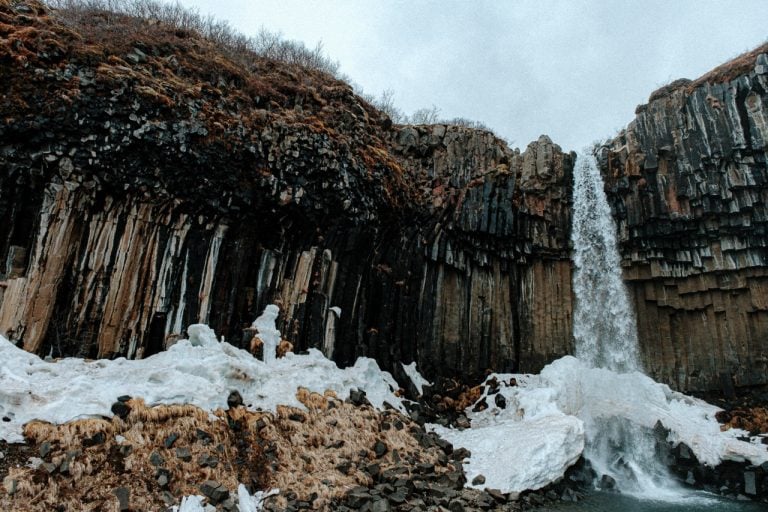
Thankfully, many of the best things in Iceland don’t cost you any money (or will cost you very little at most). Besides paying the parking fee, you can hike to Svartifoss and marvel at Skaftafell National Park’s scenery for no extra money.

When we were on the Westman Islands, I don’t recall us having to pay for parking whatsoever. The ferry was also reasonably priced. I honestly think that the Westman Islands are Iceland’s best-kept secret, and you should definitely make some time for them; you can check out my comprehensive travel guide if you need some inspiration.

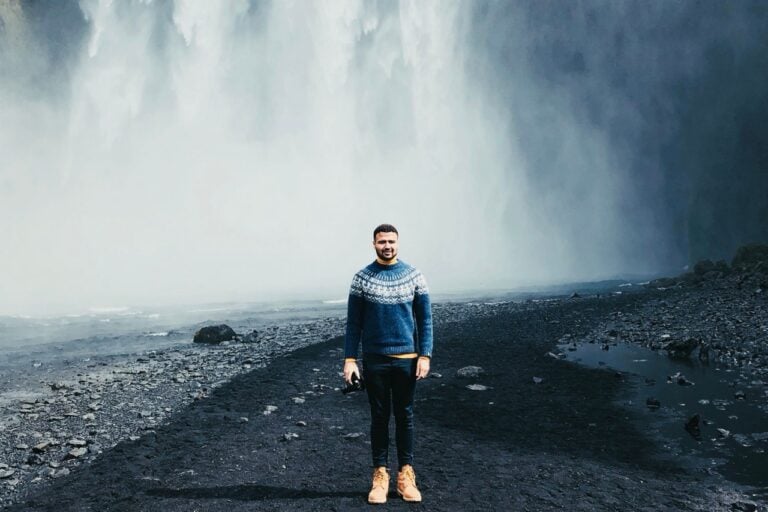
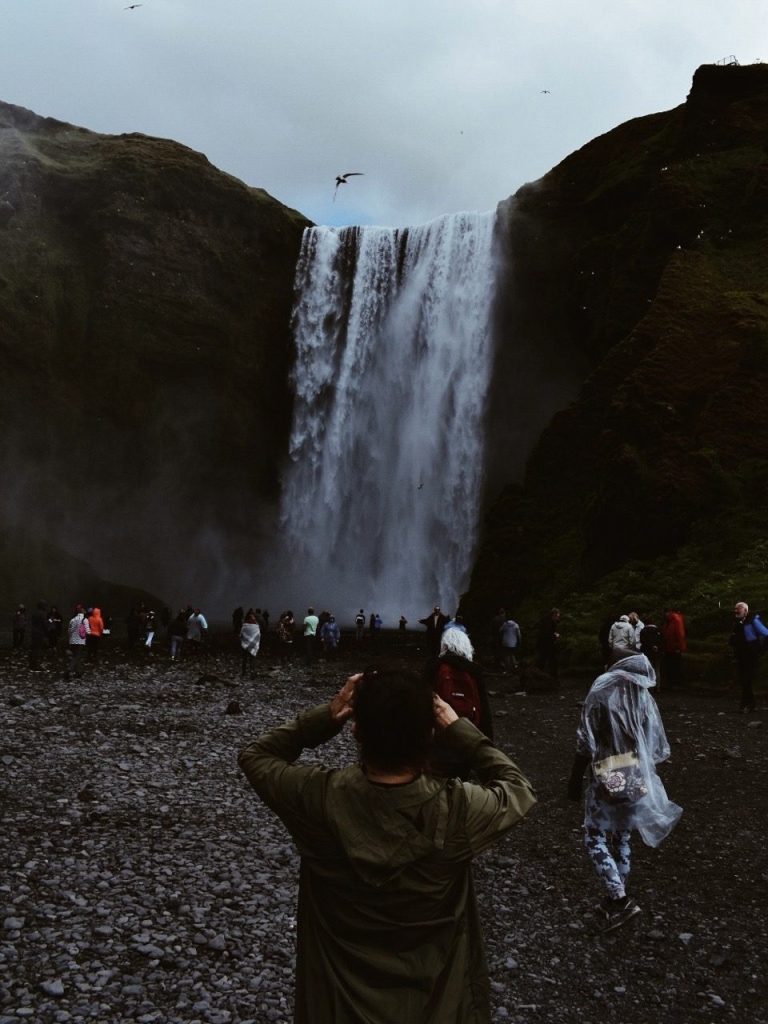
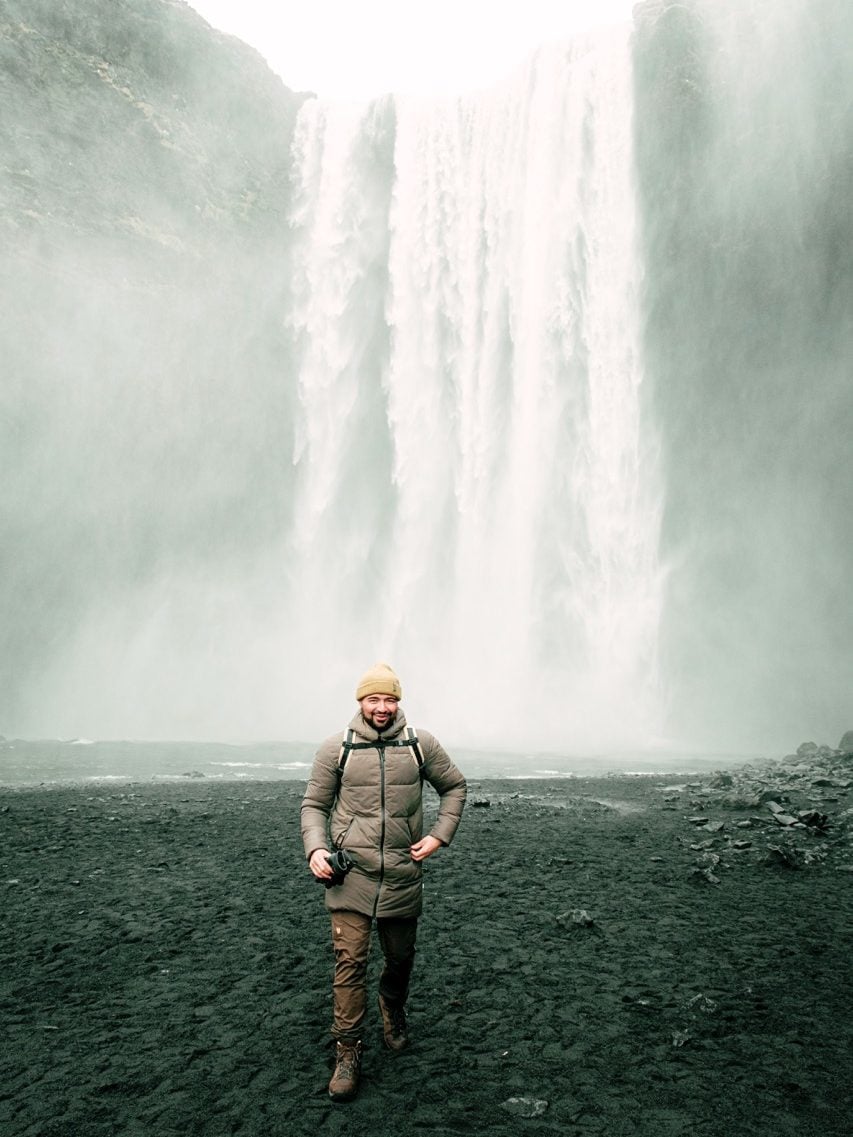
Some attractions in Iceland don’t even have parking fees. For example, you can visit Skógafoss without paying anything.

6. Don’t Use Your Ordinary Bank Card
Cutting your costs is partly about being wise about your spending in Iceland, but you also need to consider the sneaky costs that add up. For example, using your ordinary bank card from back home may incur foreign exchange fees.
When using your ordinary card, you may also get a worse exchange rate. For this reason, it’s a good idea to sign up for a mobile bank instead. I personally recommend Wise, which gives fair exchange rates and doesn’t have foreign transaction fees.
7. You Don’t *Need* to Stay in Downtown Reykjavík
Reykjavík is a small city, and it’s easy to walk into town from the outskirts. I stayed in Laugardalur in 2019 and had no problems with walking or taking the bus, for example.
Besides Reykjavík, you can stay in Kópavogur, Hafnarfjörður, Garðabær, and other nearby towns. From these, it’s easy to get the bus into Downtown Reykjavík. As an extra bonus, Hafnarfjörður is a nice town to explore.
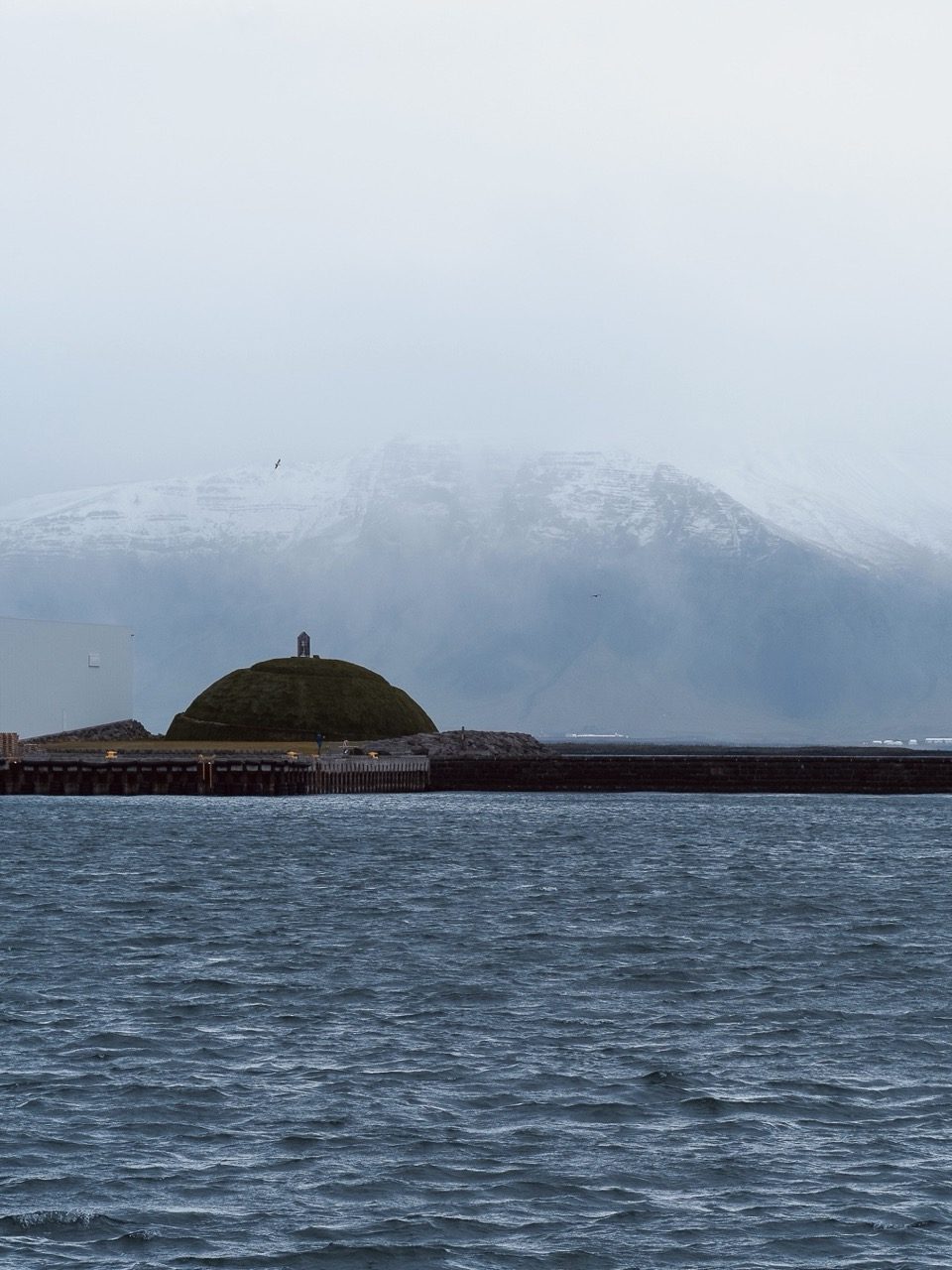
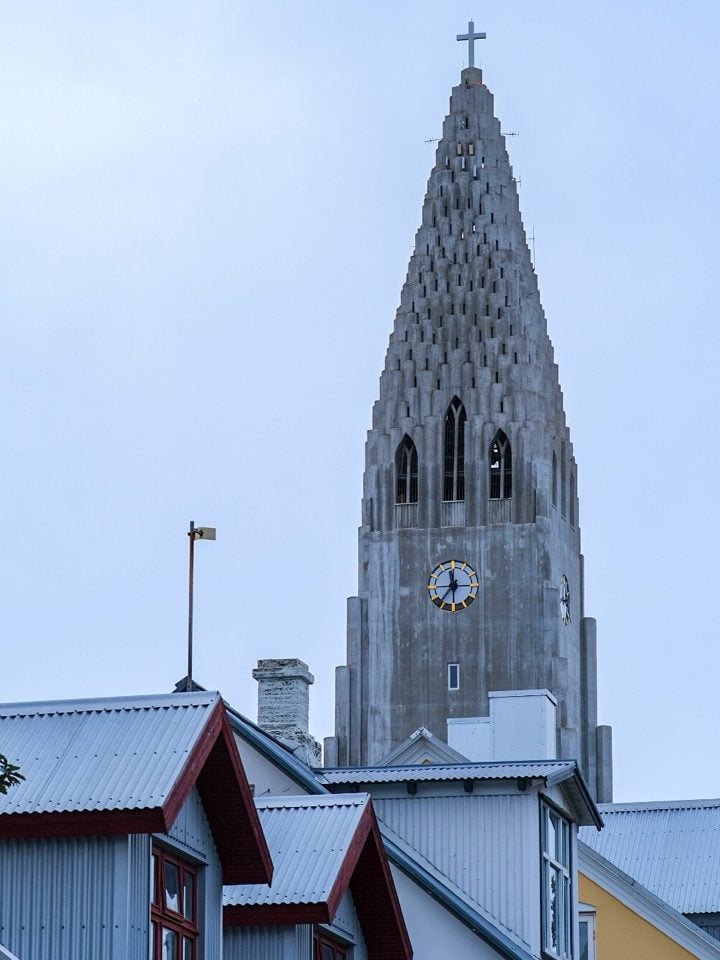
You could also drive into Reykjavík, but finding parking spaces in the city center is quite annoying.
8. Consider Camping if You Visit During the Summer
Iceland has various campsites, and staying at these will cost significantly less than staying at a hotel. You may need to pay extra for electricity, but even then, it’ll still cost you less than a night at a hotel.
Campsites in Iceland are well-maintained, and at Vatnajökull/Skaftafell National Park, you can get a 15% discount if you stay for 5 or more successive nights. Since you typically don’t need to book in advance, you can also save on the stress of trying to find another form of accommodation during peak tourist season.
Note that most campsites in Iceland are not open during the off-season.
9. Bring Useful Items From Home
While you’ll need to buy some things in Iceland, it is a good idea to bring useful items from home. Toothpaste, protein bars, sunscreen, vitamin D, etc., will all probably cost you less if you pack them in your suitcase instead of buying them when you land.

If you need help knowing what to bring, you can check out this comprehensive Iceland packing list for all seasons.
10. Visit the Local Geothermal Baths
While I like Iceland’s luxury geothermal baths, you don’t need to visit them if your main worry is saving money. The local baths are significantly cheaper. For example, a visit to Laugardalslaug in Reykjavík costs just 1,380 ISK for adults (c. $10.75).
You won’t get the full luxury experience, but you will enjoy an authentic local experience.
11. Don’t Forget About Tax-Free Shopping in Iceland
Iceland’s 24% sales tax bumps up the price of just about everything, but you’re eligible for tax-free shopping in Iceland as a non-resident. If you spend a minimum of 12,000 ISK (c. $94), you’re eligible for a tax refund.
To get this refund, you need to fill out a form and attach your receipts. You can submit your tax refund forms at Keflavík Airport when you’re ready to leave Iceland; the booth is before you enter security. More information on tax refunds can be found here.
12. Be an Essentialist With Your Souvenirs
I do think that you should bring some souvenirs back with you, but being an essentialist is also a good idea. Pick the souvenirs you genuinely want and ignore the rest, even if this means spending more than you otherwise would.
You’ll find plenty of cool stores in Downtown Reykjavík, along with numerous places to get unique souvenirs—such as sweaters—throughout the country.

13. Look for Hotels and Guesthouses With Free Breakfast
I actually realized how useful this was for saving money on a trip to the Faroe Islands (which is also a notoriously expensive destination), but it also applies to Iceland. You can reduce your costs by booking hotels and guesthouses with free breakfast included.
In addition to looking for accommodation with free breakfast, I also recommend finding places with complimentary parking.
How to Find Affordable Flights to Iceland
In addition to saving money when you’re in Iceland, you can get some great deals on your flights. EasyJet operates flights to Iceland from various places in the UK, for example, including Bristol and London Gatwick. You can fly from Gatwick to both Keflavík and Akureyri.
While you can get EasyJet flights from Luton Airport, that would require using Luton Airport. So… yeah.
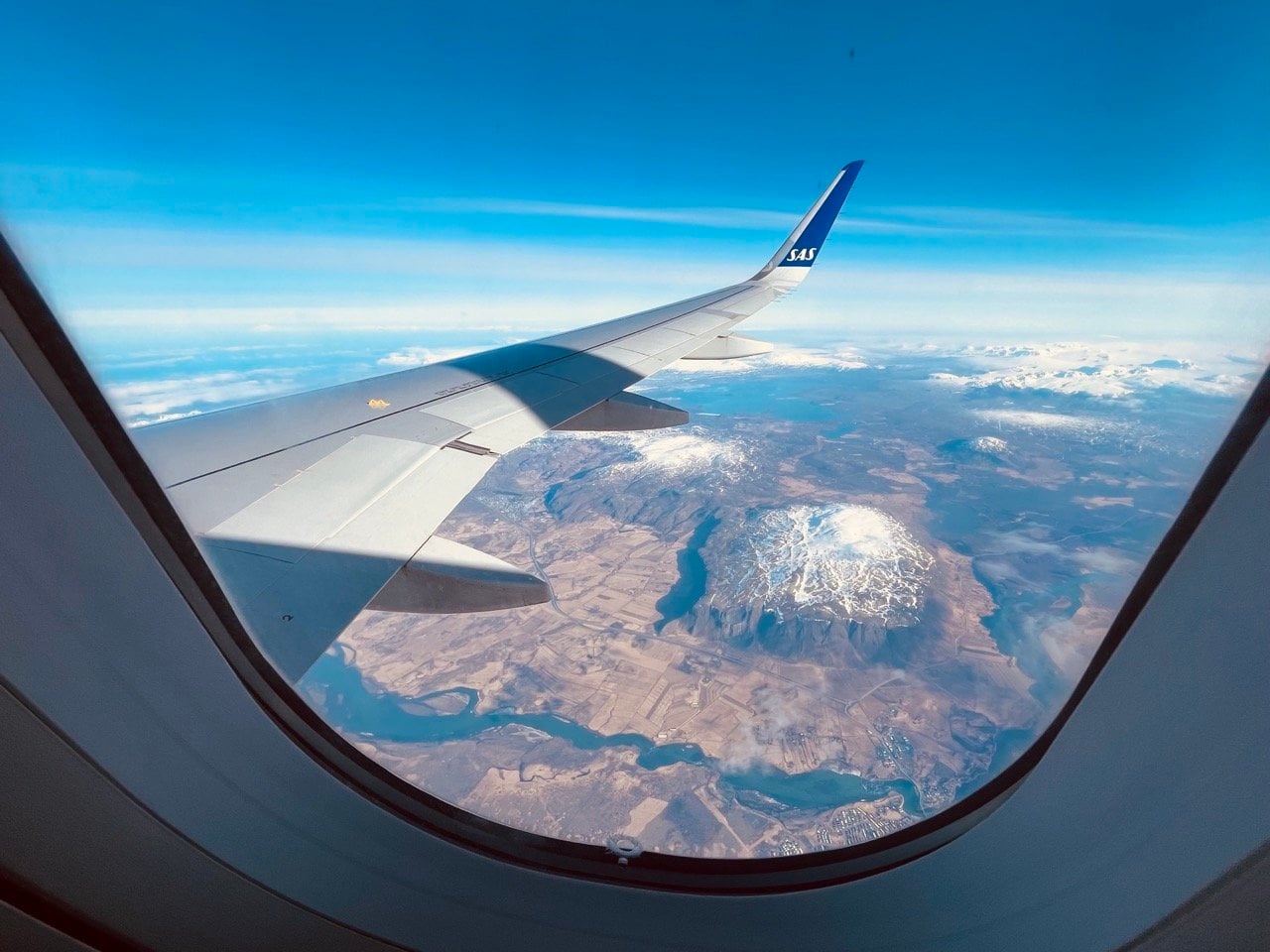
You can sometimes find flight deals with SAS and Icelandair, especially from Scandinavia and the US—so it’s a good idea to keep an eye out for those. If you’re flying from New York City, I can recommend using Stewart Airport and flying with Play. We did this in January 2025, and the experience was INFINITELY less stressful than flying out of JFK.
If you want to compare flight prices and times, I normally use Skyscanner.
These Are the Things I Recommend Spending Money on in Iceland…
While you can do several things to bring your costs down, I do recommend spending money on certain experiences. Iceland is an amazing country and a bucket list destination for many, and in my opinion, some things are more important than saving cash.
Below are some of the top things I recommend splurging on while you’re in Iceland.
Day Tours (if You Aren’t Renting a Car)
If you visit Iceland without a car, I recommend basing yourself in Reykjavík or Akureyri—depending on whether you want to explore the south or north. On trips when I didn’t have a car, I stayed in Reykjavík and booked day tours. Plenty of tours run to the Golden Circle, for example, and Snæfellesnes Peninsula is another fantastic option.
I also recommend taking a day trip to the South Coast. I did this in June 2019, and while it was a very long day, it was also worthwhile. You’ll find plenty of tours from Reykjavík.
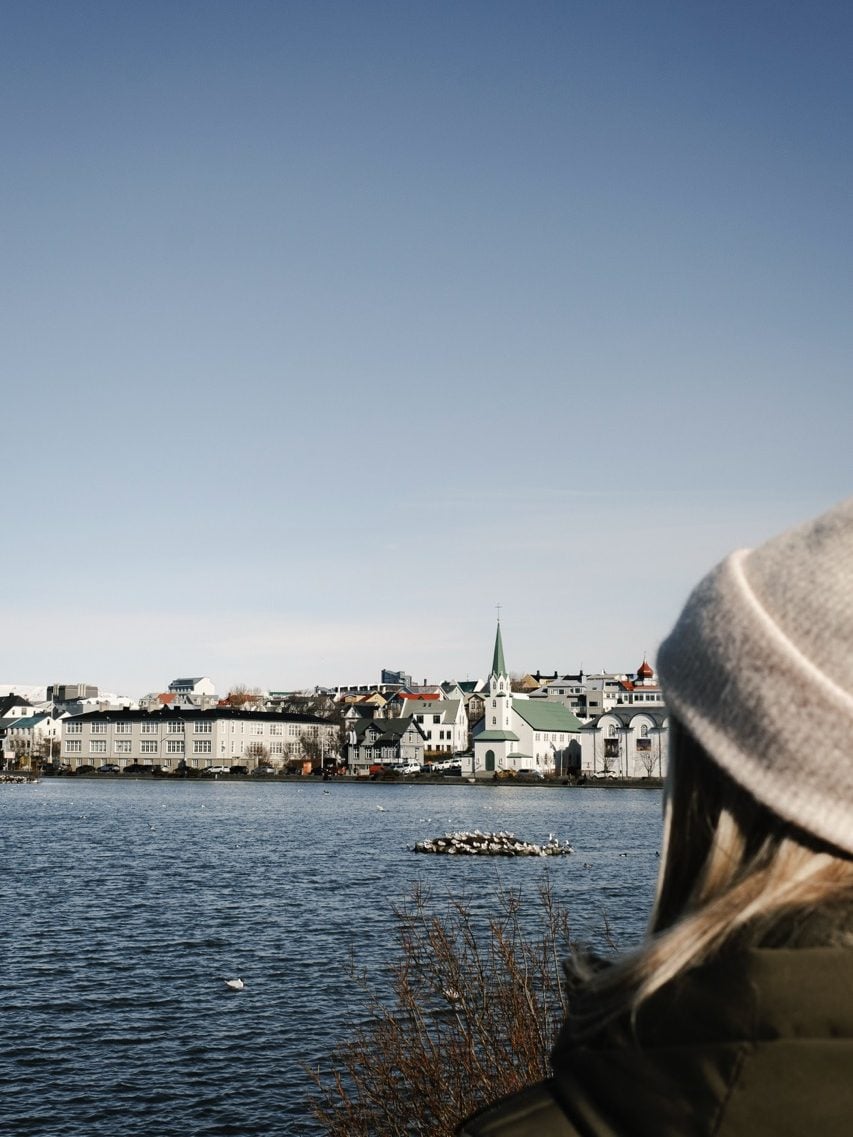
If you’re traveling to Iceland on a budget, I’d say that 2-3 tours is a good amount. You can spend the rest of your time exploring in and around whichever urban center you choose; Reykjavík will have more to do than Akureyri. Plus, Reykjavík has some cool photo spots (including several architectural photography locations).
1-2 Nice Meals
Iceland has some really nice restaurants; I love Black Crust Pizza in Vík and am also a big fan of the Sæta Svínið gastropub, Tres Locos, and Café Loki in Reykjavík. While you don’t need to eat out for every meal, having one or two is a good idea.


When my mom and I visit Iceland together, we normally have a meal on the last evening to mark the end of the trip and one on the first day. I recommend doing the same, especially if you’re visiting for the first time.
Guided Tours for More Challenging Hikes
Some hikes and excursions require guided tours; you should never do glacier hikes or enter ice caves on your own. If you plan to do these, you absolutely should hire an experienced guide.
Getting an experienced guide is is a good idea you plan to visit the Highlands, too—especially if you don’t know how to use a 4-wheel drive in such environments. Plenty of tours will take you to the Iceland’s hard-to-reach places.
Iceland Isn’t Cheap, but You Can Bring Down Your Costs
While Iceland is not the easiest place to visit on a budget, it’s well worth every penny. You can bring down your costs in numerous ways, too; it just requires a bit of advance planning.
I recommend starting by looking for good flight deals and being more selective with your accommodation. Camping is an excellent option for summer adventures, for example. You can also easily save on costs by shopping at budget-friendly grocery stores and not drinking alcohol or eating out too often.
If needed, you can always save up for longer to afford your dream trip to Iceland. Regardless of how you do it, this country is worth finding a way to make your adventure work.