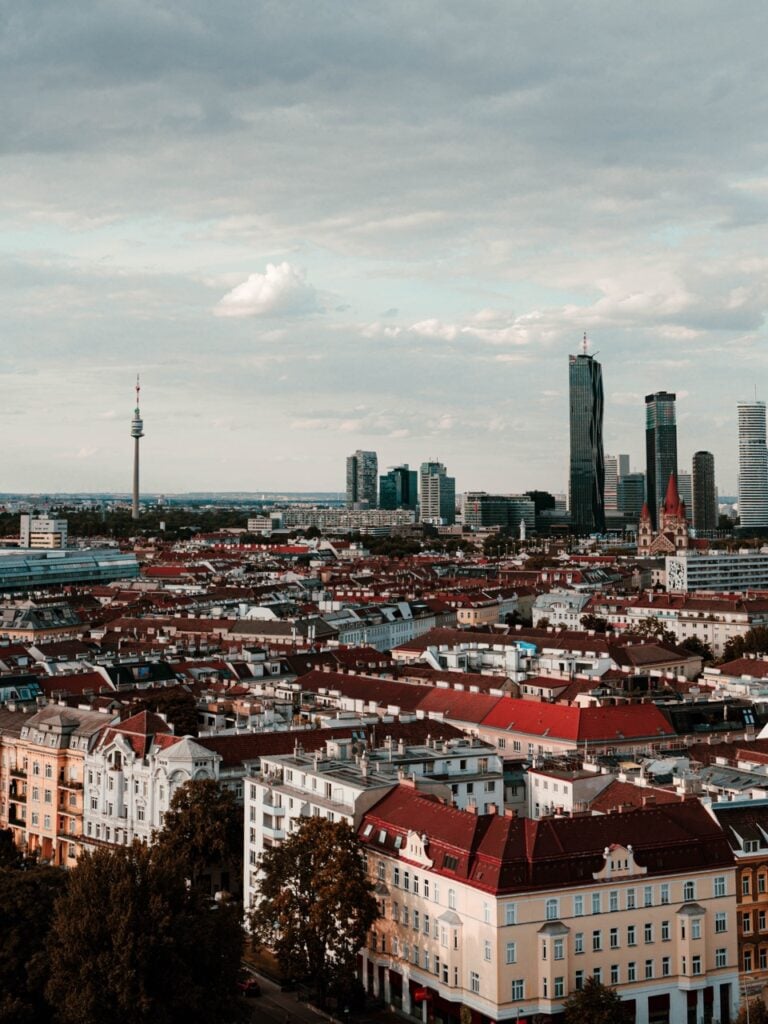
24 Useful Things You Should Know Before Your First Trip to Vienna
*Disclaimer: This blog is reader-supported, and this page might therefore contain affiliate links. When you book or buy through them, I may earn a small commission at no extra cost to you. It helps me write these in-depth and original guides, so thank you for the support! Full Affiliate Disclosure
I’ve been to Vienna multiple times, to the point where I feel like I can largely get around without checking a map. It wasn’t always like that, though. On my first trip to the Austrian capital in 2018, I felt like I was massively unprepared. Admittedly, the fact that I was the stereotypical twenty-something Brit abroad (i.e., mainly interested in beer) didn’t help.
Since then, I’d like to think that I have become more intentional about my travels. On top of that, I have also experienced enough of the Austrian capital to know exactly what first-time visitors should expect. This includes experiencing all the biggest pitfalls myself, so you don’t have to.
Based on my various visits to Vienna, I’ve put together this guide with the most important things you should know before your first trip. After reading, you should feel much better prepared for your adventure.
1. The Metro Doesn’t Run 24/7
This will come as no surprise to some, I know. I grew up in London, for example, where the Underground also doesn’t run round-the-clock. However, I now live in Copenhagen—where the Metro does operate 24/7.
Many of my European experiences prior to my first time in Vienna were in cities where the Metro didn’t stop running. Foolishly, I assumed the same would be the case in the Austrian capital. And so, I went to the Donauinselfest music festival blissfully unaware that my journey home was going to be more of a struggle than I planned.
After deciding it was time to leave, I went to the nearest Metro station. We then realized that we had missed the last train (and by quite a large amount of time, I should add). After getting in a taxi that we thought was ours, I realized it wasn’t when the person who had ordered the taxi threatened me. I did feel bad at first, but after he got aggressive, I’m not going to pretend that I was very willing to cooperate with him.
My fault in hindsight, but there we go. My way of dealing with it was to not get out of the taxi and instead tweet about it later. Useful tip: Don’t pretend you’re not rattled by showing that you very obviously are rattled to thousands of social media followers.
I’m not saying that you’ll get in late-night beef with someone else over a taxi dispute. But you absolutely should check when the last Metro train is, because it’s annoying to be in a random place and have to figure out an alternative plan. It’s even less fun if, as was the case with me, you happen to be quite far away from where you’re staying.
2. … But the Public Transport System Is Excellent
Although Vienna’s Metro doesn’t run 24/7, it is a fantastic way to get around the city during the day. Besides being clean, safe, and efficient, tickets are also very affordable. Apart from not checking the timetable, I have had zero issues using the Metro anywhere in the Austrian capital.
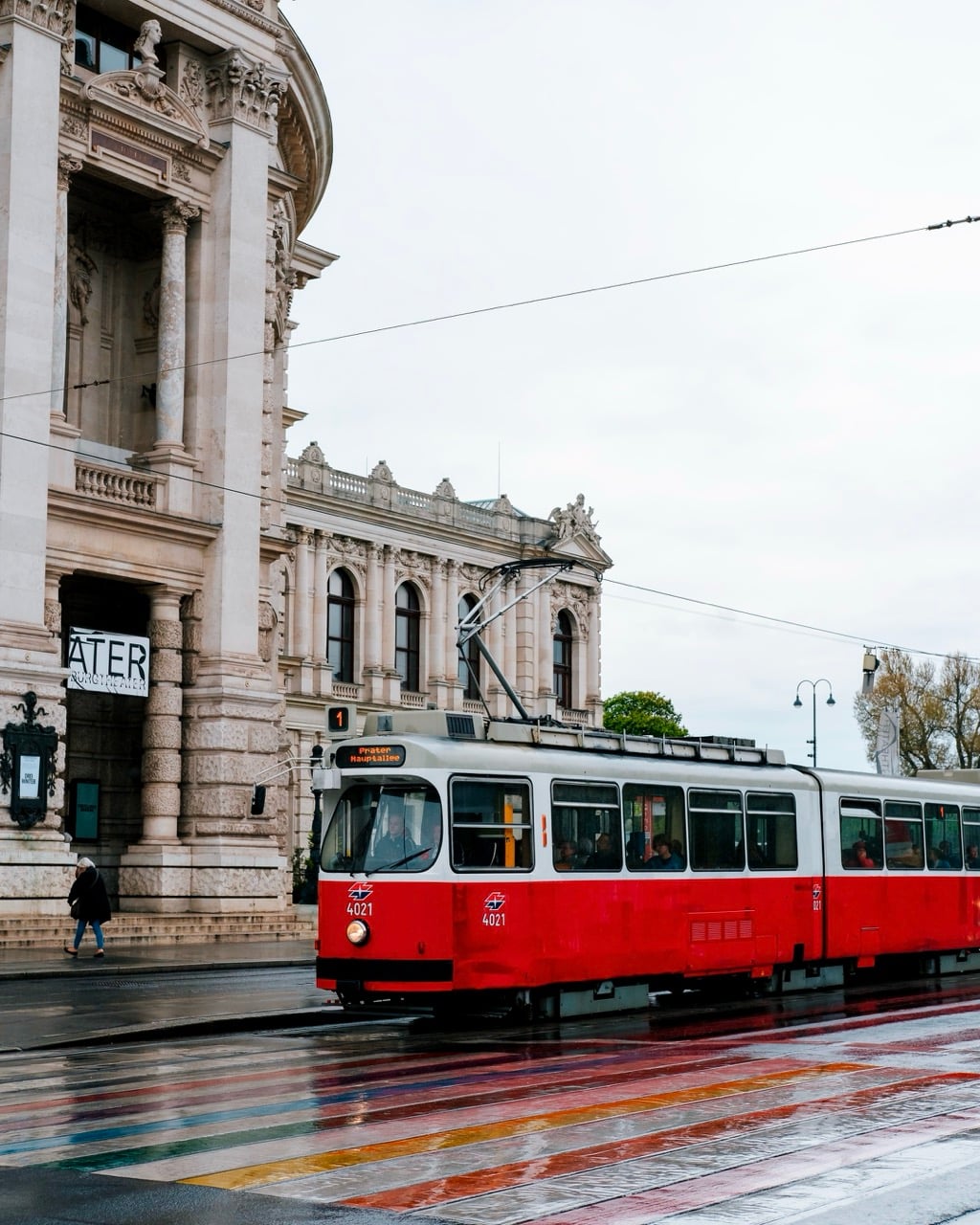
The same is also true for every other part of Vienna’s public transport network. You’ll primarily use the Metro when you’re in town, but trams are also a helpful way to get around within the city center. While there are buses, you probably won’t use these; I cannot remember ever using the bus in Vienna, to be honest.
Alongside a great public transport system, Vienna is pretty walkable. Parts of it are spread out, but getting from Point A to B on foot is rarely confusing. If you have difficulties with mobility, Vienna’s Metro is also very accessible.
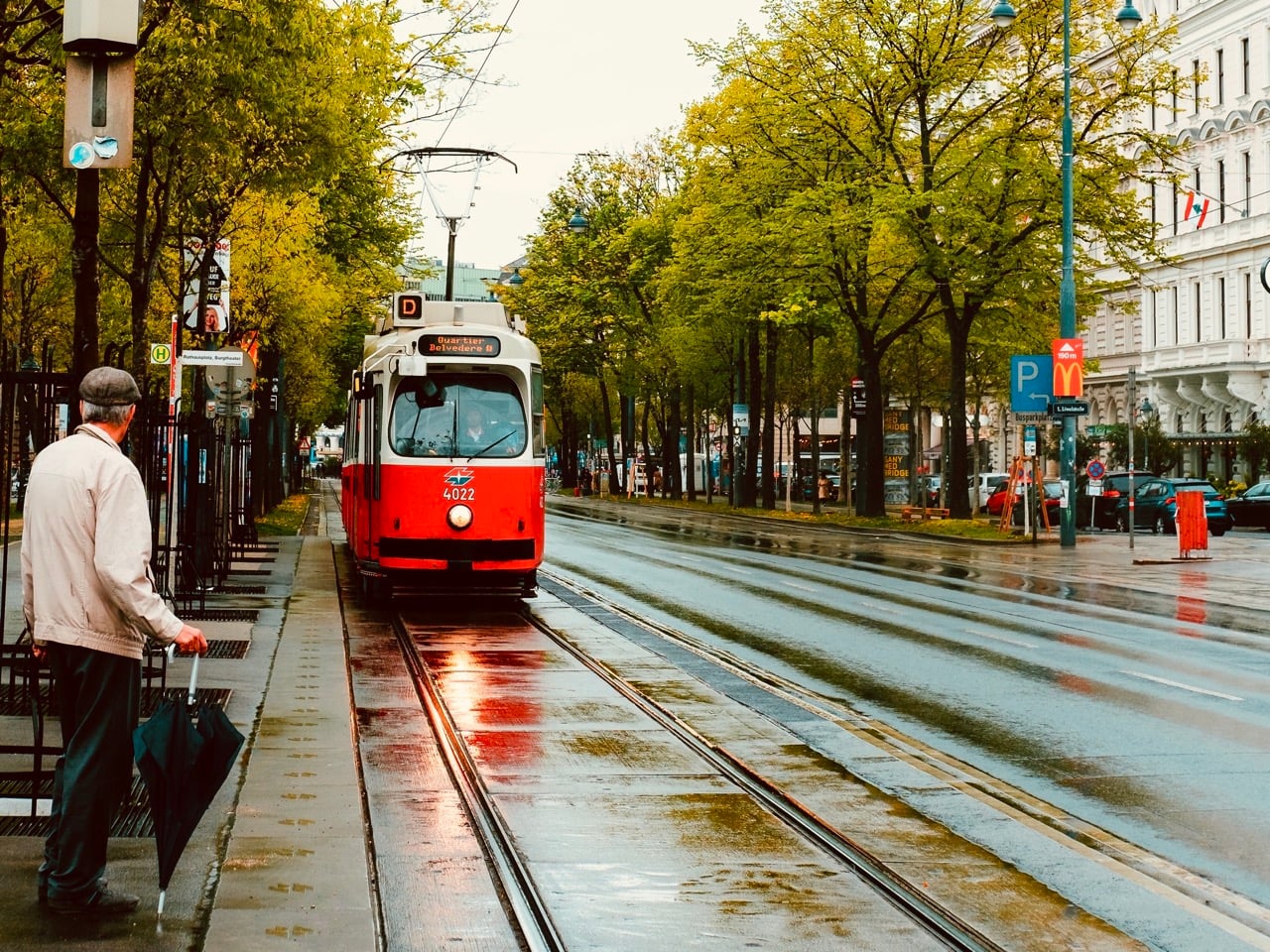
3. Don’t Expect People to Smile
Contrary to what others may think, I would not call Viennese people rude or unfriendly. However, they definitely can feel standoffish to some.
Do not expect people in Vienna to walk around smiling all the time; that simply is not the case. On top of that, you will find that the service in restaurants is often very different from places like the US. Small talk is not a big thing here, either (though this is also the case across all of Austria).
If you need help, people will usually be happy to assist. The term “Wiener Grant”—Viennese grumpiness—exists for a reason, but I’d say that people are mainly polite if stern.
4. Having Some Cash Handy Is Very Useful
I have used physical cash maybe once since I moved to Copenhagen in 2020, and I cannot remember the last time I used it in London. That goes for both when I lived there and also when visiting. Similarly, I rarely use physical cash whenever I travel around Northern Europe.
When you get used to paying by card everywhere, it’s very easy to think that you’ll never need to use cash again. However, you absolutely should keep some handy when you’re in Vienna. This is the case in many other German-speaking countries and cities, too; it’s something that throws me off guard when I visit Hamburg.
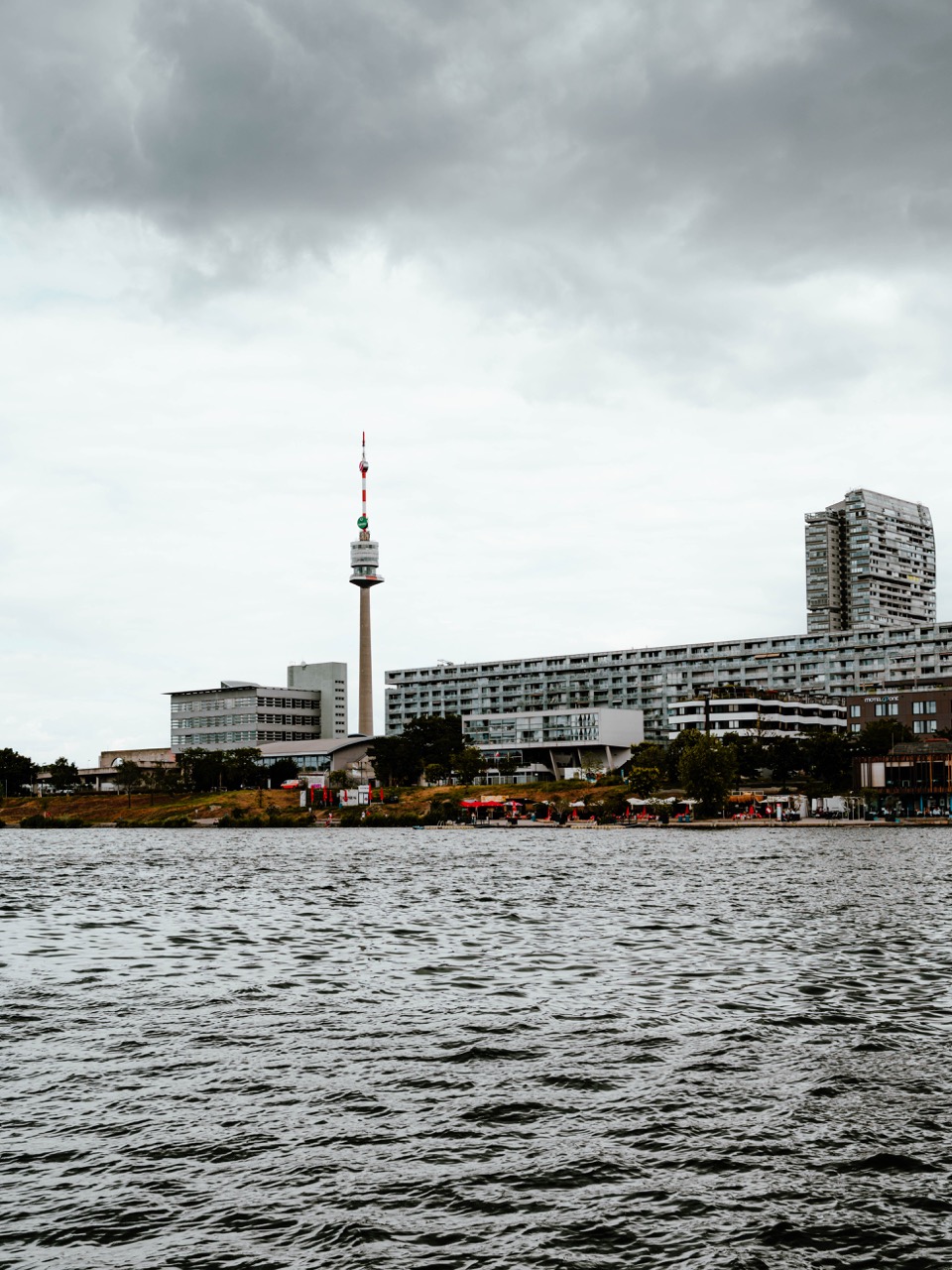
On my most recent trip to Vienna, I actually needed to use cash more than I had originally expected. This was the case when buying food at the Donauturm, and I also needed cash for the admission fee at St. Stephen’s Cathedral. Getting there draped in sweat, to realize you need to find an ATM, isn’t fun.
I’d say that carrying around €50 with you is smart. You will find ATMs dotted throughout the city, but it’s nice if you don’t need to rush around looking for one because you were caught out.
If you do use ATMs, use those at official banks. You’ll get a much better exchange rate when doing so and fewer fees.


5. Vienna In April Is Brutal for Hayfever
I went to Vienna in April once, and I must admit that it’s quite a nice time to visit. Admittedly, I wasn’t expecting it to be 23ºC (73.4ºF)… let’s just say that packing black jeans (and nothing but black jeans) was not my smartest decision. 🫠
One big problem, however, is that I do not deal well with hayfever. Since the hayfever season in Copenhagen and Scandinavia is later than in Central Europe, I figured that it wouldn’t be such a big deal in Vienna at that time. This, I can confirm, was not very intelligent thinking from me.
The hayfever on that trip was horrible, and I’m grateful that I had some strong tablets. Every night when I went to bed, I felt exhausted because of this. I’d actually suggest visiting at a different time of the year if you suffer from hayfever, if possible.
If not, bring some strong hayfever tablets with you. Oh, and maybe consider not wearing black jeans when it’s already quite warm. Don’t make my mistake.
6. The Humidity in Vienna Is Sometimes Unbearable
Vienna can get pretty warm during the summer, as can neighboring cities in nearby countries. For example, I went to Bratislava and Vienna on one summer trip, and it was very hot in Bratislava. I escaped that in Vienna as it rained heavily the day I arrived, but it can also get really hot and humid in the Austrian capital.
Temperatures are normally around 25 or 26ºC (77ºF to 77ºF) in the summer, but they can rise above 30ºC. When they do, it almost always feels hotter because of the humidity. I’m not a big fan of summer in general (yeah, there we go, I said it), but I particularly dislike summer in Central and Southern Europe.
It’s not like summer in the US, either, where yes—it’s hot—but you often have air conditioning. This is not the case in many buildings in Vienna. You will find this in some hotels, but it’s also not guaranteed.
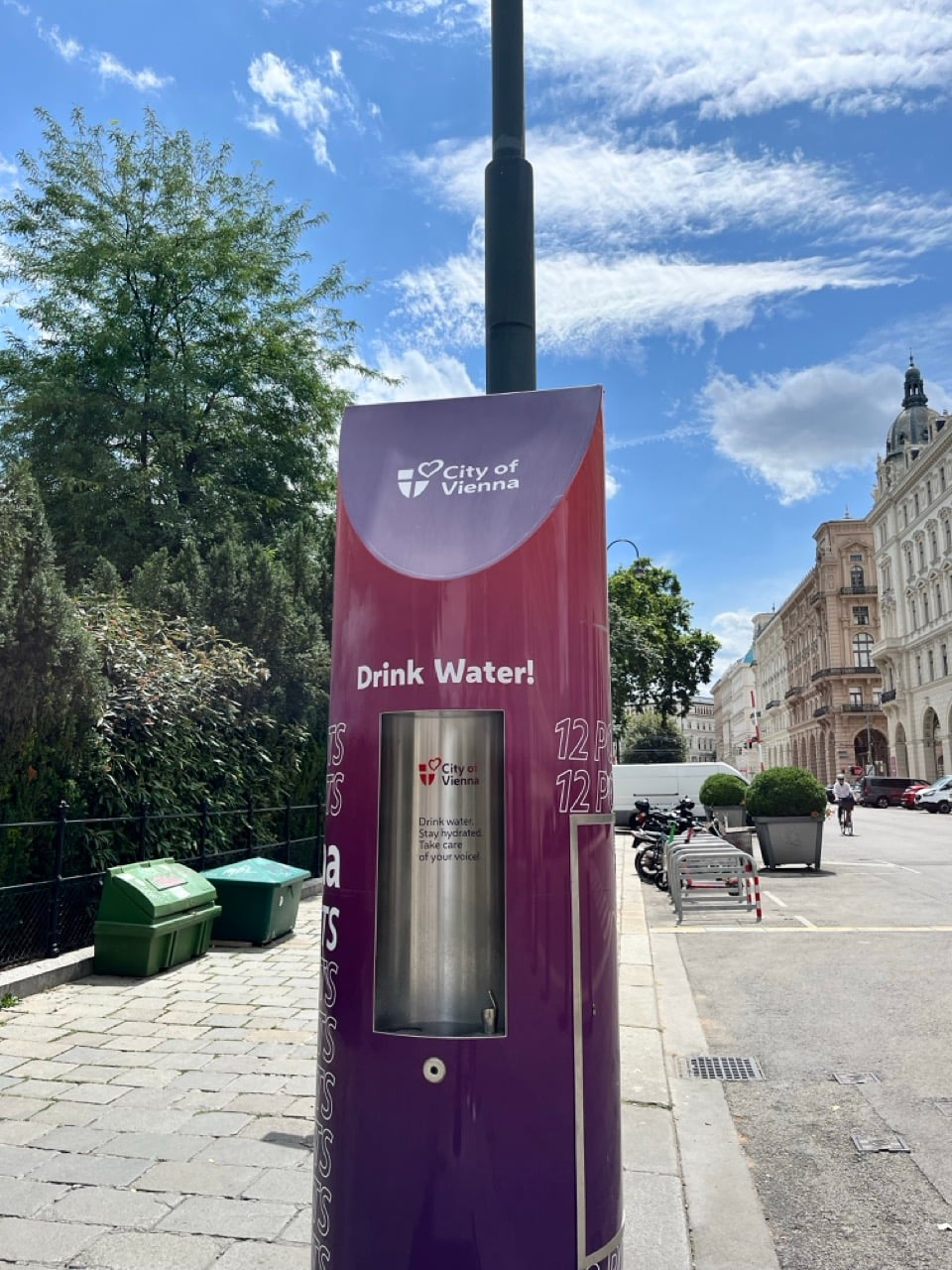
If you visit Vienna in the summer, I first recommend bringing a refillable water bottle. Tap water is safe to drink in the city, and you’ll find places to refill your water bottle throughout the Austrian capital. Secondly, you should look for hotels with air conditioning; this will generally be the newer ones.
7. Viennese Cuisine Is Very Good
Initially, my reasons to visit Vienna had nothing to do with food. Now, however, I’d say that’s about 90% of why I do. While I like the food in Austria, in general, Vienna is by far the best food city in the country.
Viennese cuisine covers classics like Schnitzel, and yes—you absolutely should try one of these. For what it’s worth, Fromme Helene is a good choice in this respect. It also includes things like strüdel. You can get some kinds of food served in Vienna in nearby countries, but the Austrian capital excels with hearty dishes and sweet treats.
I also really like the café culture in Vienna. You’ll find beautiful cafés dotted throughout the city, and you can stay in these for hours without feeling like you need to move elsewhere.
You’ll find several kinds of coffee in Vienna as well, so there’ll almost certainly be something to meet your needs. This includes Viennese coffee, though I must say I’m not the biggest fan of that one in particular. Then again, I don’t like sweet coffee in general (a sweet treat with coffee, on the other hand, is nice).
8. And Surprisingly, You Can Get Lots of Good Vegetarian and Vegan Food
I’d call myself a flexitarian, which is basically what you say when you cop out from going fully vegan. I eat way less meat than I used to, which is really down to the fact I don’t like the taste as much as before. Plus, since I started learning how to cook myself, I’ve found that cooking with vegetables is way more fun and versatile.
On one of my most recent trips to Vienna, I wanted to try something besides Schnitzel and the like. To my pleasant surprise, I found some pretty good vegan and vegetarian restaurants.
My personal favorite is Shiyu Vegan Creative Kitchen, which was close to my hotel (which, for the record, was Superbude Wien Prater). Hollerei, meanwhile, is a vegetarian restaurant that I also think is worth your time.
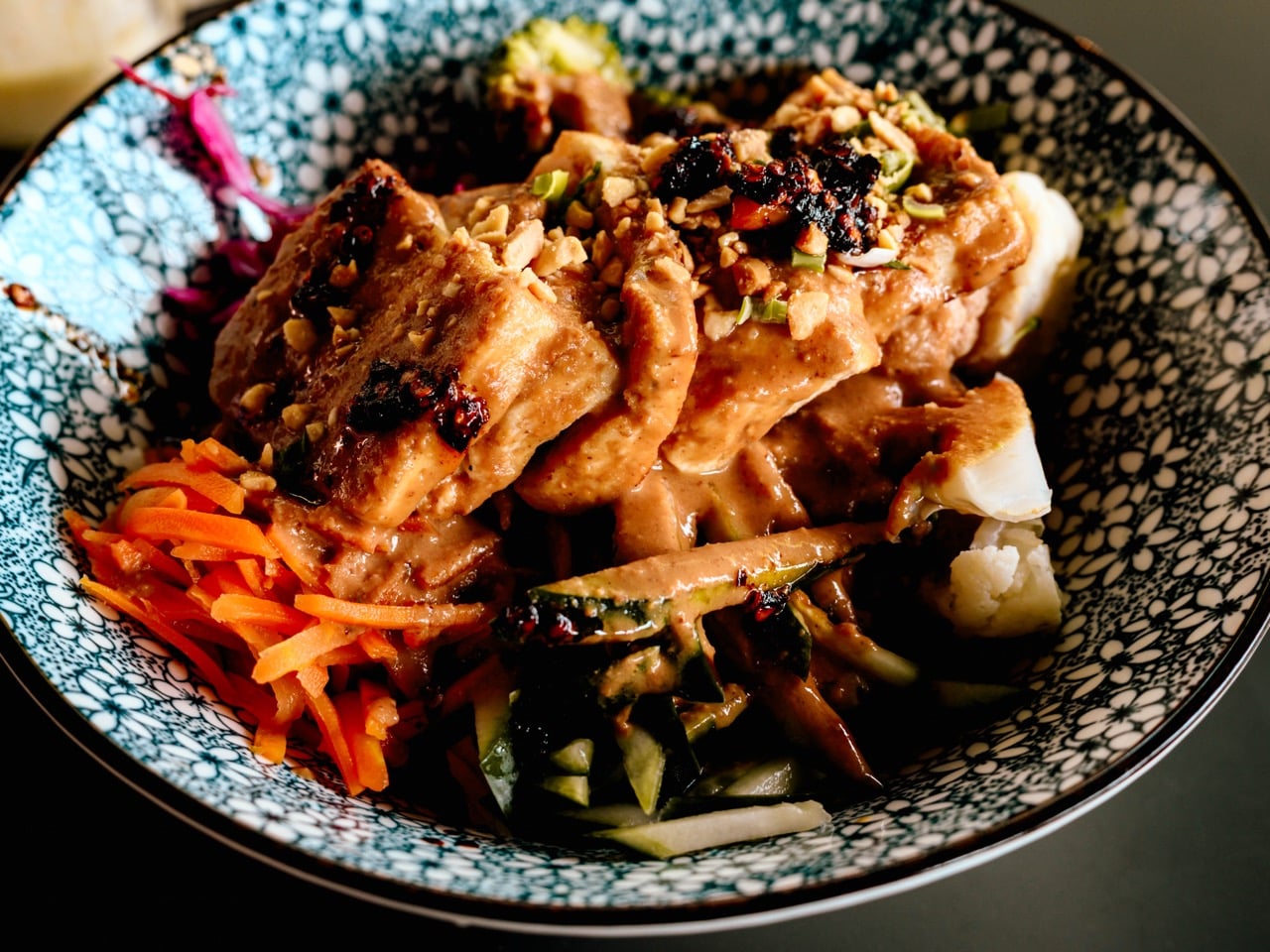
You’ll find a number of other vegan restaurants and even some bakeries catering to you, so don’t worry about that. I’m sure that I’ll discover more options in the future, and maybe I’ll even stop calling myself a flexitarian. 🤷🏾♂️
9. Vienna Isn’t the Best Place for Nightlife, if You Ask Me
Do you remember that I spoke earlier in this guide about being the stereotypical drunken young Brit abroad on one of my previous trips? It turns out that besides midnight taxi rank beef, this actually had some positives. Mainly, that I could try Vienna’s nightlife.
… and let me tell you, it’s pretty mediocre.
To be honest, you probably aren’t visiting Vienna to go on a night out. The city hardly has a reputation for nightlife, and that’s because even when I enjoyed clubbing (those days are long gone), I still found Vienna to lack massively in this respect.
Vienna does have good beer, though. If you want to explore the city and occasionally hop into nice bars and restaurants, the Austrian capital is for you. If you want high-level nightclubs, I’d suggest going elsewhere. For what it’s worth, Bratislava—one hour away—has good nightlife.
10. Vienna Has an Excellent Range of Accommodation
One of my favorite things about Vienna is that it has a very good range of accommodation. You’ll find newer hotel chains across the city, especially close to the Central Station. On top of that, you can stay in a number of boutique hotels that feel like you’re being transported back to the 19th century.
Whether you’re looking for a budget stay or something more grand, Vienna almost certainly has you covered. For budget accommodation, I recommend the Wombat’s City Hostel next to Naschmarkt. I stayed here in 2018, and it was super nice; the common room is also cool.
Prices in Vienna will vary depending on what you book, but I’d say that you can expect to pay around €50-75 per night for something mid-range. Leonardo Hotel Wien Hauptbahnhof is a good option in this respect. The aforementioned Superbude Wien Prater is also great.
You can search for all accommodation options in the city here.
11. Uber Is Widely Available and Affordable in Vienna
On my first return to Vienna after *that* taxi incident, I set the very low bar of “don’t get in a random scuffle at midnight this time”. I have no idea if Uber was available at that time when I first visited the city, but it definitely was when I returned. And as it goes, it’s pretty good.
Uber is widespread in Vienna, and personally, I had no issues getting a ride. Fees are also affordable, even at peak times. You can book your taxis in the same way that you would when using the app anywhere else.
I largely used Uber when I went out to restaurants and couldn’t be bothered to wait for the Metro. This is how I would recommend using it; you probably won’t find it very necessary during the day.
And just in case you’re wondering: I achieved my goal of not getting into beef this time. I guess I really have grown up.
12. Vienna’s Main Station Is the Size of a Town
Wien Hauptbahnhof serves trains from all over Austria. Beyond that, though, you can also get to many countries in Europe from this station. Trains arrive and depart to and from Hungary, Slovakia, and the Czech Republic, to name a few.
On top of this, Vienna Central Station has several shops. All of this leads to something that is the size of a town in and of itself.
While the station itself is very efficient, I don’t like using it so much because of its size. Because of this, I will leave a lot of extra time when going to the airport. That way, I can ensure that I get on my train without feeling stressed about trying to find the platform.
If you need to use this station (or you’re staying close to it), keep this in mind. One positive, at least, is that it’s one of the nicer modern train stations in Europe.
13. Allocate More Time Than You Think You Need at Schönbrunn Palace
Schönbrunn Palace is one of my favorite palaces in Europe, let alone Austria. If you’re into history, you absolutely should allocate some time to visit when you’re in town. And when I say “allocate some time”, I mean “allocate more time than you think is necessary”.
This palace is huge, with several rooms to explore and learn about. Beyond that, though, the gardens are also seriously impressive. You should spend a decent chunk of time going around these, especially if you’re here on a sunny day.
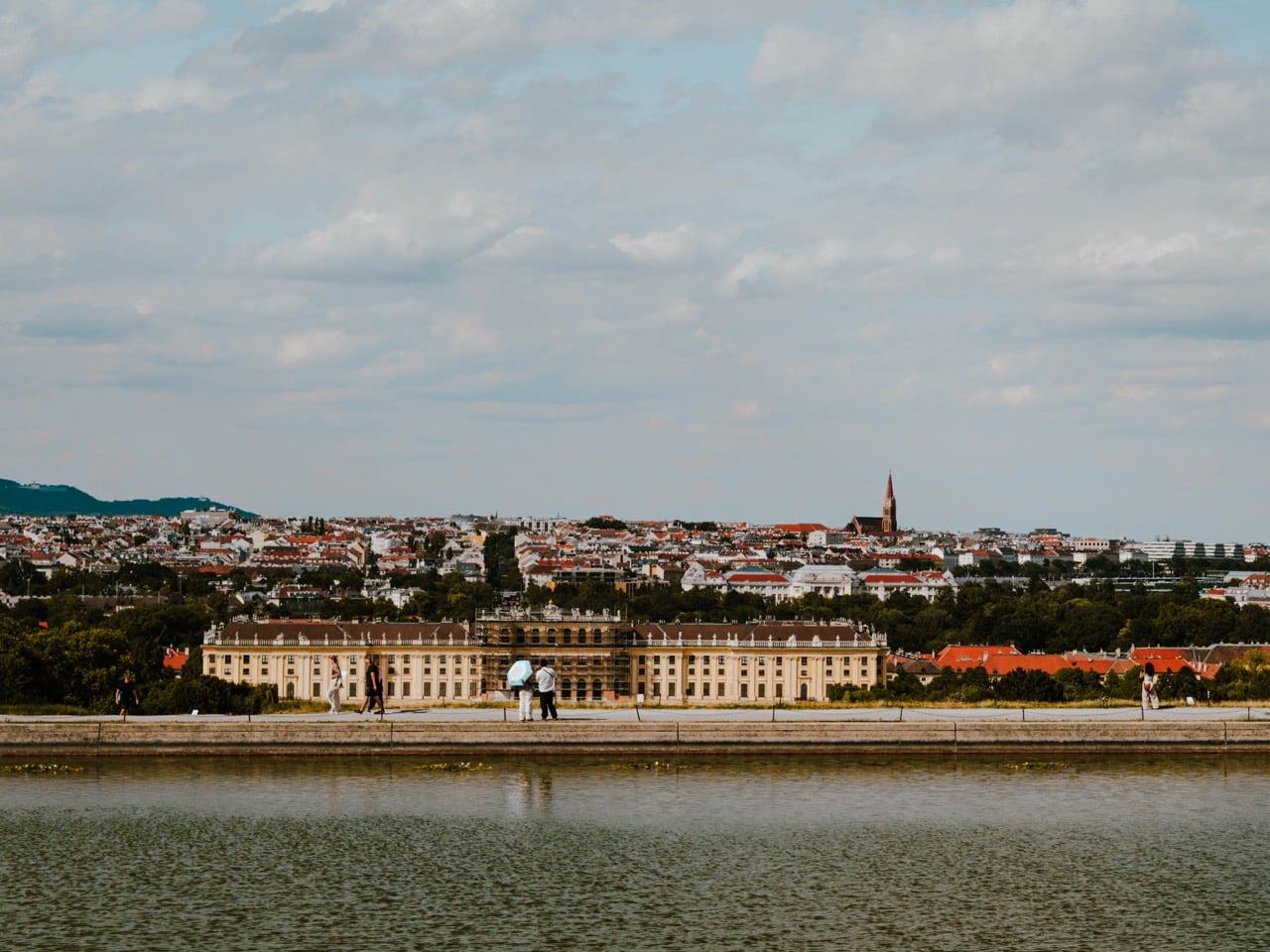
For what it’s worth, I spent a whole afternoon here when I went for the second time. That was without even going to see the rooms. I deliberately took my time as I wanted to go really deep while I was here and explore as much as possible. Admittedly, the fact I was eating dinner nearby and couldn’t be bothered to go back into the city center—and then come back out again—was another motivator.
Speaking of which: You’ll also need to consider the travel time here. Schönbrunn Palace is easily reachable on the Metro, but it is not in the city center. I’d allocate around half a day, especially if you plan to see the rooms. You should keep your schedule open afterward, too.
Useful Tip: The gardens are open longer than the rooms. You can, however, visit the rooms after closing time as part of a tour if you wish to avoid the crowds.
14. Do Not Underestimate the Summer Crowds
I decided to spontaneously visit Vienna on a solo trip during the summer, and for whatever reason, I did not think about the crowds. Maybe I thought that it wouldn’t be as busy as Prague or Budapest, which was foolish on my part considering I had literally been to Vienna in the summer before already.
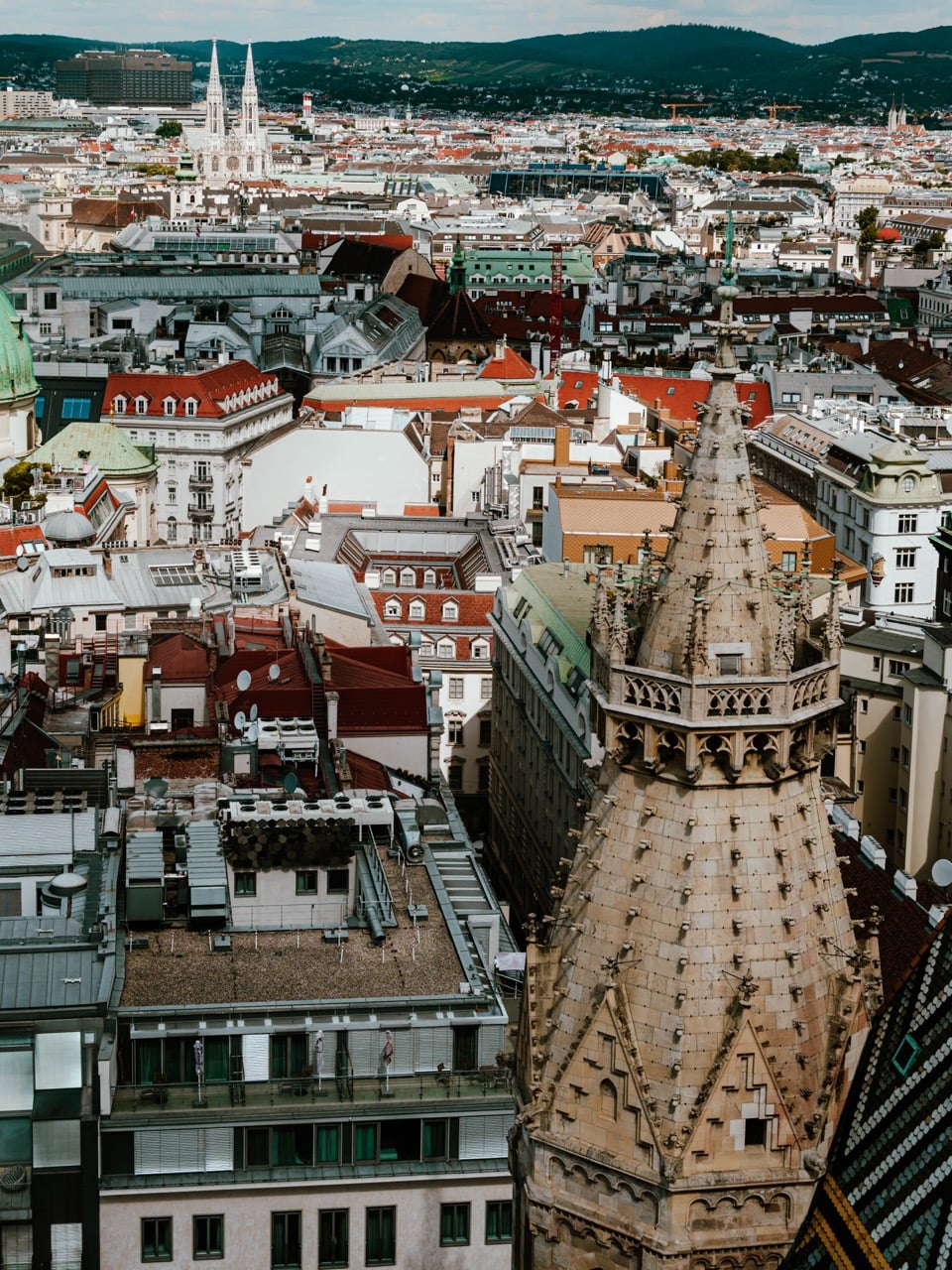
While I wouldn’t say that Vienna is as bad as other European capitals for crowds, I did sometimes get overwhelmed. This was particularly true at Stephansdom (St. Stephen’s Cathedral). Even though I went there just after opening time, the crowds inside the church were already quite big. Climbing to the top of the South Tower—which is a narrow staircase, to say the least—also meant having to let people pass multiple times.
I won’t even lie to you: I was pretty mad by the time I got back down and fed up with people at that point. So, I hopped on the Metro and got out of the city center.
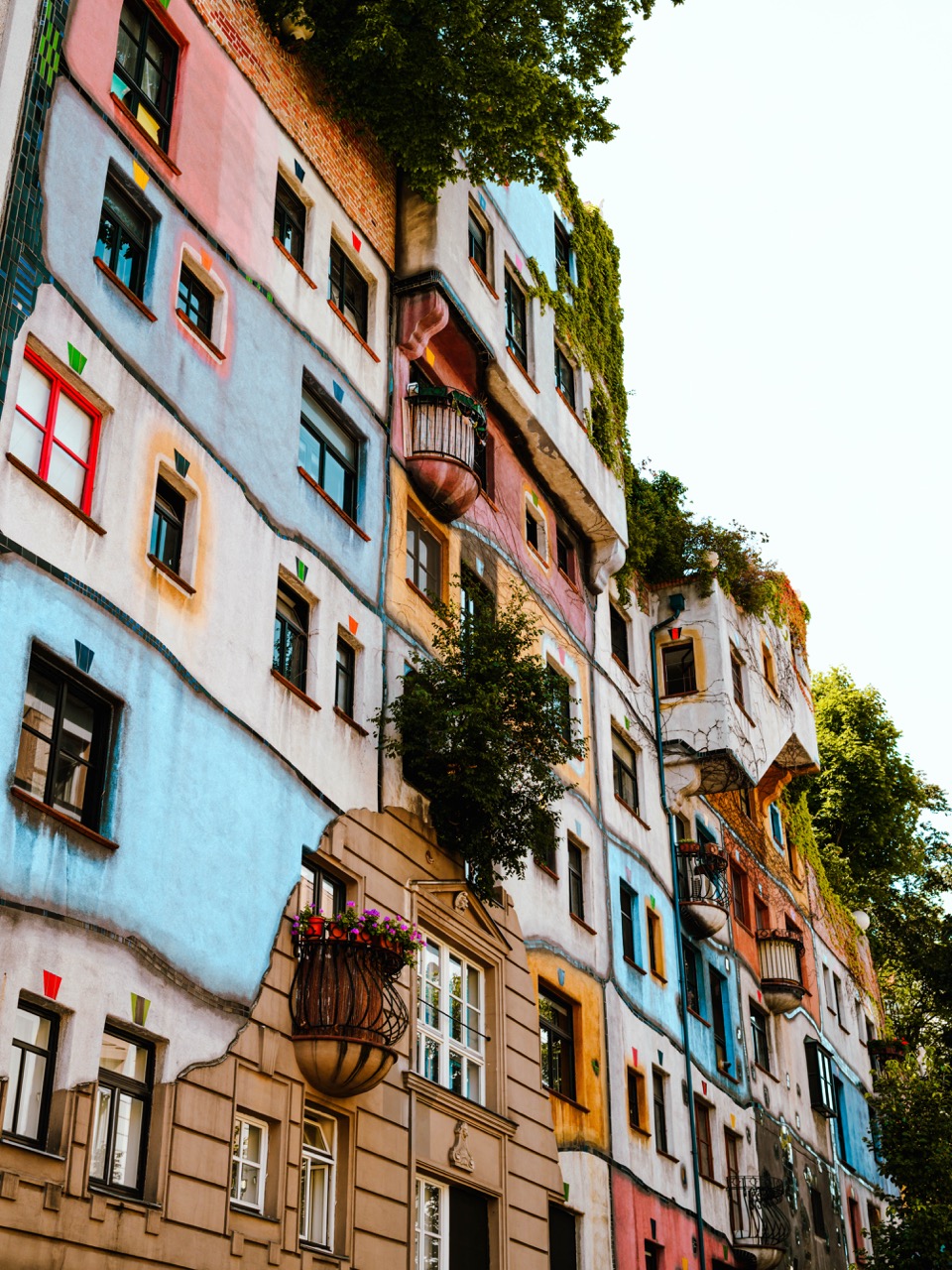
The good thing is that Vienna has plenty of places where you can find some space for yourself. But at the same time, expect it to be busy at the main tourist attractions. The most crowded ones for me were Stephansdom and Belvedere Palace. Schönbrunn Palace was busy in the main part of the garden, but it’s so big that you can easily escape the crowds. The streets near the Hundertwasser House were very busy, meanwhile.
15. Vienna Is an Incredibly Safe City
Not having to look over your shoulder is nice in all circumstances, but this is particularly true when traveling. You certainly won’t need to do that in Vienna; it’s one of the safest cities in Europe. I have never really felt in danger while traveling in the city at any point.
You would have to be incredibly unfortunate to encounter violent crime, and your biggest worry will be pickpockets. Even then, though, this is nowhere near as much of an issue as it is in some other European cities.
The same common sense applies to everywhere else with pickpockets. Keep your belongings in places that are hard to reach, and you’ll probably be fine. Public transport in Vienna is also very safe to use, so don’t worry about that, either. And to be honest, the same common sense you’d apply in any city—in general—also applies to Vienna.
For what it’s worth, I was also told that the area around Praterstern Station would be sketchy. Personally, I did not find this to be true. I stayed near here on one trip and arrived quite late. Outside, I saw four homeless people stacking cups and listening to music; that’s about as intimidating as it got.
I’m not saying that nothing will happen. You could definitely get unlucky, and I’m sure that you could find trouble if you looked for it. But for most tourists, I’d say that Vienna is safe.
16. The Austrian Capital Has a Very Good Airport
If you had told me this would be my opinion after my visit, I would have laughed at you. I proudly told everyone how much I hated Vienna Airport. When I was constantly corrected, I looked inwards and wondered if… maybe I was the problem?
Turns out that, in this case, I was. Vienna Airport is very efficient, and you can fly all over Europe from here. What’s also nice is that the city only has one international airport. So, even if you arrive on a budget flight, you won’t end up in some random place miles away.
Oh, and since visiting multiple times after my first trip, I stand by the fact that I was initially wrong. Vienna Airport is one of the best I’ve used. Getting in and out is super easy, and I also found getting through security to be very straightforward.
Speaking of getting to and from the airport: I recommend using the ÖBB Railjet trains, which cost less than the City Airport Train. The journey isn’t too long with them, either. You can buy tickets at the airport’s train station.
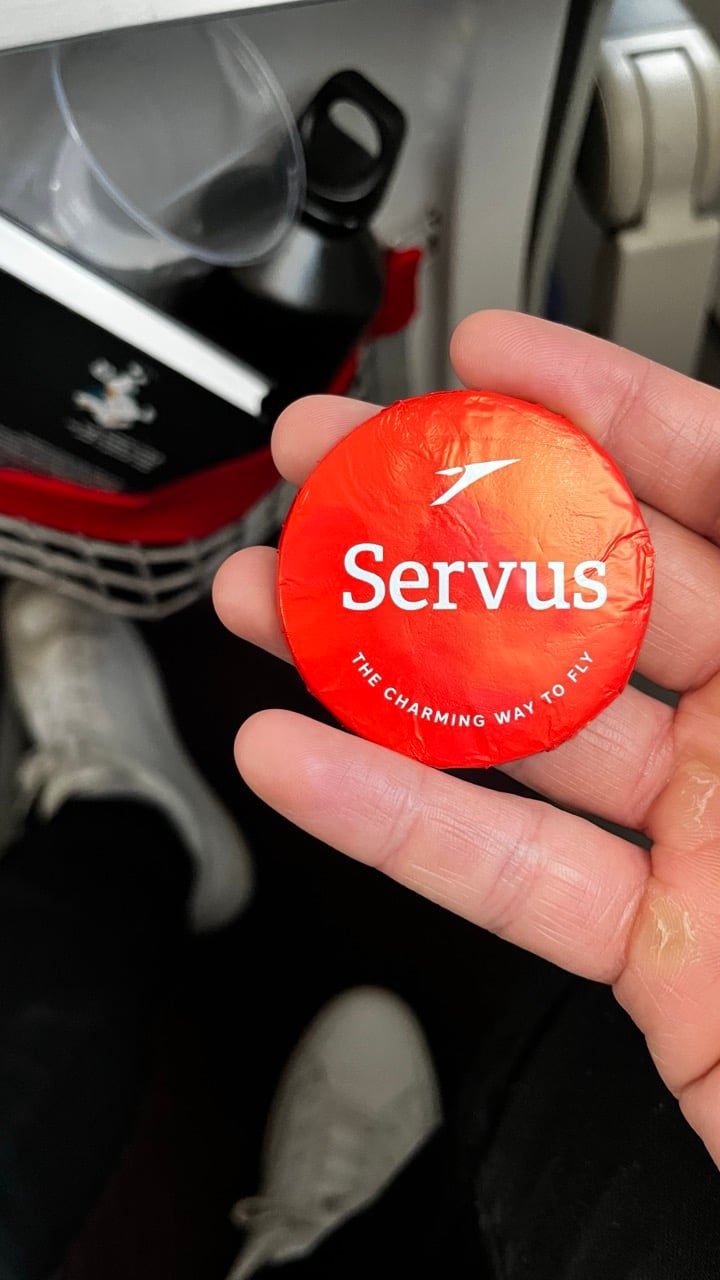
17. If You Fly With Austrian Airlines, You Might Get Free Chocolate 🙂
This is not my main reason for flying with Austrian Airlines, I have to say. The main reason is that Ryanair is my only other option, and… I’d rather not if I can help it 🤣.
Still, it’s nice that when flying with Austrian Airlines, you’ll typically get some kind of sweet treat. For me, it tends to be chocolate (and at that, I mean chocolate served in some nice packaging as well).
Austrian Airlines in general is a good airline, too, with comfortable planes and friendly staff. Their tickets are also not too expensive. So, if you can, I recommend flying with them. One thing I would say, though, is I had to pay extra for my backpack when I got the cheapest ticket with one personal item. So, I’d keep this in mind and recommend that you consider getting the baggage you need.
18. While You’ll Need Cash in Some Places, Card Payments Are Also Widely Accepted
I spoke earlier about how I’ve been caught off guard when needing cash. But thankfully, you don’t need it for every single place you go to.
Most big restaurants, shops, and bars in Vienna will accept card payments. While a lot would prefer to take cash, they often won’t turn you away for using a bank card. Definitely check in advance, though.
If you use card payments, VISA and MasterCard are both widely accepted in the city. American Express is not used as often, so I recommend having one of the above-mentioned options. If you sign up for an EUR account with Wise, you can choose a digital or physical card of these kinds as well.
19. You Don’t Need to Tip in Vienna, but You Can
One thing I’ve gotten used to from living in Scandinavia is not needing to tip when I go to restaurants. This is, naturally, a big contrast from whenever I go to visit the US. And if you’re visiting from a country where tipping is part of the culture, this question will naturally be on your mind.
For what it’s worth, you don’t *need* to tip in Vienna. However, many people do—and I recommend doing the same if you get good service.
In many cases, you can round the bill up. When I asked at a restaurant, they told me that around 7% is normal. For the sake of ease, I’d say that anywhere between 5% and 10% is okay.
Whenever I’ve tipped in Vienna, I’ve just told the waiter / waitress how much I’d like to add in tips. Most of the time, you can—if you’re paying by card—choose this on the card terminal. Otherwise, you should be fine to pay in cash.
20. You Will Have No Problems Getting Around Vienna Speaking Only English
While the official language in Vienna (like the rest of Austria) is German, I have never had any issues speaking English. I’ll use the standard “danke” to say thank you, but when interacting with people in general, I just use English.
Even outside the touristy areas, you should have no problems getting around in English. Proficiency will differ, but pretty much everyone understands the basics (and most people are what I would consider to be fluent).
Most restaurants I’ve eaten at have had menus with English translations. However, there have been some occasions where I have only gotten a German-language version. In these instances, Google Translate or some good old-fashioned “asking what does this mean” have been absolutely fine.

21. Vienna Is Neither Cheap Nor Expensive
I was bracing myself for Nordic-level prices when I first visited Vienna, as I had heard that it’s a pricey city. I don’t think it’s super expensive, though—but at the same time, it’s not cheap.
Restaurants are reasonably priced, for the most part, in my opinion. I also think that public transport in the city isn’t too pricey—especially considering how effective it is.
Hotels can be cheap or expensive, but this will largely depend on your tastes. I will, however, say that hotels around Christmas are super expensive. Vienna’s Christmas Markets are very popular, so I guess it makes sense.
Besides accommodation, the main costs will be tourist attractions. Entry tickets are generally quite expensive for museums, galleries, and the like. Getting the Vienna PASS can be worth the money if you plan to visit multiple places.
Beer doesn’t cost too much, and neither does coffee. You absolutely can do Vienna on a budget; your biggest expenses will be museums, palaces, and galleries, which can be on the higher end.
22. The Viennese Are Quite Formal
You’ll notice that everyone in Vienna’s service industries is well-dressed, from hotels to restaurants and bars. I was also taken aback when I was referred to as “Sir” upon checking into my hotel once, though I must say that it was quite nice.
This doesn’t mean you need to show up in a three-piece suit, but smart casual is very much the way to go when you go out to bars and restaurants. People in Vienna tend to dress well on a day-to-day basis, but as a tourist, I’d say that you should wear whatever you feel comfortable in.
If there’s one thing that maybe doesn’t translate so well in Vienna, it’s sarcasm. Which, as a Brit, I found difficult to adjust to. Basically, be direct when you speak and say what you mean.
23. Vienna’s Architecture Isn’t All Old and Fancy
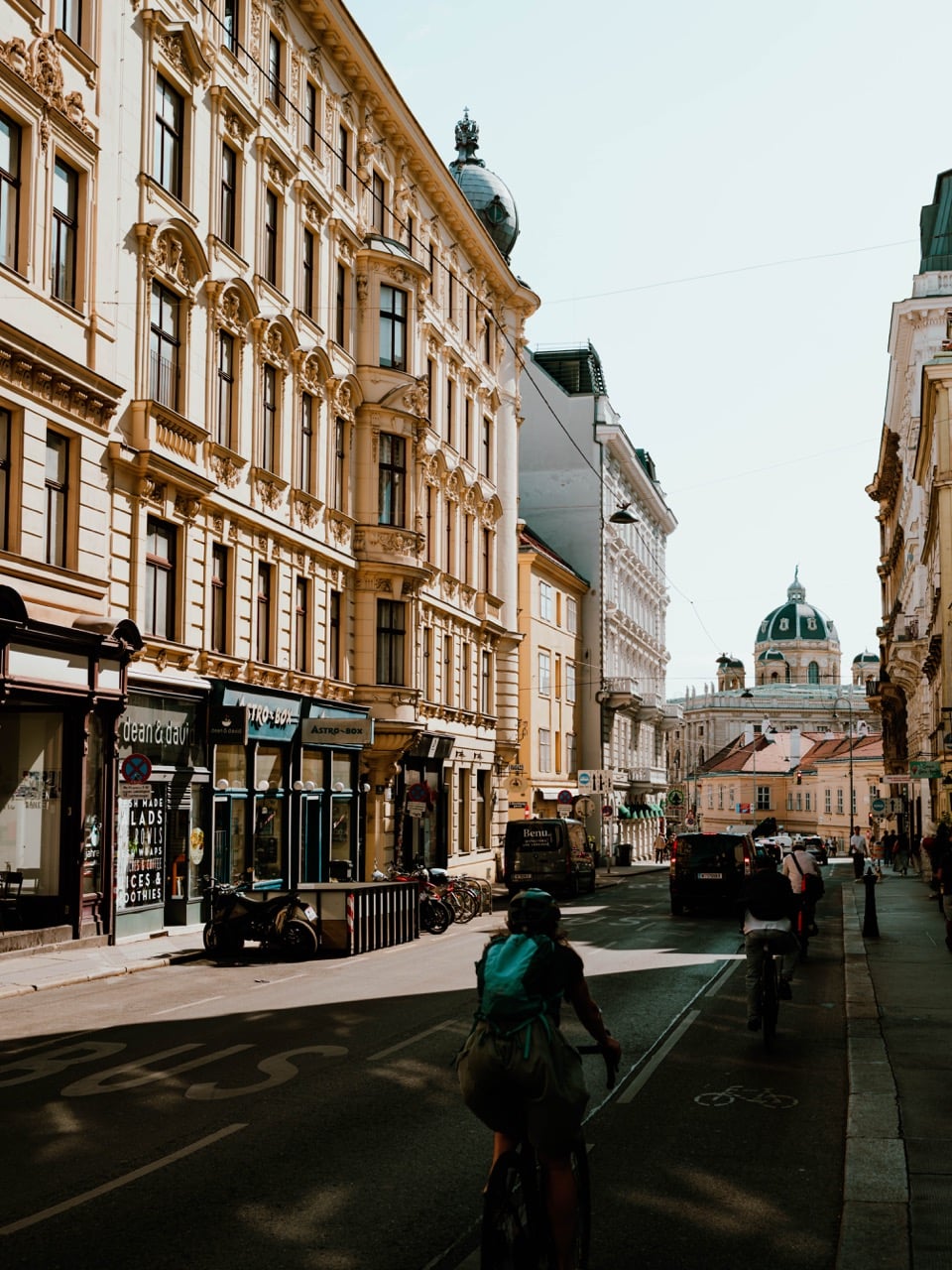
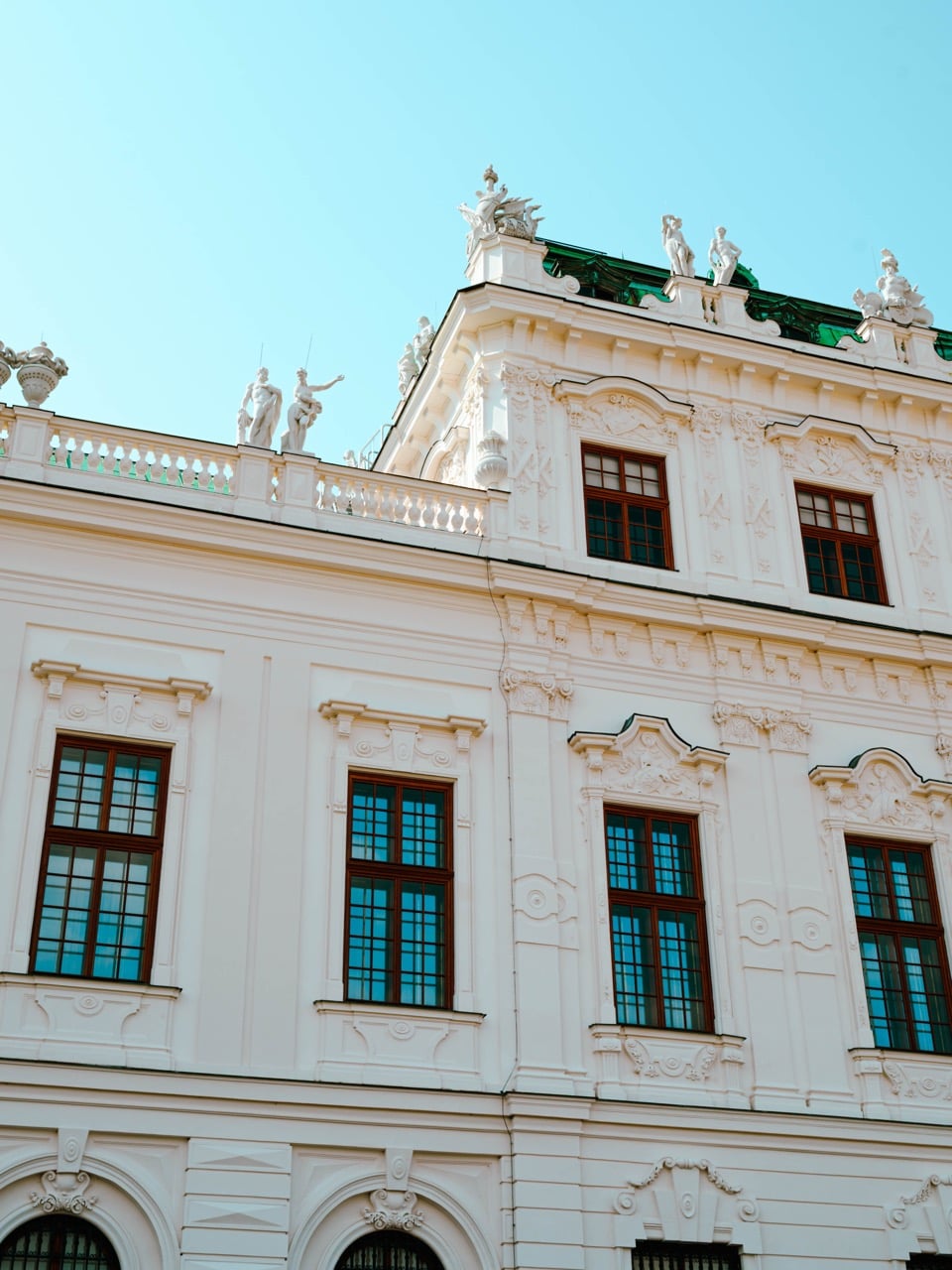
Most photos you see of Vienna are from the city center, and more specifically, its main attractions close to Ringstraße. The exceptions to this are Schönbrunn Palace and Belvedere Palace. Either way, you’ll probably have seen plenty of pictures showcasing Vienna’s grand architecture.
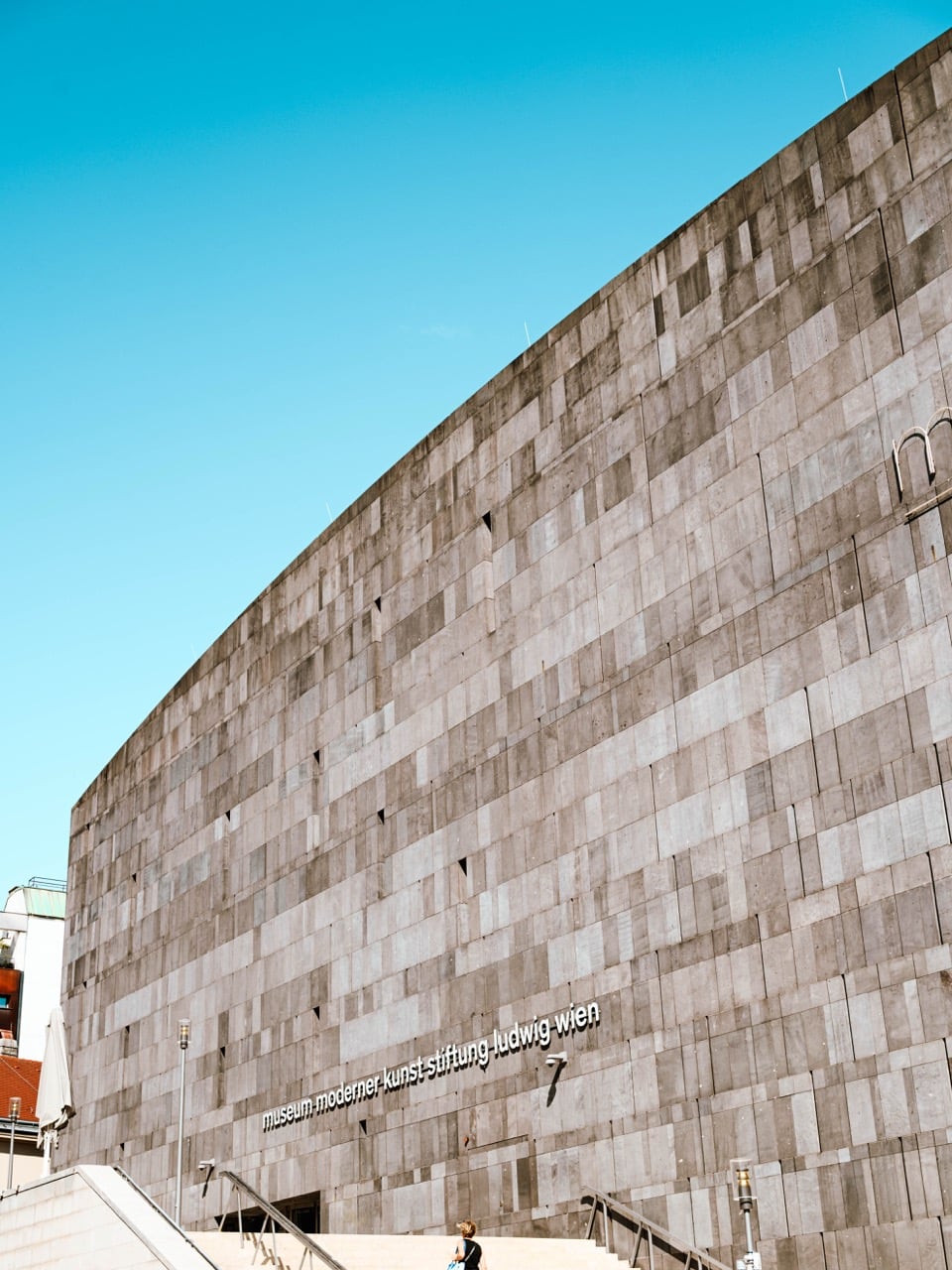
However, coming to Vienna and expecting everything to look like this is a mistake. The city is very diverse architecturally, and not every building is beautiful. I had the same feelings when I visited Kyoto, which forced me to set my expectations right for that particular trip as well. I guess you could boil this down to “Instagram isn’t always an accurate depiction of real life”.
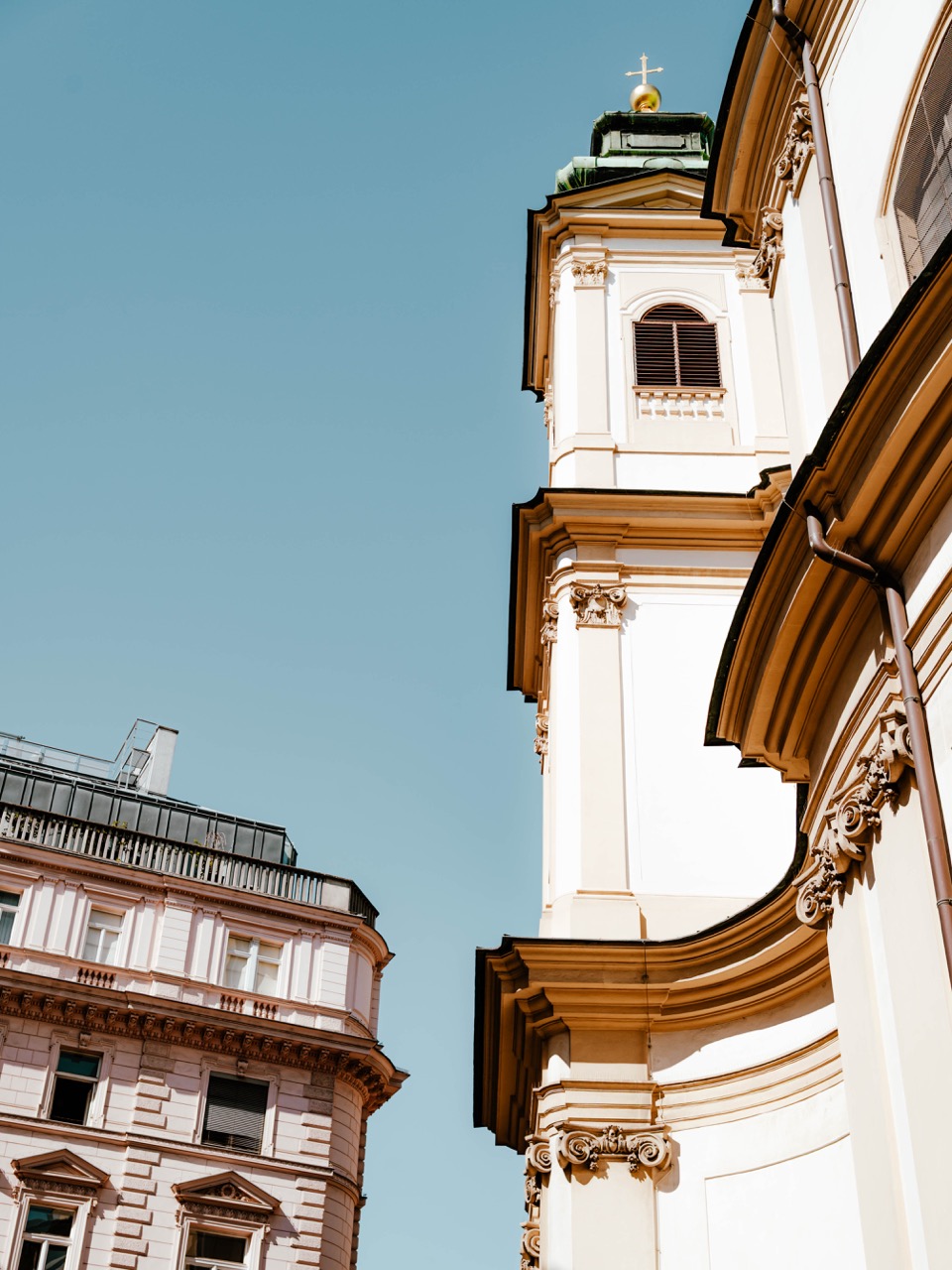
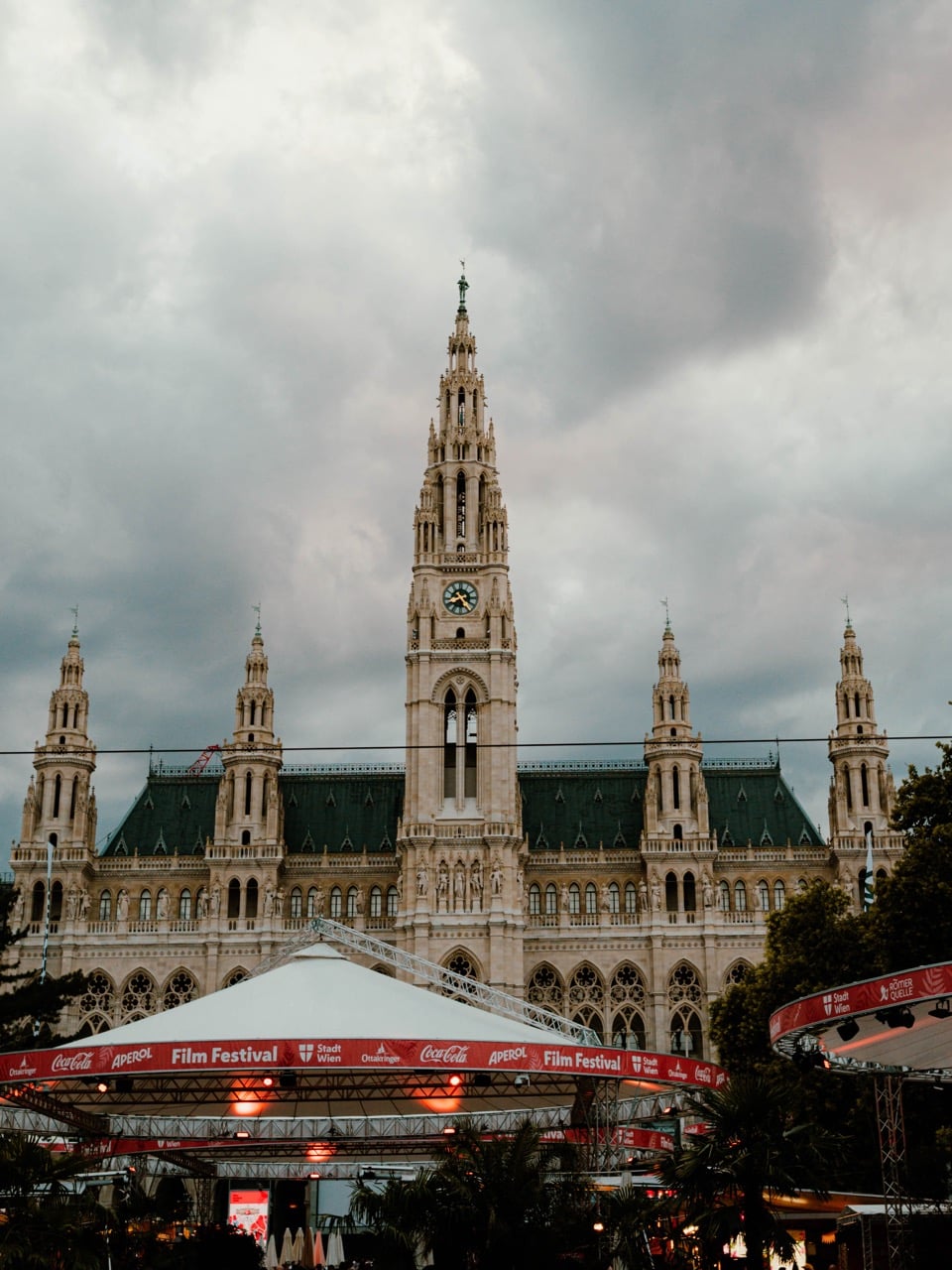
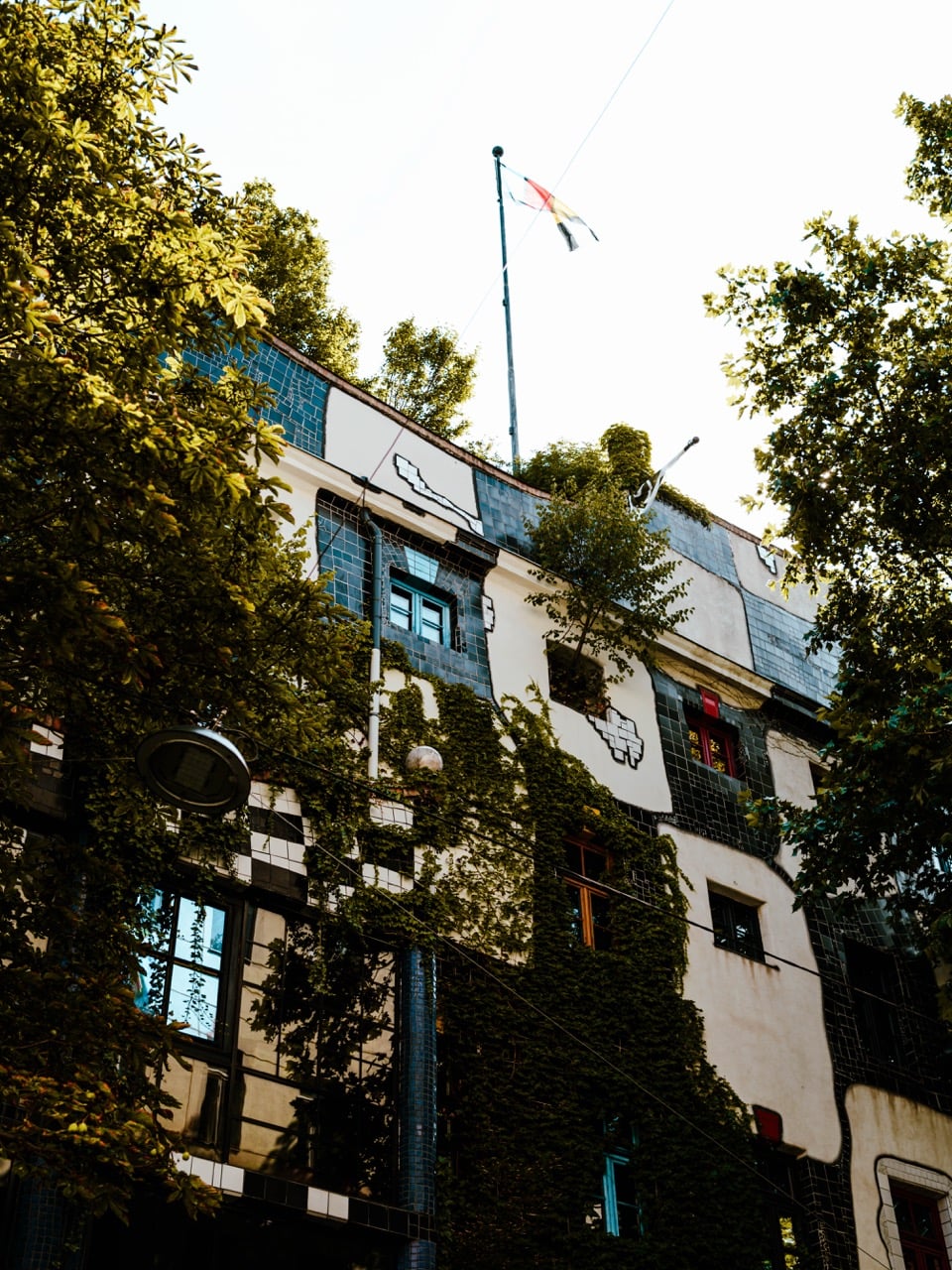
For what it’s worth, the palaces in Vienna *are* stunning. The same goes for its churches and the City Hall. However, I do recommend checking out the city’s architecture from different eras, too. For example, the Hundertwasserhaus is really cool (though you should go very early in the morning to avoid the crowds).
You’ll find both modern and older architecture in Vienna, and I think it makes the cityscape look quite cool.
24. You Might Not Like Some of the Drivers in Vienna
First and foremost, you—as a tourist—do not need to rent a car in Vienna. The public transport system is excellent and will get you everywhere you need to be. However, you will need to deal with drivers when crossing the road.
I’m not going to generalize a city of 2 million people, but some of the driving in Vienna was a bit too aggressive for my liking. Admittedly, “my liking” is Denmark—which generally is quite respectful. If you’re used to driving in Italy, I’m sure that Vienna will be a dream in comparison.
For me, though, I felt like a lot of drivers in Vienna were not particularly patient. I also did not want to cross the road on multiple occasions, when there weren’t lights, because I wasn’t sure they would stop. Sure enough, some of them very much did not.
I’ve definitely been in worse cities than Vienna for driving, and again, your mileage may vary depending on what you’re used to. But for what it’s worth, jaywalking is an absolute no-no (and beyond the dangers, it’s illegal and you risk a fine). I’d say that basic common sense will be fine here, though; Vienna is definitely not like trying to cross a road in Vietnam or whatnot.
Some Useful Tips for Your First Trip to Vienna
Vienna is one of my favorite cities for a weekend trip, and I’m sure that I will continue to visit plenty more times in the future. However, things work a bit differently here from what you’re used to. As a result, doing some research in advance is a very good idea.
Austria’s capital is a great place to visit if you set your expectations right and are ready to adapt when you arrive. Even if you’re from another European country, the culture might still be a little different from what you’re used to.
Now that you’ve read this guide, you should have a better idea of what to expect when you visit Vienna for the first time. If you’re ready to do further planning for your trip, I recommend checking out my guide on the best things to do in the Austrian capital.